 Reina
Reina As an Amazon Associate, I may earn a small commission from qualifying purchases at no extra cost to you. This helps me create more valuable, tested content for you.
A saucepan is one of the most common pots in any kitchen, but its name can be misleading. It is not just for making sauce. A saucepan is the tool you reach for when you need to cook a small to medium amount of liquid with control. Think of it as the precision pot for your stovetop. It handles everything from heating a single cup of milk to simmering a batch of soup for two people. Its design — tall sides, a small base, and a long handle — makes it ideal for tasks where you need to watch the liquid closely and stir often.
What Makes a Saucepan Different From Other Pots
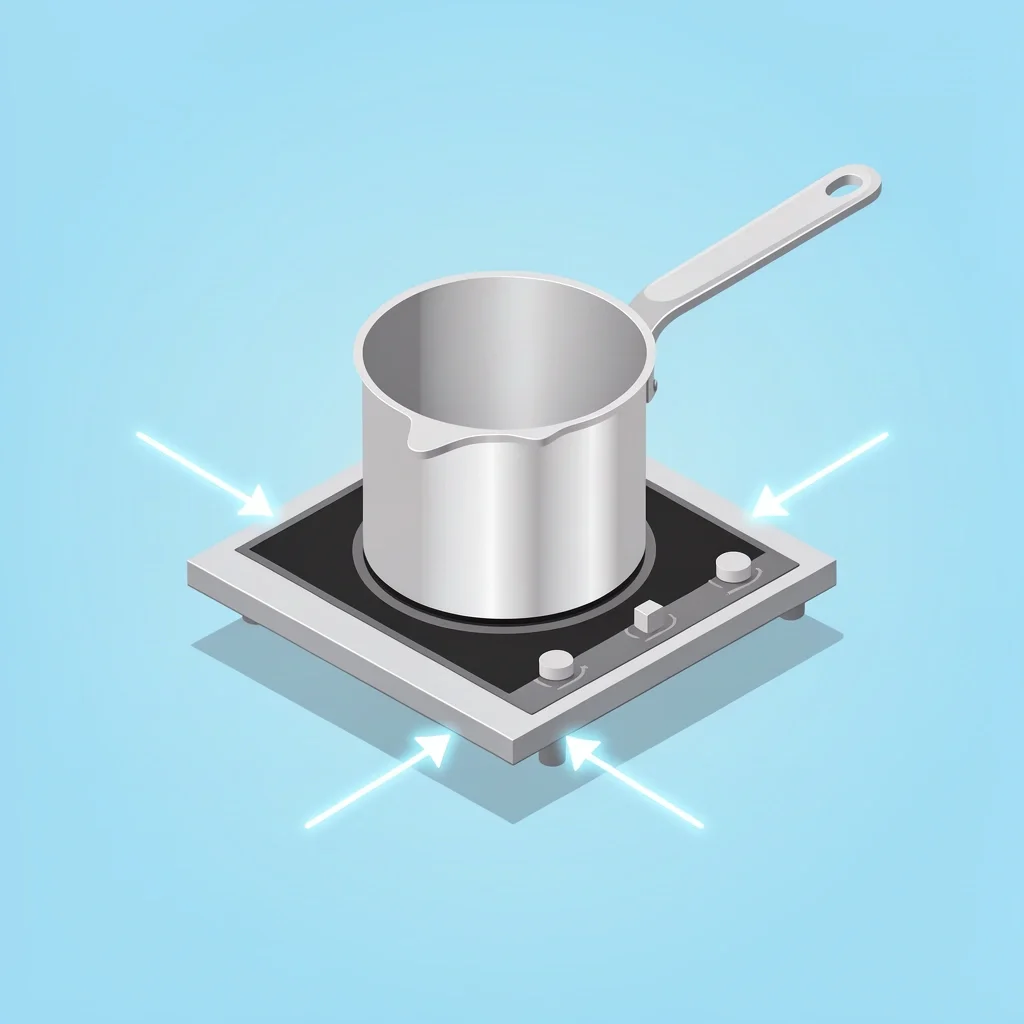
The shape of a saucepan is what defines its job. It has straight, high sides that are tall compared to the width of the bottom. This shape does three things. First, it keeps liquid from splashing out when you stir or boil. Second, it creates a small surface area for evaporation, which helps you reduce sauces without losing too much liquid too fast. Third, the narrow base means it heats up quickly on a small burner.
A standard saucepan has a long handle, usually made of metal or plastic, and a tight-fitting lid. The bottom is flat with sharp 90-degree corners where the sides meet the base. Those corners are important. They help you scrape every bit of food out with a spoon, but they also trap food and make cleaning harder.
What Size Saucepan You Actually Need
Saucepans come in sizes from 1 quart to 4 quarts. The size you need depends on how many people you cook for and what you make most often. Buying the wrong size is the most common mistake people make.
1-Quart Saucepan
This is the smallest size. It is perfect for one person. Use it to melt butter, heat a single serving of soup, warm milk for coffee, or make a small pan sauce after cooking a steak. It is also good for cooking a single serving of oatmeal or rice. If you live alone or cook only for yourself, this size covers most of your needs.
2-Quart Saucepan
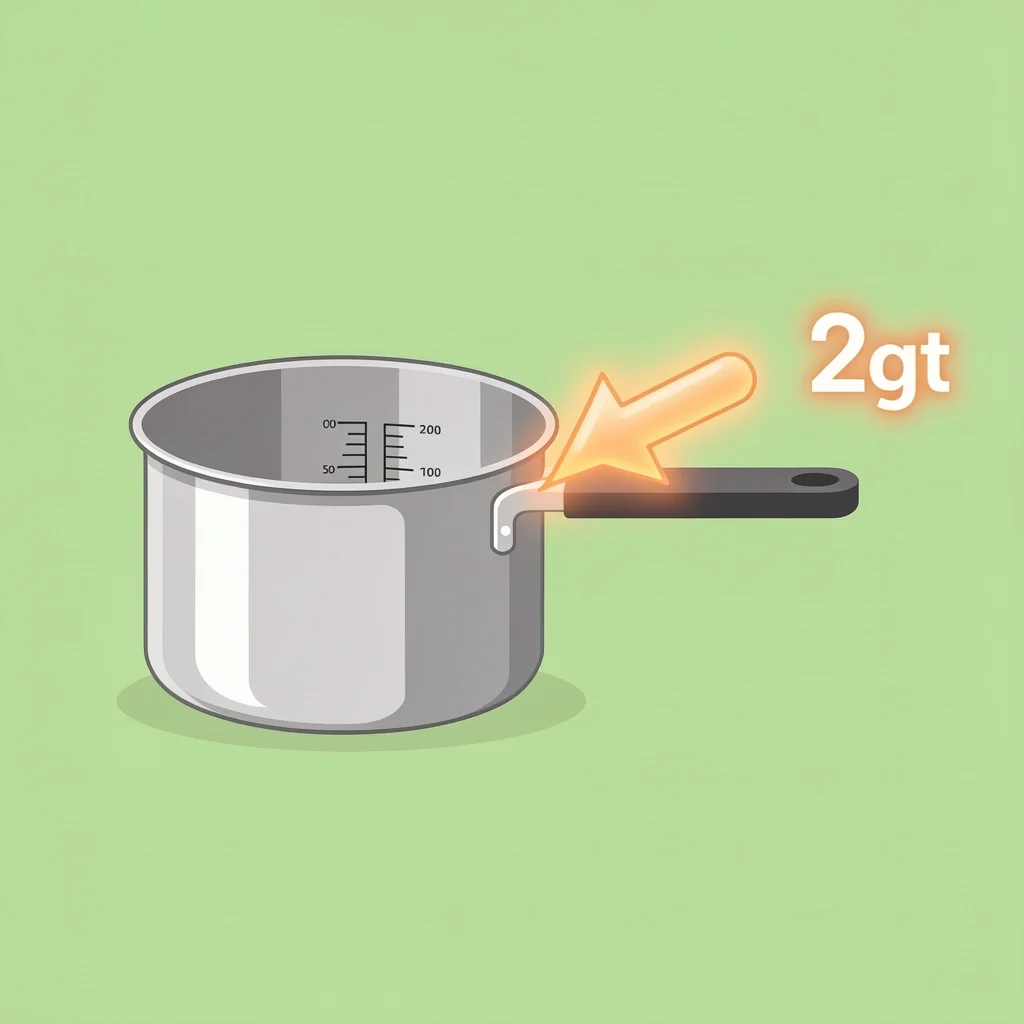
This is the most versatile size for most households. It handles cooking for two people easily. You can make rice for two, simmer a small batch of tomato sauce, boil a half-box of pasta, reheat canned soup, or cook four servings of vegetables. If you buy only one saucepan, make it a 2-quart.
3-Quart Saucepan
This size works for a family of three or four. Use it to make macaroni and cheese, cook a full box of pasta, simmer a larger batch of soup, or boil eggs for a crowd. It is also good for cooking grains like quinoa or barley for multiple servings. Once you go above 3 quarts, you start moving into stockpot territory.
4-Quart Saucepan and Above
A 4-quart saucepan is useful if you cook for four or more people regularly and do not already own a small stockpot. It can handle larger batches of soup, stew, or chili. But if you already have a 6-quart stockpot, a 4-quart saucepan may be redundant. Stick with 2 or 3 quarts unless you know you need the extra capacity.
What to Cook in a Saucepan
A saucepan is built for liquid-based cooking. Here are the main techniques it handles well.
Reducing Sauces
When you want to thicken a sauce by boiling off water, a saucepan is the right tool. The small surface area means the liquid does not evaporate too quickly, which gives you more control. You can simmer a tomato sauce, a cream sauce, or a stock-based sauce without it reducing too fast and burning.
Simmering and Poaching
The tall sides let you submerge food completely in liquid. You can poach eggs, chicken breasts, or fish fillets. The narrow base helps maintain a gentle simmer with less energy than a wide pot. This is also how you cook grains like rice, quinoa, or lentils.
Boiling Small Batches
Boiling water for a small amount of pasta, potatoes, or vegetables is quick and efficient in a saucepan. The water comes to a boil faster than in a large stockpot because there is less water to heat. For one or two servings, a saucepan is faster and uses less energy.
Making Custards and Stirred Sauces
Saucepans work well for sauces that need constant stirring, like bechamel, hollandaise, or pudding. The straight sides let you use a whisk effectively. The corners catch the whisk tines, which helps you scrape the bottom and prevent burning. Just be careful — the corners can also hide food that burns if you do not stir thoroughly.
Browning and Deglazing
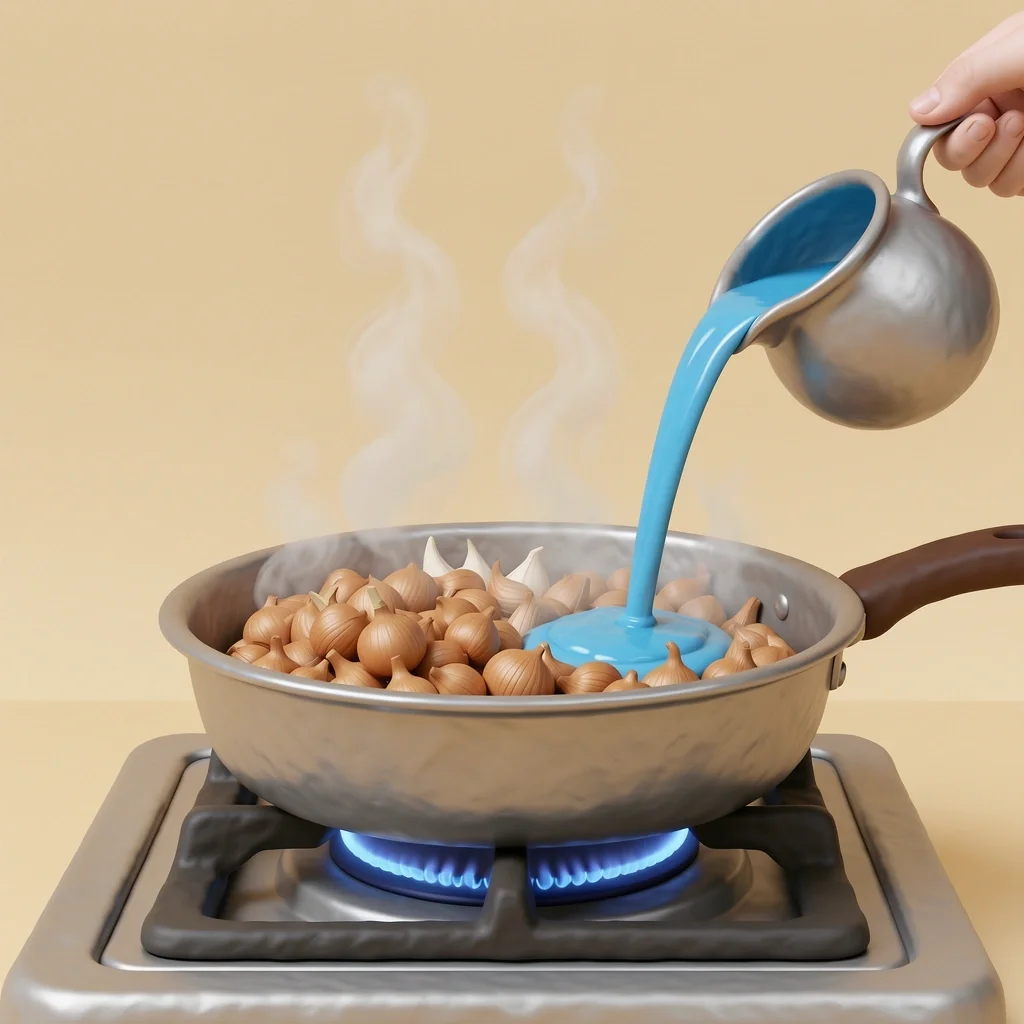
You can brown aromatics like onions and garlic in a saucepan, then add liquid to deglaze the pan. This is a common step in making soups, stews, and braises. The saucepan lets you do both steps in one pot without switching vessels.
Saucepan vs. Every Other Pot
Knowing when to use a saucepan instead of another pot saves you time and frustration. Here is how it compares to the most common alternatives.
Saucepan vs. Stockpot
Use a stockpot when you need to cook more than 4 quarts of liquid. Stockpots are wider and taller, designed for large batches of soup, stock, or pasta. A saucepan is for smaller quantities. If you are making stock for the week, use a stockpot. If you are making a single serving of soup, use a saucepan.
Saucepan vs. Saute Pan
A saute pan has straight sides like a saucepan, but it is wider and shallower. Use a saute pan when you need to brown meat or vegetables in a single layer before adding liquid. A saucepan is better when the dish starts with liquid. If you are making a braise that starts with browning meat, start in a saute pan. If you are making a soup that starts with sauteing aromatics, a saucepan works fine.
Saucepan vs. Skillet
A skillet has sloped sides that make it easy to flip food. It is great for pan sauces where you want rapid evaporation. Use a skillet when you want to reduce a sauce quickly after cooking meat. Use a saucepan when you want to retain volume and cook something slowly.
Saucepan vs. Saucier
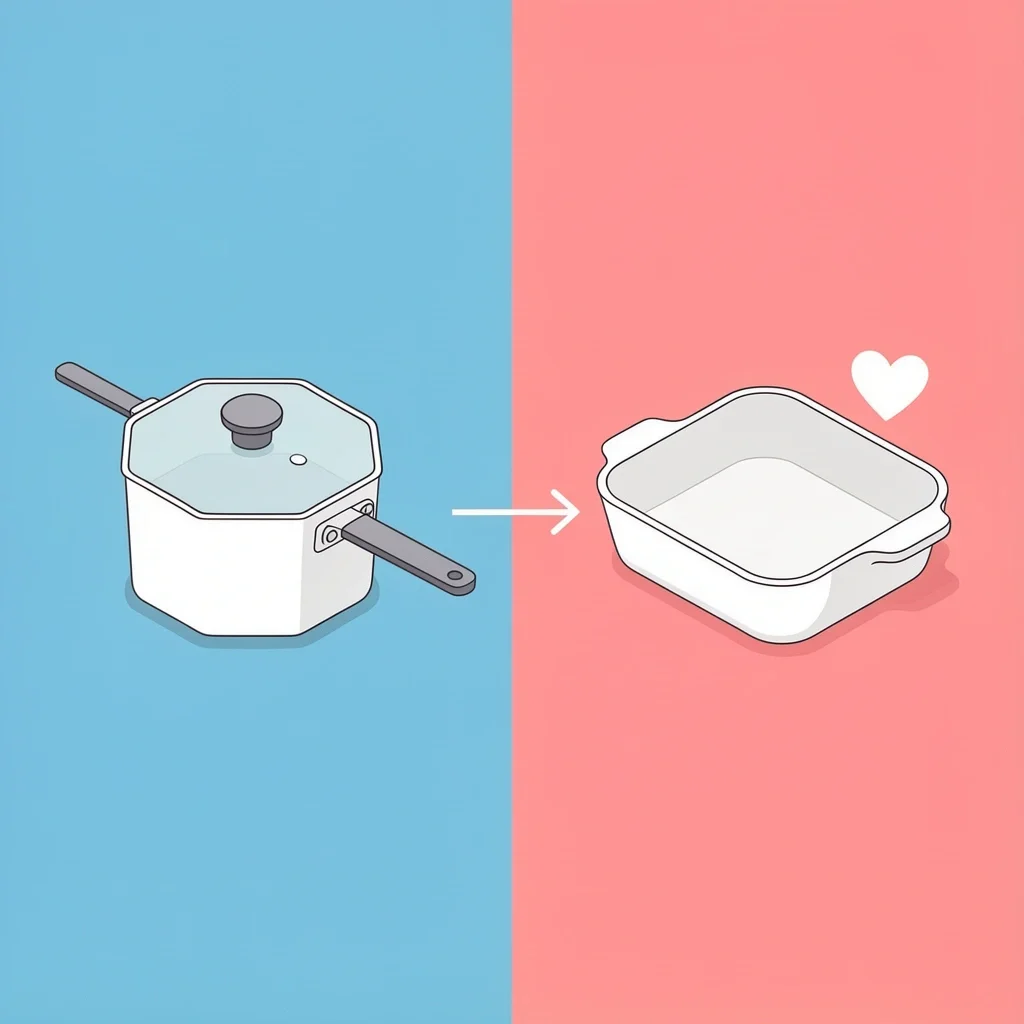
A saucier is the upgraded version of a saucepan. It has rounded corners instead of sharp ones. This makes stirring easier and prevents food from burning in the corners. If you make stirred sauces, custards, or risotto often, a saucier is a better choice. If you mostly boil, simmer, and blanch, a standard saucepan works fine.
Common Mistakes Beginners Make With Saucepans
Even a good saucepan can give bad results if you use it wrong. Here are the most common problems and how to avoid them.
Using a Thin Pan for Delicate Sauces
Thin stainless steel saucepans, especially those under 2.5 millimeters thick, create hot spots on the bottom. When you cook milk, cream, or sugar-based sauces, these hot spots scorch the liquid before the rest of the pan reaches temperature. The result is burnt sauce that tastes bitter. If you make delicate sauces often, invest in a tri-ply saucepan with an aluminum core for even heat distribution.
Putting the Lid on While Boiling
A lid traps steam and makes boil-overs worse. When you boil pasta or potatoes, leave the lid off. Use the lid only for long, gentle simmering where you want to retain heat and moisture. For reducing sauces, always cook with the lid off.
Stirring Too Vigorously
A saucepan has a small base and tall sides, which makes it the most tippable pot in your kitchen. When you stir thick sauces or risotto, hold the handle near the rivet where it attaches to the pan. This gives you better control and prevents the pot from tipping over.
Putting a Nonstick Saucepan in the Oven
Nonstick coatings cannot handle high oven temperatures. Most nonstick saucepans are safe only up to 400 degrees Fahrenheit. If you need to finish a dish in the oven, use a stainless steel or cast iron saucepan instead. Always check the manufacturer’s rating before putting any saucepan in the oven.
Soaking the Pan Too Long
Soaking a saucepan to loosen burnt food seems like a good idea, but it can damage the metal. Stainless steel can develop water spots and pitting if soaked for hours. Instead, fill the pan with water and a splash of white vinegar, bring it to a boil for five minutes, then add a spoonful of baking soda. The chemical reaction loosens burnt food without soaking.
Frequently Asked Questions
Can I use a saucepan to deep fry?
Technically yes, but it is not ideal. The small surface area means food crowds together, which lowers the oil temperature and makes food greasy. A wok or a dedicated deep fryer works better. If you must use a saucepan, choose a 2-quart or larger size and use a thermometer to maintain oil temperature.
Should I match saucepan size to burner size?
Yes. A small saucepan on a large burner wastes heat up the sides. The bottom of the saucepan should cover about 60 to 80 percent of the burner surface. Use small burners for small saucepans and large burners for large ones.
Is it safe to put a saucepan in the oven?
It depends on the handle. Stainless steel handles are usually safe up to 500 degrees Fahrenheit. Silicone-wrapped handles are safe to about 400 degrees. Plastic or wood handles are not oven-safe. Always check the manufacturer’s specification before putting any saucepan in the oven.
How do I clean burnt food from saucepan corners?
Fill the pan with water and add two tablespoons of white vinegar. Bring it to a boil for five minutes. Remove from heat and add one tablespoon of baking soda. The mixture will foam. Let it sit until cool, then scrub gently with a soft sponge. This method removes burnt food without damaging the surface.
Does saucepan material affect the taste of food?
Only with reactive metals. Unlined copper reacts with acidic foods like tomatoes or vinegar, creating a metallic taste. Unseasoned cast iron can leach iron into acidic sauces, turning them darker. Stainless steel, anodized aluminum, and enameled surfaces are neutral and do not affect taste.

