 Reina
Reina As an Amazon Associate, I may earn a small commission from qualifying purchases at no extra cost to you. This helps me create more valuable, tested content for you.
I’ve been cooking for years and have owned dozens of saucepans. The question “can I put this glass lid in the oven?” came up every time I tried to finish a braise in the oven or keep a casserole warm. The answer isn’t a simple yes or no. I’ve shattered one lid (a cheap one with a plastic knob) and ruined another because the handle melted. After that, I dug into the materials and tested everything. Let me save you the hassle.
Short answer: Most modern glass saucepan lids are oven-safe, but only up to a specific temperature and only if the entire lid – glass, handle, and metal rim – is rated for oven use. Never assume it’s safe without verifying.
What Determines Whether a Glass Lid Is Oven Safe?
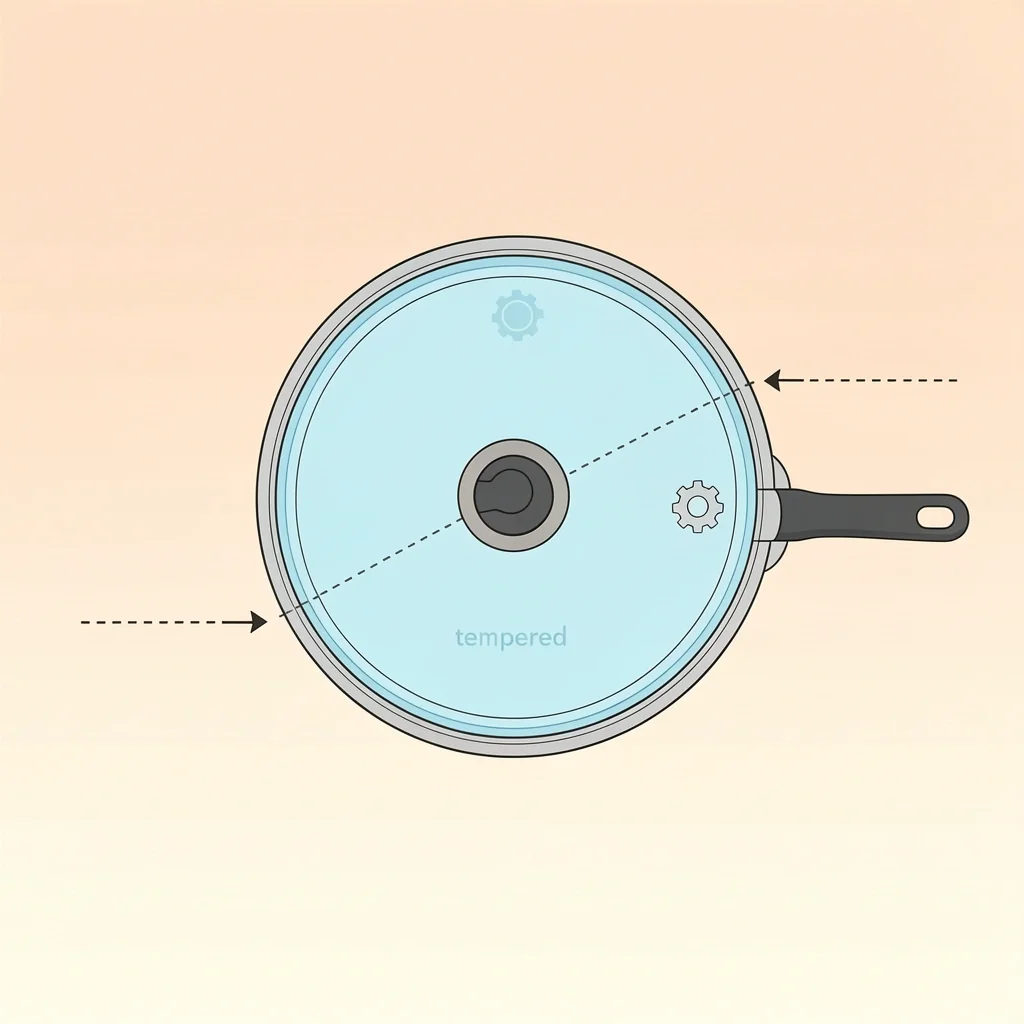
Three things decide if your lid can go in the oven: the type of glass, the handle material, and the metal rim. Each part has its own limit.
Glass Type
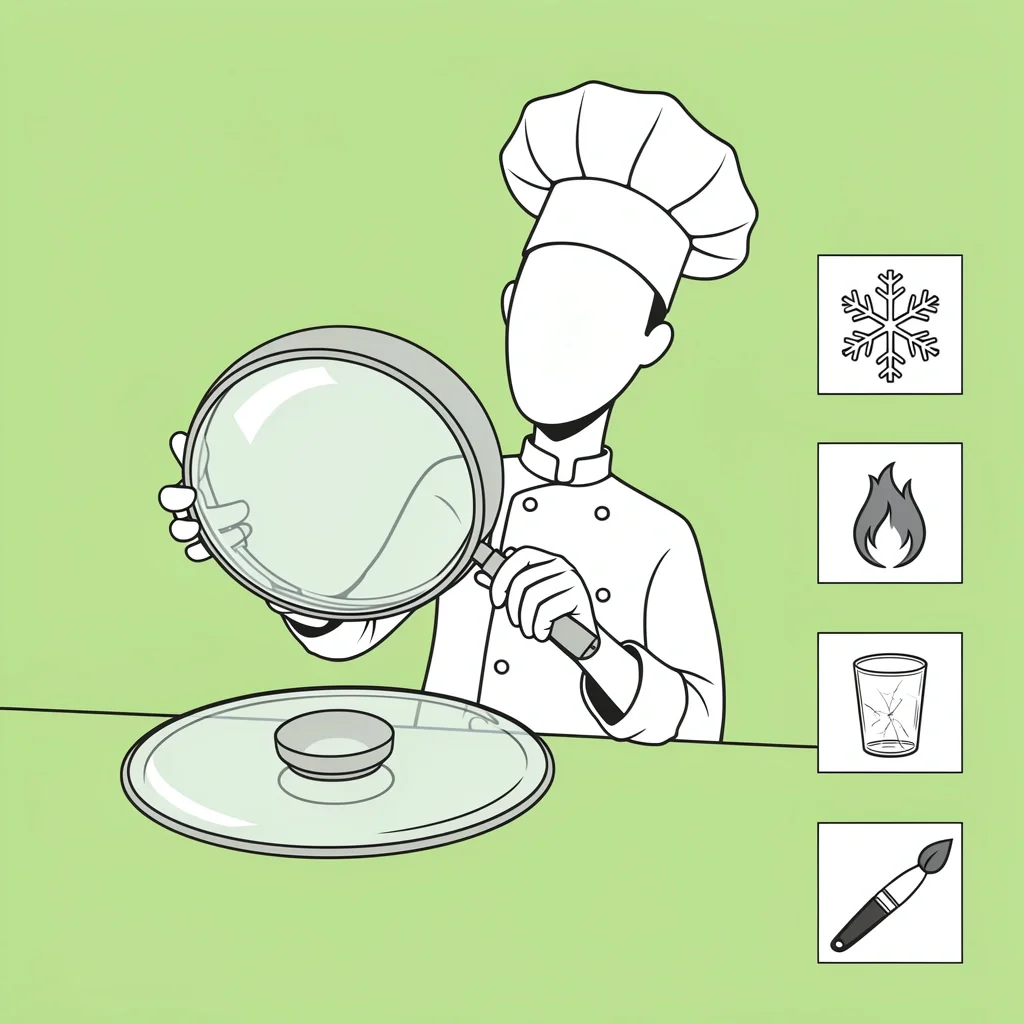
Not all glass is the same. Four common types appear in saucepan lids:
- Tempered soda-lime glass – Most common. It handles up to 425°F if the manufacturer says so, but it’s vulnerable to thermal shock. Look for a “tempered” stamp.
- Borosilicate glass – Better for high heat and sudden temperature changes. Found in Pyrex (not all) and some high-end lids. Withstands 450°F or more.
- Annealed glass – Old or cheap lids. They are not heat-treated and can shatter even with gentle oven heat. Never use in the oven.
- Tempered with a coating – Some lids have a colored coating. The coating may peel or crack, even if the glass holds up.
If your lid has no marking, assume it’s annealed and keep it on the stovetop only.
Handle Material: The Weak Link
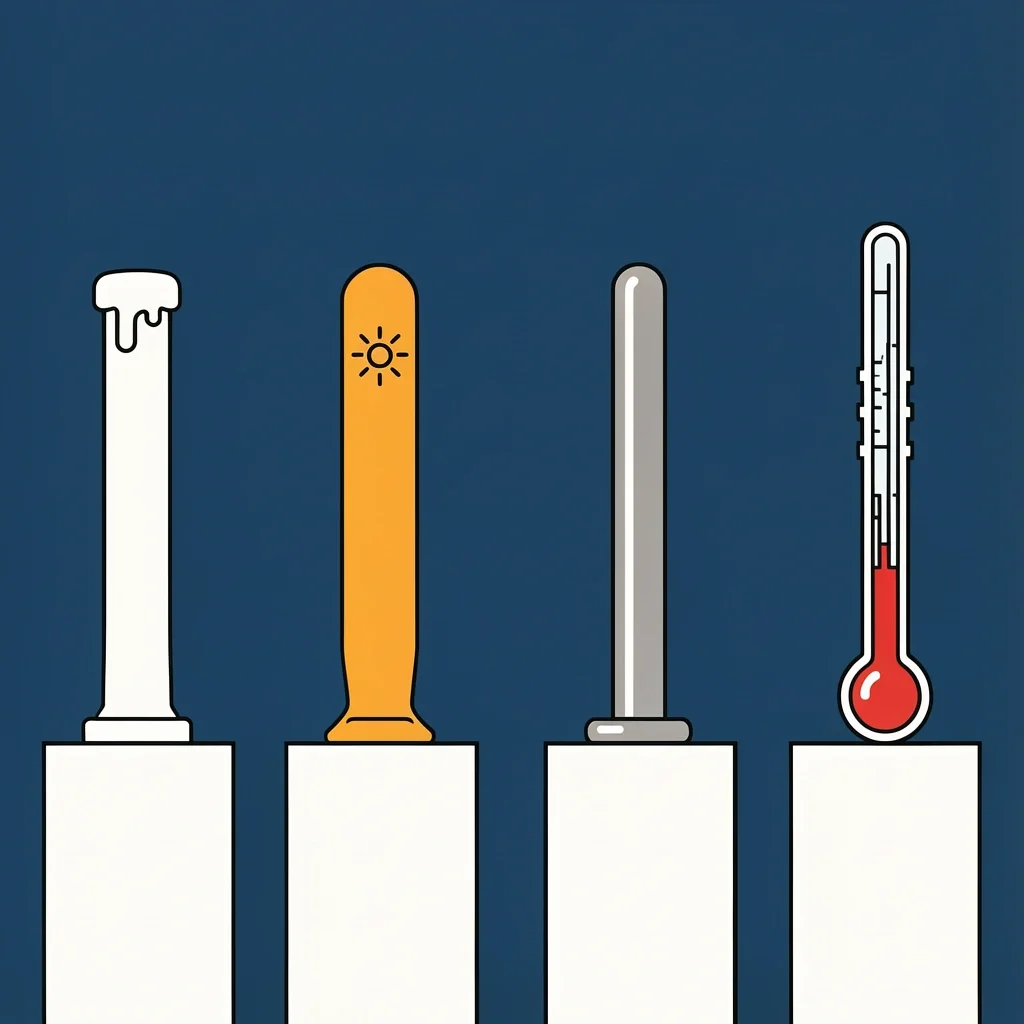
I’ve seen perfectly good glass shatter because the handle failed first. Here is how different handles behave in the oven:
| Handle Material | Typical Oven Limit | Watch Out For |
|---|---|---|
| Plastic or rubber (screwed on) | 200–250°F | Melts, warps, produces fumes. |
| Silicone (molded or separate) | 400°F | May brown or become sticky after repeated heat. |
| Solid metal (stainless steel or aluminum) | 400–500°F | Gets very hot – use a dry oven mitt. Hollow handles may trap moisture that expands and pops. |
| Metal with a plastic core | 350°F (the plastic core limits it) | The plastic inside can melt and cause the handle to split. |
The Metal Rim
Most glass lids have a stainless steel rim that seals the glass. That rim is usually oven-safe up to 500°F, but the glue or silicone bead that attaches the glass to the rim can weaken. If the rim is loose or has rust, the lid isn’t safe for oven use.
How to Find Your Lid’s Oven Rating
You don’t need to guess. Here’s how to check:
- Look on the glass itself – Many lids have “Oven Safe” and a temperature printed or etched near the center. Use a bright light if the print is faint.
- Check the metal rim or handle underside – I’ve seen tiny stamps there that read “400°F” or “Tempered.”
- Search the brand and model number – If you see a logo (e.g., Cuisinart, Calphalon, Tramontina), note any number on the lid or pan. Then look up the manufacturer’s website or manual.
- Call customer support – Quickest way for an exact answer if the lid is unmarked.
Brand-Specific Oven Temperatures
Based on my research and checking manufacturer sites (not guessing), here are common ratings:
- Calphalon Premier Hard-Anodized (glass lid with riveted stainless handle): oven-safe to 400°F.
- Cuisinart MultiClad Pro (tempered glass, metal handle): oven-safe to 350°F (handle limit).
- All-Clad lids (glass + stainless handle): typically oven-safe to 500°F, but check the specific model – some older ones have plastic knobs.
- Generic / store-brand tempered glass lids: often rated 300–350°F. If unmarked, treat as 300°F max.
Remember: the handle is the deciding factor for most brands. A metal handle means higher heat tolerance.
The Number One Risk: Thermal Shock
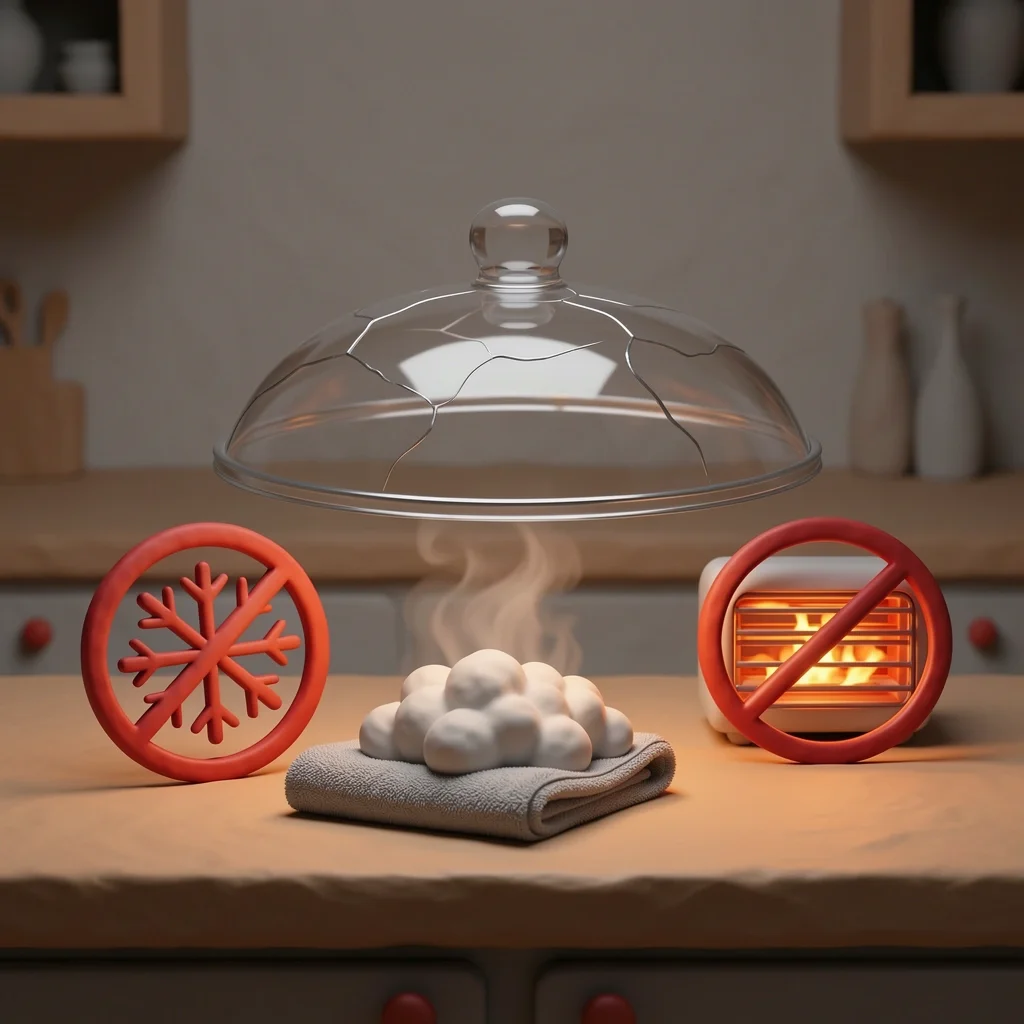
Even if your lid says “oven safe to 400°F,” it can still shatter if you handle it wrong. Thermal shock happens when the glass heats up too fast or cools too fast. Here are the three situations that kill lids:
- Putting a cold lid (right from the refrigerator) into a preheated oven.
- Taking a hot lid out and setting it on a cold counter or wet towel.
- Placing the lid directly on a heating element or near the oven’s top broiler.
To avoid shock: always put the lid in a cold oven and let it heat up with the oven. When removing, set it on a dry wooden board or a folded oven mitt – no cold surfaces.
Myth vs. Reality: “All Tempered Glass Is Oven Safe”
I see this repeated everywhere. It’s not true. Tempered glass can handle high heat, but it is still susceptible to thermal shock. Pyrex (borosilicate) is more forgiving, but even Pyrex lids can break if they touch a wet cloth or a cold sink. Also, tempered glass used in saucepan lids is often thinner than in baking dishes – less mass means faster temperature change and more risk. Always follow the lid’s rating, not the general rule.
Safe Protocol for Using a Glass Lid in the Oven
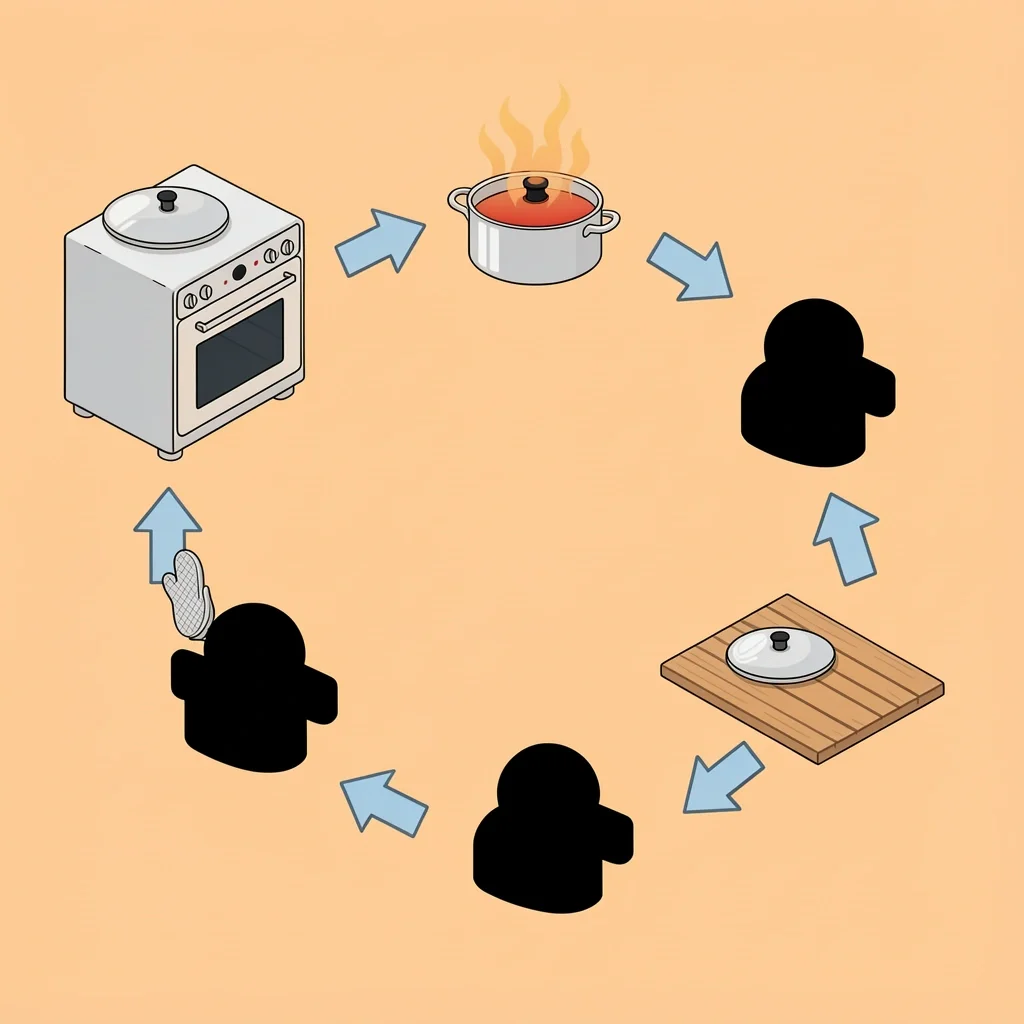
If you’ve verified your lid is oven-safe, follow these steps to keep it intact:
- Place the lid on a baking sheet or leave it on the saucepan (if the saucepan is also oven-safe). Never put the lid directly on the oven rack – it can slide and hit a heating element.
- Start with a cold oven. Put the whole pot (or just the lid on the sheet) in the cold oven, then turn on the heat.
- Do not preheat the oven first. Slow heating is key.
- When removing, use a dry oven mitt (not wet – moisture causes shock). Place the lid on a dry wooden board, not on a metal rack or counter.
- Do not use the lid under the broiler, and do not let the lid touch the oven walls or floor.
- If the lid has a hollow metal handle, make sure no water is trapped inside after washing – moisture expands as steam and can burst the handle.
How to Test an Unmarked Lid (Low-Risk Method)
If your lid has no markings and you’re tempted to try it in the oven anyway, use this method I’ve used with thrift-store finds:
- Place the lid on a baking sheet in a cold oven.
- Set the oven to 300°F. Let it heat up fully and stay at that temperature for 10 minutes.
- Turn off the oven and let the lid cool inside (do not open the door quickly).
- Inspect for cracks, warps, or loose parts. If it looks fine, you can repeat the test at 325°F, then 350°F.
- Do not go above 375°F unless you find manufacturer info. Most unmarked lids are cheap annealed glass and will fail above 350°F.
If you see any fogging, small cracks, or hear a popping sound during heating, stop – the lid is not safe.
Frequently Asked Questions
Can I use a glass saucepan lid in the oven as a cover for a casserole dish?
Yes, if the lid fits snugly and the dish is oven-safe. Make sure the lid sits flat – don’t invert it. The temperature limit is the same as for saucepan use.
What does an oven-safe symbol look like on a glass lid?
Look for a small square with a wavy line inside (like heat waves) or the words “Oven Safe” plus a number. It’s often etched into the center of the glass, or stamped on the metal rim.
Are vintage glass lids (pre-1990s) oven-safe?
Usually no. Older lids were often made from annealed (non-tempered) glass. Even if they look like tempered, the manufacturing standards were different. Treat them as stovetop-only unless a manufacturer’s label says otherwise.
Can I put a glass lid in the oven on broil?
No. Broil temperatures run 500°F or higher – well above most glass lid ratings. The direct, uneven heat also causes thermal shock. Use a metal lid or foil for broiling.
Why did my glass lid shatter in the oven even though it said “oven-safe”?
Four common reasons: (1) you placed the cold lid into a hot oven, (2) the lid touched a heating element, (3) the handle was loose and moisture inside expanded as steam, or (4) the glass had a tiny crack from a previous drop that you didn’t notice.
Is borosilicate glass better than tempered soda-lime for oven use?
Yes. Borosilicate glass (like in lab beakers or older Pyrex) handles bigger temperature swings without breaking. Most modern saucepan lids are tempered soda-lime – it’s fine for typical oven use but more likely to shatter if you make a mistake.
Bottom line: Check the lid’s marking and handle material before putting it in the oven. When in doubt, use foil or a metal lid. A shattered lid isn’t worth the risk – hot glass shards are dangerous and a pain to clean up.

