Reina
Reina 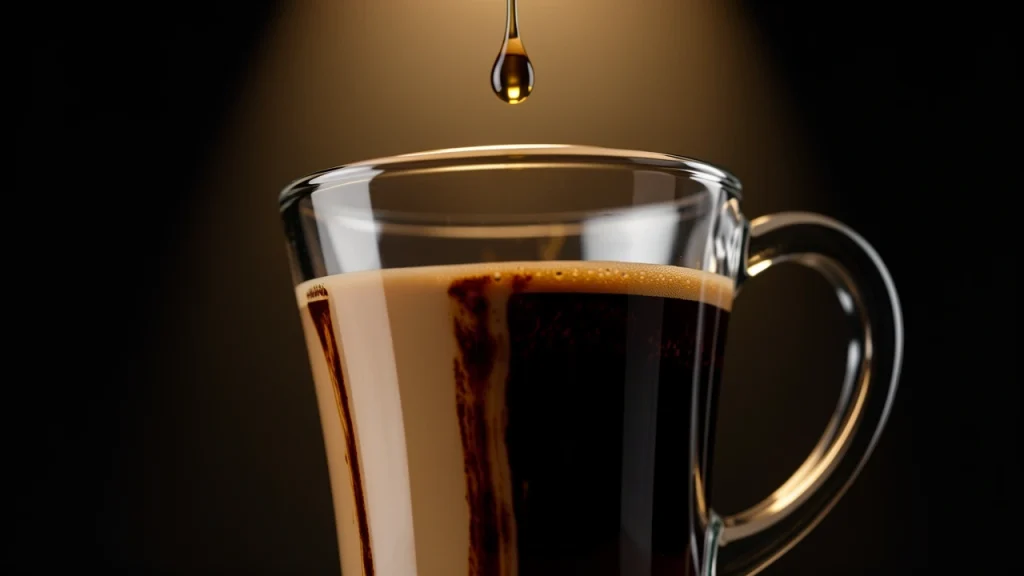
As an Amazon Associate, I may earn a small commission from qualifying purchases at no extra cost to you. This helps me create more valuable, tested content for you.
You’ve adjusted grind, dose, and time. The shot runs 30 seconds. Crema looks fine. Yet the mouthfeel is thin — like coffee-flavored water. I’ve been there more times than I’d like to admit.
After hundreds of wasted shots and a lot of head-scratching, I found that watery espresso almost always comes from under-extraction or dilution.
But when the usual fixes fail, the real culprit is something most guides skip: your water and your machine’s pressure.
What “Watery” Really Means for Your Espresso
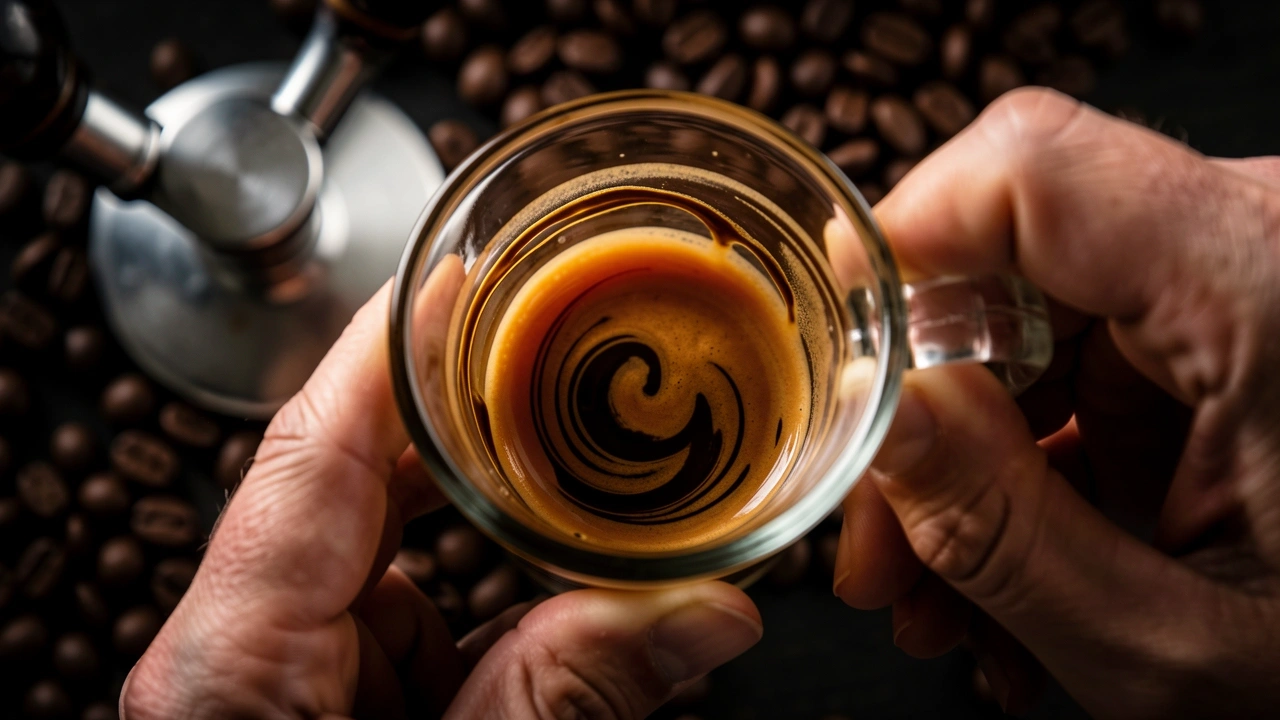
Watery espresso isn’t the same as weak espresso. Weak means low flavor intensity. Watery means low viscosity — the liquid doesn’t coat your tongue.
The body of espresso comes from emulsified oils, fine suspended solids, and colloids. If your shot runs off the cup like tea instead of leaving a coating, you’re missing those compounds.
Here’s a quick test I use: swirl the cup and watch how the liquid moves. A full-bodied espresso will leave thick streaks on the side. A watery one slides down clean.
If you see the second, it’s time to dig deeper.
The Extraction Triad – Where Body Gets Built
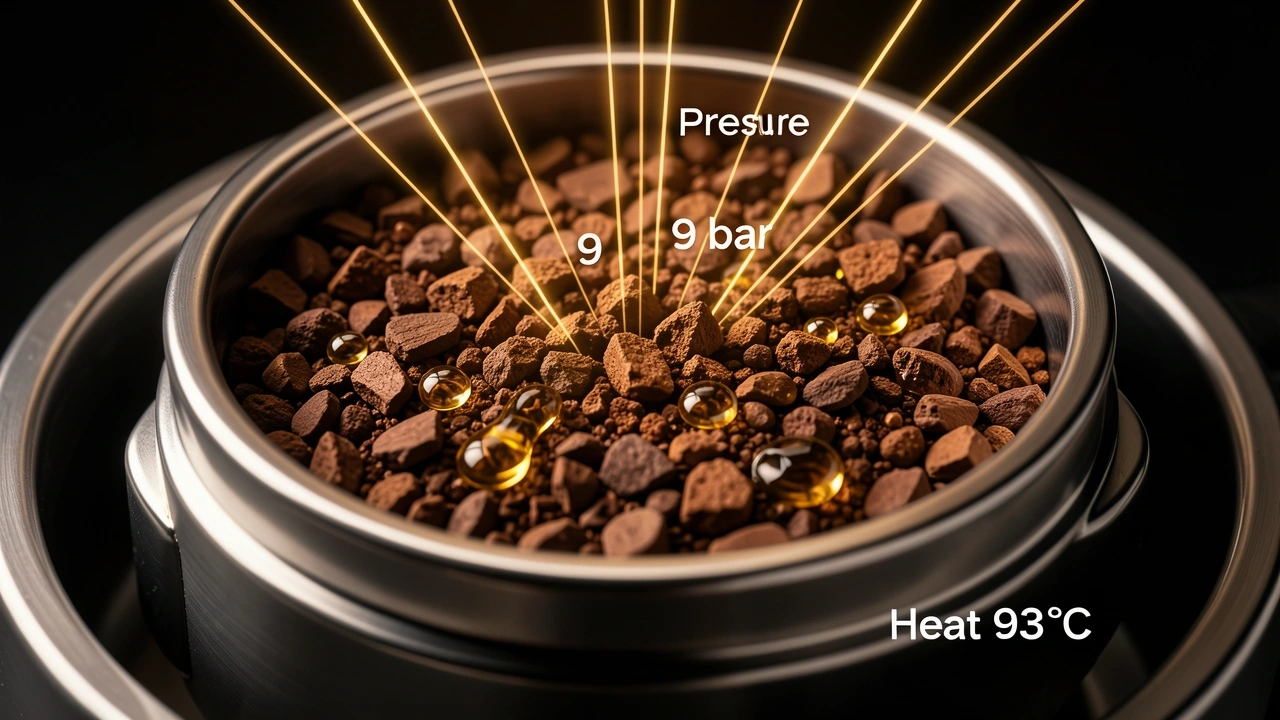
Body forms when pressure, temperature, and time work together. The heat extracts oils and solids, but it’s the pressure (around 9 bar) that emulsifies them into a thick liquid.
High extraction yield doesn’t automatically give you body.
I’ve seen shots with 22% extraction taste thin because the grind distribution was bimodal — over-extracted fines and large particles that never released their oils.
A balanced particle size range matters more than total dissolved solids.
Step-by-Step Troubleshooting – From Most Common to Most Overlooked
1. Grind Size and Shot Time
If your shot finishes in 15–20 seconds, you’re under-extracting. Grind finer until the shot time hits 25–35 seconds.
But be careful: grinding too fine in one big jump can cause channeling, which makes parts of the puck watery. Make small increments, like a single notch on your grinder.
2. Brew Ratio and Dose
Start with 18 grams in, 36 grams out (1:2 ratio). If your yield is more than 1:2.5, you’re diluting the shot. Reduce the yield first before changing anything else. Also, check your basket size.
I once used a 20-gram basket with 16 grams of coffee — the puck had too much headspace, water flowed too fast, and the shot was watery.
3. Puck Preparation and Channeling
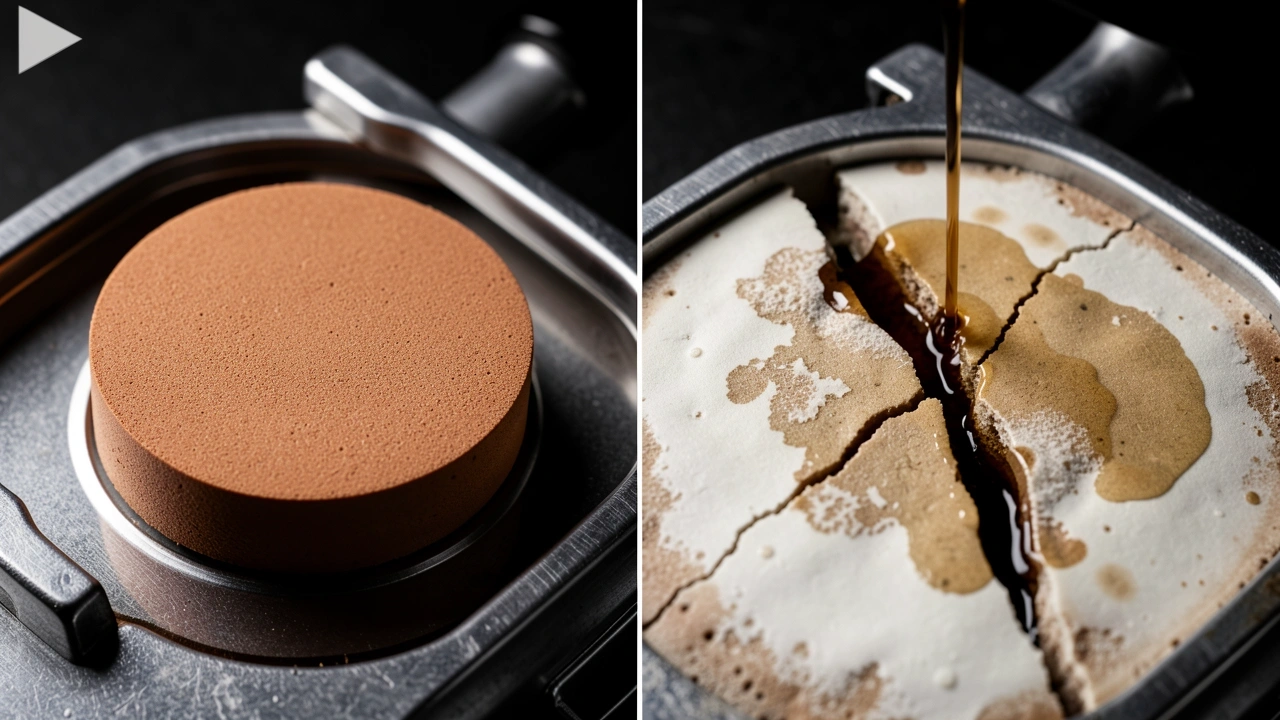
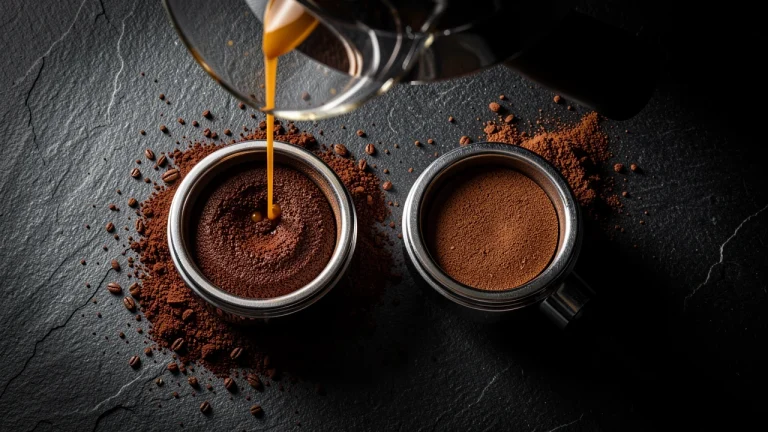
Channeling happens when water finds weak spots. That bypasses some coffee, leaving other parts under-extracted and thin. Use a WDT tool to break up clumps and distribute evenly. Level your tamp.
Signs of channeling include spraying, blonde spots, and a fast finish. Fix this before touching your grinder.
4. Coffee Freshness and Roast Level
Freshness matters: 5 to 21 days post-roast is ideal. Too old, and the beans lose CO₂ and oils. Lighter roasts naturally produce less body. If you crave texture, try a medium-dark roast.
I’ve found that a Brazil-based espresso blend with a medium roast gives me body even when I’m off on my grind.
The Hidden Variable: Water Chemistry
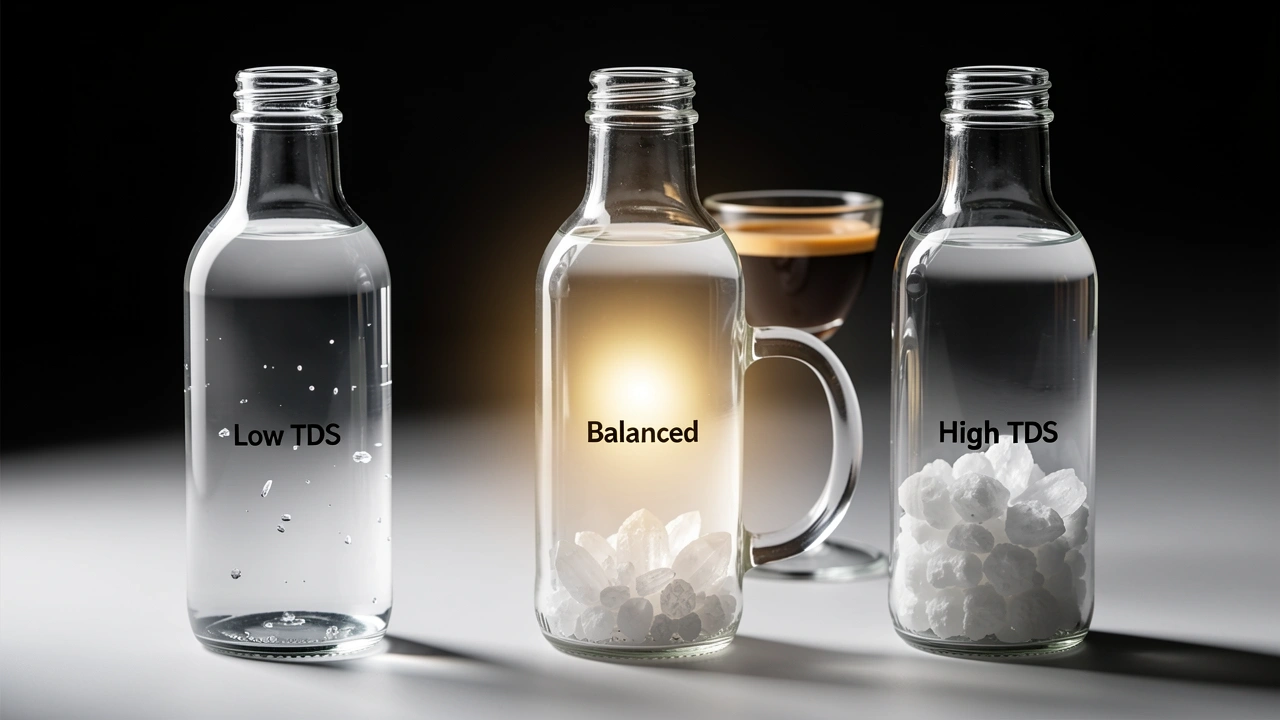
This is the fix most baristas never mention. Water chemistry directly affects body because certain minerals help extract oils and solids.
Low TDS water (like distilled, RO, or very soft tap water) can’t pull enough solids, even with perfect grind and dose. Hard water with too much calcium can bind with oils and reduce emulsion.
I once spent a month chasing a watery shot, swapping grinders and baskets. Then I switched from filtered tap (TDS ~40 ppm) to spring water (TDS ~150 ppm).
The first shot had noticeable body — I nearly spilled it from surprise.
How to test without a TDS meter: Pull a shot using bottled spring water (look for one with around 150 ppm total dissolved solids). If the body changes, water is your issue.
Fix it with third-wave water packets or by adding a pinch of potassium bicarbonate to distilled water. Avoid pure Brita-filtered water if your tap is already soft.
Why Machine Pressure and Pre-Infusion Matter
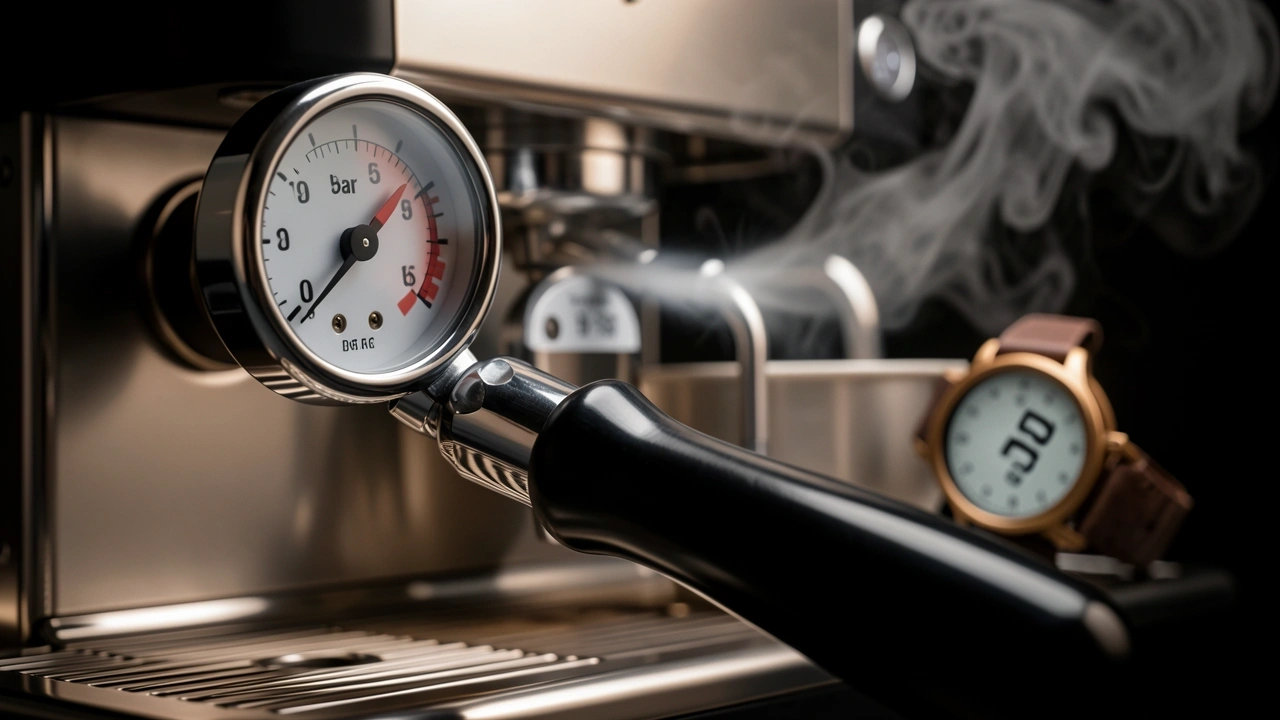
Many home espresso machines run at 7–8 bar instead of the ideal 9 bar. Lower pressure reduces the emulsion of oils — you get less body.
I measured my machine’s pressure with a portafilter gauge and found it was at 7.5 bar. Adjusting the OPV (over-pressure valve) brought it to 9 bar, and my shots gained texture immediately.
Pre-infusion also helps. A 3–5 second low-pressure wetting (2–3 bar) hydrates the puck evenly, which promotes better body.
If your machine lacks pre-infusion, try a manual bloom: stop the pump after 5 grams of liquid, wait 10 seconds, then resume.
I do this on a Gaggia Classic and it transforms thin shots into velvety ones.
Temperature stability matters too. If your machine’s temperature drops during extraction, extraction stalls. Stick to 93–96°C for medium roasts. Use a thermocouple to check if you’re not sure.
Advanced Optimization for Persistently Thin Espresso
If you’ve fixed grind, ratio, puck prep, water, and pressure — and you still want more body — try these:
- Higher ratio (ristretto): 1:1.5 (18g in, 27g out) for maximum concentration. This trade-offs flavor clarity for texture.
- Longer pre-infusion: Up to 10 seconds for light roasts. Helps extract oils without over-extracting bitterness.
- Different basket: Precision baskets like VST or IMS promote even flow and let you grind finer without channeling. I switched to an IMS and got noticeably thicker body.
- Rest your beans longer: Some espresso blends need 10–12 days post-roast for full body development. The first week can be too gassy, leading to watery shots.
When Everything Fails – Alternative Approaches
Sometimes the coffee itself is the limitation. Switch to a blend known for body, such as a Brazil or Sumatra base with high oil content.
If you still want a rich drink, consider making an Americano by adding water after extraction — that’s different from watery espresso because the water dilutes already-extracted coffee, not the extraction itself.
Or try an Aeropress with a fine grind — it produces a different texture that some find more satisfying.
Frequently Asked Questions
Why does my espresso have crema but no body?
Crema is foam from CO₂ and some oils, but body comes from suspended solids and emulsified oils. You can have thick crema on top while the liquid underneath is thin.
This happens when the grind is bimodal — fines create crema but the bulk of the puck is coarse.
Can I fix watery espresso by grinding even finer if my shot already runs 30 seconds?
Not always. If you grind finer, you risk channeling or choking. Instead, increase the dose by 0.5 grams while keeping the same yield, or reduce the yield by 2 grams.
That raises concentration without changing the grind.
Does decaf espresso always lack body?
Decaf beans lose oils during the decaffeination process. Choose a decaf roasted specifically for espresso, and pull at a tighter ratio (1:1.5 to 1:1.8).
I’ve had good results with Swiss Water Process decaf from a reputable roaster.
Is it the coffee or the machine? How to tell.
Brew a known good espresso bean from a top roaster. If it’s still watery, the machine likely has pressure or temperature issues. Check with a pressure gauge and thermometer.
Should I adjust dose or yield first for body?
Adjust yield first. Reducing the amount of water in the cup directly increases concentration. If that doesn’t work, then increase the dose by 0.5 grams while keeping the same ratio.
Yield changes are more predictable than dose changes for body.