Reina
Reina 
As an Amazon Associate, I may earn a small commission from qualifying purchases at no extra cost to you. This helps me create more valuable, tested content for you.
Here is the short answer: You can use reverse osmosis or distilled water in an espresso machine, but only if you add the right minerals back.
Running pure zero‑TDS water straight from a distiller or RO system will damage many machines over time and make your espresso taste flat.
In my years of working on home and commercial espresso setups, I have seen exactly what happens when people ignore this – premature boiler corrosion, brass fittings turning green, and shots that taste sour no matter how fresh the beans are.
This article explains the chemistry, the flavor impact, and the safe way to remineralize so you get both longevity and great coffee.
Why Pure Water Is Dangerous for Your Machine
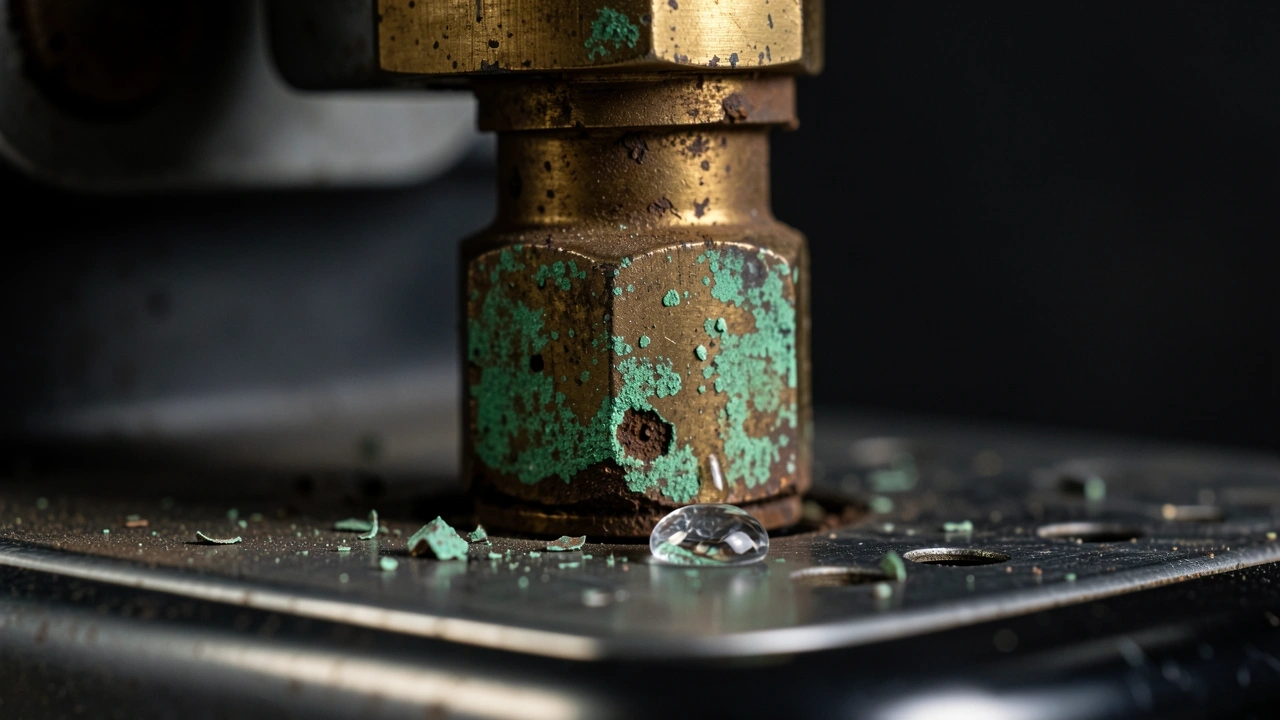
Most home espresso machines have boilers made of brass, copper, or stainless steel.
Pure distilled or RO water acts like a hungry sponge – it has almost no dissolved solids, so it pulls metal ions out of whatever it touches. This is called electrochemical corrosion.
I learned this the expensive way when I first started out: I filled my old Gaggia with nothing but distilled water for six months.
The brass boiler started developing a greenish film (dezincification), and the water tasted metallic. The machine still worked, but the group head was pitted.
Scale from hard water is bad, but corrosion from soft water is often worse. Scale can be descaled; corroded metal cannot be repaired.
Stainless steel boilers (like in the Decent DE1) resist corrosion better than brass, but even stainless steel can be attacked if the water is very low TDS and contains chlorides.
The key number to remember: water with a TDS below 30 ppm is aggressive. Most RO or distilled water comes out at 0‑10 ppm. That is too low to be safe.
The exception is machines explicitly designed for unremineralized water, such as some modern stainless‑steel‑only models.
But unless you know your machine’s internal materials, assume pure water is risky.
The Flavor Problem You Did Not Expect
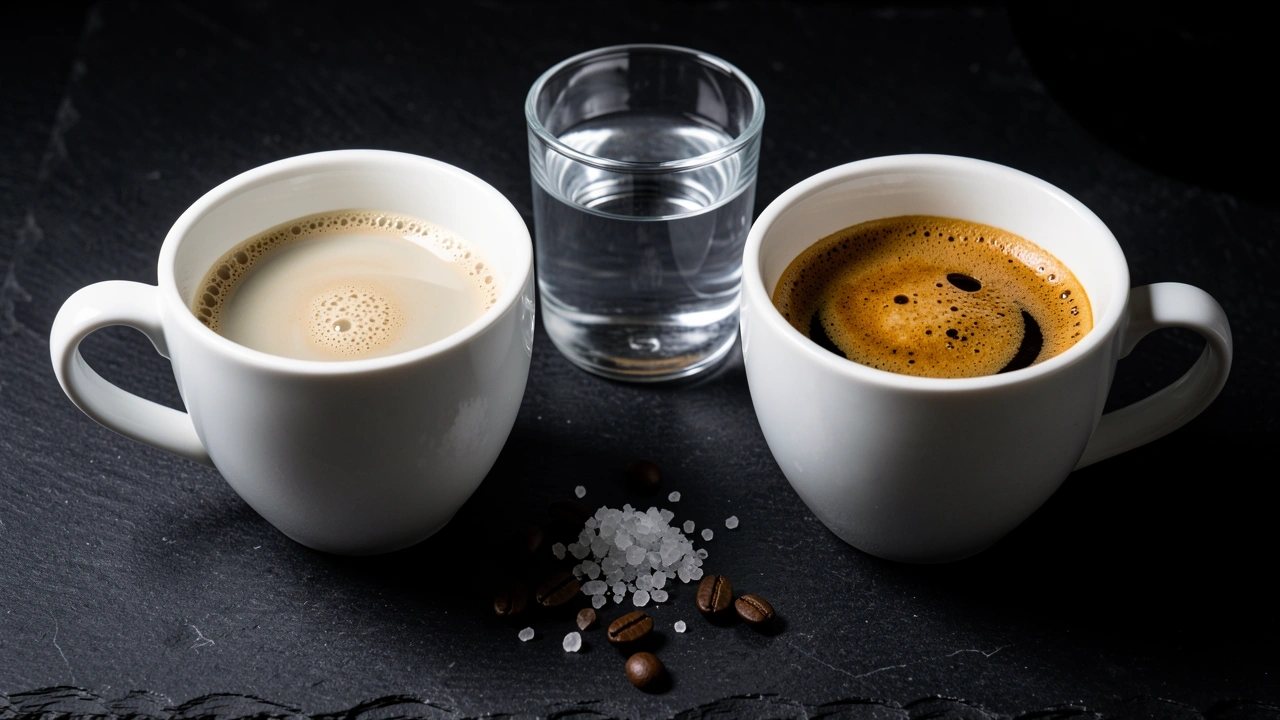
Even if corrosion were not an issue, pure water ruins the taste of espresso.
Extraction chemistry depends on dissolved minerals – specifically calcium, magnesium, and bicarbonates – to pull out the right compounds from coffee.
Without them, you get under‑extracted, sour shots with little body. I tested this side‑by‑side: a shot with plain distilled water versus the same coffee with water remineralized to 100 ppm.
The difference was night and day. The distilled shot was thin and sharp; the remineralized one had sweetness, mouthfeel, and balance.
The Specialty Coffee Association recommends a TDS range of 80‑120 ppm for espresso, with alkalinity (KH) of 25‑50 ppm and general hardness (GH) of 50‑80 ppm. Pure water falls far below that.
Even water from a ZeroWater pitcher (which is essentially distilled) needs minerals added back before you brew. Do not let anyone tell you “pure water tastes cleaner” – in coffee, it tastes empty.
| Parameter | Target Range |
|---|---|
| TDS (total dissolved solids) | 80‑120 ppm |
| Alkalinity (KH) | 25‑50 ppm |
| General hardness (GH) | 50‑80 ppm |
| Chloride | Under 10 ppm |
How to Remineralize RO/Distilled Water Safely
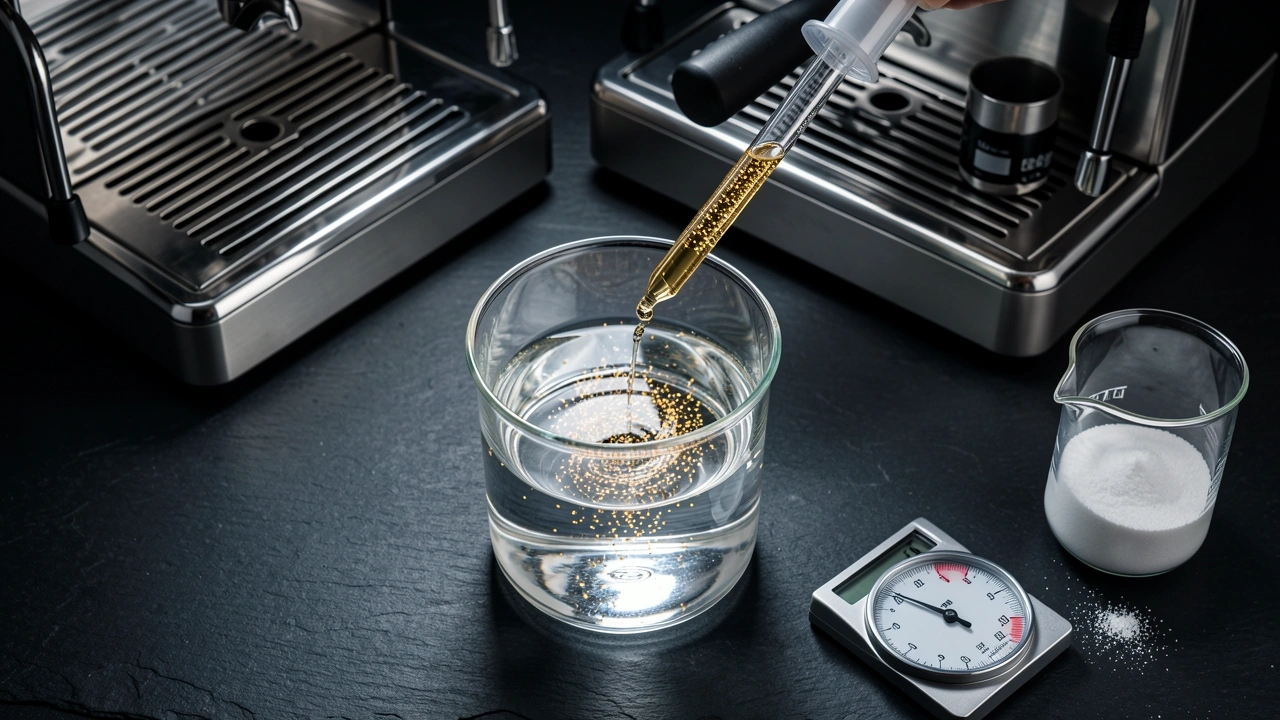
The solution is not complicated, but it requires precision. Do not just add tap water to your distilled jug – that defeats the purpose. Instead, use a mineral concentrate designed for coffee.
The most popular options are Third Wave Water packets, Lotus Water drops, or a DIY recipe.
I have used Third Wave Water for over two years in my own machine, a stainless‑steel La Marzocco Linea Mini, and it works perfectly. Follow these steps:
- Check your water baseline. Measure the TDS of your RO or distilled water with a cheap meter. It should read 0‑10 ppm.
- Choose a remineralization product. Avoid any that contain chlorides (calcium chloride, sodium chloride). Chloride accelerates pitting corrosion. Third Wave Water uses only bicarbonate‑based minerals – safe for brass and stainless steel.
- Add minerals to a full reservoir. For a standard 2‑liter tank, one packet of Third Wave Water (or equivalent) will bring TDS to about 90‑110 ppm. If your machine is smaller, scale the dose. Lotus Water drops allow you to dial in precisely.
- Mix thoroughly and let it sit for a minute. Then test TDS again – you want to be in the 80‑120 range.
- Run a short flush through the group head to prime the system. Your water is now ready to use.
If you prefer a DIY recipe, the “Pavlis” water (sodium bicarbonate only) is the simplest and safest for all machines.
Add 0.1 g of sodium bicarbonate per liter of distilled water to reach about 80 ppm alkalinity.
This avoids any calcium or magnesium that could deposit scale, though it may require periodic cleaning of the steam heater.
The “Barista Hustle” recipe (potassium bicarbonate, magnesium sulfate, sodium bicarbonate) gives better flavor but needs a scale.
The Brass Boiler Dilemma – Why Some Brands Say “No”
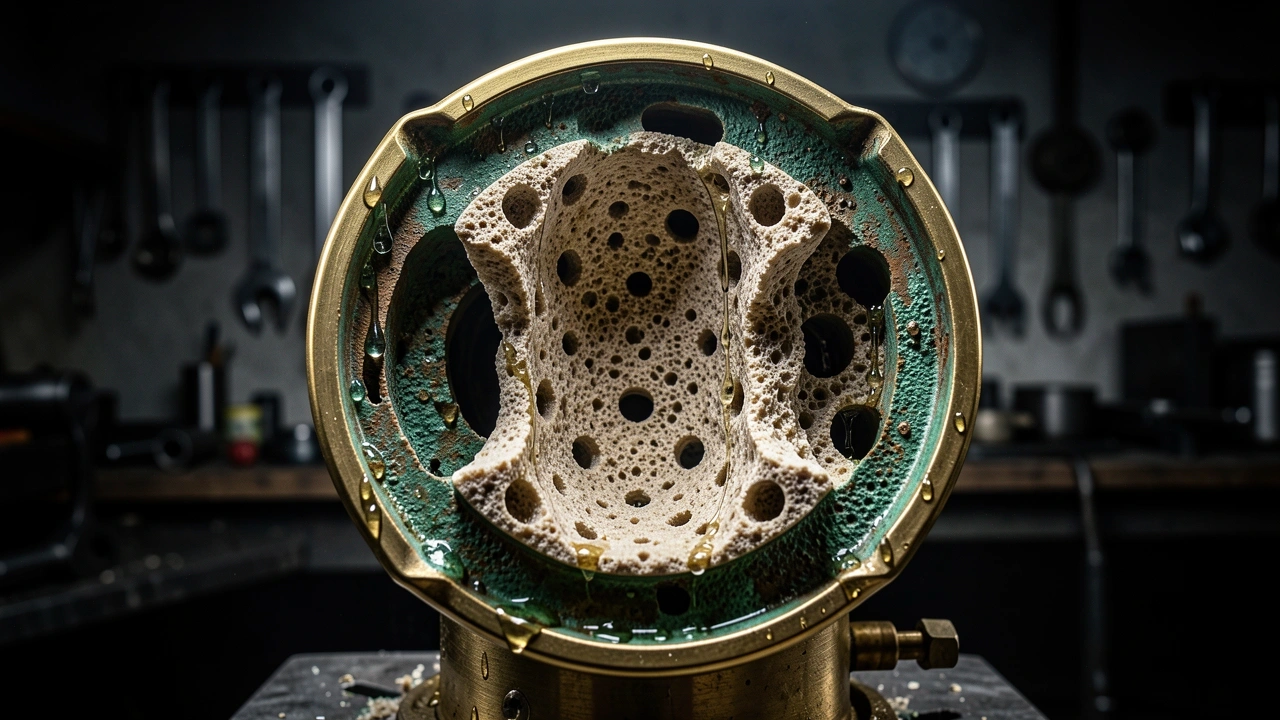
Many classic espresso machines (E61 groups, older La Marzocco, Gaggia, Rancilio) use brass boilers. Brass contains zinc, and soft water leaches zinc out of the brass, leaving a porous copper structure.
This is called dezincification. I have pulled apart a brass boiler that had been running on pure RO water for two years – the inside looked like Swiss cheese.
Stainless steel boilers, like those in the Decent DE1 and newer La Marzocco models, do not suffer from dezincification, but they can still corrode if chlorides are present.
If you have a brass boiler, do not use pure RO or distilled water even for a short time. You must remineralize to at least 50 ppm TDS with a calcium‑free formula.
If your machine has a stainless boiler, you have more flexibility – but still avoid chlorides and keep TDS above 30 ppm.
Many manufacturer warnings about distilled water are aimed at brass‑boiler machines.
Decent Espresso explicitly says their machine is safe with unremineralized RO water because they use all stainless steel. Check your manual or the manufacturer’s website.
DIY Water Recipes – Pro Tips from the Specialty Coffee Association
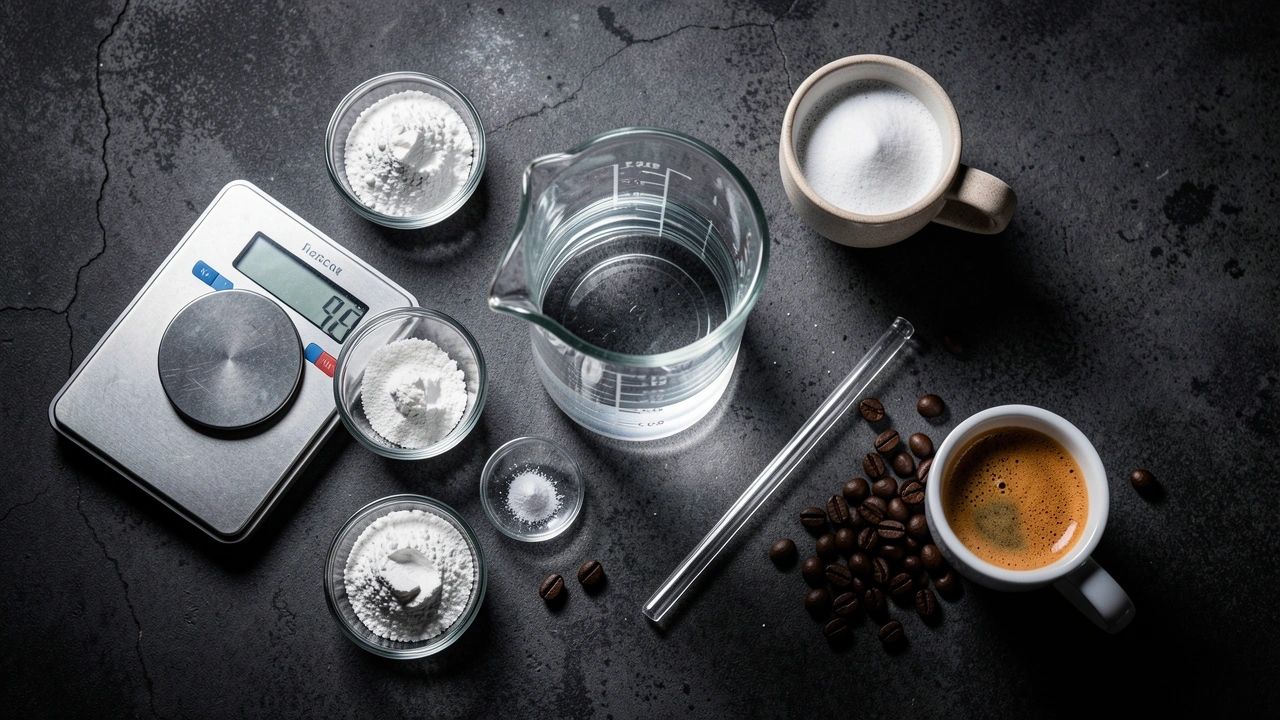
Once you are comfortable with basic remineralization, you can fine‑tune for flavor. The Specialty Coffee Association endorses the “Pavlis” and “Barista Hustle” recipes. Here is how I make them at home:
Pavlis Water (Minimal Scale Risk)
- Add 0.1 g sodium bicarbonate to 1 liter of distilled or RO water.
- Target TDS: about 80 ppm (all alkalinity).
- Best for machines you never want to descale. Flavor is clean but may lack some body.
Barista Hustle Recipe (Balanced Flavor)
- 0.35 g potassium bicarbonate
- 0.11 g magnesium sulfate (Epsom salt)
- 0.01 g sodium bicarbonate
- Dissolve in 1 liter distilled water. Target TDS ≈ 100 ppm.
Both recipes avoid chlorides. Use a 0.01‑gram scale for accuracy. Store mixed water in a clean glass container and use within a week.
I keep a 4‑liter batch in the fridge and refill my machine reservoir daily.
One more pro tip: do not use softened tap water as a base. Salt‑based softeners replace calcium with sodium and often add chlorides. That is worse than either hard water or pure RO.
Stay with remineralized distilled or RO.
Frequently Asked Questions
Can I use water from a ZeroWater pitcher?
Yes. ZeroWater output is essentially distilled – 0 ppm TDS. You must remineralize it following the same steps as for distilled water. Do not use it straight.
Does letting distilled water sit in the tank help?
No. Corrosion starts immediately upon contact. Sitting water does not lose its aggressive nature – if anything, it becomes more corrosive as it absorbs carbon dioxide from the air, lowering pH.
Is bottled “spring water” safer than distilled?
Not automatically. Check the label for TDS. Some spring waters are very hard (e.g., San Pellegrino) and cause scale. Others are soft (e.g., Volvic) and may be fine if TDS is between 80‑120.
Always verify before using.
Can I use softened tap water?
No. Salt‑based softeners introduce sodium and often chlorides. Chloride accelerates corrosion, and sodium does not help extraction. Use remineralized RO or distilled instead.
What about water for a super‑automatic machine?
Same rules apply. Super‑automatics often have plastic boilers, which are corrosion‑resistant, but they still need minerals for flavor and to avoid scale on the brew group.
Remineralize to the same targets.