 Reina
Reina As an Amazon Associate, I may earn a small commission from qualifying purchases at no extra cost to you. This helps me create more valuable, tested content for you.
So you seared a chicken breast, a pork chop, or a piece of fish. The pan is hot, the protein is resting, and you see those brown bits stuck to the bottom. Now you want to turn those bits into a rich, flavorful sauce. But the question stops you cold: what pan do you make sauce in? It matters more than you think.
The quick answer: a stainless steel skillet is the best pan for making a pan sauce. But if you only own non-stick or cast iron, you can still get good results. This guide will explain why the pan matters, compare the common materials, and show you how to work with what you already have.
The Best Pan for Pan Sauces

For a classic pan sauce, reach for a stainless steel skillet. It delivers the heat you need to create the “fond” – those browned bits that give the sauce its deep flavor. Non-stick pans cannot form fond because food slides right off. Cast iron works but comes with a few limitations.
If you are buying one pan specifically for making pan sauces, spend your money on a good stainless steel skillet. A cheap one works better than an expensive non-stick for this job.
Why the Pan Matters More Than the Recipe

Every pan sauce recipe follows the same steps: sear, deglaze, reduce, mount with butter. But the pan you use controls whether those steps actually work.
The secret is the Maillard reaction. When protein hits a hot metal surface, the sugars and amino acids react to create brown crust. That crust sticks to the pan if the surface is reactive enough. Stainless steel and cast iron have a rough, porous surface at the microscopic level. The fond clings to it. Non-stick pans have a smooth, slick coating that repels everything – including the fond. You get a nice sear on the meat, but the brown bits lift off with the meat instead of staying in the pan.
Without fond, your sauce is just flavored liquid. It lacks body and richness.
Comparing Pan Materials for Sauce Making
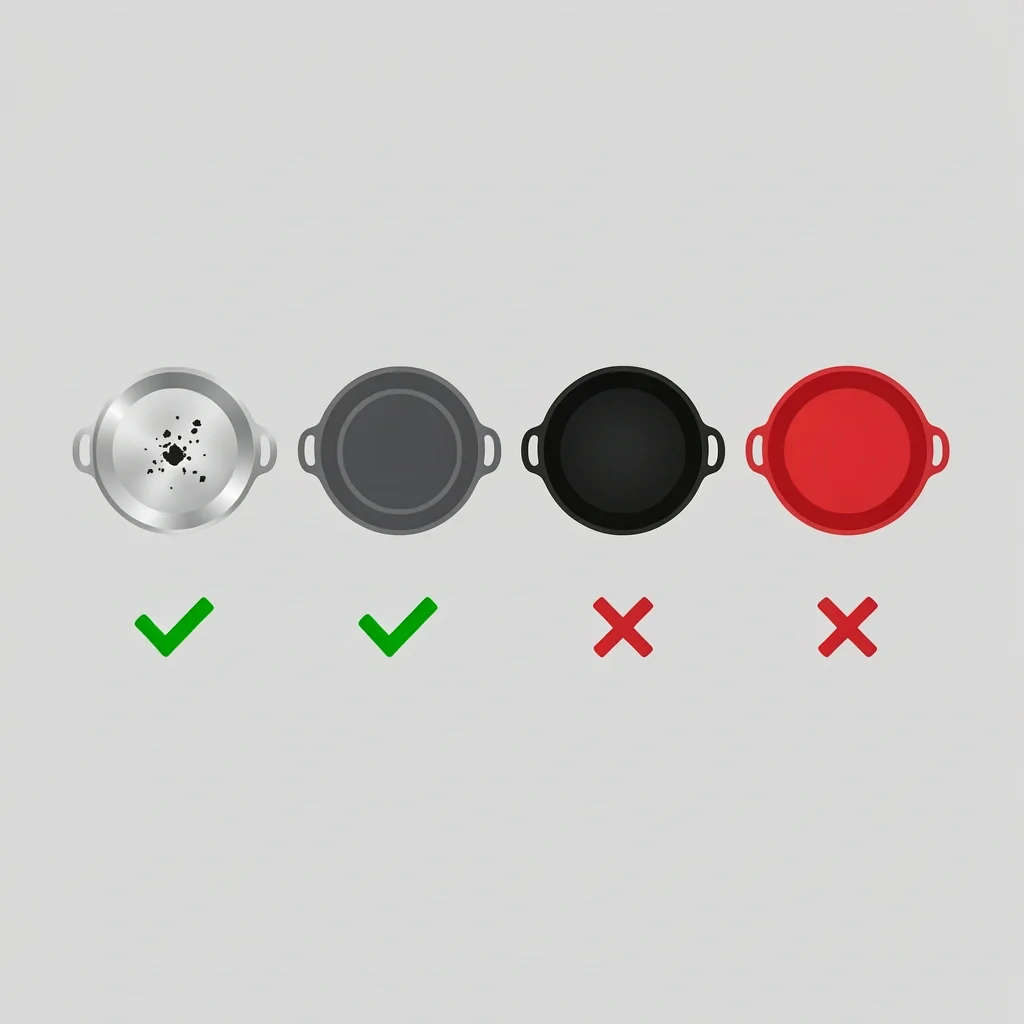
Here’s how the most common pan materials stack up for making a pan sauce.
Stainless Steel – The Standard
Stainless steel is the default choice for a reason. It builds a strong fond quickly at medium-high heat. You can deglaze with wine, vinegar, or lemon juice without worrying about the metal reacting. The light interior lets you see the fond color – you can tell when it’s dark enough.
One downside: stainless steel requires good technique. If you add the protein too early, it will stick and burn instead of releasing cleanly. You need to let the pan get hot and wait for the food to release naturally. Once you learn this, it becomes easy.
It also cleans up well. A splash of water and a quick scrub, and the fond dissolves into your sauce or washes away.
Cast Iron – The Workhorse
Cast iron holds heat like a champion. You get a steady, even sear that creates lots of fond. It works beautifully for pan sauces made with butter, stock, or cream.
The big catch: acidity. Cast iron reacts with acidic liquids like wine, tomato, or vinegar. If you leave a wine-based sauce in the pan too long, it picks up a metallic taste and can damage the seasoning. So if you deglaze with wine, keep it under a minute. Pour in your liquid, stir, and get it out quick. For creamy sauces or stock-based sauces, cast iron is excellent.
Seasoning maintenance is another factor. You cannot wash cast iron with soap as easily, and you have to dry it immediately. It’s heavier and more work, but the results are worth it if you treat it right.
Non-Stick – The Compromise
Non-stick pans are popular for eggs and fish. For pan sauces, they are a compromise. You will not get much fond because the coating prevents sticking. The sauce you make will be thinner and less flavorful than one made in stainless steel.
But you can still make a decent pan sauce in non-stick. You just have to build flavor differently. See the next section for the exact technique.
Enameled Cast Iron – Good for Creamy Sauces
Enameled cast iron (like a Dutch oven) works well for pan sauces, especially creamy ones. The smooth enamel coating does not react with acid, so you can deglaze with wine for a long time. The dark interior makes it hard to see the fond, so you have to rely on smell and sound. Not ideal for beginners, but great for braised sauces.
Copper – Expensive but Precise
Copper pans offer the best heat control. They heat up and cool down fast, perfect for delicate sauces. But copper reacts with acidic foods, giving a metallic taste. Most copper pans are lined with stainless steel, which fixes that issue. Price is the main barrier – a quality copper skillet costs hundreds of dollars. For most home cooks, stainless steel is the better value.
How to Make a Pan Sauce in a Non-Stick Pan
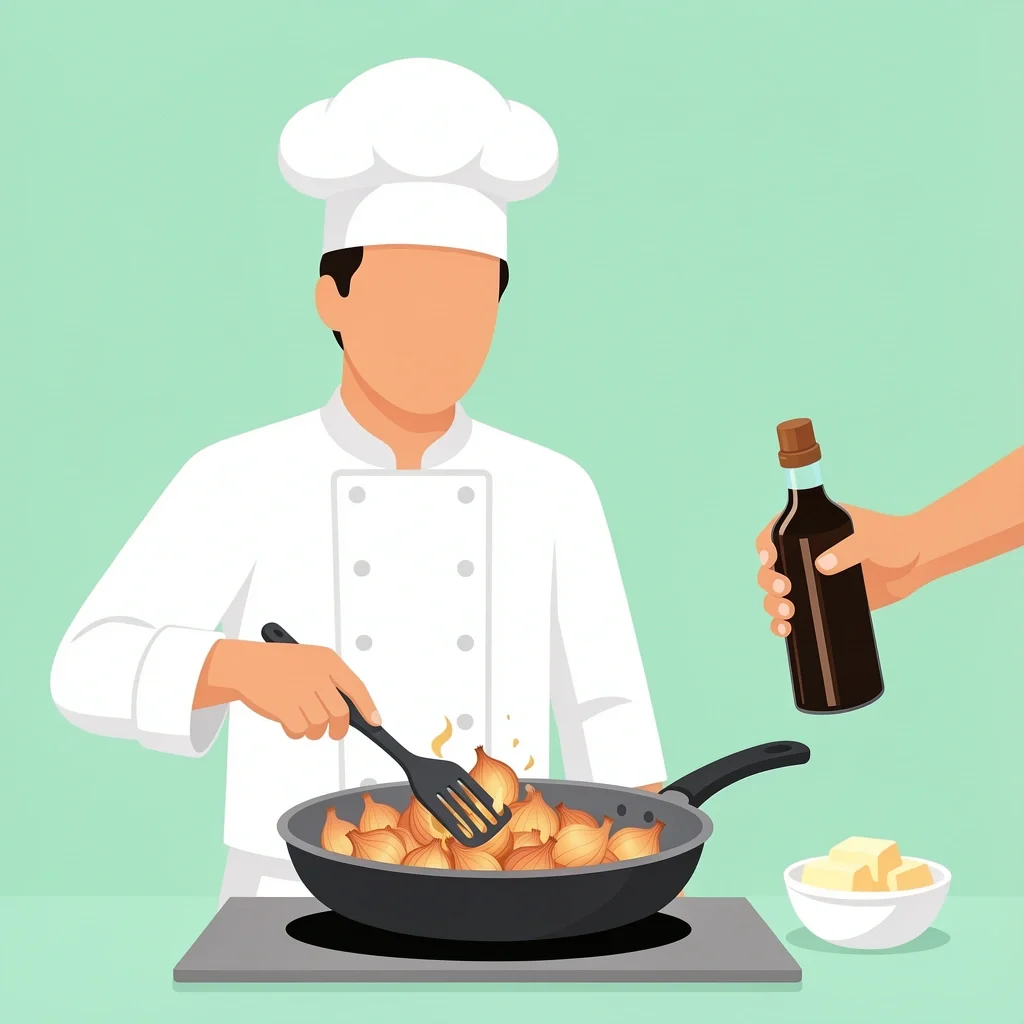
You own a non-stick skillet and do not want to buy a new pan. I understand. Here is how to make a pan sauce in a non-stick pan that still tastes good.
The trick is to replace the missing fond with other sources of flavor. You cannot get that deep brown crust, so you build flavor by browning aromatics and using concentrated ingredients.
Step 1: Sear the protein on higher heat than usual. Non-stick cannot handle super high heat (it damages the coating), but you can go to medium-high for a minute or two per side. You will get a little browning, just enough to add some flavor.
Step 2: After removing the protein, add more fat. Non-stick needs less fat for cooking, but for the sauce you want extra to help build flavor. Add butter or oil to the pan.
Step 3: Cook aromatics thoroughly. Shallots, garlic, or onion will brown and release flavor. Let them get golden – this is your main source of fond-like taste.
Step 4: Deglaze with something strong. Use wine, but also consider adding a splash of soy sauce, balsamic vinegar, or Worcestershire. These concentrated ingredients bring umami and depth that the missing fond would provide.
Step 5: Use a high-quality stock. Homemade or good store-bought stock adds body and flavor. Avoid low-sodium boxed stock – it is too thin. Reduce it well.
Step 6: Finish with butter and fresh herbs. The butter adds richness, and herbs like thyme or parsley add brightness. This helps cover any flatness in the sauce.
This method will not beat a stainless steel pan sauce, but it gets you 80% of the way there. For delicate fish or vegetables, non-stick can actually be better because the protein will not tear.
The Myth of the Expensive Pan
You do not need a high-end pan to make a great sauce. Price does not equal performance in this case. Here is a reality check on cost vs. effectiveness for pan sauces.
| Pan Type | Typical Price | Fond Quality | Best For |
|---|---|---|---|
| Cheap stainless steel | $20 – $40 | Good | Pan sauces, deglazing |
| Expensive stainless (All-Clad, etc.) | $100 – $200 | Excellent | All purpose, even heating |
| Non-stick (cheap or expensive) | $15 – $150 | Poor | Eggs, fish, not pan sauces |
| Cast iron | $20 – $60 | Good | Steaks, non-acidic sauces |
| Enameled cast iron | $50 – $300 | Good | Braising, creamy sauces |
The bottom line: a $25 Tramontina stainless steel skillet will outperform a $200 non-stick pan for pan sauces every time. Save your money for good wine or stock instead of an overpriced pan.
Frequently Asked Questions
Can I use a carbon steel wok?
Yes, if it is well-seasoned. Carbon steel behaves like cast iron – it builds fond well and holds heat. Avoid cooking acidic sauces for more than a minute or two, or the seasoning may strip. For quick pan sauces, it works great.
Do I need a lid to make a pan sauce?
No. A lid traps steam and prevents reduction. You want the liquid to evaporate and thicken, not stay watery. Cook the sauce uncovered so it reduces properly.
Can I make a pan sauce in an aluminum or copper pan?
Bare aluminum and copper react with acidic foods. They can give your sauce a metallic taste. If the pan is lined with stainless steel, it is safe. Otherwise, stick to stainless steel, cast iron, or enameled cast iron.
Can I make a pan sauce in an enameled cast iron pot?
Yes, especially for creamy sauces and braised pan sauces. The surface is non-reactive and holds heat. The dark interior makes it harder to see the fond color, so use a wooden spatula to feel for bubbles and stickiness. It is a great option for making sauce after browning a roast or chicken.

