 Reina
Reina As an Amazon Associate, I may earn a small commission from qualifying purchases at no extra cost to you. This helps me create more valuable, tested content for you.
There is no single size of saucepan that works for everyone. If you read most guides, they will tell you to buy a 3-quart pan. That is correct for a lot of people, but it misses the real question: what works for *you* and your kitchen.
I have used saucepans of every size over the years, from a tiny 1.5-quart for melting butter to a heavy 5-quart for big batches of chili. The right size depends on three things: how many people you cook for, what you cook most often, and the stove you cook on.
Here is a quick decision framework to get you started.
| Your Household | Recommended Size | Best For |
|---|---|---|
| 1 to 2 people | 2 to 3 quarts | Daily meals, small batches of sauce, reheating leftovers |
| 3 to 4 people | 3 to 4 quarts | Most recipes, pasta for the family, soups, rice |
| 5+ people | 4 quarts plus a second pan | Large batches, big pasta dinners, meal prep for the week |
If you are still unsure after that, read on. I will explain why these numbers work and when you should break the rule.
The 3-Quart Sweet Spot – and When to Ignore It
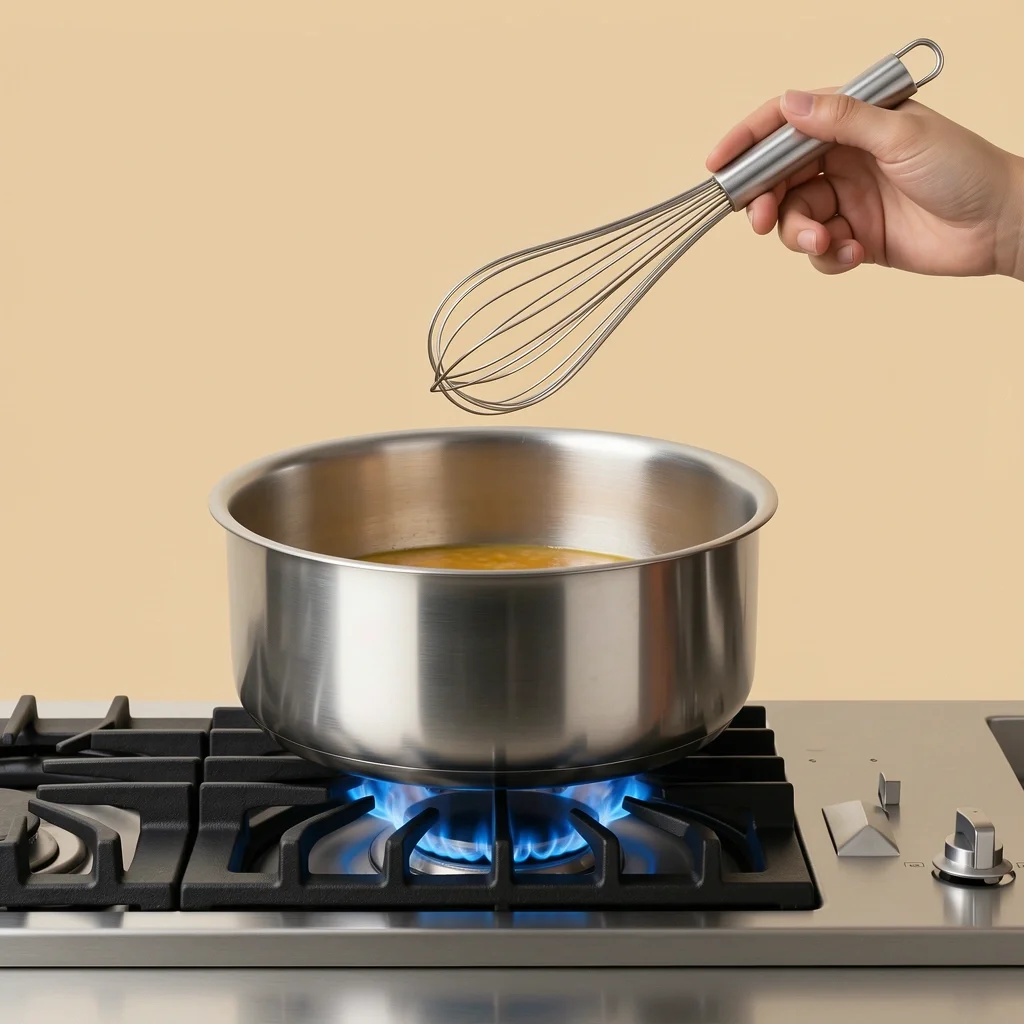
A 3-quart saucepan is the most versatile size for a reason. It can hold enough liquid to cook a full box of pasta (about 4 quarts of water, which fits in a 3-quart pan if you leave room for the pasta) and is big enough to make a decent pot of soup for two or three people. It is not too heavy to lift with one hand when full, and it fits on almost any standard stovetop burner.
But there are exceptions. If you live alone and only cook small portions, a 3-quart pan can feel oversized. You end up with more pan to heat, more surface area to clean, and more space for food to burn on the sides when you are just reheating a cup of soup.
On the other end, if you cook for a large family or like to make big batches of sauce to freeze, a 3-quart pan will force you to cook in smaller batches. That means more time and more cleanup.
Choosing by Household Size
The number of people you feed is the most straightforward way to narrow down your choice. Here is how it breaks down from my own kitchen experience.
1 to 2 People: 2-Quart or 3-Quart
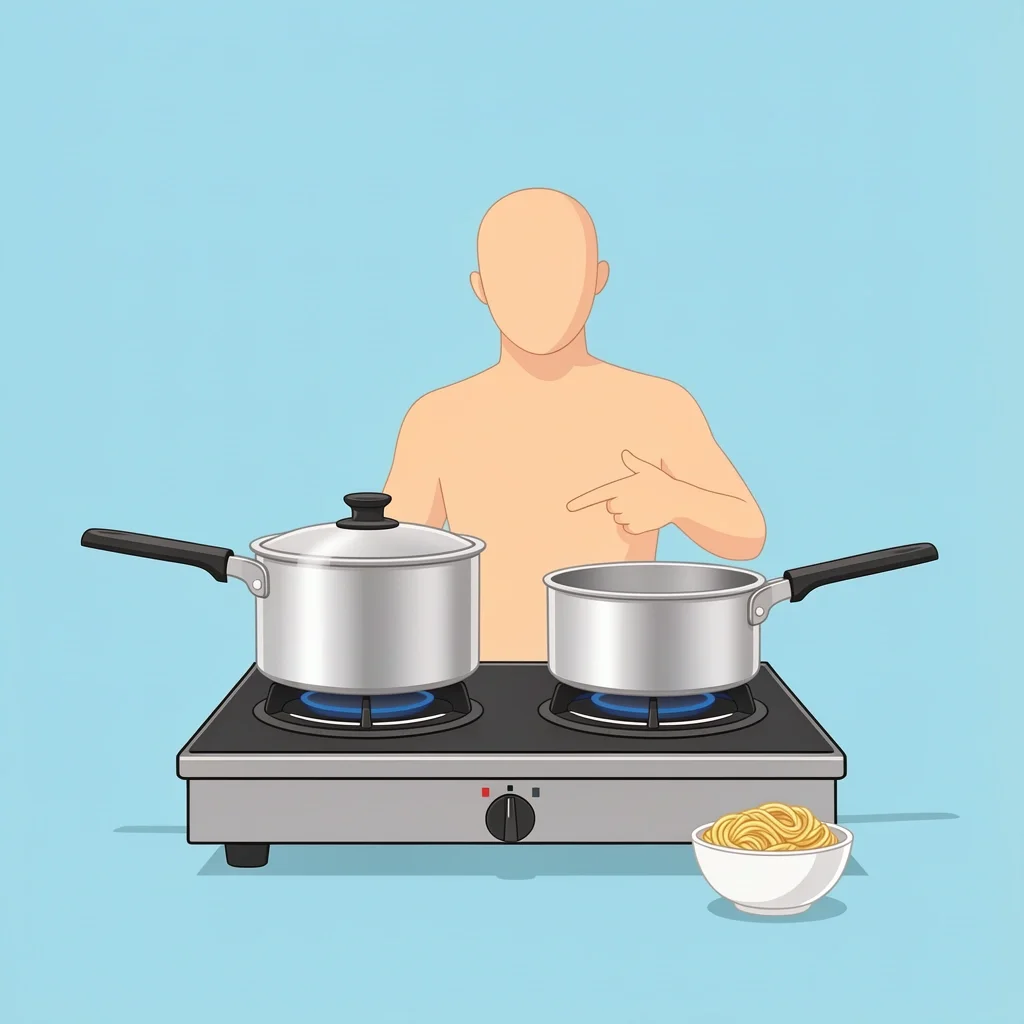
A 2-quart saucepan is my go-to for everyday cooking for one or two. It is perfect for making a single serving of oatmeal, heating a can of soup, or cooking a small amount of rice. I used one for years when I lived alone, and it rarely felt too small.
The catch is pasta. A 2-quart pan cannot hold enough water to cook a full box of spaghetti or macaroni without the water boiling over. If you eat pasta often, get a 3-quart pan instead. It is bigger, but it handles pasta without the mess.
3 to 4 People: 3-Quart or 4-Quart
For a family of three or four, a 3-quart pan is the baseline. It handles most weeknight meals: a pot of chili, a batch of rice for four people, or a simple pasta sauce. I have cooked countless dinners in a 3-quart pan for my family of three, and it works.
If you make heartier soups or stews, or if you like to cook big batches of grains like quinoa or farro, a 4-quart pan gives you the extra room you need. You avoid the panic of stirring a pot that is too full and sloshing hot liquid everywhere.
5+ People: 4-Quart Plus a Second Pan
Once you have five or more people, one saucepan is not enough. You either need a 5-quart stockpot for big tasks or a pair of saucepans: a 2-quart for sides and a 4-quart for the main dish. Trying to do everything with one 4-quart pan will leave you cooking in shifts, which defeats the purpose.
Matching Pan Size to Your Cooking Tasks
Not all cooking is the same. The best size for a sauce is different from the best size for pasta. Here is how I match the pan to the task.
Sauces and Reductions
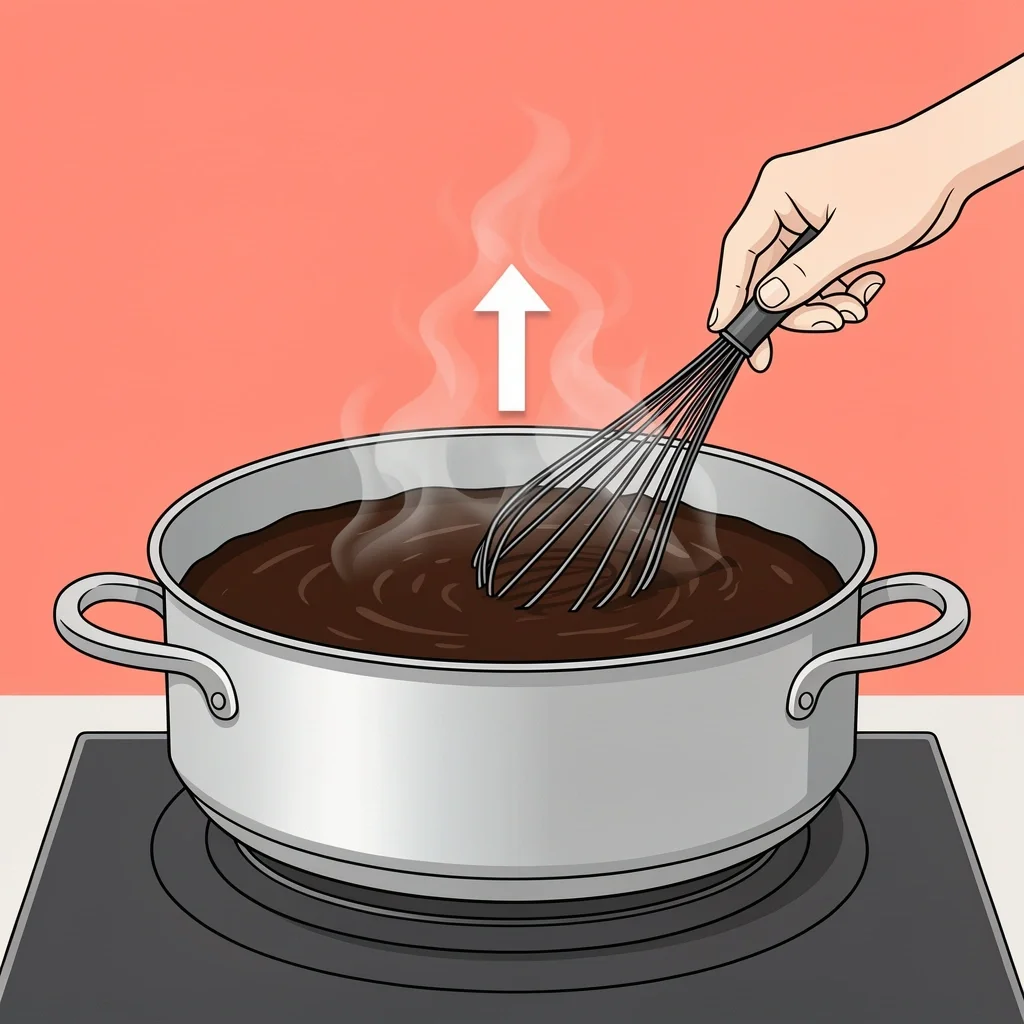
For sauces, you want a wider, shallower pan. A 3-quart pan with an 8-inch diameter is ideal. The wider surface area helps liquid evaporate faster, which is the whole point of reducing a sauce. A narrow, tall saucepan will take longer, and you will have to whisk harder to reach the corners.
I use a 3-quart saucier for most sauces because the sloped sides make whisking easier. If you only have a standard saucepan, the wider one is better than the tall, narrow one.
Boiling Pasta or Grains
Pasta needs a tall, narrow pan. A tall 3-quart or 4-quart pan keeps the water from boiling over and heats up faster because the water column is taller. The narrow shape also means less surface area for heat to escape.
For rice, the shape matters less, but you do not want a pan that is too wide. A wide pan with a small amount of rice will burn the grains before they cook through. A 2-quart or 3-quart pan with a tight-fitting lid works best.
Reheating Leftovers
This is the one task where a smaller pan wins. A 1.5-quart or 2-quart pan is perfect for reheating a single bowl of soup or chili. It heats up fast, uses less energy, and is easy to clean. Using a 4-quart pan for a cup of leftover chili is just inefficient.
Simmering Soups and Stews
For soups and stews, you need room for ingredients to swim. A 4-quart pan is the minimum for a decent pot of soup for four people. If you add vegetables, meat, and broth, a 3-quart pan will be too crowded, and the liquid will boil over the moment you stir.
Wider vs. Taller – The Shape Factor
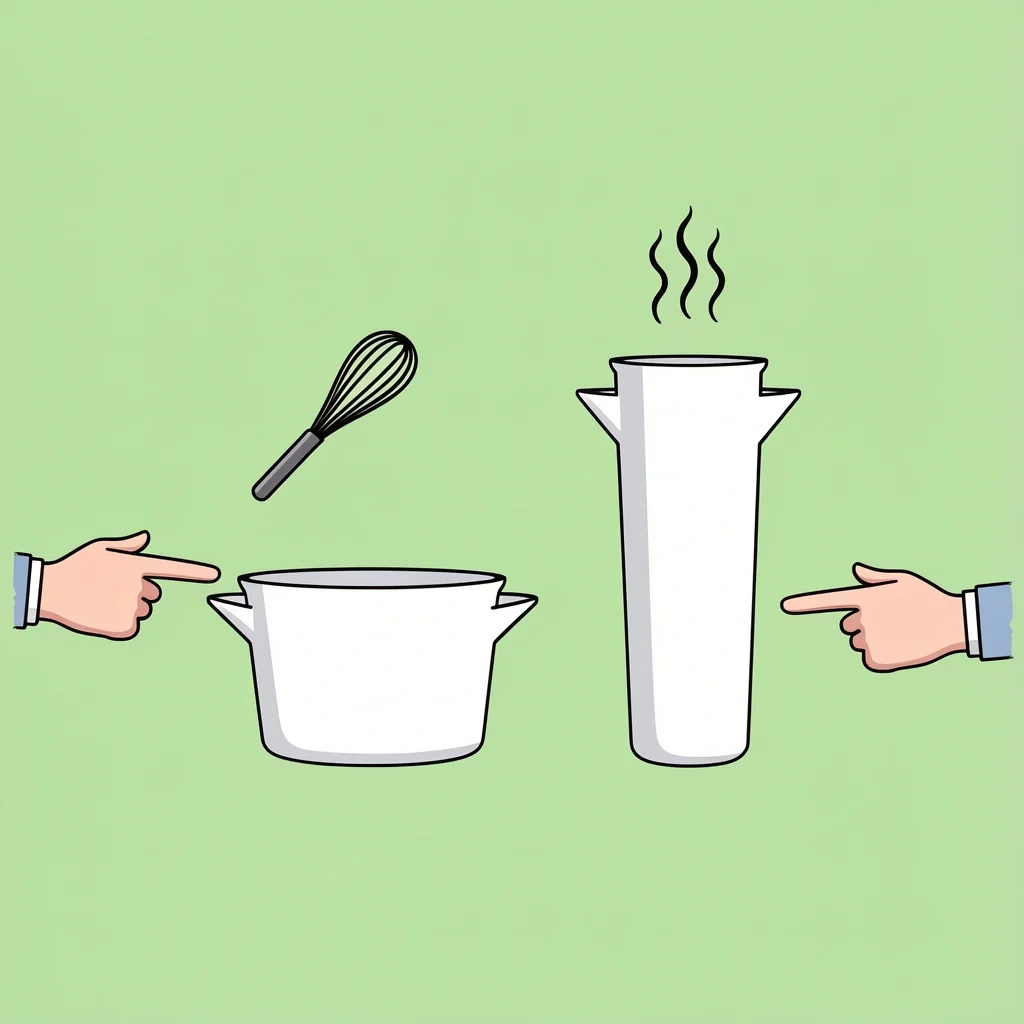
Two saucepans can both hold 3 quarts but look completely different. One is short and wide, the other is tall and narrow. Which one you need depends on how you cook.
A wide saucepan (8 to 9 inches in diameter) is better if you stir or whisk frequently. The wide opening gives you room to move a spoon or whisk without splashing. It is also easier to clean because you can reach the corners with a sponge.
A tall saucepan (narrower diameter, deeper sides) is better if you boil water often. The tall sides trap heat and reduce boil-overs. It also takes up less space on the stovetop, which matters if you have a small cooktop.
My rule of thumb: if you whisk often, choose wider. If you boil water constantly, choose taller.
Stove and Storage Constraints
The size of your stovetop and storage space matters more than most guides admit. A 4-quart saucepan with a wide base will not work well on a small burner.
Burner Size
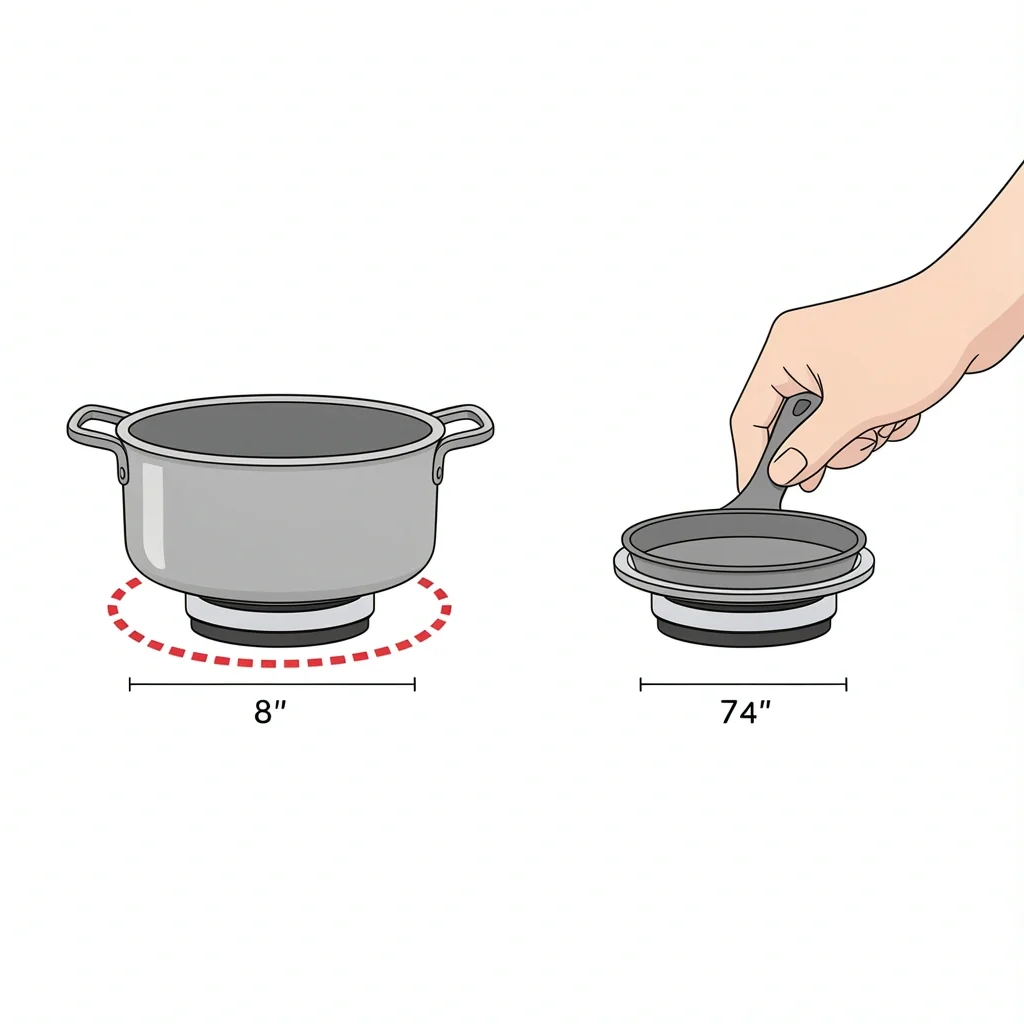
A standard gas or electric burner is about 6 to 7 inches across. A 4-quart saucepan with an 8-inch base will overhang that burner by about an inch on each side. The heat only reaches the area directly over the burner, so the edges of the pan stay cold. That causes uneven cooking and wasted energy.
If your burner is smaller than 6 inches, stick to a 2-quart or 3-quart pan with a base diameter of 7 inches or less. The pan will sit fully on the burner, and your food will cook evenly.
Storage Space
Standard cabinets are 24 inches deep. A 4-quart saucepan with a 9-inch handle sticks out about 13 inches from the cabinet front. That means the handle can catch on other pots or get knocked off when you close the door. Measure your cabinet depth before you buy a large saucepan.
Size Comparison Chart
This table gives you the typical dimensions and use cases for common saucepan sizes.
| Capacity | Diameter (approx.) | Depth (approx.) | Best Use |
|---|---|---|---|
| 1.5 quarts | 6 inches | 3.5 inches | Melting butter, small sauces, single servings of hot cereal |
| 2 quarts | 7 inches | 4 inches | Reheating leftovers, cooking rice for two, small batches of vegetables |
| 3 quarts | 8 inches | 4.5 inches | Most everyday cooking: pasta, soup, grains, sauces for 2–4 people |
| 4 quarts | 8.5 inches | 5 inches | Large batches of stew, chili, or soup; cooking for 3–5 people |
| 5 quarts | 9 inches | 5.5 inches | Big family dinners, stock, or when your stockpot is too large |
The Catch-22 of Size vs. Performance
Larger pans are not always better. A 4-quart pan weighs about 4 to 5 pounds empty. Filled with liquid, it is heavy and hard to pour. It also takes longer to preheat, which means you burn more energy and wait longer for your water to boil.
A smaller pan heats faster and is easier to handle. The trade-off is that it limits what you can cook. You have to decide which trade-off matters more for your daily cooking.
The rule I follow: the pan base should not extend more than 1 inch beyond the burner’s heating element on any side. If it does, the pan will heat unevenly, and you will regret using it.
Myth: Bigger Is Always Better
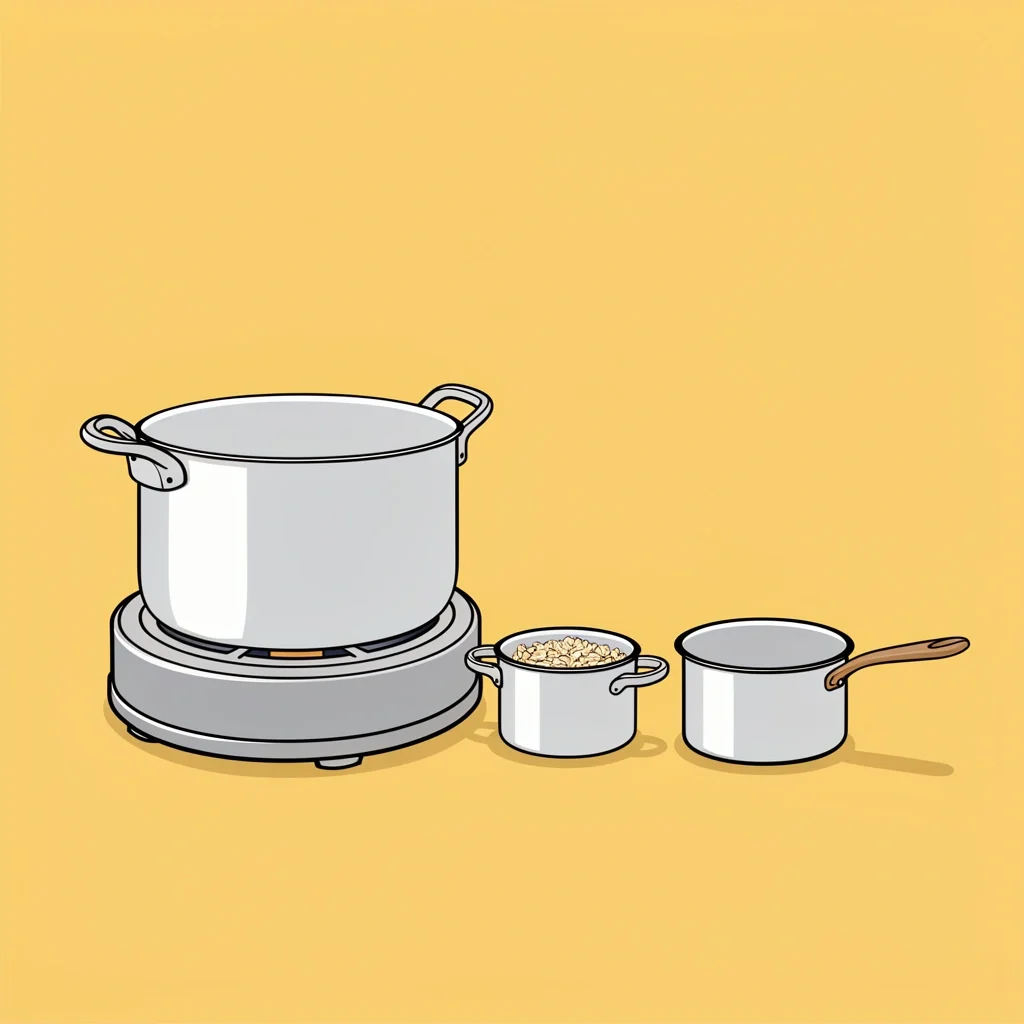
I hear this all the time from people who buy one large saucepan thinking it will do everything. It does not. A 4-quart pan is too big for a single serving of oatmeal, too heavy to pour easily, and too slow to heat for a quick sauce.
You are better off with two smaller pans than one giant one. A 2-quart and a 3-quart pan cover almost any task you will encounter in a typical home kitchen. That combination gives you the flexibility to cook a side dish and a main at the same time.
Frequently Asked Questions
What is the difference in size between a saucepan and a saucier?
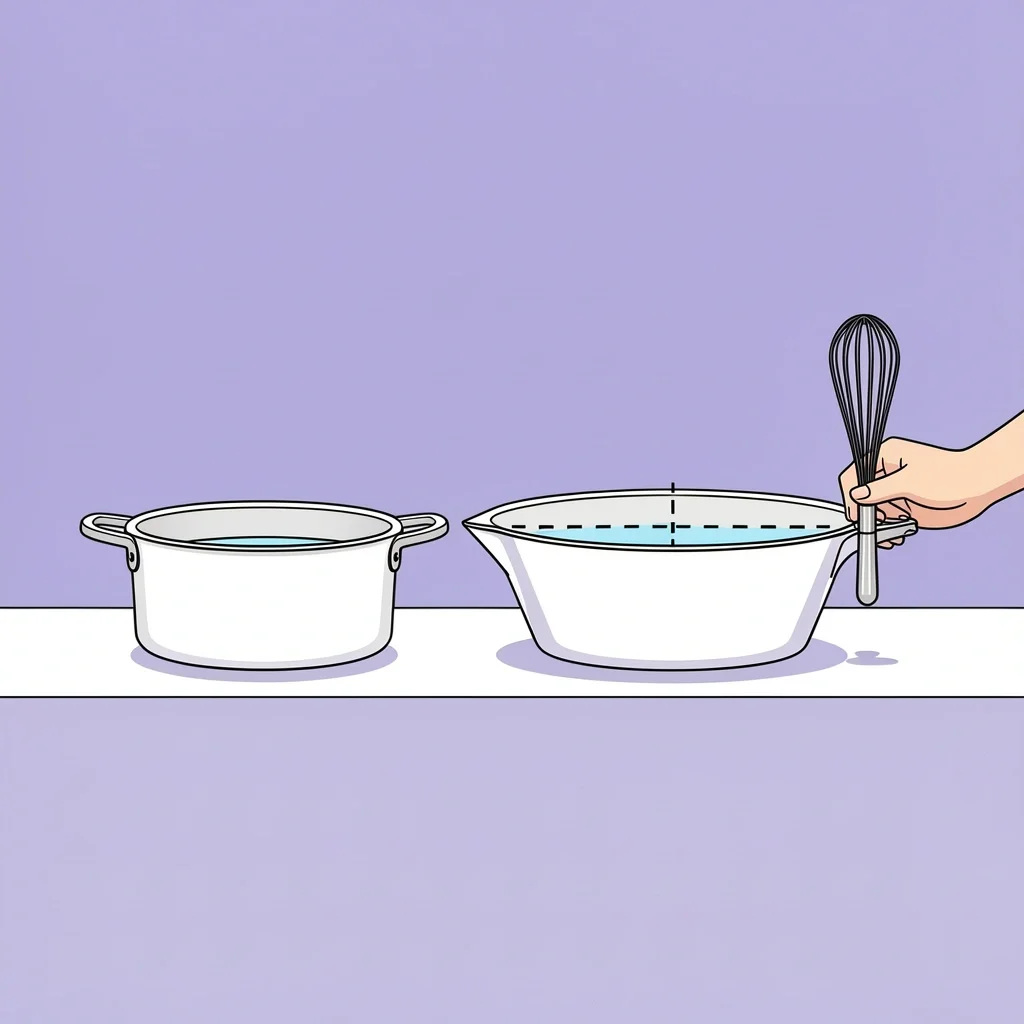
A saucier has sloped sides and a rounded bottom, which makes it easier to whisk. The same quart capacity in a saucier is shallower than in a standard saucepan. A 3-quart saucier usually has a wider diameter (about 8.5 inches) but less depth (about 4 inches). That means it is better for sauces but worse for boiling pasta because the water can boil over more easily.
Can I use a 2-quart saucepan to cook a full box of mac and cheese?
No. A standard box of macaroni needs about 3 quarts of water. A 2-quart pan cannot hold that much without boiling over. You will end up with sticky, undercooked pasta. Use a 3-quart pan at minimum.
Should I buy a set of saucepans or one all-purpose size?
For a single person or a couple, one 3-quart pan is enough. For a family of three or more, buy a 2-quart and a 4-quart set. That covers almost everything without having a bunch of pans you never use.
How do I measure saucepan diameter correctly?
Measure across the top rim from one lip to the opposite lip. Do not measure the base. The base is usually 1 to 1.5 inches smaller than the rim. That matters because the rim diameter is what determines whether the pan fits your burner.

