 Reina
Reina As an Amazon Associate, I may earn a small commission from qualifying purchases at no extra cost to you. This helps me create more valuable, tested content for you.
You walk away for one minute, and suddenly your favorite pan has a black, sticky layer of burnt sauce. I have been there more times than I can count. The fastest way to get burnt sauce off a pan depends on two things: what the sauce is made of and what your pan is made of. Sugar-based sauces like teriyaki or BBQ caramelize into a glass-like layer. Acidic sauces like tomato leave carbon and tannin stains. And non-stick pans cannot handle the same heat as stainless steel. Below is a decision-based guide, so you pick the right method the first time.
Step 1 – Assess the Burn
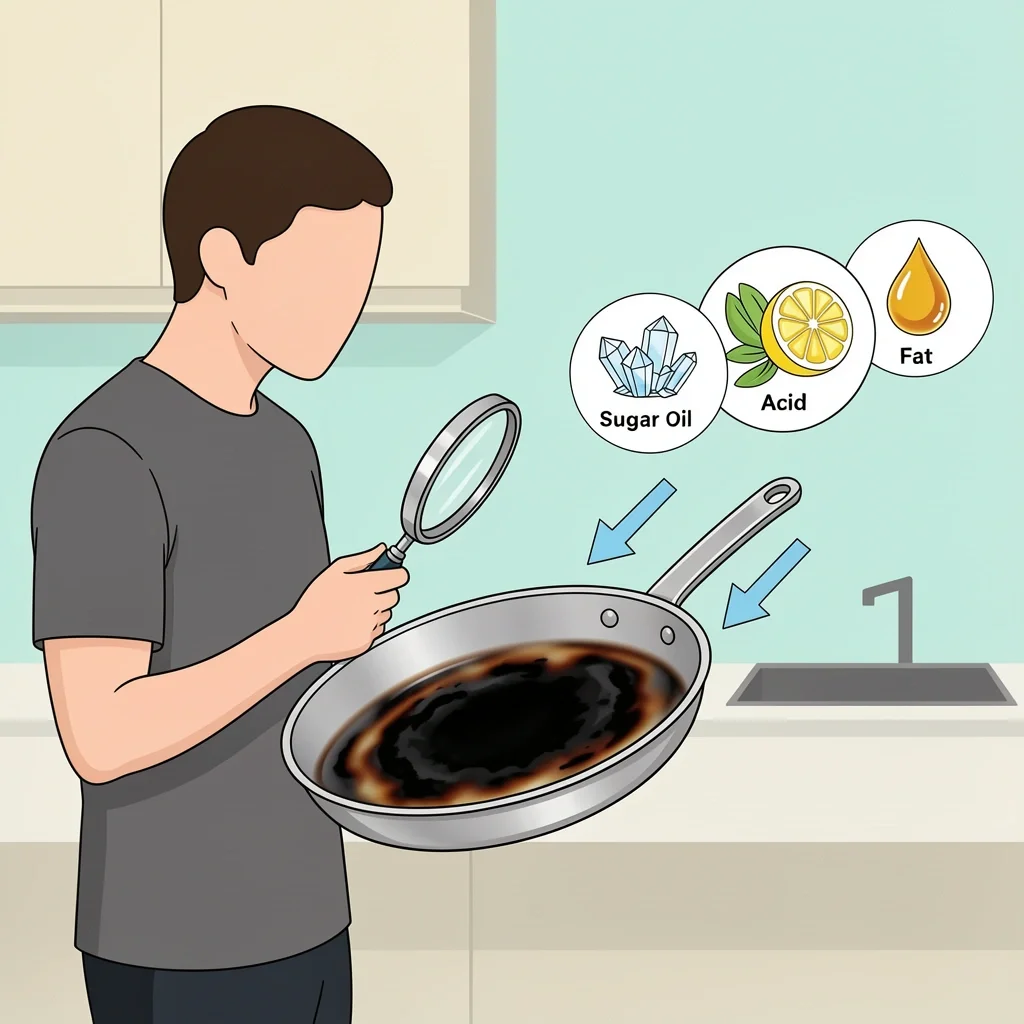
Look at the residue and know your pan. This takes thirty seconds and saves you failed attempts.
Sauce Type Visual Guide
- Sugary sauce (BBQ, teriyaki, jam, honey-based): Burned layer looks dark brown to black, glossy, hard, almost like plastic. It feels smooth when dry.
- Acidic sauce (tomato, vinegar-based, wine reduction): Burned layer is dark red-brown, matte, often leaves a pinkish stain. It feels rough and powdery.
- Fatty sauce (cream, oil-based, cheese): Burned layer is greasy, brown, and flakes off in patches.
Pan Material Check
| Pan Type | Heat Tolerance | Safe Methods |
|---|---|---|
| Stainless steel | High | Boiling, baking soda boil, vinegar soak, deglazing |
| Enameled cast iron | Medium-high | Soaking, baking soda paste, avoid rapid temperature changes |
| Cast iron (bare) | High | Salt scrub, vinegar soak only if reseasoning after; no baking soda boil |
| Non-stick | Low | Only warm soak + soft paste; no boiling, no metal scrapers |
| Glass or ceramic | Low | Overnight soak with detergent; no boiling water |
Step 2 – Choose Your Method
Based on your assessment, pick one of these three methods. Match the method to the sauce type and pan material.
Quick Deglaze for Light Burns
Works for: Any sauce type, light browning, not fully black. Safe for all pans except non-stick if heat is low.
Deglazing removes the first layer of burnt sauce that hasn’t bonded deeply. Pour a cup of water, broth, or wine into the hot pan. Use a wooden spatula to scrape the bottom while the liquid simmers for 2 to 3 minutes. Pour out the liquid and wash normally. I use this method for thin teriyaki stains that are not yet black.
Baking Soda Boil for Caramelized Sugar Sauces
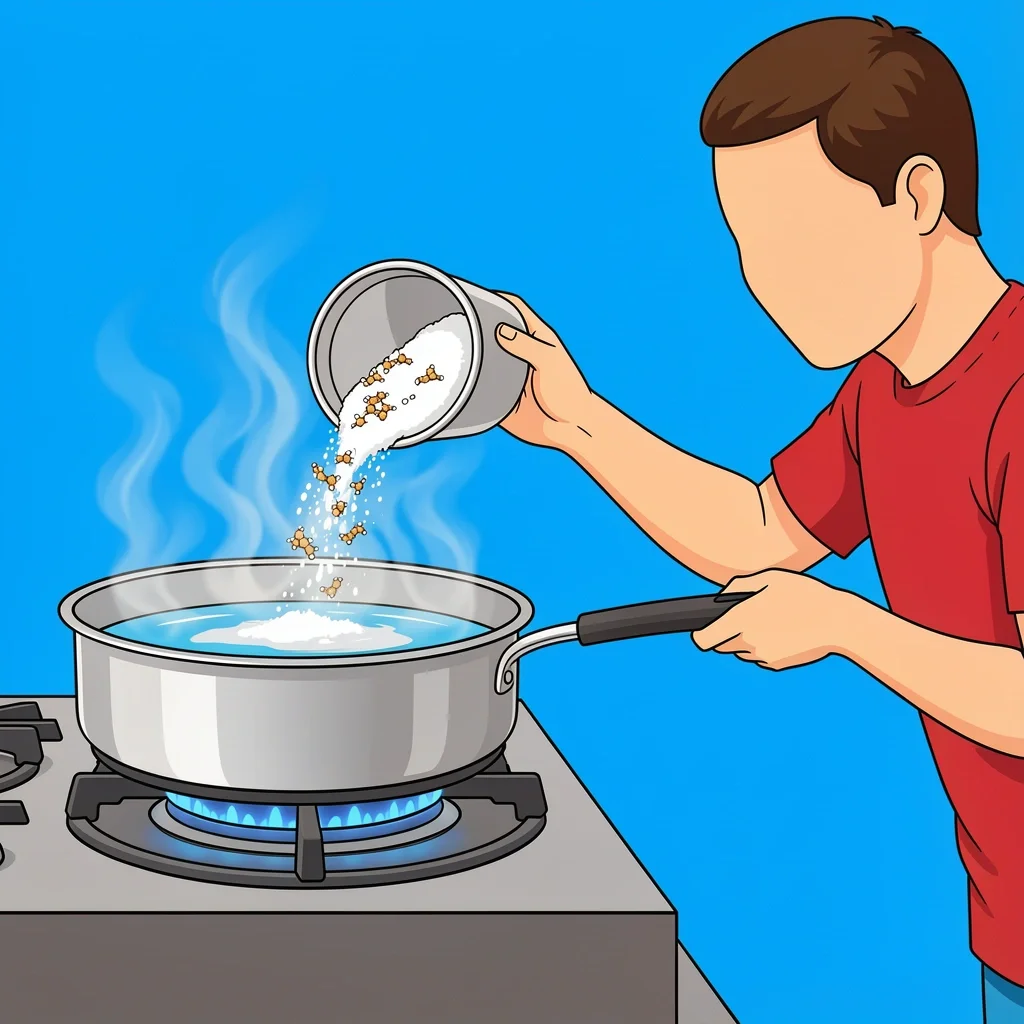
Works for: Sugary sauces that have turned into a hard, shiny layer. Only for stainless steel, enamel, or ceramic-coated steel (not non-stick or bare cast iron).
Baking soda is alkaline. It breaks down caramelized sugar bonds. Fill the pan with 2 to 3 inches of water. Add 1/4 cup of baking soda. Bring to a boil, then reduce to a simmer. Let it simmer for 15 minutes. Do not go over 15 minutes for sugar burns – longer can cause the dissolved sugar to re-stick. Turn off the heat and let it cool for 30 minutes. Scrub with a non-abrasive pad. The burnt layer should lift off easily.
Vinegar Soak for Acidic Tomato Stains
Works for: Tomato sauce, balsamic reduction, any acidic sauce that has left a dark stain. Safe for stainless steel, enamel, and glass. Not safe for bare cast iron unless you plan to reseason.
Acid needs acid to break it down. Fill the pan with equal parts white vinegar and water. Bring to a boil for 1 minute, then turn off the heat. Let it soak for 1 hour. The stain will fade, and the carbonized bits will loosen. Scrub with baking soda paste (mix baking soda with a few drops of water) if any dark spots remain. I have used this on old tomato stains that baking soda alone could not touch.
The Science of Burnt Sauce
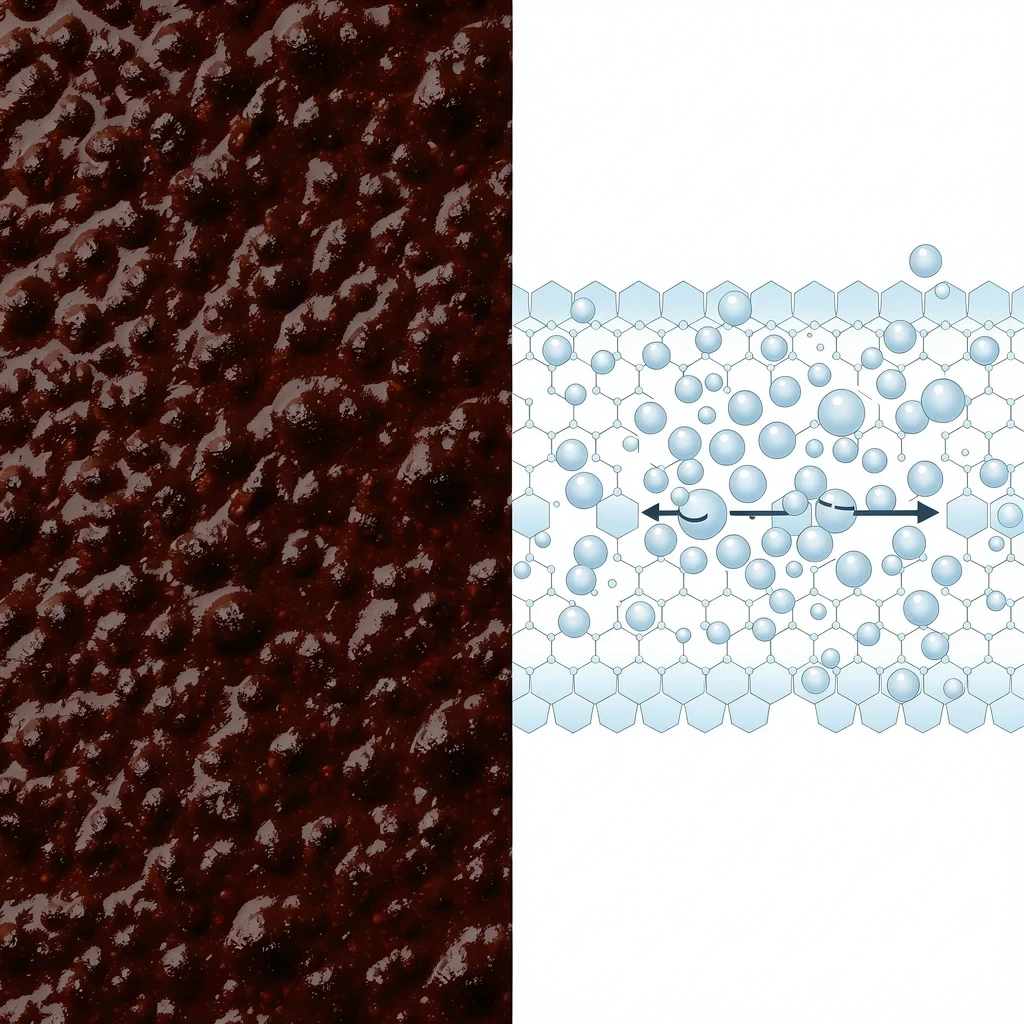
Understanding why sauce burns differently helps you adapt when the first method does not work perfectly.
When a sugary sauce burns, the sugar molecules break down and re-polymerize into a hard, waterproof layer that resists soap and water. Alkaline ingredients like baking soda break those polymer bonds. That is why baking soda works for BBQ or teriyaki burns.
When tomato-based sauce burns, the sugars caramelize, but the acids also create a tannin stain that binds to metal or enamel. Acidic ingredients like vinegar dissolve the tannin portion. This is why you need vinegar for tomato stains – not just baking soda.
One important note: mixing baking soda and vinegar together creates carbon dioxide gas and salt water. They neutralize each other. The fizz looks active, but it does no cleaning. Use them sequentially, not together. First boil with vinegar, then if needed, scrub with baking soda paste.
Step 3 – Execute the Clean
Follow these detailed steps for each method. Pay attention to timings and tools.
For Sugary Sauces (BBQ, Teriyaki, Jam)
- Pour out any loose food. Do not scrape hard.
- Add water to cover the burnt area by 1 inch.
- Add 1/4 cup baking soda per 2 cups of water.
- Bring to a boil, then reduce to a gentle simmer.
- Simmer for exactly 10 to 15 minutes. Shorter for thin burns, longer for thick.
- Turn off heat. Let it sit undisturbed until cool enough to touch (about 30 minutes).
- Drain water. Use a plastic scraper or wooden spatula to lift the softened residue.
- Wash with mild dish soap and a soft sponge.
If the residue remains, make a paste of baking soda and a little water. Spread it on the burnt spots and let it sit for 15 minutes. Scrub gently.
For Acidic Sauces (Tomato, Balsamic, Wine)
- Fill the pan with white vinegar and water in a 1:1 ratio. Enough to cover the stain.
- Bring to a boil for 1 minute. Do not let it boil dry.
- Turn off heat. Cover the pan with a lid.
- Let it soak for 1 hour. For heavy buildup, soak overnight.
- Pour out the vinegar water. Rinse with cold water.
- If black specks remain, use a baking soda paste and a soft sponge to scrub them off.
For Non-Stick Pans
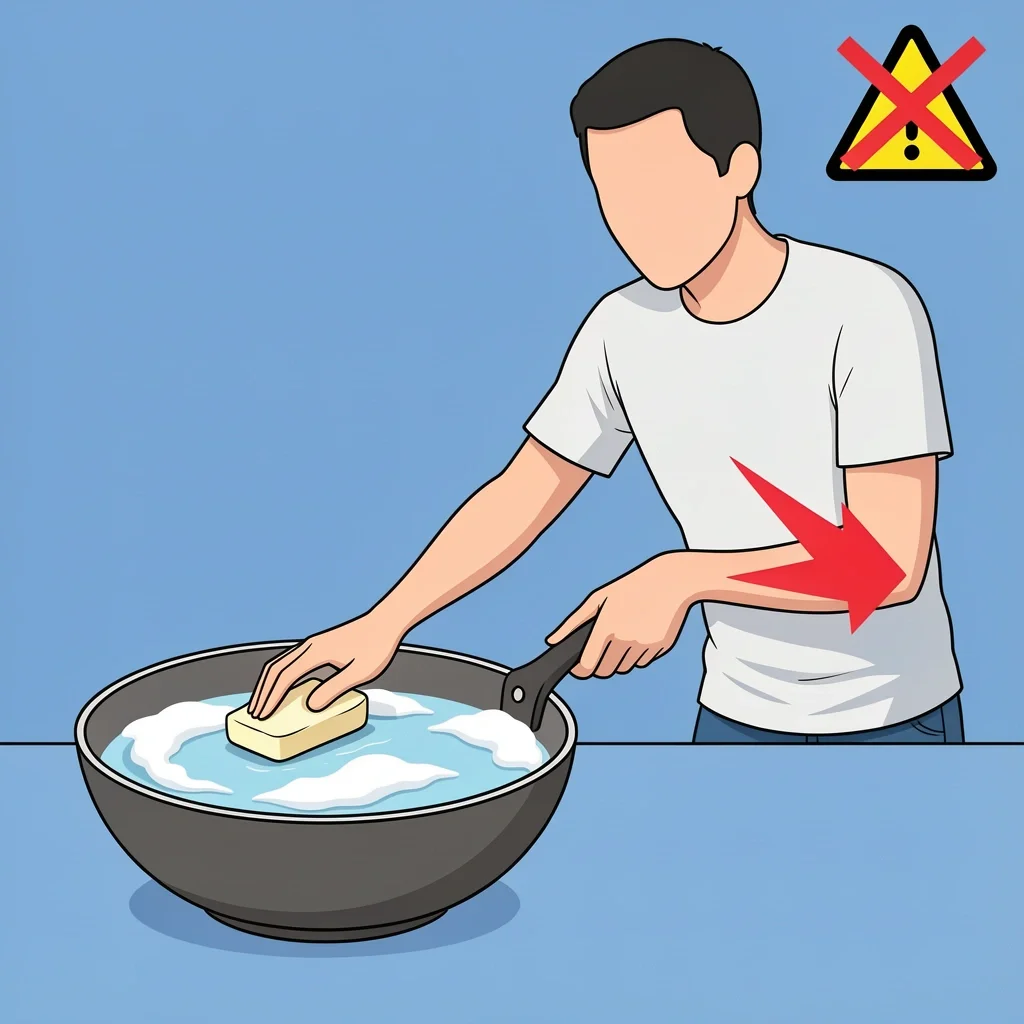
Non-stick coating is fragile. Never boil anything in a non-stick pan that has burnt sauce. The heat can degrade the coating and release toxic fumes. Instead, remove the pan from the burner. Fill it with warm soapy water. Let it soak for 30 minutes. Make a paste of baking soda and water. Apply the paste to the burnt areas. Let it sit for 15 minutes. Gently scrub with a soft sponge. If the burnt sauce does not come off, the coating is likely damaged. It is safer to replace the pan.
Step 4 – Handle Stubborn Residue
Sometimes one pass is not enough. Here are advanced tactics for sauce that will not budge.
Repeat the Boil
For sugary sauces, repeat the baking soda boil up to three times. Between each round, scrape off what has loosened. The residue will be thinner each time.
Baking Soda Paste Left Overnight
For both sugar and acid residue, make a thick paste of baking soda and water. Spread it over the burnt area. Cover with plastic wrap to keep it moist. Let it sit overnight. The next morning, scrape and wash. This works well for glass baking dishes with burnt BBQ sauce.
Lemon and Salt Scrub
Cut a lemon in half. Dip the cut side in coarse salt. Scrub the burnt spots on stainless steel. The acid and abrasion remove light carbonized sauce. Not safe for non-stick or enamel.
Dishwasher Tablet Soak
Drop one dishwasher tablet (like Cascade or Finish) into the pan. Add hot water to cover. Let it soak for 2 hours or overnight. This works for enamel and glass pans. Do not use for non-stick or cast iron. The enzymes break down burnt food.
Mythbusting Common Cleaning Mistakes
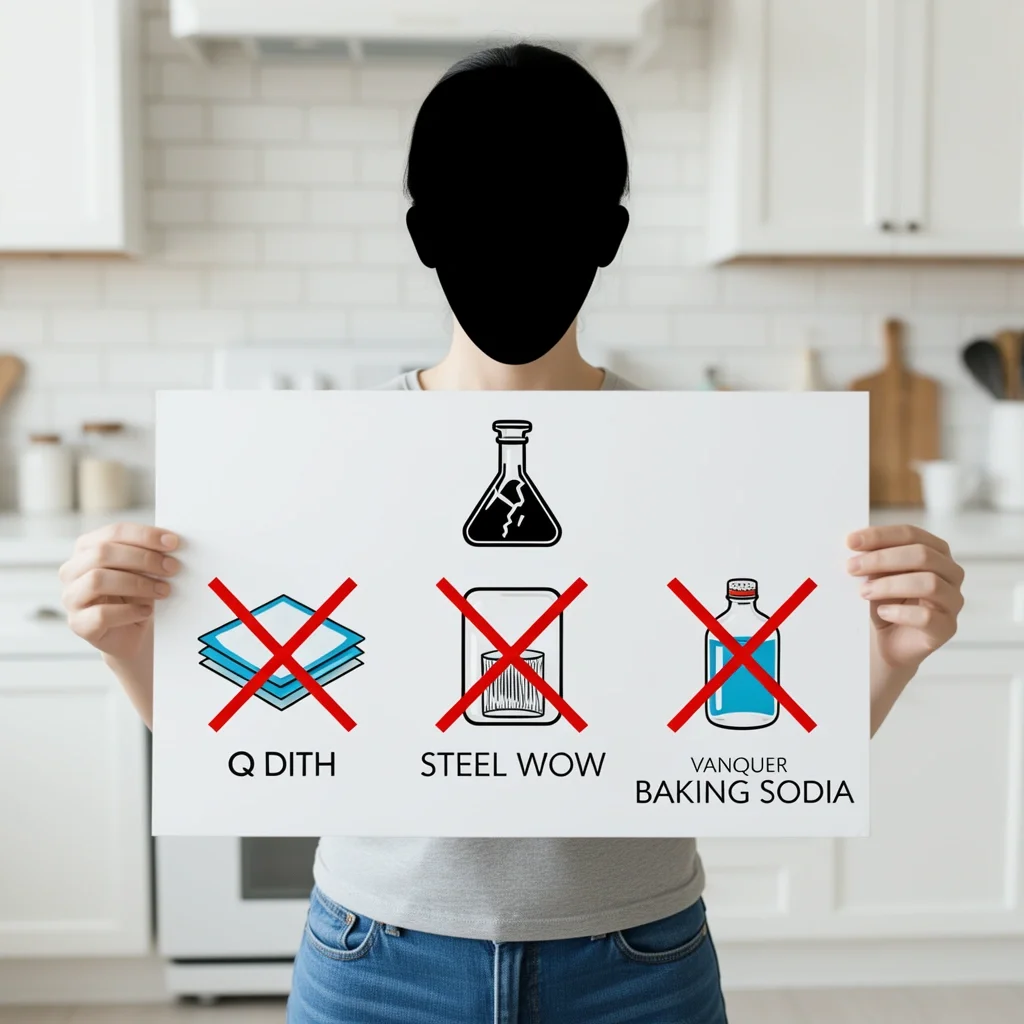
Many online tips are misleading or dangerous. Here is what I have learned from experience.
- Myth: Baking soda and vinegar together make a super cleaner. Reality: They react to form salt water and carbon dioxide. The fizz looks impressive but does no cleaning. You waste both ingredients. Use them separately.
- Myth: Dryer sheets remove burnt food. Reality: Dryer sheets contain fabric softeners and fragrances that leave a chemical residue on your cookware. Some people claim they work because the heat and water loosen the food, not because of the sheet itself. The chemicals are not food safe. Skip this.
- Myth: Steel wool safely scrubs burnt sauce. Reality: Steel wool scratches stainless steel and ruins the surface of non-stick and enamel. It can cause food to stick more in the future. Always use a non-abrasive pad (blue Scotch-Brite) or a plastic scraper.
- Myth: Boiling an empty pan burns off the residue. Reality: Boiling an empty pan warps the metal. It does not remove burnt food. It only hardens the residue further. Always add liquid.
- Myth: Burnt sauce makes a pan unsafe forever. Reality: For stainless steel and enamel, thorough cleaning returns the pan to safe cooking condition. For non-stick, if the coating is scratched, flaking, or permanently stained, it is best to replace the pan. But a one-time burn on stainless steel is fine once cleaned.
Restore and Prevent
After you remove the burnt sauce, restore the pan if needed, and take steps to avoid a repeat.
Cast Iron Reseasoning
If you used a vinegar soak or any acidic method on bare cast iron, you stripped the seasoning. Wash the pan well. Dry it immediately. Rub a thin layer of vegetable oil all over the surface. Bake it upside down in a 375°F oven for 1 hour. Let it cool in the oven. This rebuilds the non-stick layer.
Stainless Steel Polish
Baking soda residue can leave a white film on stainless steel. Wipe the pan with a little white vinegar on a cloth after cleaning. Rinse and dry immediately. This restores the shine.
Test Non-Stick Integrity
After cleaning, look at the non-stick surface. If you see scratches, dark spots that will not wash off, or any flaking, the coating is compromised. Teflon particles can flake into food. Replace the pan.
Prevention Tips
- Set a timer when cooking sauces. I use the timer on my phone every time.
- Use medium or low heat for sugary sauces. High heat caramelizes too fast.
- Add a little water or broth early in the cooking process to prevent sauce from drying out.
- Stir frequently, especially if the sauce is thick.
- If you step away, turn the heat to low.
Frequently Asked Questions
Can I use this method on a non-stick pan?
Avoid the boiling method because heat can damage the coating. Instead, soak with warm soapy water and use a paste of baking soda and water (no heat). If burnt sauce has bonded to the coating, the pan may need replacement. Do not scrub with anything abrasive.
How do I get burnt BBQ sauce off a glass baking dish?
Glass is prone to thermal shock – never pour boiling water into a cold dish. Soak overnight with dishwasher detergent and hot tap water. Then scrub with a non-abrasive pad. Stubborn spots: make a paste of baking soda and water, let it sit, then scrub.
Is it safe to cook in a pan that has burnt sauce residue?
If the residue is only carbonized food (black char), it is not toxic but can impart a bitter taste and may harbor bacteria if porous. For stainless steel, thorough cleaning makes it safe. For non-stick, if the coating is scratched or flaking, discard the pan because chemicals can leach into food.
What if I don’t have baking soda?
Alternatives: coarse salt mixed with a little oil as a scrub for stainless steel. Vinegar soak alone works for tomato stains. A cut lemon half dipped in salt can be used as a scrubber for stainless steel and ceramic. A dishwasher tablet dissolved in hot water works for enamel and glass. Avoid using abrasive powders like Comet – they scratch.
How long should I soak a burnt pan in vinegar?
For tomato-based sauce stains, 1 hour is usually enough. For heavy buildup, you can soak overnight. Do not boil vinegar for longer than 1 minute, or the smell becomes overwhelming. Warm vinegar works better than cold.
Why did my pan turn black after boiling baking soda?
If your pan developed dark spots during the baking soda boil, it is likely oxidization of the metal or the release of previously burnt-on carbon. Usually it wipes off with a little vinegar. If it does not, the pan may have had a thin layer of oil that polymerized. It is not harmful but can be unsightly. Clean with a stainless steel cleaner.

