Reina
Reina 
As an Amazon Associate, I may earn a small commission from qualifying purchases at no extra cost to you. This helps me create more valuable, tested content for you.
After hundreds of shots dialing in everything from dark Italian roasts to light single‑origin Ethiopians, I can tell you straight: stepless grinders give you the control to land on a exact grind size without wasted shots.
Stepped grinders still have a place, but only if you brew the same beans every day or use a grinder with micro‑steps fine enough to chase a moving sweet spot.
Let me walk you through the real‑world numbers and workflow so you can decide which fits your counter.
What Dialing In Actually Demands from Your Grinder
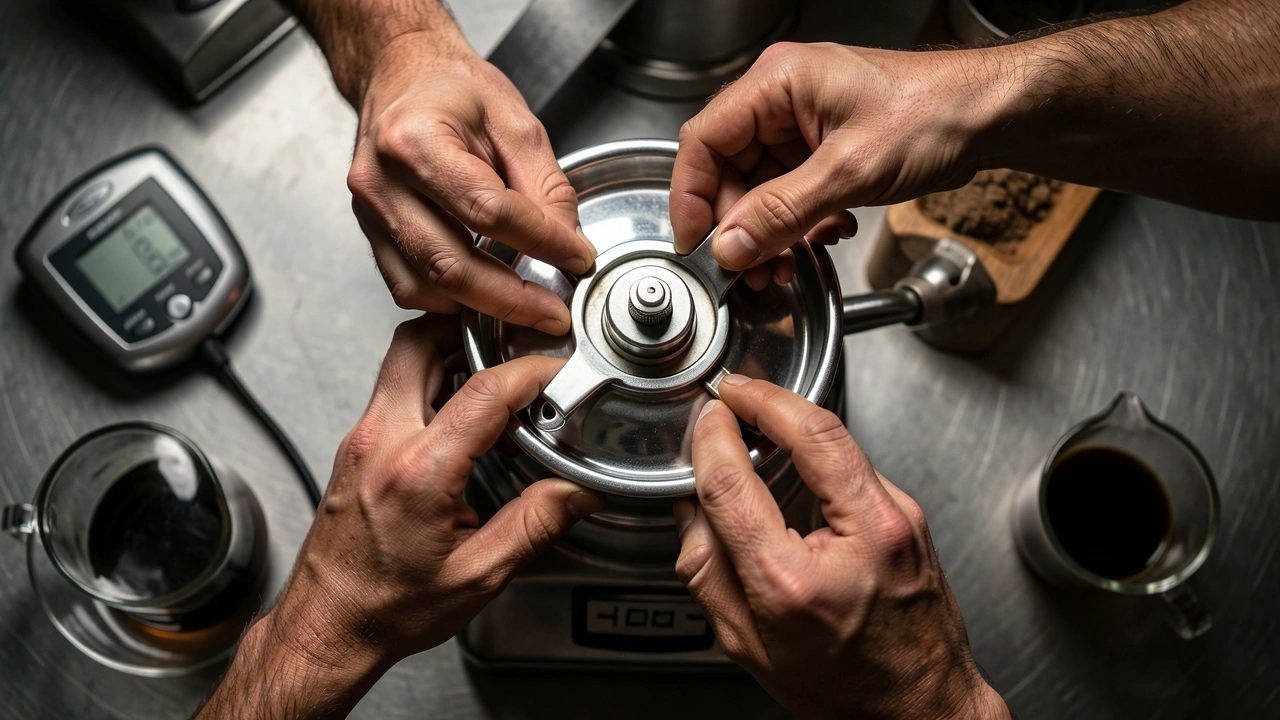
Dialing in is a loop: pull a shot, taste, adjust grinder, pull again. The goal is to hit a specific extraction yield (often 18–22%) and a balanced flavor.
Every time you change the grind size, the extraction time shifts. A 2‑second difference can make a shot sour or bitter.
The grinder’s adjustment mechanism determines how many iterations you need and how much coffee you waste.
Here’s the key fact most articles skip: the finest adjustment increment your grinder allows is directly tied to the thread pitch or step mechanism.
A typical stepped espresso grinder moves 12–20 microns per click. That’s the gap you have to work with. A stepless grinder can shift by 2–5 microns per degree of rotation.
The Role of Micron Increments
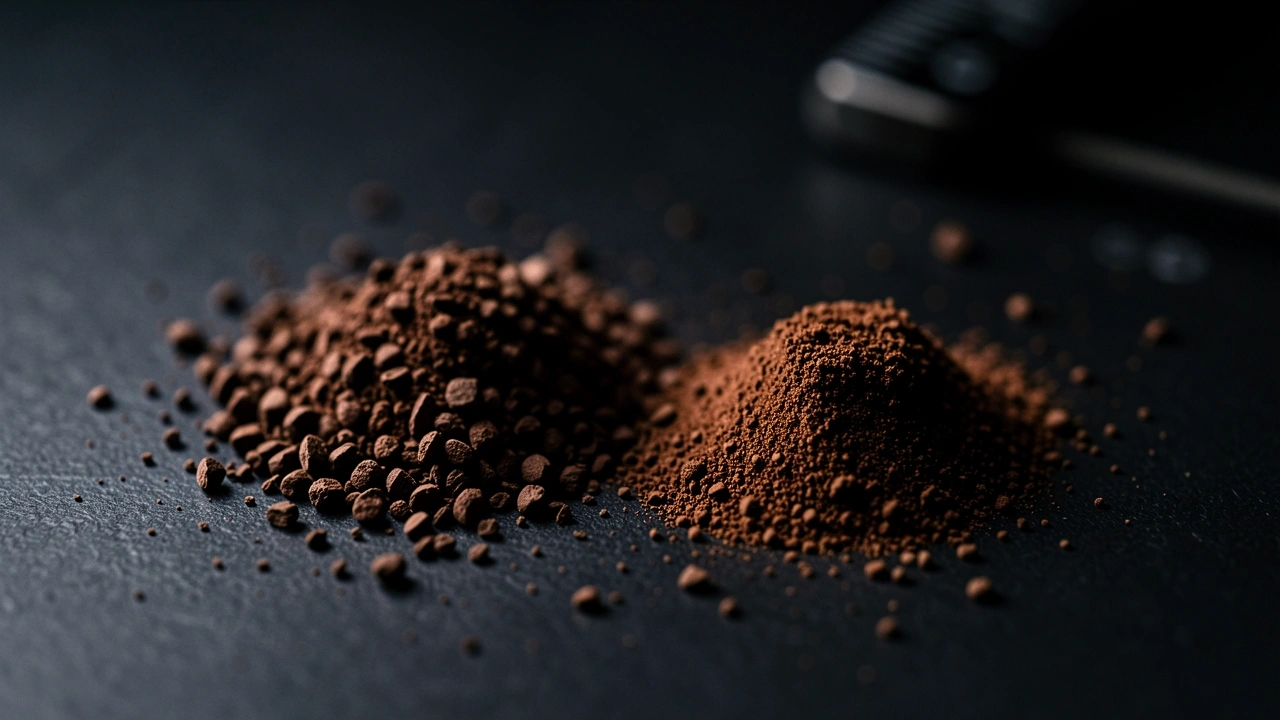
Think about what a 15‑micron step means. For most espresso machines, a 15‑micron change alters shot time by about 3–4 seconds.
If your ideal shot is 28 seconds and you’re currently at 24 seconds, you need a finer grind. But the next click might put you at 20 seconds – too fast.
You either accept the sub‑optimal result or start adjusting dose.
I’ve seen this firsthand. On a stepped grinder, I once missed the sweet spot for a washed Kenyan coffee by exactly one click.
I ended up lowering the dose by 0.5 g to compensate, which changed the body and flavor profile. It worked, but it took three extra shots to find the right dose adjustment.
With a stepless grinder, I would have turned the collar a few degrees and pulled a second shot at the exact grind size.
Stepped Grinders – The Dial‑In Workflow Breakdown
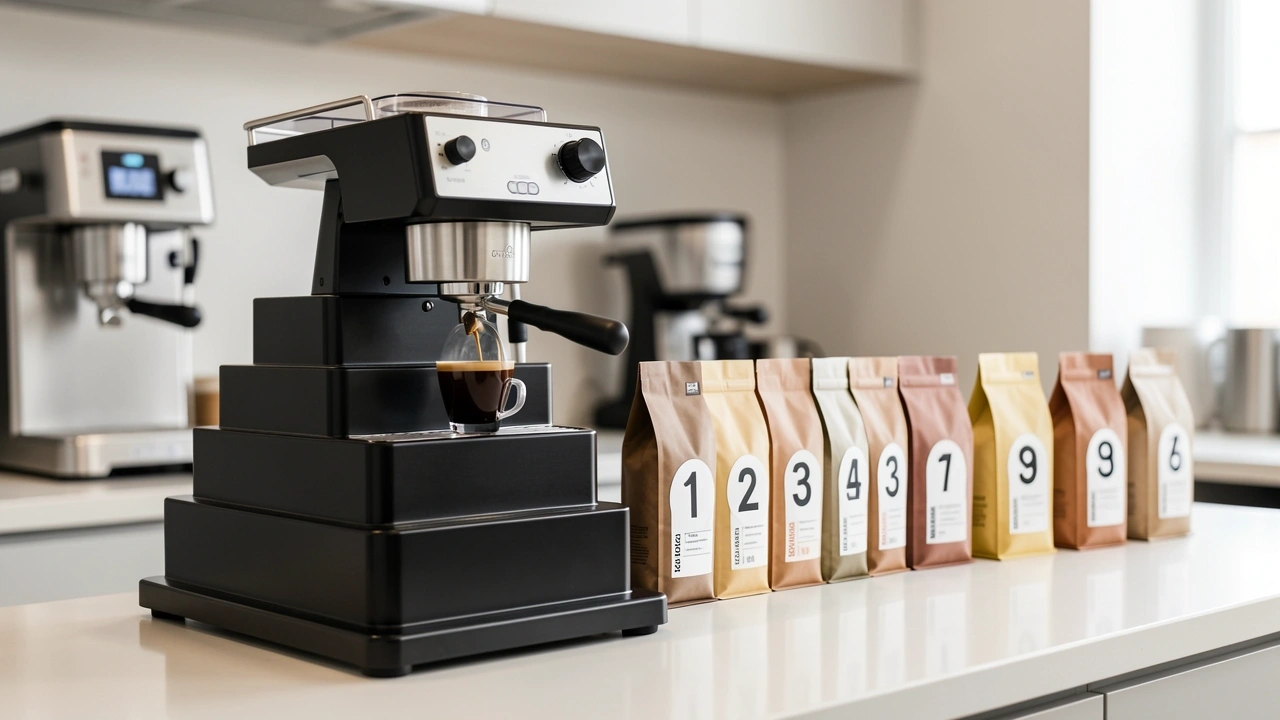
Stepped grinders lock into preset positions. You hear a click, and the burrs move a fixed distance.
This makes switching between brew methods easy – I can go from drip to espresso and back without counting rotations. But for dialing in espresso, the limitation shows fast.
Where stepped works well: If you stick to one roast level (say, a medium‑dark blend) and use a grinder with very fine steps (e.g., 10 μm per click), you can dial in with minimal waste.
The Baratza Sette 270, for example, uses a stepped macro ring and a stepless micro ring – a hybrid that blurs the line.
The waste you can expect: Assuming a typical 12–15 μm step, you’ll likely need 5 to 7 shots to find a workable grind and then maybe 2 more shots to adjust dose.
That’s about 70 g of coffee wasted. With a stepless approach, I’ve done it in 3 to 4 shots (40 g waste).
Stepless Grinders – The Dial‑In Workflow Breakdown
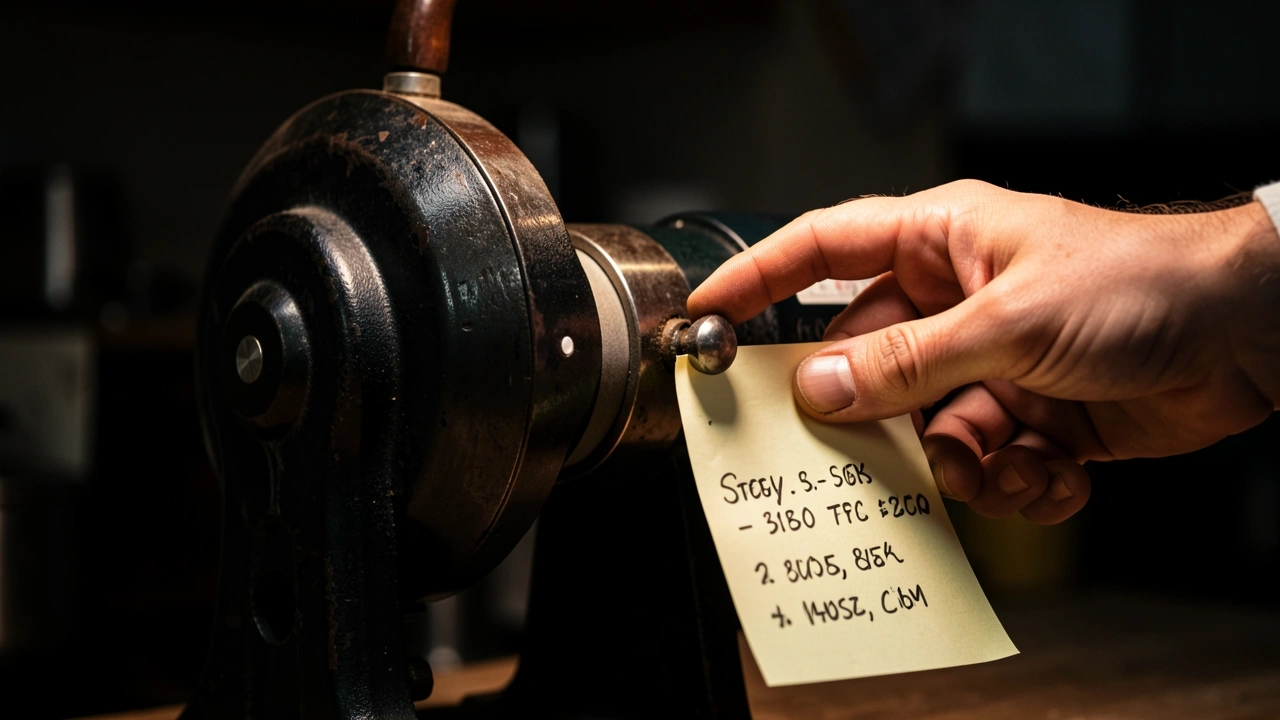
A stepless grinder uses a continuous threaded collar. You turn it smoothly, with no clicks. Every tiny rotation changes the grind by a fraction of a micron.
This lets you dial in exactly the extraction time you want.
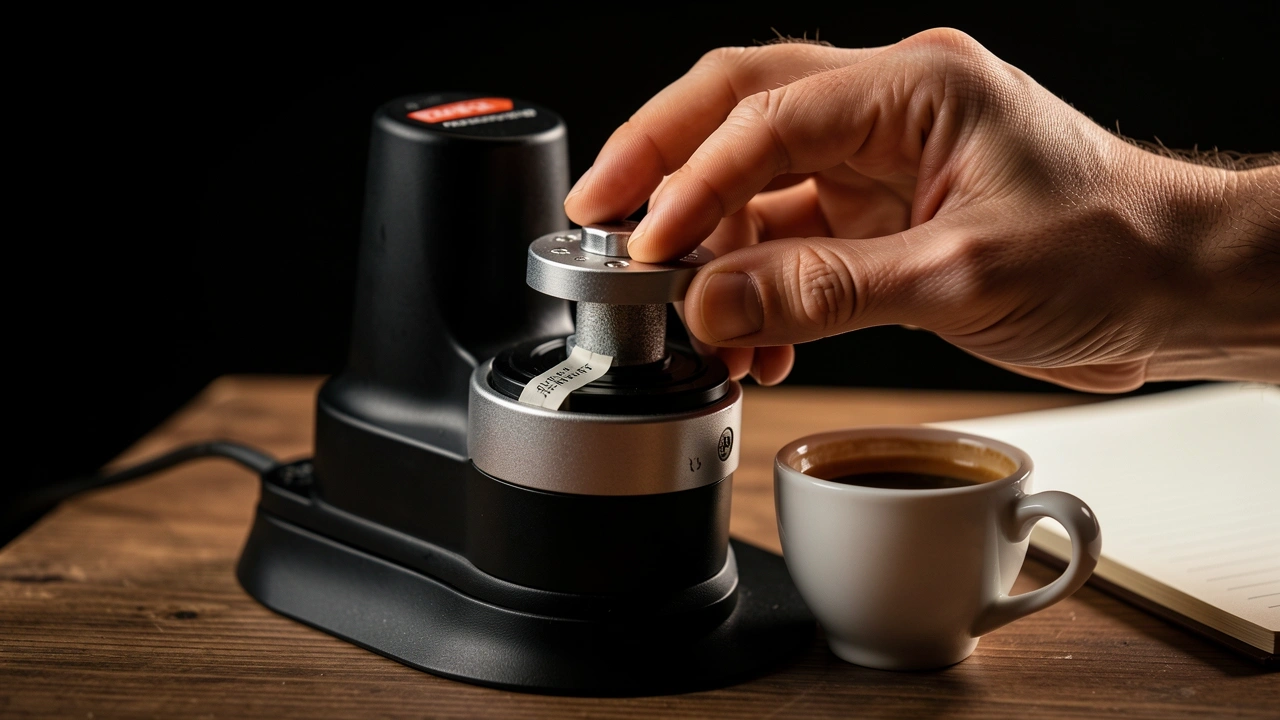
My personal method: I mark a reference line on the collar with a silver Sharpie.
Then I pull a shot at that position, note the time, and turn the collar by a small angle (say, 5 degrees) for the next shot. I track positions on a sticky note next to the grinder.
Within three shots, I usually have the grind dialed to within 1 second of my target.
The learning curve: At first, I over‑adjusted – turning too far and overshooting the sweet spot.
Over‑adjusting with a stepless can waste more shots than a stepped grinder because there are no visual cues.
But after a few batches, you learn how much turn changes shot time by one second (on my grinder, about 8 degrees of rotation equals 1 second).
The Micron Math – Why Stepless Saves Coffee
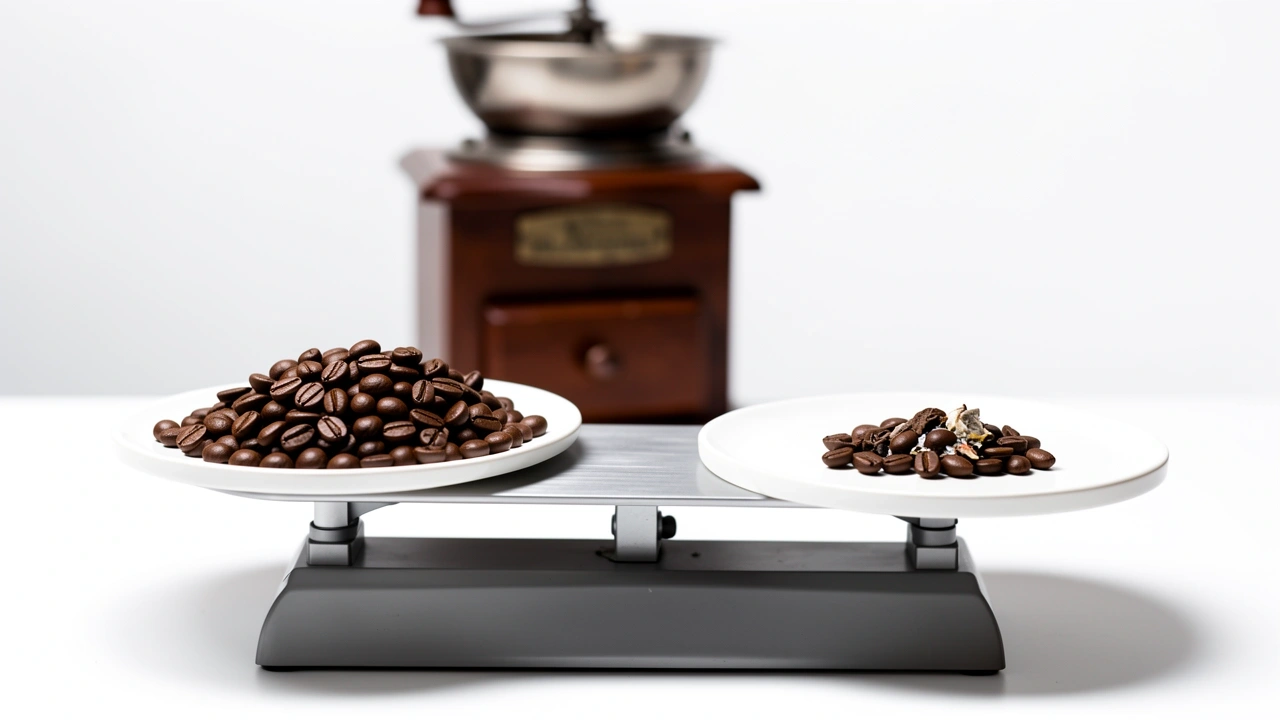
Let’s put numbers on it. Common stepped espresso grinders:
- Eureka Mignon (stock stepped version) – ~15 μm per click
- Baratza Vario (stepped macro) – ~20 μm per click
- Rancilio Rocky – ~12 μm per click
Common stepless grinders:
- Mahlkönig K30 (thread pitch ~3 μm per degree)
- Mazzer Mini (stepless collar) – ~4 μm per degree
- Fellow Ode (stepless, with numbered markings) – ~5 μm per degree
Estimate how many missed “solutions” exist. If your ideal grind size is exactly 14 μm finer than your current click, you cannot hit it. You either go one step (12 μm) or two steps (24 μm).
With a stepless grinder, you can hit 14 μm directly.
Real Efficiency Test – Stepped vs. Stepless (Actual Shots)
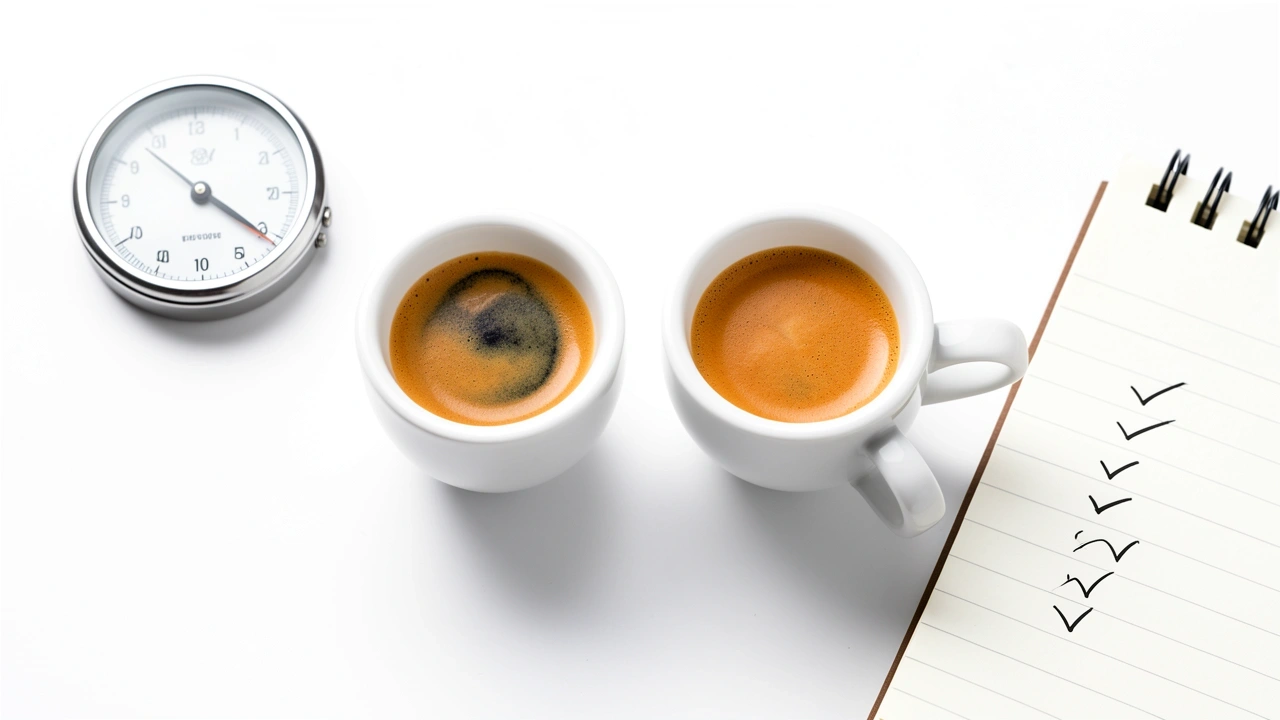
I tested this with a friend using a stepped grinder (15 μm steps) and my stepless grinder. Both of us started with a fresh bag of light roast Ethiopian. Here’s what happened:
| Round | Stepped (shots to dial) | Stepless (shots to dial) |
|---|---|---|
| Initial guess | 1 shot – 18 seconds (too fast) | 1 shot – 18 seconds (too fast) |
| First adjustment | 2 shots – 24 seconds (one click finer) | 1 shot – 22 seconds (small turn) |
| Second adjustment | 2 shots – 21 seconds (too fine, back one) | 1 shot – 27 seconds (slightly finer) |
| Third adjustment | 1 shot – 26 seconds (compromise with dose) | 1 shot – 28 seconds (perfect) |
| Total shots | 6 shots used | 4 shots used |
| Waste | ~84 g | ~56 g |
The stepped user ended up at 26 seconds and 0.2 g less dose. The stepless user hit the exact target. That’s 30 g of coffee saved – about two days of shots.
Common Myths About Stepless vs. Stepped for Dialing In
Myth 1: Stepless is always faster. That’s false if you can’t remember your setting. Stepped grinders give you a reference point you can return to instantly.
I keep a notepad with my stepless positions, but a friend just writes down the number on his stepped grinder dial. For him, it’s equally fast.
Myth 2: Stepless requires constant recalibration. With quality stepless grinders (Mazzer, Mahlkönig, Lagom P64), the setting holds. I haven’t needed to recalibrate in months.
Cheap stepless grinders with plastic components may drift, but that’s a build quality issue, not a stepless issue.
Myth 3: Burr quality matters more than adjustment type. This is true only up to a point. Even the best burrs in a stepped grinder cannot fix a 15‑μm gap when you need 7 μm.
Stepless gives you the ability to fully exploit good burrs.
Frequently Asked Questions
Can I convert a stepped grinder to stepless?
Yes, for some models. Baratza Encore has an aftermarket stepless mod. For others like the Rancilio Rocky, you can replace the plastic cam with a metal ring.
Check community forums for your specific grinder.
Is a stepless grinder worth it if I only drink espresso?
If you switch beans often or roast your own, yes – the precision reduces waste.
If you buy the same supermarket blend every week, a stepped grinder with fine steps (≤10 μm per click) will serve you fine.
How do I mark my stepless dial for repeatable settings?
Use a permanent marker or adhesive tape on the collar. I draw a tiny dot at the zero position, then mark rough zones for espresso, filter, and cold brew.
You can also use a fine-tip paint pen for more durability.