 Reina
Reina As an Amazon Associate, I may earn a small commission from qualifying purchases at no extra cost to you. This helps me create more valuable, tested content for you.
If you’re asking “do saucepans come with lids,” you’re not alone. I’ve been there myself, standing in a store aisle or scrolling through listings, wondering if I’d need to buy a lid separately. The short answer is: it depends. Most saucepan sets include matching lids, but individual pans often do not. That difference catches a lot of people off guard. Over the years I’ve bought both sets and single pans, and I’ve learned exactly what to look for. Let me walk you through it so you never get stuck with a lidless pot again.
Why Some Saucepans Come with Lids and Others Don’t

The main reason comes down to how pans are sold. When you buy a set of three or four saucepans, the manufacturer expects you to use them together. They design lids to fit each pan perfectly and include them as part of the package. That’s efficient for them and convenient for you. Single pans, on the other hand, are often sold as replacements or additions. A manufacturer might assume you already have a lid from a previous set, or they want to keep the price lower by not including one.
Price Tiers and Material Choices
Budget-friendly saucepans, especially stainless steel ones, frequently skip the lid to hit a lower price point. Mid-range and premium pans usually include a lid because the buyer expects a complete piece. Non-stick saucepans almost always come with a lid, since the coating needs protection from scratching and the lid helps seal in moisture for even cooking. Cast iron saucepans (often called Dutch ovens) always come with a heavy lid because the design depends on it for heat retention.
Set vs. Single Pan
If you buy a set of two, three, or four saucepans, every pan will have a matching lid. That’s the norm. But if you buy a single saucepan from a brand that sells sets, that single pan might not include a lid. I once bought a 20cm stainless steel saucepan from a well-known brand, expecting a lid because the set version had one. No lid. I had to order it separately. That experience taught me to always check the product description, not just the picture.
How to Tell If a Lid Is Included Before You Buy

You don’t need to guess. Here are a few practical steps I use every time I shop for a saucepan.
- Read the product title and description carefully. If it says “saucepan with lid” or “includes tempered glass lid,” you’re good. If it says “saucepan only” or “lid sold separately,” you know the deal.
- Look at customer reviews. Someone will almost certainly mention if the pan arrived without a lid. Sort reviews by “most recent” to catch any changes in packaging.
- Check the “what’s in the box” section. Many online retailers list exactly what comes in the package. That’s the most reliable source.
- When in doubt, message the seller. On Amazon or other marketplaces, you can ask directly. I’ve done that and gotten clear answers within a few hours.
What to Do If Your Saucepan Lacks a Lid
So you bought a saucepan and it didn’t come with a lid. Don’t panic. You have several options that work just fine.
Buy a Universal Lid
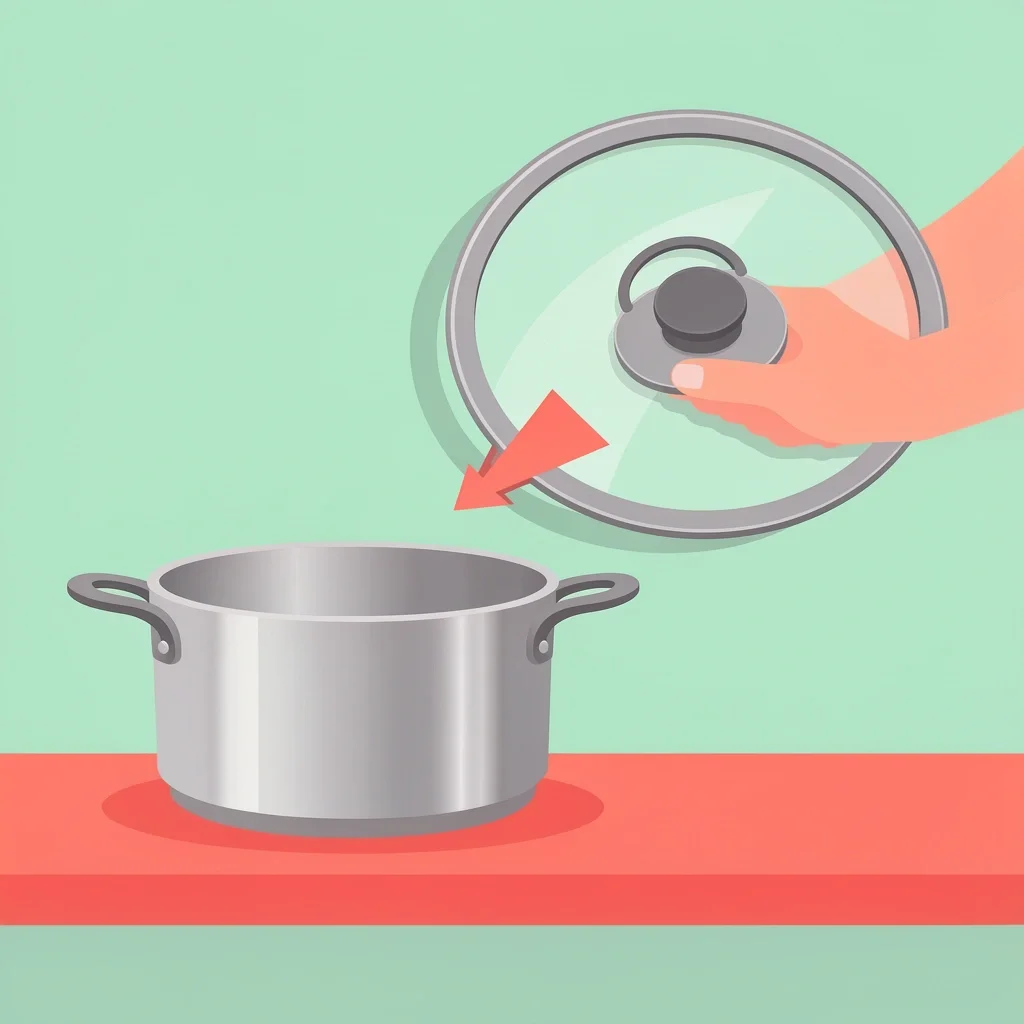
Universal lids are designed to fit multiple pan sizes. They usually have a metal rim with a glass center and a tight seal. Measure the diameter of your saucepan at the rim (not the base) and buy a lid that matches. I keep a set of two universal lids in different sizes and they work on almost every pan I own. They cost less than a brand-specific replacement and often perform better.
Use a Plate or Foil
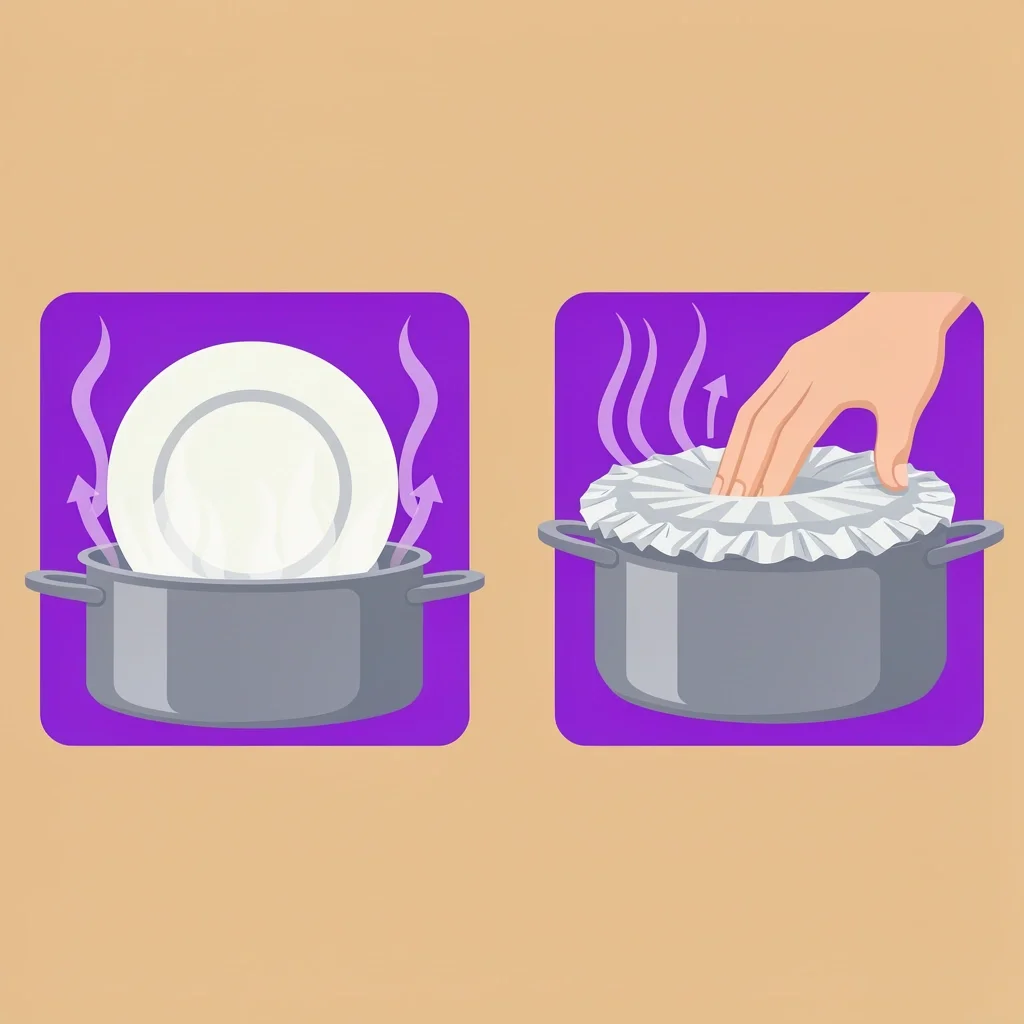
In a pinch, a sturdy dinner plate placed upside down on top of the saucepan works fine for simmering or steaming. Aluminum foil crimped tightly around the rim also creates a decent seal. This isn’t ideal for long, slow cooking, but it gets the job done when you need a lid right now.
Check with the Manufacturer
Many brands sell replacement lids separately. Contact customer support with your pan’s model number or size. Some manufacturers, especially premium ones, will send a replacement lid at a reasonable price. I’ve done this with Le Creuset and All-Clad, and the process was straightforward.
Repurpose a Lid from Another Pan
If you have a set of lids from an older set that you no longer use, try them on your new saucepan. Often lids from different brands share the same diameter. A 20cm lid from one brand usually fits a 20cm pan from another, though the seal might be slightly looser.
Myth vs. Reality
Let me clear up a few common misconceptions I’ve heard over the years.
Myth: Every saucepan comes with a lid because you need one to cook most recipes.
Reality: Many recipes don’t require a lid at all. You can boil pasta, heat soup, or fry vegetables without one. Lids are essential for simmering, steaming, and reducing splatter, but not every cooking task demands a lid.
Myth: Expensive saucepans always include a lid.
Reality: High-end brand name saucepans sold individually often leave out the lid to keep the price lower and let you choose your own. For example, some Misen and All-Clad individual pans are lid-less by design. Always check, regardless of the price tag.
Myth: If a lid doesn’t come with the pan, you can buy any lid and it will fit.
Reality: Lids have different shapes, handle designs, and rim profiles. A domed lid made for a deep saucepan may not sit flat on a shallow pan. Always measure the outer rim diameter and ask about compatibility.
Material Matters: Lid Compatibility Explained

The material of your saucepan affects what kind of lid works best. Here’s a quick breakdown based on what I’ve used in my own kitchen.
| Saucepan Material | Typical Lid Material | Why It Matters |
|---|---|---|
| Stainless steel | Tempered glass with metal rim | Glass lets you see the food without lifting the lid; metal rim seals well on the steel edge. |
| Non-stick | Glass or non-stick coated metal | A lid that matches the non-stick coating prevents scratches and helps even heat distribution. |
| Cast iron | Heavy cast iron (self-basting) | The weight creates a tight seal that traps moisture; a glass lid would break under high heat. |
| Copper | Stainless steel or copper with stainless steel rim | Copper needs a lid that doesn’t react with acidic foods; stainless steel is safe and durable. |
| Aluminum | Glass or aluminum | Aluminum lids are lightweight and conduct heat well, but can warp over time; glass is more stable. |
Steam vents are a small but important feature. Lids with a steam hole let excess moisture escape, which prevents sauces from getting watery and reduces the chance of boiling over. Tempered glass lids almost always have a vent. Most metal lids do not. If you do a lot of one-pot cooking with minimal liquid, a vented lid is helpful.
A Quick Buyer’s Checklist
Before you click “buy,” run through this short list to avoid surprises.
- Does the product description explicitly say “includes lid”?
- What size is the pan (measured at the rim)?
- Is the lid made of glass or metal? Does it have a steam vent?
- Is the lid oven-safe? (Some glass lids are only safe up to 400°F/200°C.)
- Does the lid handle get hot during cooking? (Metal handles without silicone need a pot holder.)
- If I buy a single pan, can I order a replacement lid later?
Frequently Asked Questions
Do frying pans come with lids?
Less often than saucepans. Many frying pans are sold without lids because they’re used for searing and flipping, where a lid gets in the way. But some sets include a single lid that fits multiple fry pan sizes. If you want a lid for a frying pan, check the same way you would for a saucepan.
Can I use a lid from a different brand on my saucepan?
Yes, as long as the diameter matches at the rim. But be aware that the fit might not be perfect. A slightly loose lid won’t trap steam efficiently, and a tight lid might be hard to remove. Test the seal by shaking the pan gently with the lid on.
Are saucepan lids usually dishwasher safe?
It depends on the material. Tempered glass lids are generally dishwasher safe, but the metal rim can discolor over time. Metal lids can be washed in the dishwasher if they don’t have a non-stick coating. Hand washing extends the life of any lid. Always check the manufacturer’s instructions.
How do I measure a saucepan to find a replacement lid?
Use a ruler or measuring tape across the top rim from one outer edge to the opposite outer edge. Do not measure the base or the inner diameter. Write down that number in centimeters or inches. Most lids are sold by this measurement.
Do tempered glass lids break easily?
Not if they are made from borosilicate or tempered soda-lime glass. They can handle thermal shock better than regular glass, but dropping them on a hard floor or hitting them with a metal spoon can still cause cracks. I’ve dropped a glass lid from counter height onto tile and it survived, but I wouldn’t test it on purpose.
Is it worth buying a saucepan without a lid if I already own universal lids?
Absolutely. If your universal lid fits the pan’s diameter, you save money and reduce waste. Just make sure the universal lid’s seal is tight enough for simmering. Some universal lids have adjustable metal bands that expand to fit different sizes, which works great for this purpose.

