Reina
Reina As an Amazon Associate, I may earn a small commission from qualifying purchases at no extra cost to you. This helps me create more valuable, tested content for you.
The short answer is yes, you can fry in a saucepan. I do it all the time. But the way you fry matters a lot. A saucepan is not a frying pan. It’s taller, narrower, and often has a different handle. That changes how you handle oil, heat, and food. If you do it right, you get crispy results without a mess. If you do it wrong, you risk overflowing oil or burnt food.
Most people wonder about two types of frying: shallow frying and deep frying. Let me break down which one works best in a saucepan and what you need to watch out for.
Shallow Frying vs. Deep Frying in a Saucepan

Shallow frying uses about half an inch of oil or less. You only partially submerge the food. This is perfect for eggs, bacon, onions, chicken cutlets, or fish fillets. A saucepan works great for shallow frying because the high sides catch splatter better than a frying pan. You get less mess on your stovetop.
Deep frying means you fully submerge the food in hot oil. You need enough oil to let the food float. This is trickier in a saucepan. The narrow shape means you use less oil than a wide pot, but the oil can rise fast when you add food. You also have a higher risk of the pot tipping over because of the long handle. Deep frying in a saucepan is possible, but only if your saucepan is heavy-bottomed and at least 3 quarts in size.
When to Choose Shallow Frying
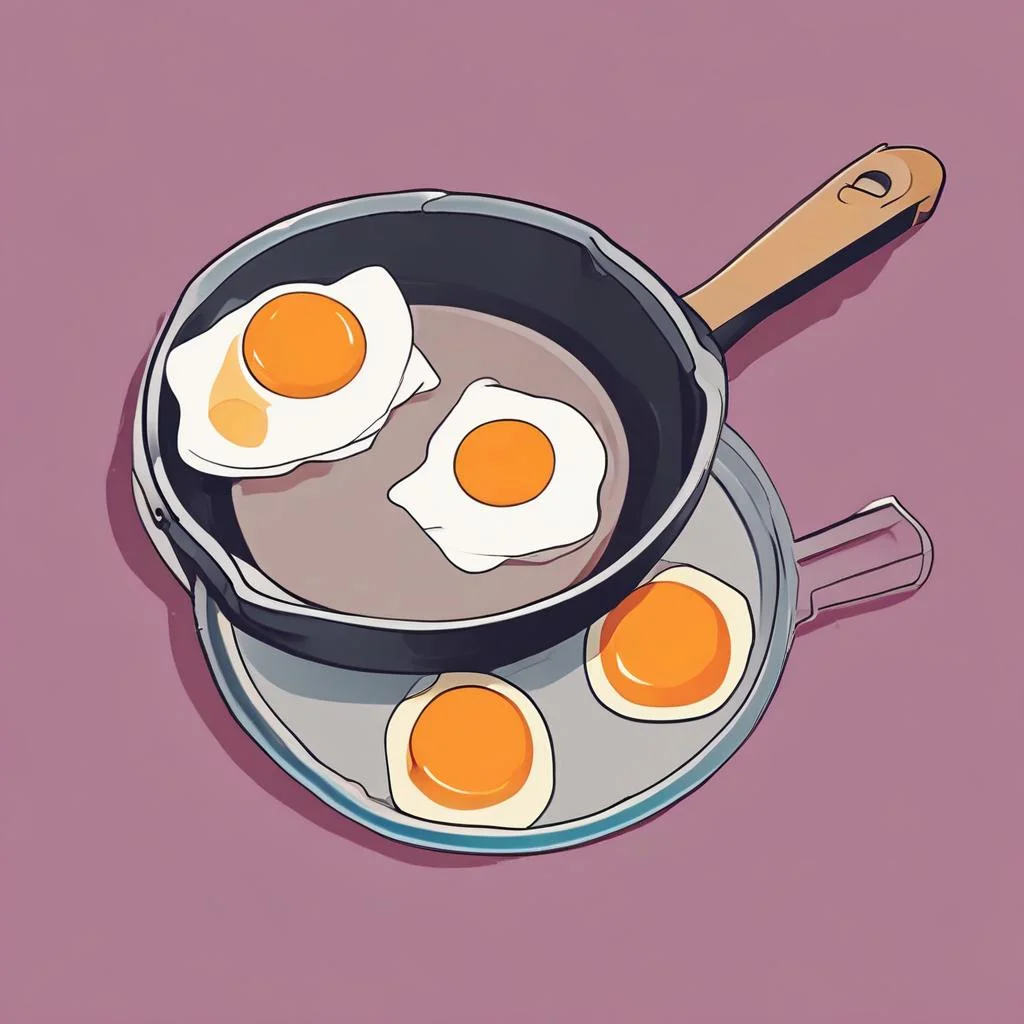
– You want to cook delicate items like eggs or fish.
– You only need a small amount of oil.
– You want less risk of oil spilling.
– Your saucepan has a non-stick coating.
When to Choose Deep Frying
– You want to make french fries, donuts, or battered vegetables.
– Your saucepan is at least 8 inches wide and 5 inches tall.
– You have a deep-fry thermometer to keep oil at 375°F.
– You have a stable stovetop and the handle is not plastic.
Saucepan Materials and How They Behave Under Heat
Not all saucepans are the same. The material changes how the oil heats and how the food cooks. Here is what I have learned from frying in different types.
Stainless Steel Saucepan
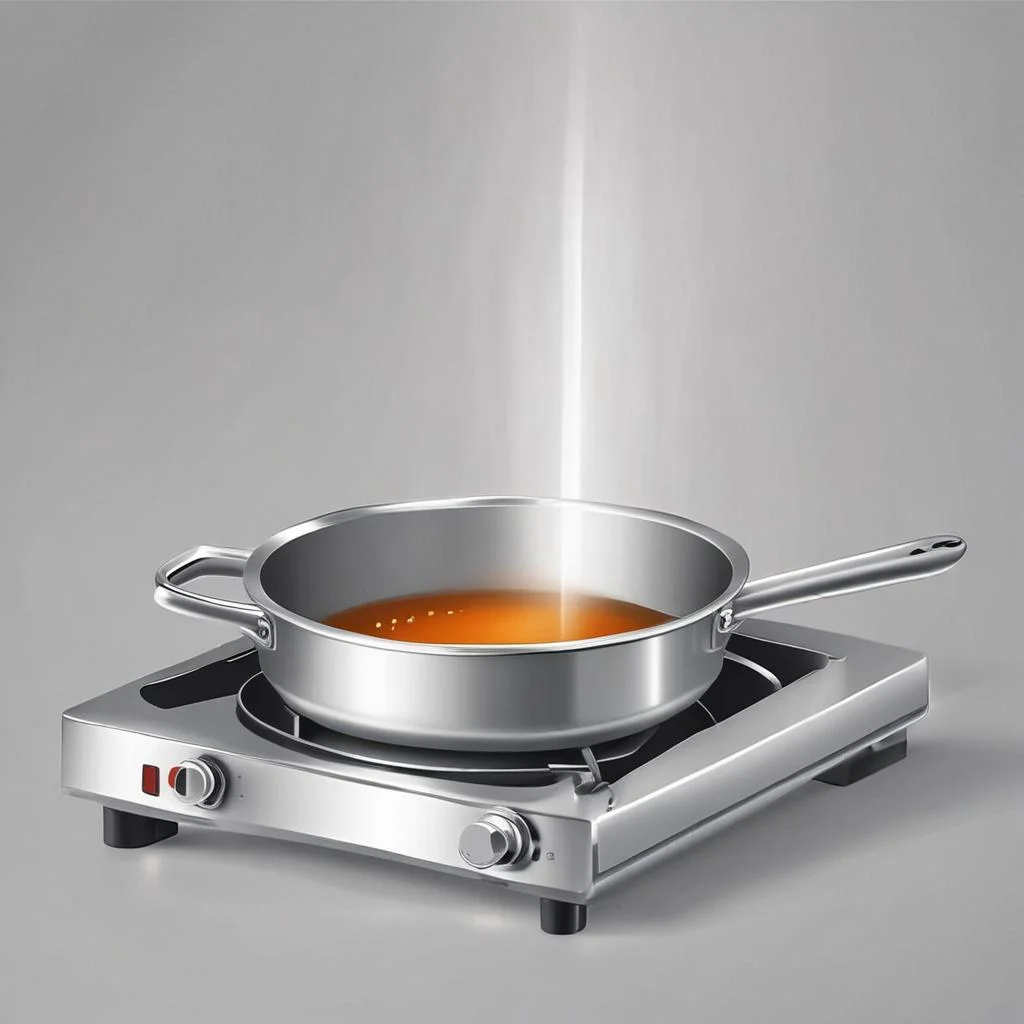
Stainless steel is my favorite for deep frying. It heats evenly and responds fast to temperature changes. The downside: food sticks easily. You need enough oil and the right temperature to prevent sticking. Use a deep-fry thermometer and don’t crowd the pan. Stainless steel handles often get hot, so keep a mitt nearby.
Non-Stick Saucepan
Non-stick is great for shallow frying eggs or fish. The coating stops food from sticking without needing much oil. But non-stick has a limit. Most coatings break down above 450°F. That is fine for shallow frying, but deep frying at 375°F is borderline. If you deep fry in a non-stick saucepan, keep the heat medium and never let the oil smoke. Also, never use metal utensils — they scratch the coating.
Cast Iron Saucepan
Cast iron holds heat better than any other material. Once it’s hot, it stays hot. This is perfect for deep frying because the oil temperature doesn’t drop when you add cold food. But cast iron is heavy. Make sure your stovetop can support the weight. Also, the seasoning can get damaged if you fry acidic foods like tomatoes. Stick to neutral foods like potatoes or chicken.
Aluminum or Hard-Anodized Saucepan
Aluminum heats very quickly. That can be a problem — you might get hot spots that burn food. Hard-anodized aluminum is better because the surface is non-reactive and heats more evenly. These pans are lightweight, which makes them easy to handle, but they can tip more easily if you fill them with a lot of oil. Use a smaller oil volume and stay close to the stove.
Handle Materials Matter
Many saucepans have plastic or bakelite handles. These stay cool on the stovetop, but they can melt if oil splashes onto them or if the pan gets too hot. For deep frying, I only use saucepans with stainless steel or cast iron handles. If your saucepan has a plastic handle, keep the oil level low and never let the pan overheat. You can also wrap the handle with a wet towel as a temporary shield.
Step-by-Step Guide for Frying in a Saucepan
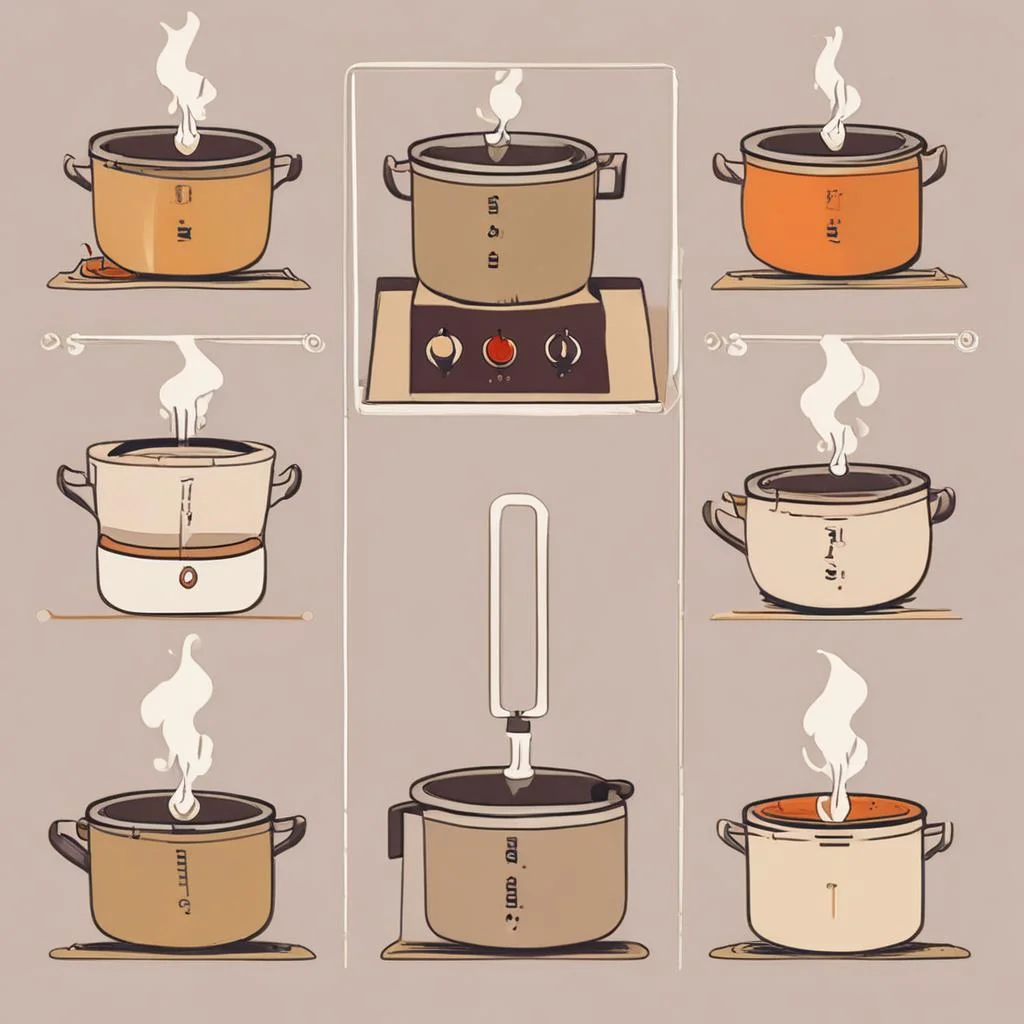
These steps are based on my own experience. They focus on what’s different about a saucepan compared to a regular frying pot.
1. Pick the Right Saucepan Size
– For shallow frying: a 6 to 8 inch diameter works best. The high sides will contain splatter.
– For deep frying: use an 8 to 10 inch diameter with at least 5 inches of side height. A 3 to 4 quart saucepan is ideal. Anything smaller is risky — too little oil leads to temperature spikes.
2. Measure the Oil Correctly
The common rule is to fill the pot no more than one-third full. But with a narrow saucepan, one-third might be too much oil for the amount of food you want to fry. A better rule: fill enough oil so that the food can float freely, but leave at least 2 inches of space from the oil surface to the rim. When you add food, the oil rises. If you have less than 2 inches of headroom, the oil can spill over and catch fire.
3. Heat the Oil Gradually
Don’t blast the heat on high. Start on medium heat and let the oil warm up slowly. Thin saucepans can develop hot spots if you heat them too fast. Use a deep-fry thermometer to reach 350°F to 375°F. If you don’t have a thermometer, dip the end of a wooden spoon into the oil. If bubbles form steadily around the wood, the oil is ready.
4. Lower Food Carefully
Because saucepans are tall, you have to reach down into the oil. Use a spider strainer or long tongs. Never drop food from above — that causes splashes. Instead, lower the food slowly, almost touching the oil, then release. You can also tilt the saucepan slightly to submerge larger pieces.
5. Avoid Overcrowding
Adding too much food at once drops the oil temperature and causes violent bubbling. Fry in small batches. Leave enough space so each piece has room to move. Overcrowding also makes the oil surge upward — dangerous in a narrow saucepan.
6. Remove and Drain
Use the same spider strainer or tongs to lift food out. Let the oil drip off over the saucepan for a few seconds. Then transfer to a plate lined with paper towels. Don’t let the food sit in the oil — it will keep cooking and get greasy.
Critical Safety Considerations for Saucepan Frying
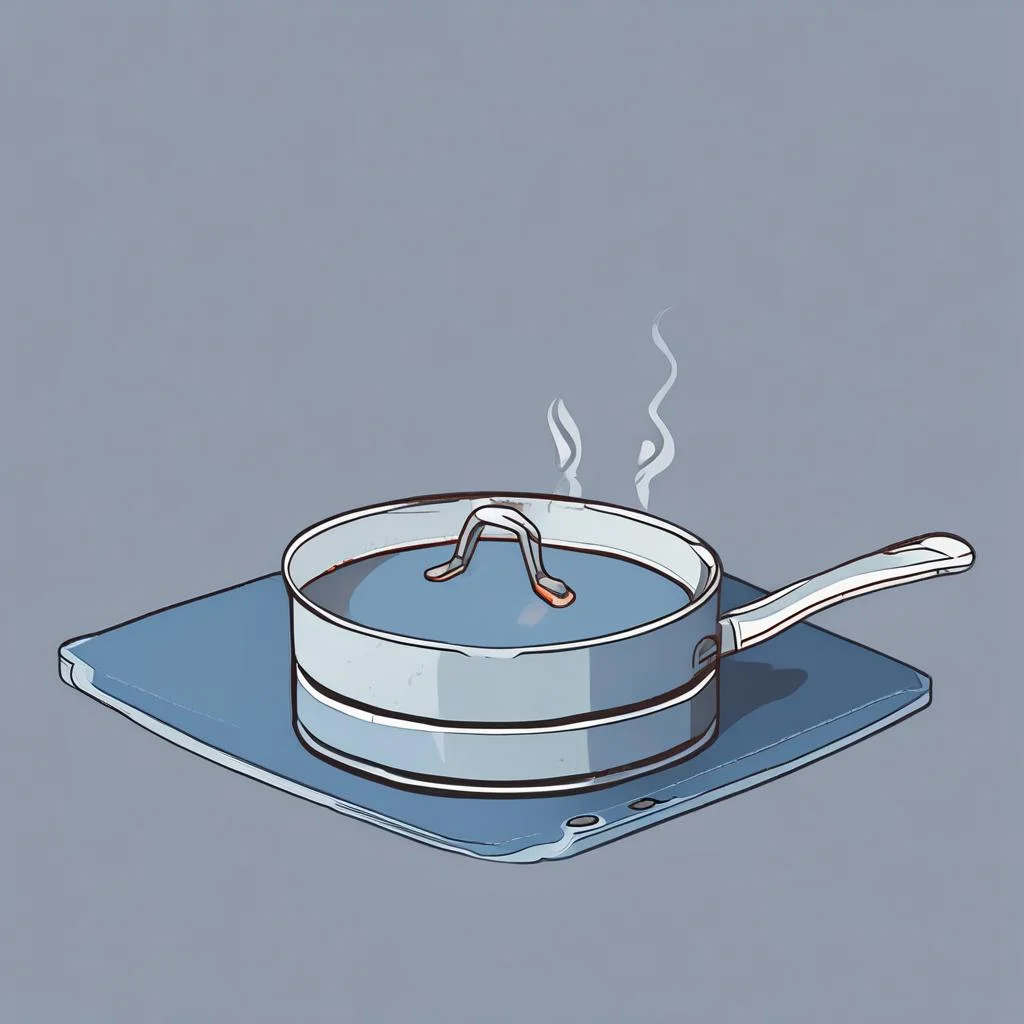
I have made mistakes so you don’t have to. These are the most important safety tips.
Tipping Hazard
A tall, narrow saucepan with a long handle is easy to knock over. Always turn the handle so it points away from the stove edge. Never leave the pan unattended while the oil is hot. If you have kids or pets in the kitchen, keep them away.
Handle Temperature
Even stainless steel handles get scalding hot. Keep a kitchen towel or silicone mitt nearby to grab the handle when you need to move the pan. Plastic handles stay cooler but may melt if oil splashes onto them.
Splatter Management
The high sides of a saucepan actually reduce splatter — that’s a benefit. But splatter can still happen if the oil is too hot or if you add wet food. Always pat food dry before frying. If the oil starts popping aggressively, reduce the heat.
Lid Trick for Oil Fires
If the oil catches fire (rare but possible), never use water. Water makes the fire explode. Instead, put the saucepan lid on. A saucepan lid fits tightly, which smothers the flames faster than a frying pan lid. Turn off the heat and let the pan cool completely before opening.
Myth vs. Reality: Common Misconceptions
- Myth: You need a deep fryer or a Dutch oven to deep fry at home.
Reality: A sturdy 3 to 5 quart saucepan works for most home deep frying. Just watch the oil level and temperature. - Myth: Non-stick saucepans are useless for frying.
Reality: They are great for shallow frying delicate items like eggs or fish. Just keep the heat low and don’t use metal utensils. - Myth: You can reuse oil strained from a saucepan just like from a fryer.
Reality: Yes, but saucepan frying often produces more burnt bits. Strain the oil through a fine-mesh sieve or cheesecloth and store it in a glass jar. Discard after two to three uses or if the oil smells rancid.
Frequently Asked Questions

Can I fry an egg in a saucepan without sticking?
Yes. Use a non-stick saucepan or a well-oiled stainless steel saucepan. Keep the heat below medium and use butter or oil. The high sides help contain any splatter.
Is it safe to deep fry in a small saucepan (1 to 2 quarts)?
Not recommended. The oil volume is too small, so it heats up too fast and can overheat quickly. Food will also crowd the pan, causing dangerous bubbling. Stick to a 3 quart or larger saucepan for deep frying.
Should I use a lid when frying in a saucepan?
Only for splatter control after food is in the oil. Leave the lid cracked open so steam can escape. Never cover a pot of hot oil completely — condensation from the lid can drip into the oil and cause a violent eruption.
How do I clean a saucepan after frying?
Let the oil cool completely first. Strain out any solid bits (you can save the oil for reuse if it’s not burnt). Wipe the inside of the saucepan with a paper towel to remove most of the oil. Then wash with hot water and mild soap. Avoid abrasive scrubbers on non-stick coatings.
Can I reuse frying oil from a saucepan?
Yes, but only if you strained it well and didn’t overheat it. Reuse the oil two to three times maximum. Discard it if it smells rancid, looks dark, or starts smoking at lower temperatures. Store strained oil in a sealed glass container in a cool, dark place.