 Reina
Reina As an Amazon Associate, I may earn a small commission from qualifying purchases at no extra cost to you. This helps me create more valuable, tested content for you.
The short answer is no – a normal saucepan that is not magnetic will not heat up on a standard induction hob. Induction works by creating a magnetic field that only interacts with ferromagnetic metals like iron, steel, or cast iron. But don’t throw out your cookware just yet. This guide explains the science, shows you a 10-second test, and walks through every option – from adapter discs to buying new pans – so you can decide what’s best for your kitchen.
Why Induction Hobs Only Work With Ferromagnetic Pans
The Simple Science of Eddy Currents
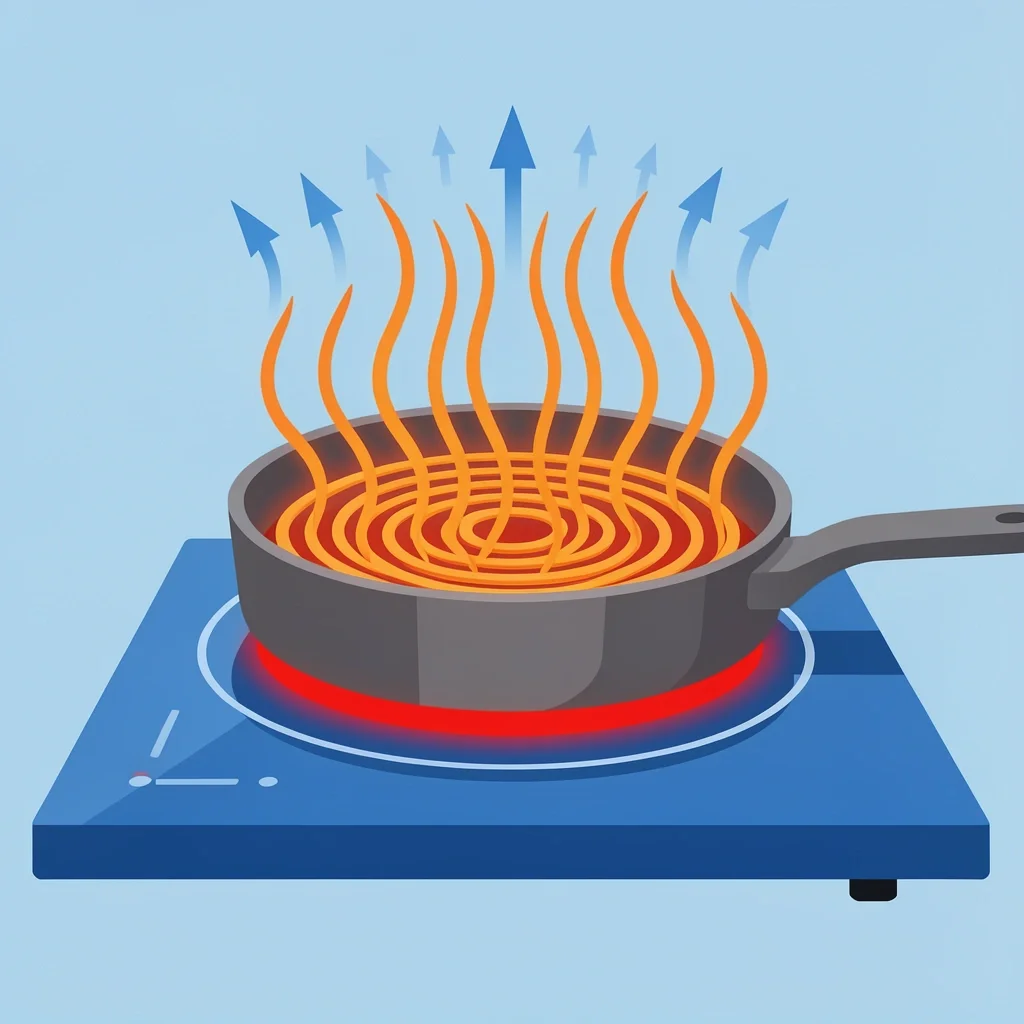
Inside an induction hob, a copper coil creates a rapid, alternating magnetic field. When you place a ferromagnetic pan on top, that field induces circular electric currents – called eddy currents – in the pan’s base. The resistance of the metal turns those currents into heat. This is why the hob itself stays cool while the pan gets hot. The process only works with metals that can “absorb” the magnetic field, primarily iron, steel, and cast iron.
Why Aluminum, Copper, and Glass Don’t Work
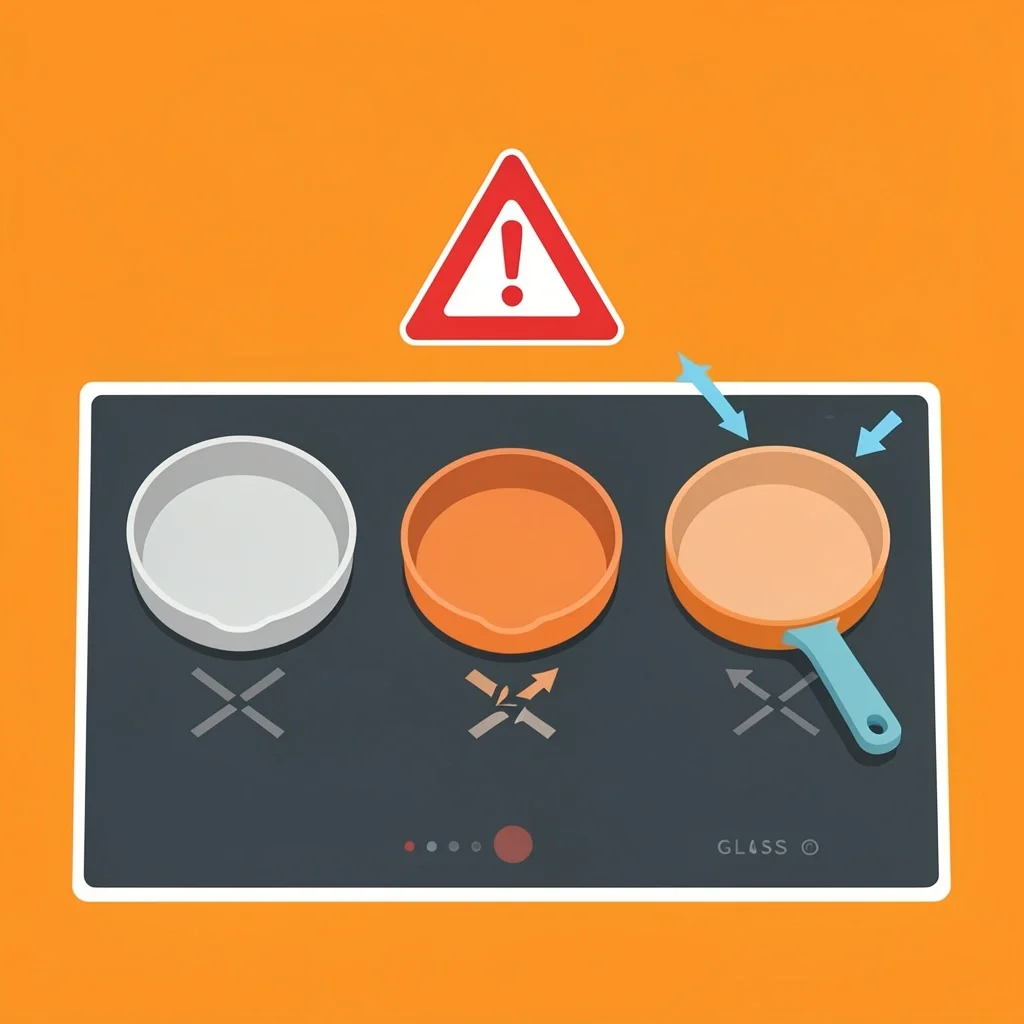
Aluminum and copper are too conductive – they let the eddy currents flow too easily, so very little heat is generated. Worse, they can cause the hob to draw excessive current and overheat its electronics. Glass and ceramic are non-conductive and non-magnetic, so the hob simply won’t activate. Never place an aluminum or copper pan on an induction hob – even briefly – as it can damage the hob’s circuits.
How to Test Your Pans in 10 Seconds
The Magnet Test
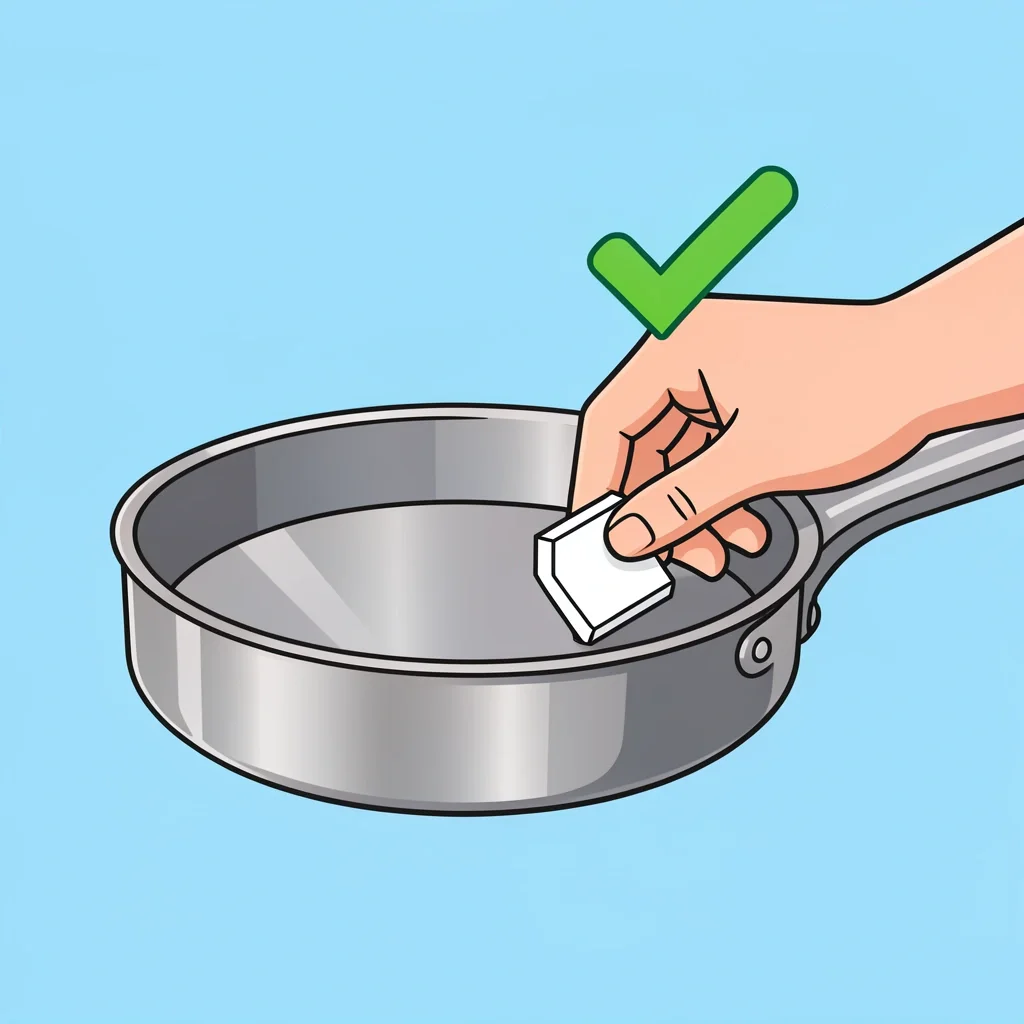
Grab a small fridge magnet and press it against the bottom of your saucepan. If the magnet sticks firmly, the pan is ferromagnetic and will work on induction. If it slides off or barely holds, the pan is not compatible.
What About Stainless Steel That Isn’t Magnetic?
Many people assume all stainless steel works on induction. That’s wrong. Stainless steel comes in different grades. Grade 430 (18/0) is magnetic because it contains iron and chromium but very little nickel. Grade 304 (18/10) is non-magnetic due to its high nickel content. Without a magnet test, you cannot tell by looking at the pan. So test every piece of cookware you own.
Three Options If Your Pan Fails the Magnet Test
Option 1: Induction Adapter Disc
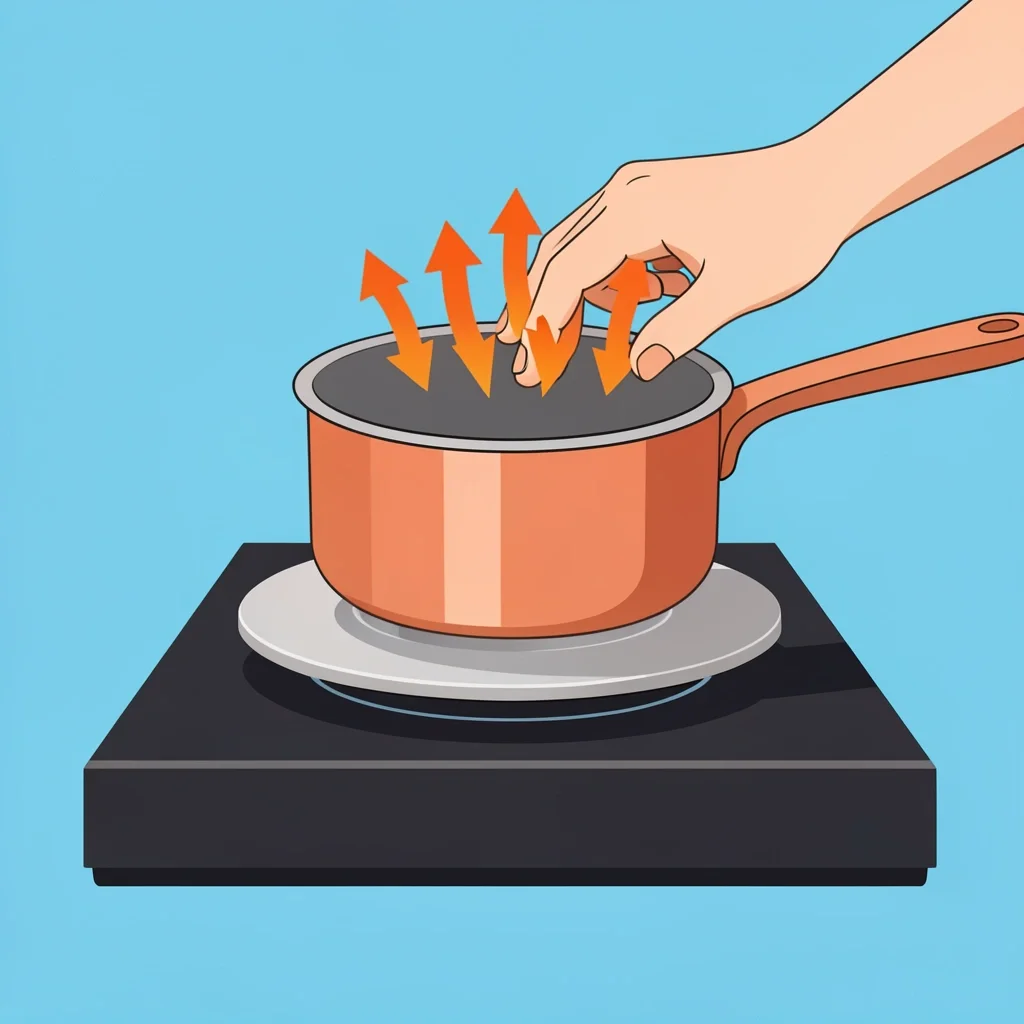
An adapter disc is a flat, ferromagnetic plate that you place directly on the induction hob. Then you put your normal saucepan on top of the disc. The disc heats up and transfers that heat to your pan.
- How it works: The disc acts as a bridge – the hob heats the disc, and the disc heats the pan.
- Pros: Cheap (€10–25), lets you reuse all your existing pans, works with any non-magnetic material.
- Cons: 20–30% slower heating, uneven heat distribution, can scratch the hob if the disc has sharp edges, risk of overheating if the pan is much larger than the disc.
Option 2: The “Pan-Within-a-Pan” Hack
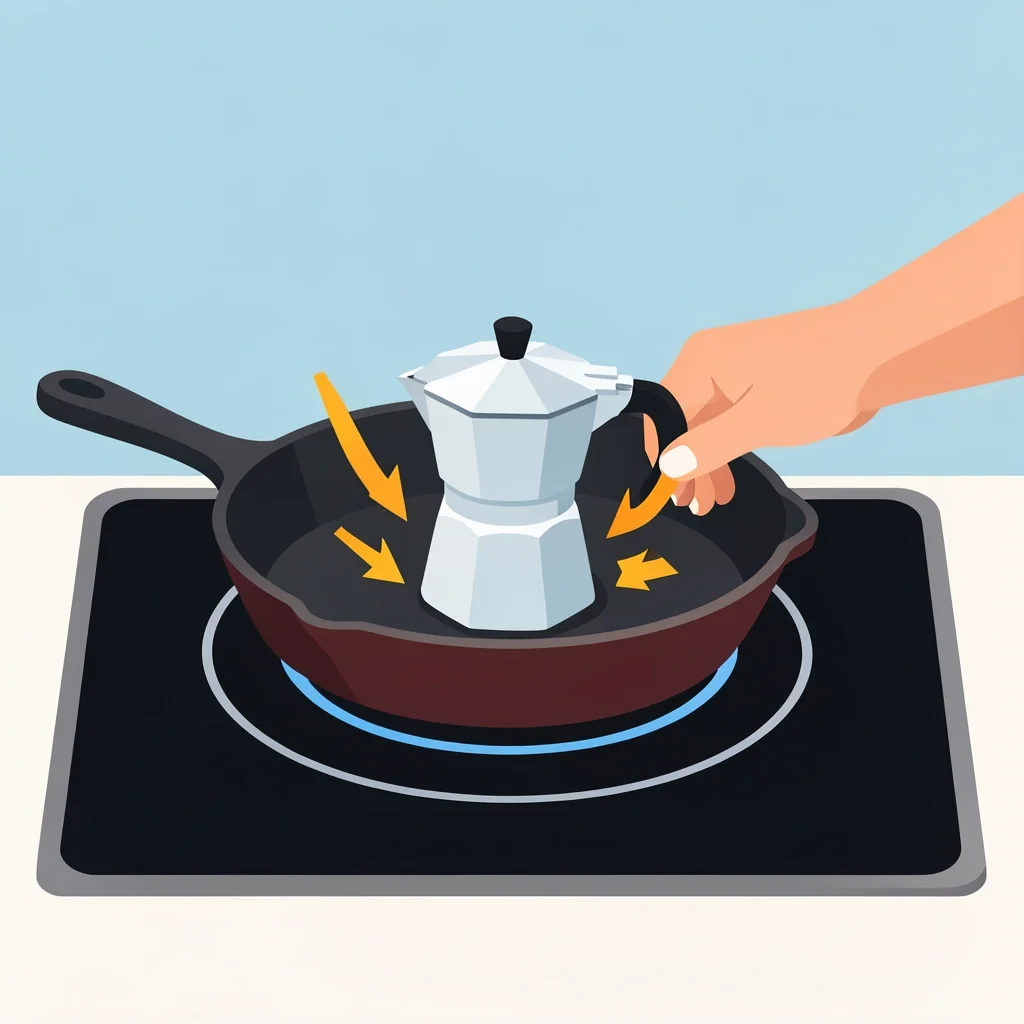
Place a ferromagnetic pan (like a cast iron skillet) on the hob, then put your non-induction pot or moka pot inside that pan. The outer pan becomes a hotplate that transfers heat to the inner pot.
- When it works: Best for small items like coffee makers, espresso pots, or small saucepans. The inner pot must sit tightly inside the outer pan.
- When it doesn’t: Large saucepans won’t fit, and heat transfer is slow and indirect. Efficiency drops by 40% or more.
Option 3: Replace Your Cookware
Buying new induction-compatible pans is the most reliable solution. Look for cookware labeled “induction compatible” or with a magnetic base.
Which Materials Are Best?
- Cast iron – excellent heat retention, but heavy and can scratch glass hobs
- Carbon steel – lightweight, heats fast, needs seasoning
- Magnetic stainless steel (grade 430) – durable, dishwasher-safe
- Enameled iron – non-reactive, easy to clean, induction-friendly
Adapter Discs – A Deeper Look at Performance and Safety
Real-World Efficiency Data
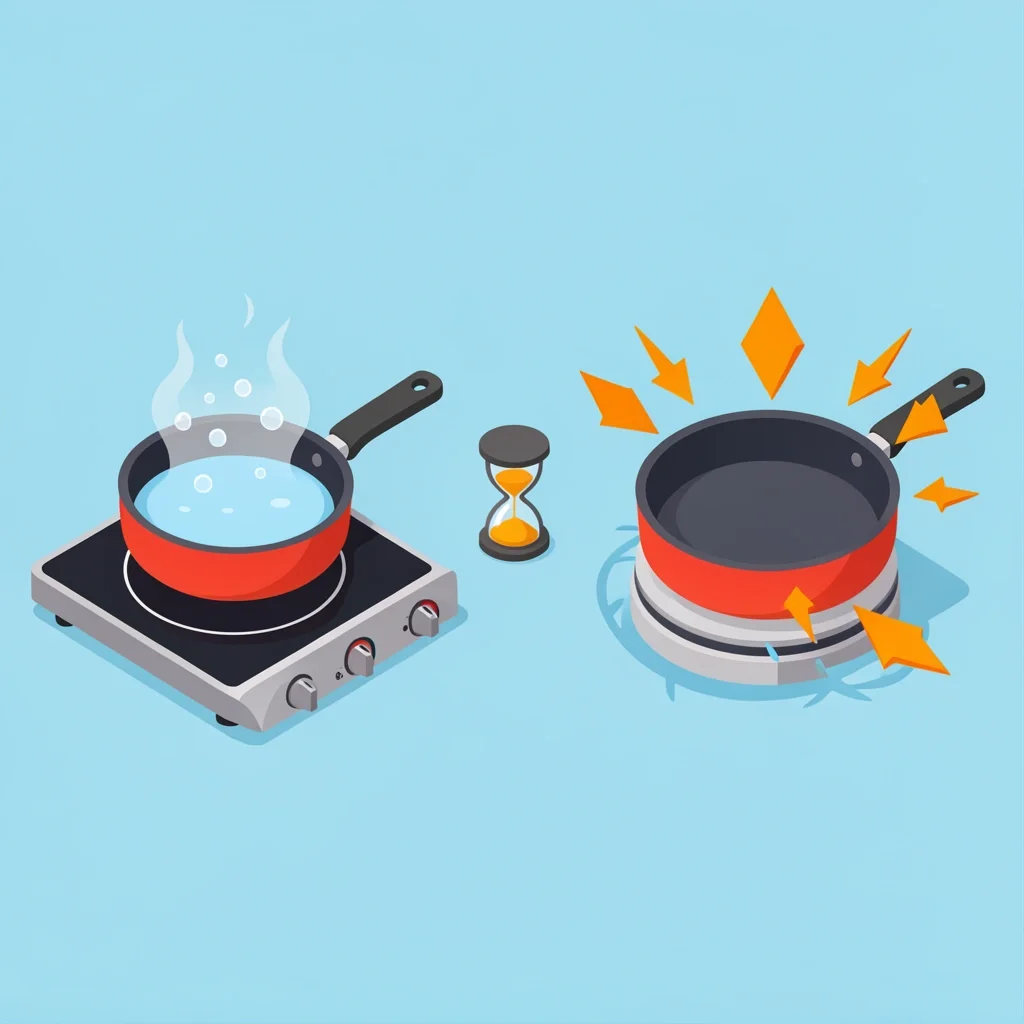
To give you a concrete idea: boiling 1 liter of water directly on induction takes about 3 minutes. With an adapter disc, the same amount takes 4 to 5 minutes – that’s 30 to 60% longer. Energy use also increases by roughly 20% because heat is lost to the surrounding air.
Can an Adapter Damage Your Hob?
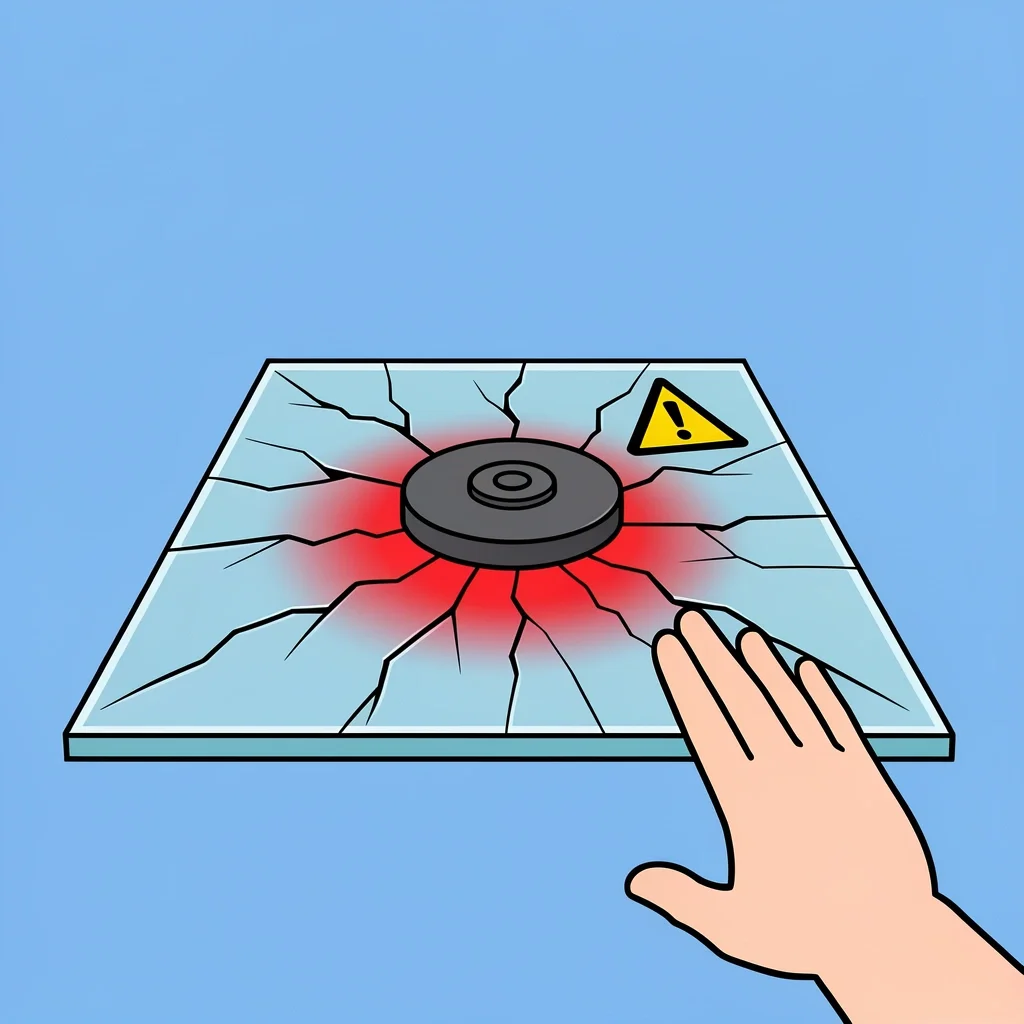
Yes, under certain conditions. An adapter disc can damage your induction hob if:
- The disc is smaller than the pan’s base – this creates a concentrated hot spot that can crack the glass.
- The pan is empty or overheated – the disc may transfer excess heat back to the hob.
- The disc has a dirty or uneven bottom – grit can scratch the glass surface.
- The disc is not fully flat – wobbling causes poor contact and risk of cracking.
To avoid damage, always use a disc that is at least as wide as the pan, and clean both the disc and the hob before each use.
How to Choose: Adapter vs. New Pans vs. Upgrade Your Hob
Cost Comparison Over 2 Years
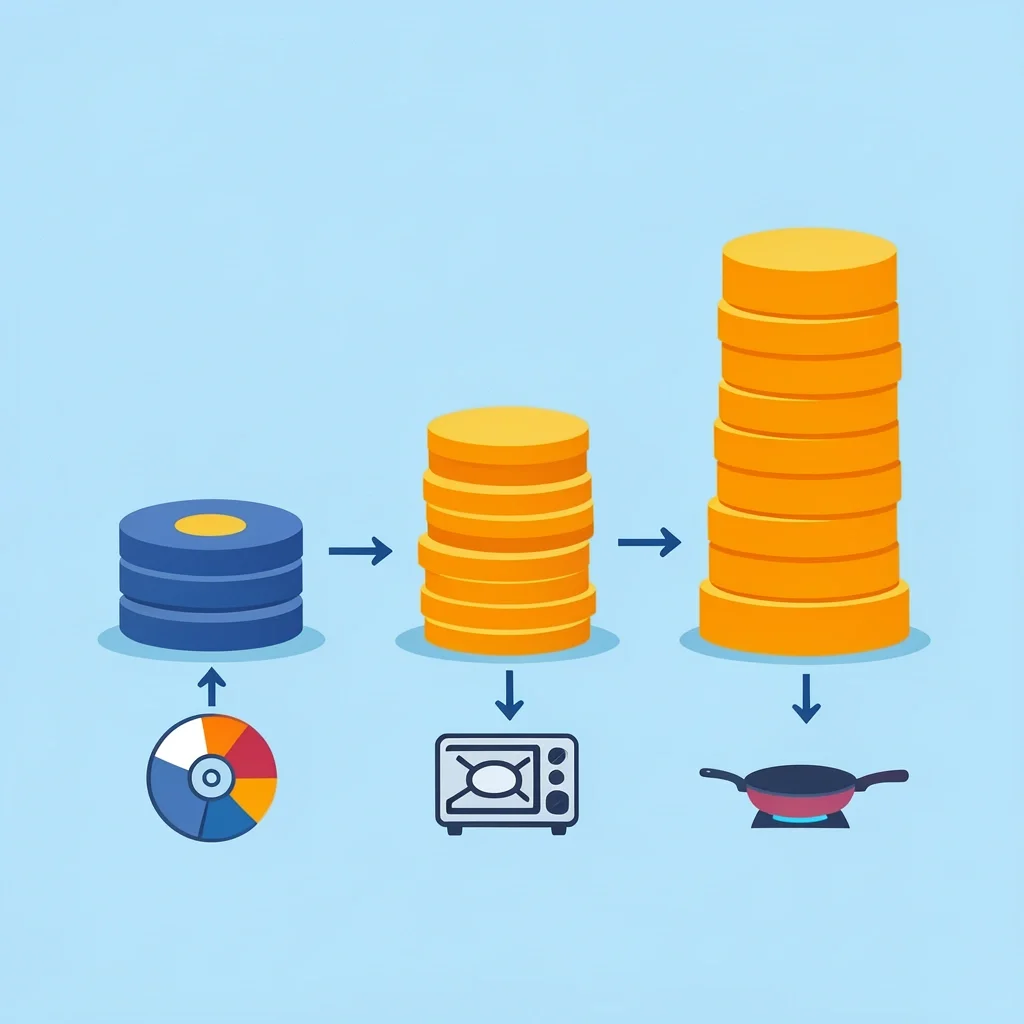
| Option | Upfront Cost | Ongoing Cost | Notes |
|---|---|---|---|
| Adapter disc set | €15–25 | None (but slower cooking) | Lowest cost, but frustrating daily use |
| New induction pan set (3 pieces) | €80–150 | None | One-time expense, full efficiency |
| All-metal induction hob upgrade | €200–400 | None (if you keep pans) | Only if you own many expensive non-magnetic pans |
Decision Flowchart
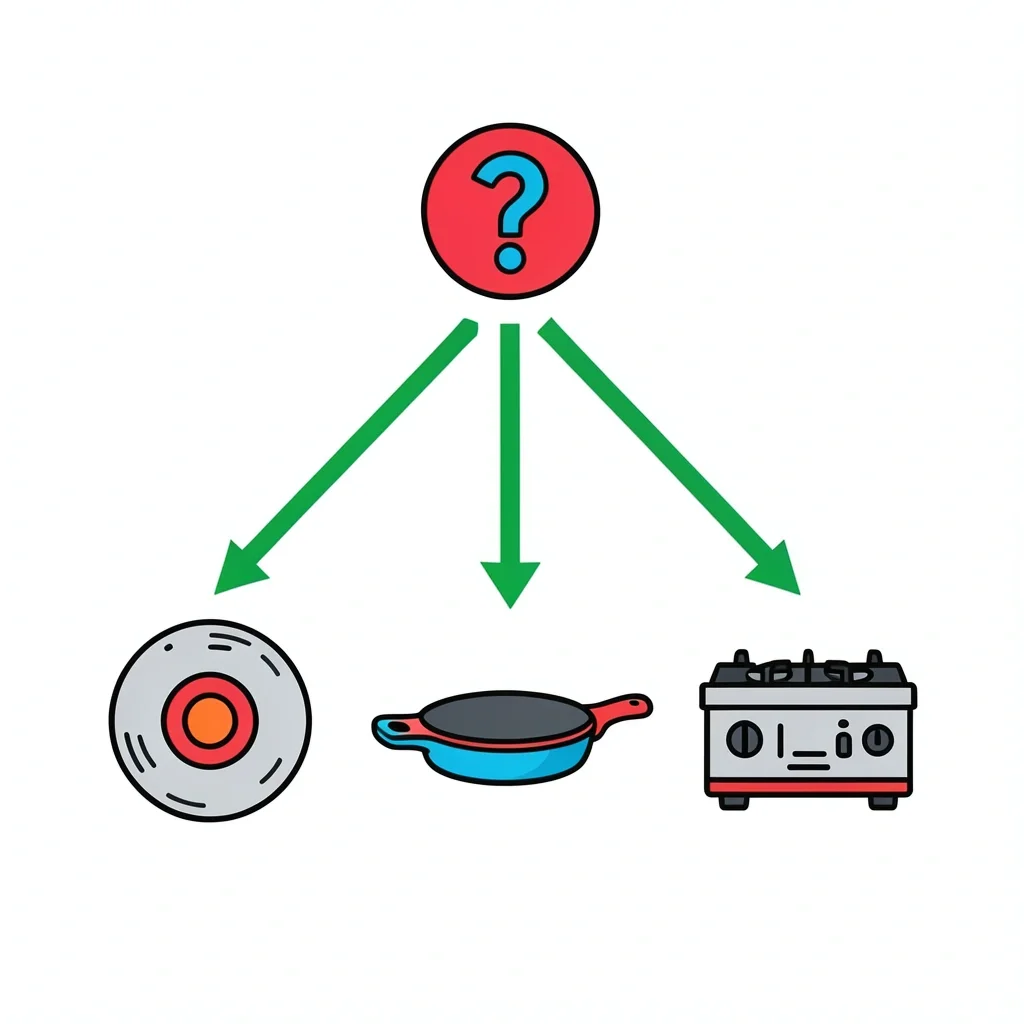
- Do you cook daily with specialty non-magnetic pans (copper, anodized aluminum)? Consider an all-metal induction hob.
- Do you want to save money and don’t mind slower cooking? Use an adapter disc.
- Do you prefer convenience and speed? Buy new induction-compatible cookware.
Common Myths About Induction Cookware
Myth: “Any stainless steel pan works.”
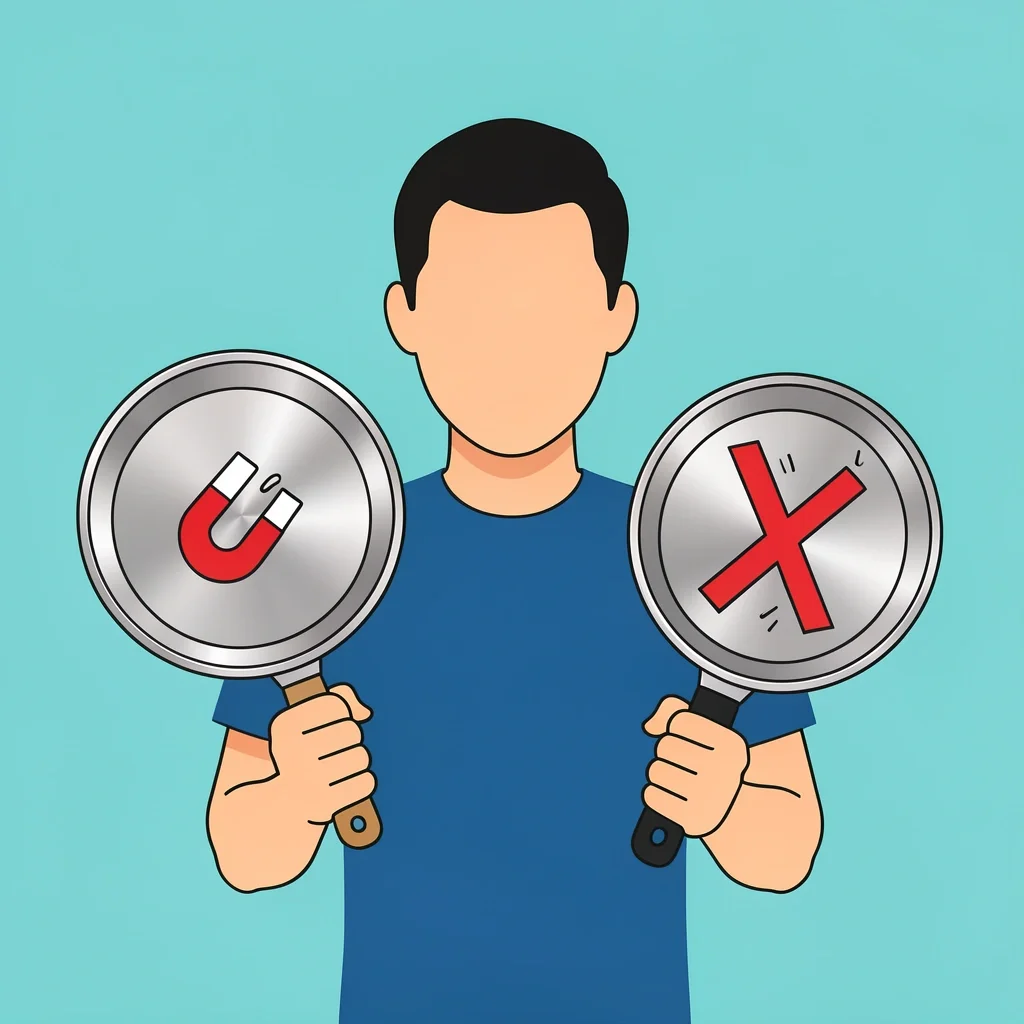
Reality: Only magnetic grades like 430. The popular 18/10 grade is non-magnetic.
Myth: “You can use an adapter disc on any induction hob.”
Reality: Some hobs have pan detection sensors that may not recognize a thin disc. The hob simply won’t turn on.
Myth: “Aluminum pans will eventually work if you leave them long enough.”
Reality: The hob will error out within seconds. Leaving it on can damage both the pan and the hob.
Myth: “Cast iron is always perfectly compatible.”
Reality: Rough-bottom cast iron can scratch glass hobs. Also, some lightweight cast iron may not trigger the sensor because it’s too thin.
Induction Hobs With “All-Metal” Technology
A few manufacturers, like Panasonic with their 120 kHz models, produce hobs that can heat aluminum, copper, and other non-ferrous metals directly. These hobs use a higher frequency to overcome the low resistance of non-magnetic materials.
Is It Worth Upgrading?
Only if you own expensive non-magnetic cookware (copper saucepans, anodized aluminum woks) and you cook large volumes frequently. For most households, buying a set of good induction pans is cheaper and simpler.
Frequently Asked Questions
Can I use a glass pan on an induction hob?
No. Glass is non-ferromagnetic and non-conductive. The hob will not activate, and you cannot force it.
Does pan thickness matter for induction compatibility?
Yes. Thin ferromagnetic pans (cheap steel) work but heat unevenly and may warp. Aim for a base thickness of at least 2.5 mm for even heat distribution.
What happens if I accidentally put a non-compatible pan on an induction hob?
The hob either does nothing, beeps, or shows an error code. It will not heat, and no damage occurs if you remove the pan quickly. Never leave it on for more than a few seconds.
How do I clean an induction hob after using an adapter disc?
Allow the hob to cool completely. Wipe with a damp cloth and a mild cleaner. Avoid abrasive pads – they can scratch the glass surface.
Can I use an adapter disc on a gas or electric hob?
Yes, you can, but it’s completely pointless. The disc is only needed to make a pan work on induction. On gas or electric hobs, you can use the pan directly.
Are there “universal” pans that work on induction and all other hobs?
Yes. Any magnetic stainless steel or cast iron pan works on gas, electric, ceramic, and induction. Look for pans marked “induction compatible” to be sure.

