 Reina
Reina 
As an Amazon Associate, I may earn a small commission from qualifying purchases at no extra cost to you. This helps me create more valuable, tested content for you.
If you recently bought an induction saucepan and now have a gas stove, you’re probably wondering if they work together. The short answer is yes — most induction saucepans are safe to use on a gas hob. But there are two important exceptions, and the way you cook on gas is different from induction. This article walks you through everything you need to know, from checking your pan’s base to protecting it from long-term damage.
Yes, Induction Saucepans Work on Gas – With Two Key Exceptions
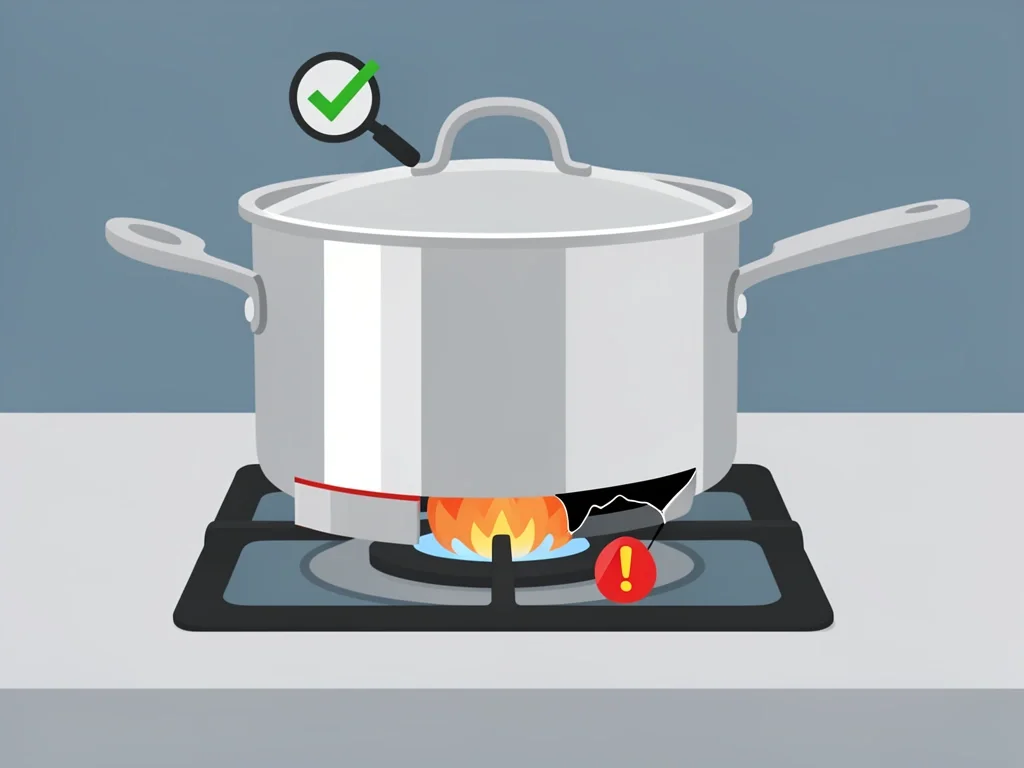
Induction saucepans are made with a magnetic layer in the base so they heat up on an induction hob. That magnetic layer is usually stainless steel or cast iron, both of which handle gas flame just fine. However, you should not use an induction saucepan on gas if:
- The base is too thin. A thin base, under about 2.5 millimetres, can warp under the intense, uneven heat of a gas flame. Warping creates a wobbly pan that doesn’t sit flat, leads to hot spots, and can even ruin your stove’s grates over time.
- The underside has a coating. Some budget induction pans have a magnetic layer sprayed on the bottom instead of welded or clad. That spray-on coating can peel, burn, or flake off when exposed to direct flame, leaving you with a ruined pan and potentially breathing in fumes.
If your saucepan has a solid, thick metal base with no coating on the underside, you’re good to go.
How to Test Your Induction Saucepan for Gas Compatibility
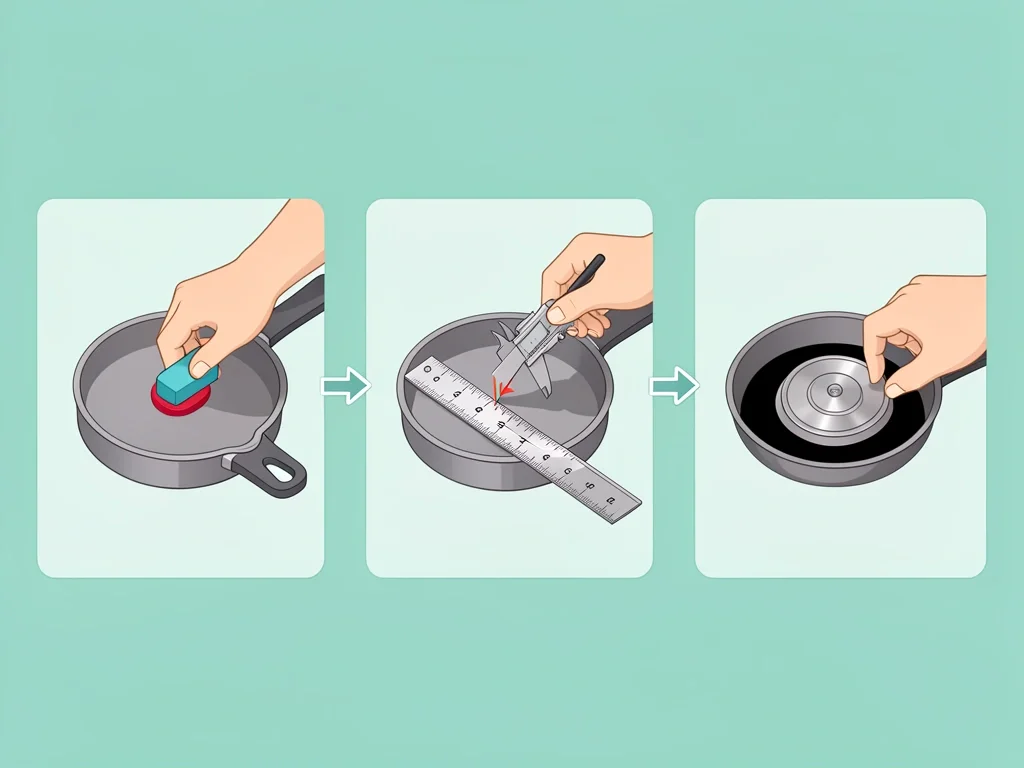
Not sure if your saucepan falls into the “thin base” or “coated underside” category? Here are three quick checks you can do at home.
- The magnet test. Stick a fridge magnet to the bottom of your pan. If it clings firmly, the pan is magnetic. That alone doesn’t guarantee gas safety, but it’s a first pass. If the magnet barely sticks or slides off, the pan might have a thin layer that could be problematic on gas.
- Measure the base thickness. Use a ruler or a simple caliper. Place the edge of the ruler against the flat part of the pan’s base (not the rim). If the metal is less than 2.5 mm thick, be cautious on high heat. Thicker is safer.
- Look for a welded disc, not paint. Flip the pan over. Do you see a separate metal disc welded onto the bottom? That’s a good sign — it’s a proper induction layer. If you see a black, painted‑on layer or a rough sprayed surface, avoid using it on gas. That coating will degrade.
Why Gas Cooking Puts Different Stress on Induction Saucepans
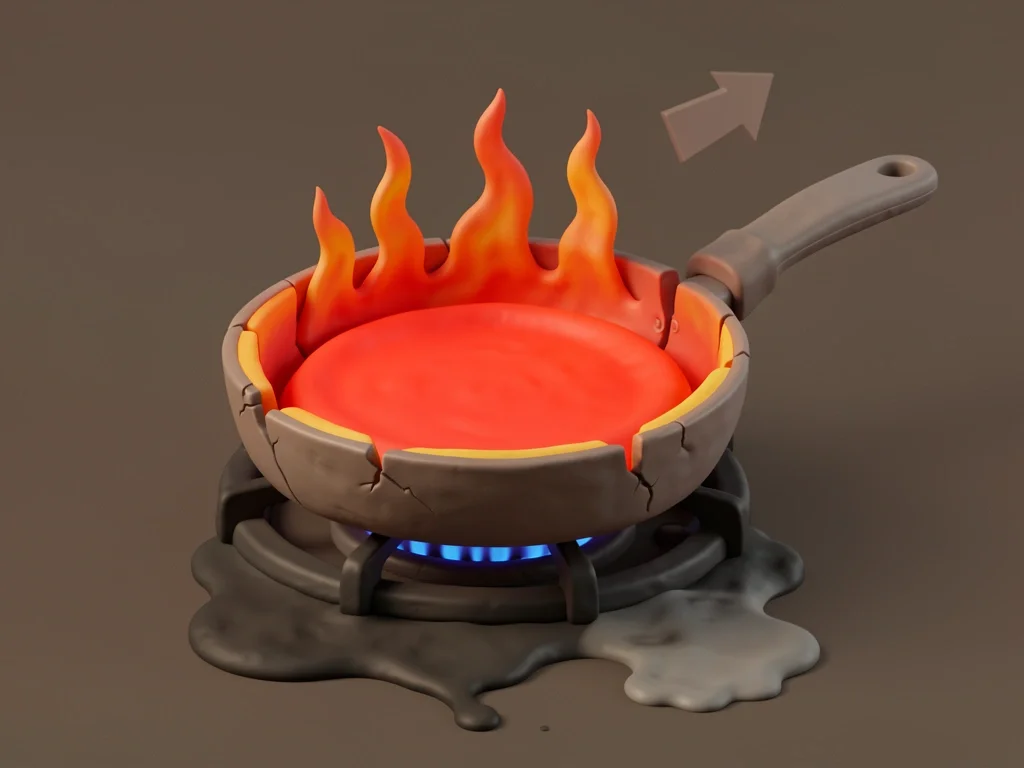
Induction hobs heat the entire base evenly because the magnetic field excites the metal molecules across the whole surface. A gas flame, on the other hand, creates a hot zone in the centre and cooler edges. This uneven heating puts extra stress on the saucepan, especially one with tall sides.
Saucepans trap heat more than frying pans because the sides are higher and the lid stays on. On gas, the flame can also lick up the sides, overheating the exterior. That can cause:
- Warping. The centre expands faster than the edges, and over time the base can buckle.
- Non‑stick coating failure. If your pan has a non‑stick interior, the exterior heat stress can shorten its life. Gas soot also makes the coating look dirty and hard to clean.
- Handle damage. Plastic or silicone handles get hotter on gas because flame rises around the pan. Some handles can melt or become loose.
Performance Trade-Offs: Induction Saucepan on Gas vs. Induction Hob
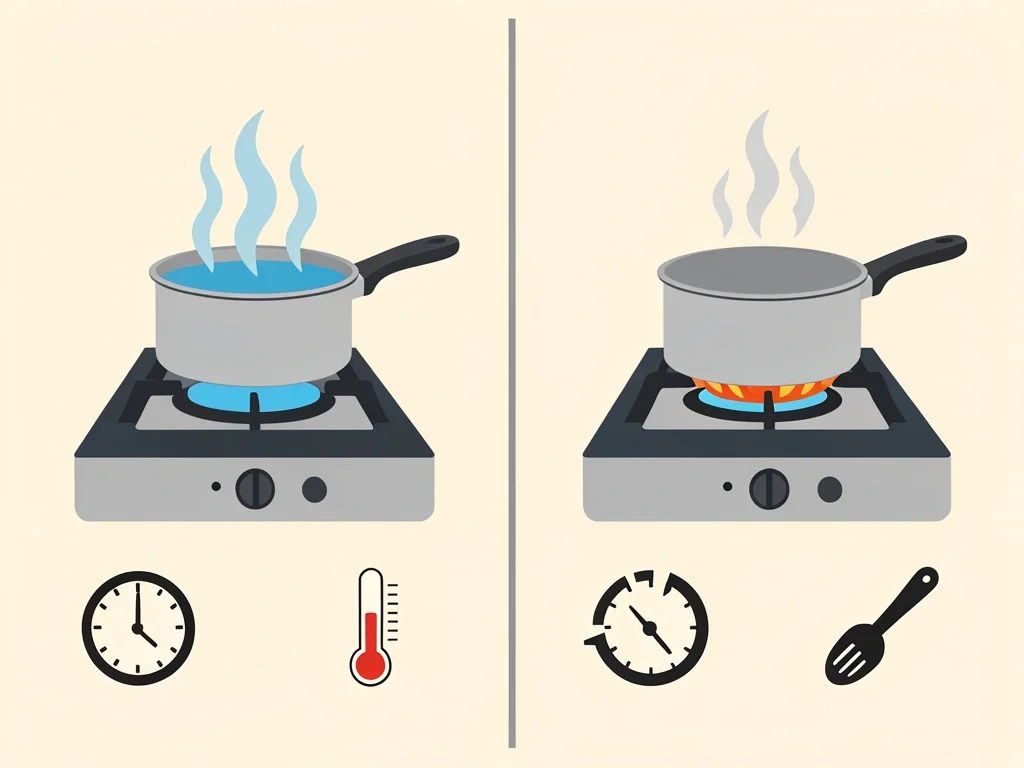
Using an induction saucepan on gas works, but the cooking experience is different. Here’s a quick comparison for common saucepan tasks:
| Task | Induction Hob | Gas Hob |
|---|---|---|
| Boiling pasta water | Very fast, even heat | Fast but flame must be kept under pan |
| Simmering sauce | Precise, low‑heat control | Harder to maintain low simmer without scorching |
| Cooking rice | Excellent heat retention, no hot spots | Flame management required to avoid burnt bottom |
| Heating milk | Gentle, even warmth | Needs constant stirring to prevent scalding |
For most everyday cooking, you’ll still get good results on gas. Just be ready to adjust your flame size and stir more often for delicate dishes.
Protecting Your Induction Saucepan: Gas Cooking Best Practices
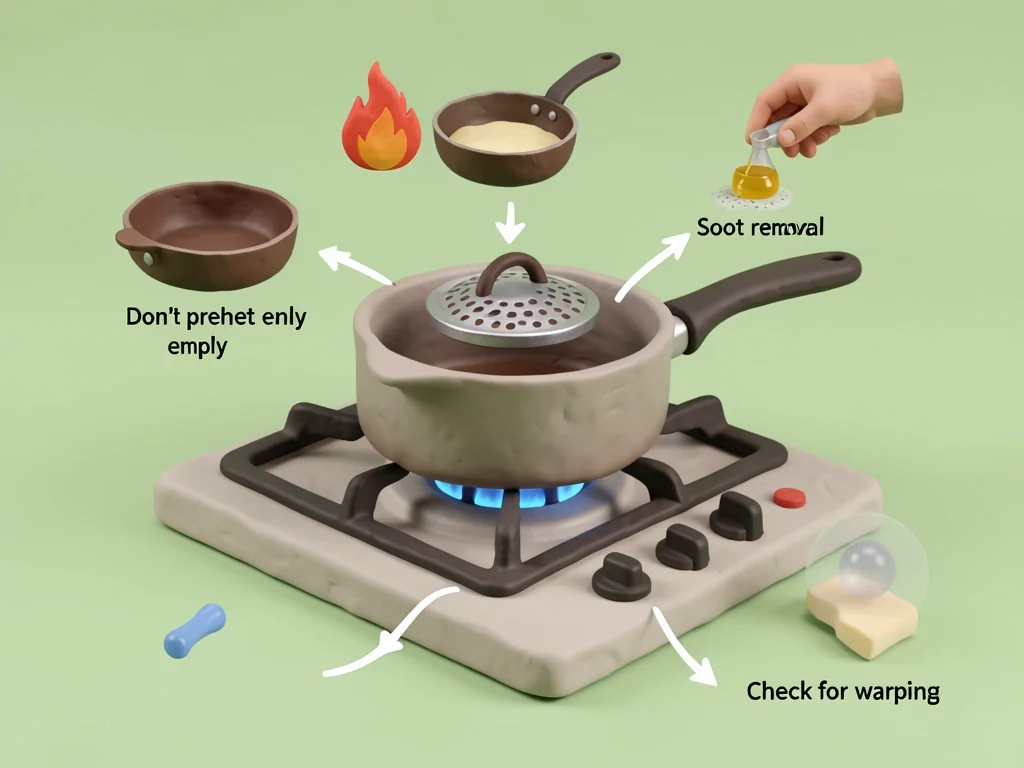
If you plan to use your induction saucepan on gas regularly, follow these tips to keep it in good shape.
- Keep the flame smaller than the pan base. If the flame wraps around the sides, it overheats the exterior and handle. Use the smallest burner that fits the pan.
- Don’t preheat an empty pan on high. An empty pan heating on gas can reach temperatures that warp the base or damage non‑stick coatings. Always add oil or liquid first.
- Use a flame spreader. A cheap metal diffuser sits between the burner and your pan, distributing heat more evenly. It’s a great way to reduce warping risk.
- Clean soot off regularly. Gas flames leave carbon deposits on the bottom. Use a non‑abrasive pad and mild soap. If you let soot build up, it can stain the stainless steel and make it harder to remove later.
- Check for warping every few months. Place the saucepan on a flat surface. If it rocks or wobbles, the base has warped. Stop using it on high heat or replace it.
Common Myths About Induction Cookware on Gas Stoves
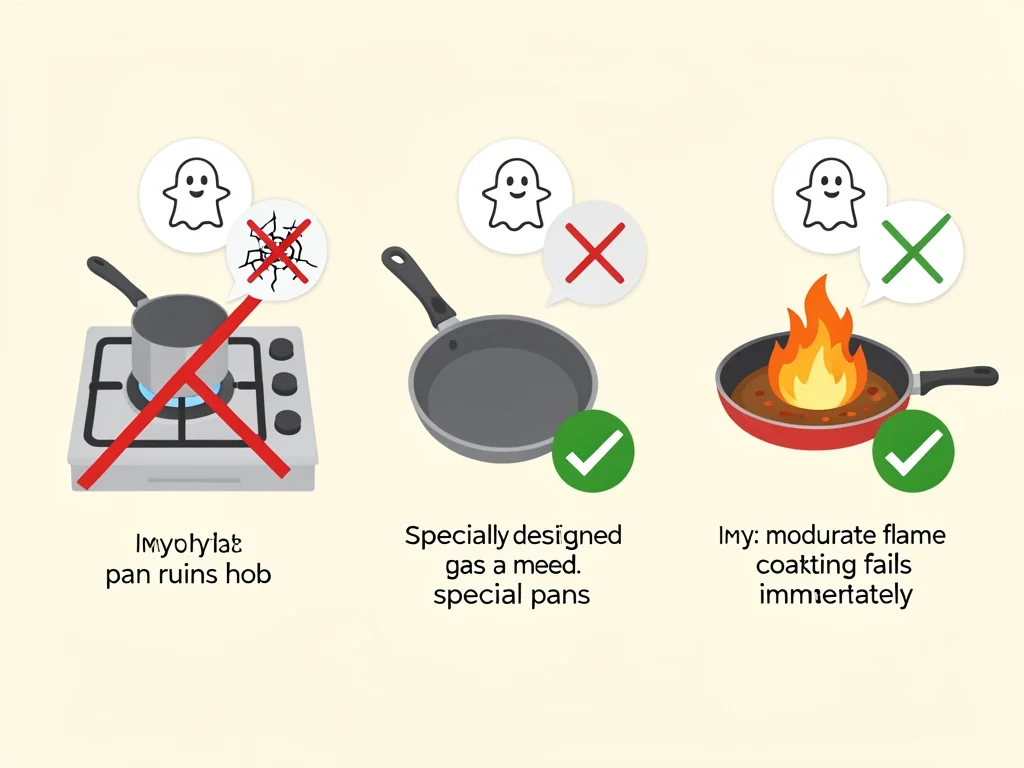
- Myth: Induction pans will ruin your gas hob. No. The pan’s metal base is no different from any other pan. As long as the bottom is flat and clean, it won’t damage the burner grates.
- Myth: You need to buy special gas‑specific pans. False. Most good induction pans work fine on gas. The exception is ultra‑lightweight camping cookware or pans with spray‑on magnetic layers.
- Myth: Non‑stick coatings will immediately fail on gas. Not true. A quality non‑stick induction saucepan will last on gas if you avoid overheating and use the right flame size. The coating fails from too much heat, not from the type of hob.
Frequently Asked Questions
Can I use an induction saucepan on a portable gas camping stove?
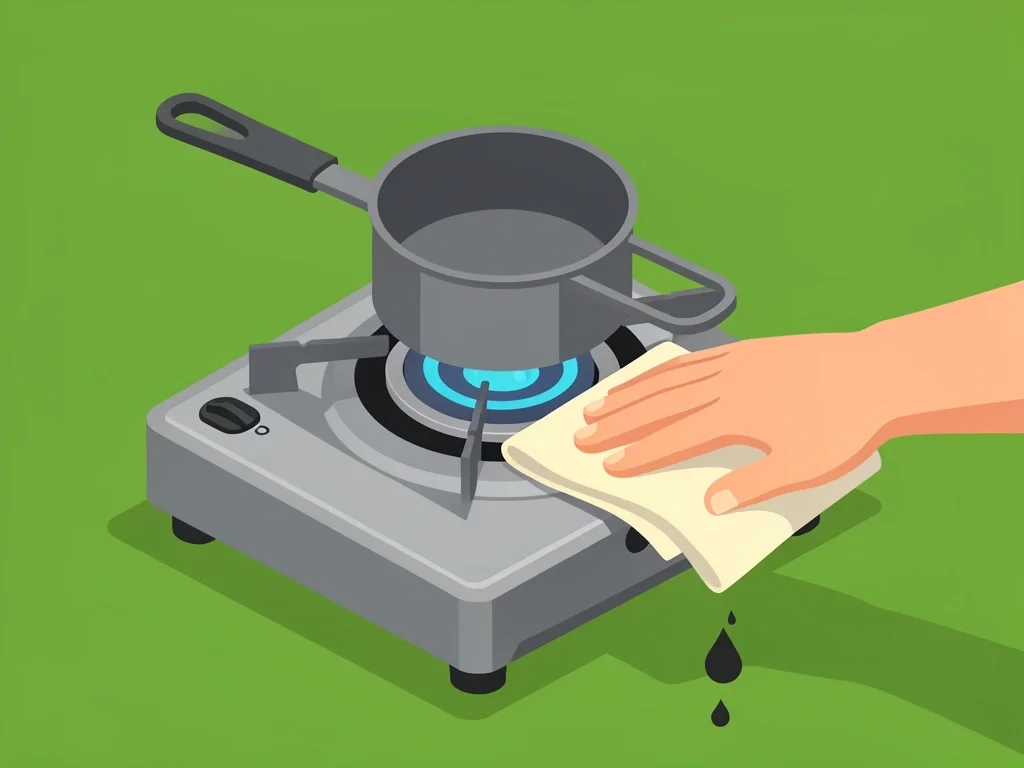
Yes, but be extra careful. Camping stoves have lower BTU output but produce more soot. Keep the flame small, and clean the bottom after each use. The pan should have a thick base to avoid warping on uneven camping burners.
Will using my induction saucepan on gas void the warranty?
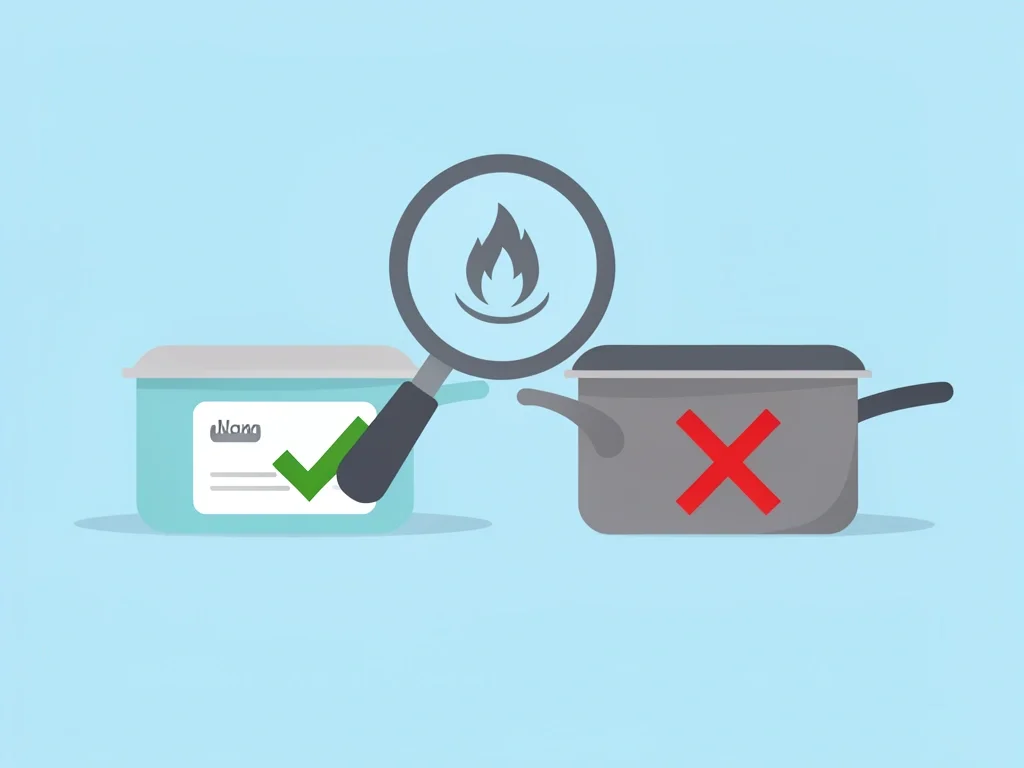
Most manufacturers like Le Creuset, All‑Clad, and Circulon state their pans are compatible with all hob types if used correctly. Check your warranty card. Using a pan with a thin base on high gas heat could be considered misuse and void the warranty. Thick‑based pans are covered.
Why does the bottom of my induction saucepan turn blue or brown on gas?
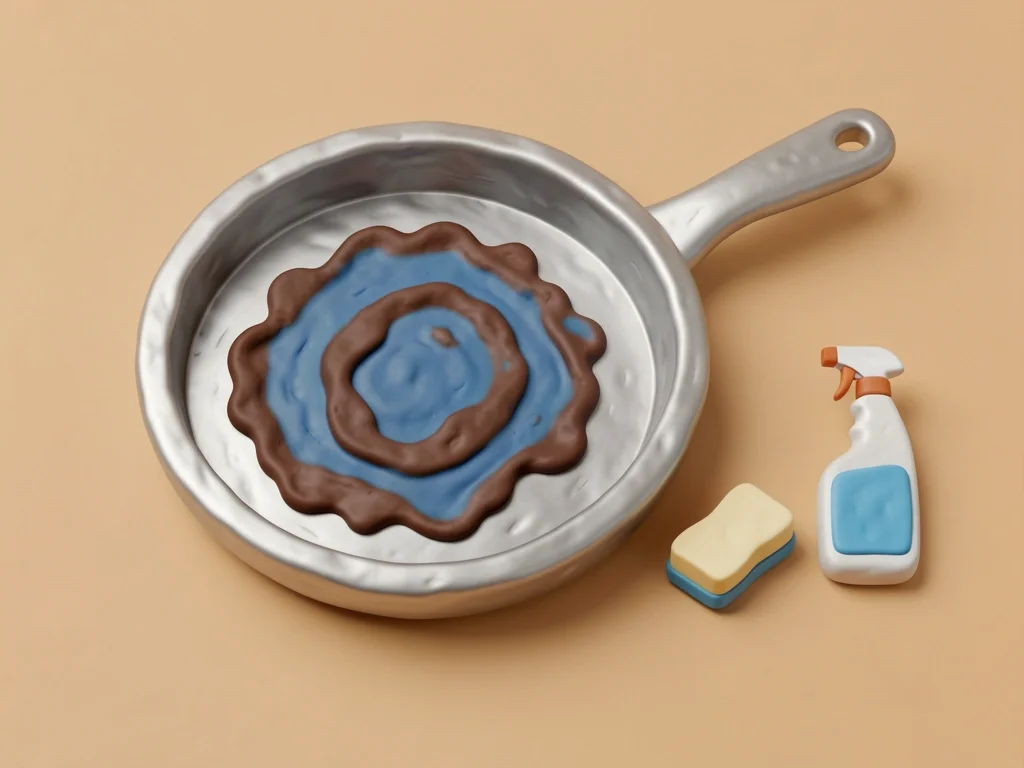
That’s heat discoloration of stainless steel. It’s harmless and cosmetic. You can polish it off with a stainless steel cleaner or a mixture of vinegar and baking soda. It won’t affect cooking performance.
Can I use an induction saucepan with a very thick copper core on gas?
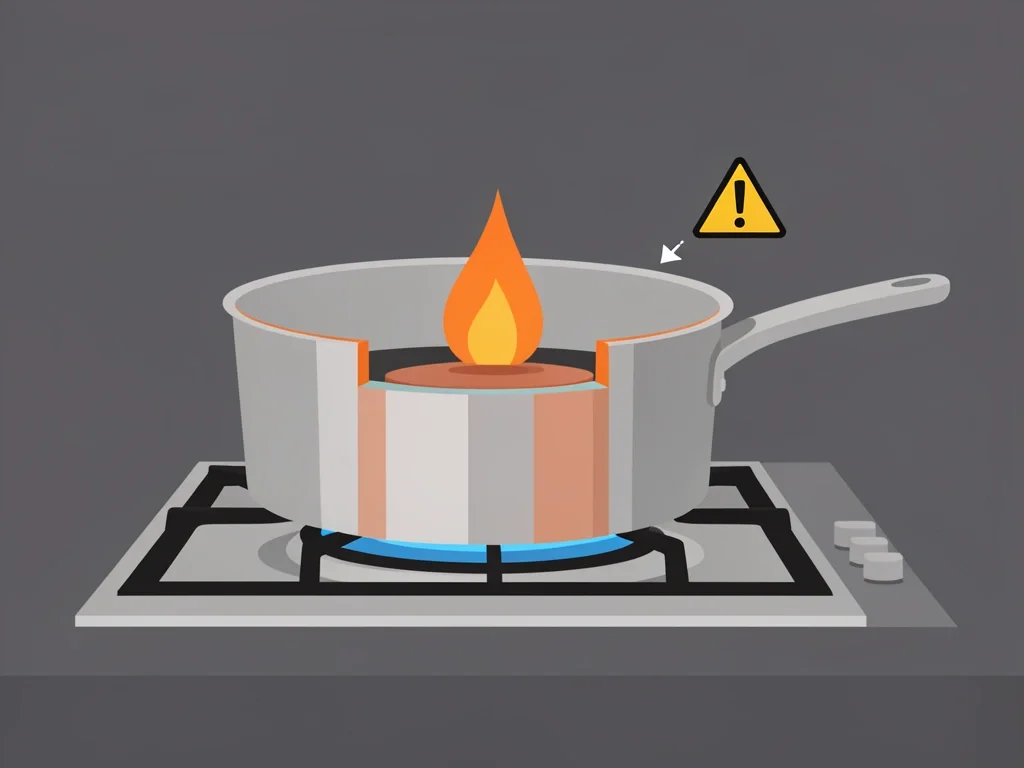
Copper core pans need careful handling on gas. Copper expands more than stainless steel, and if you heat it too fast or unevenly, the layers can separate (delaminate). Keep the flame medium, not high, and allow the pan to warm up gradually.
Is it safe to use an induction saucepan on a gas hob with a glass top?
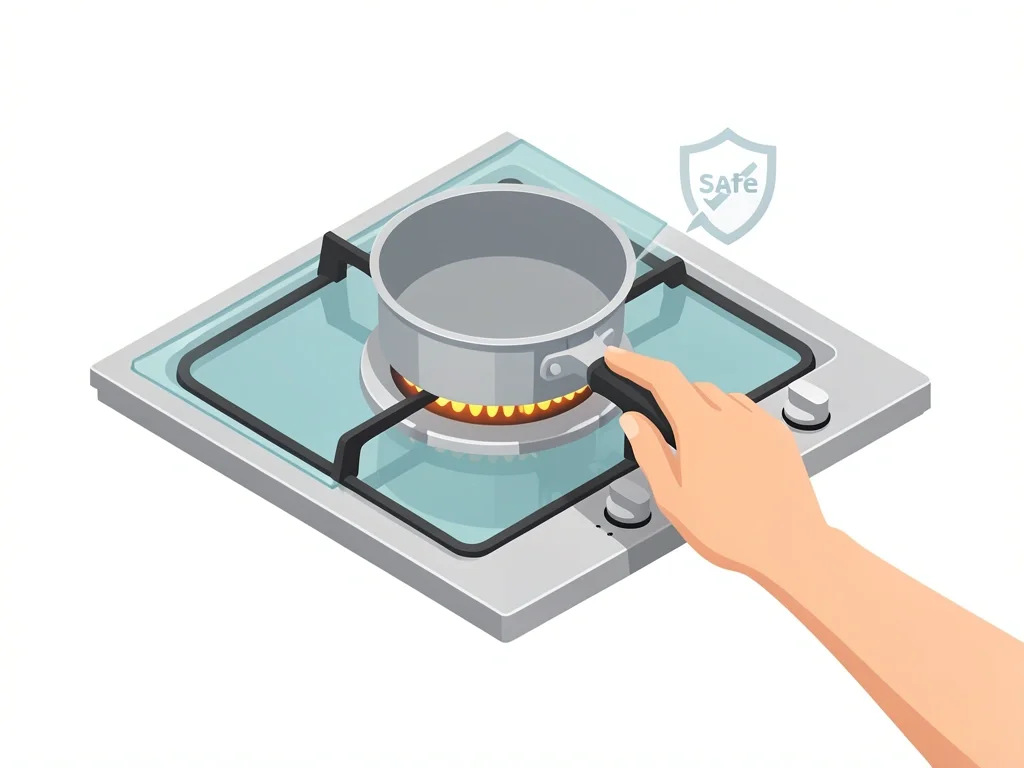
Some gas hobs have a glass surface around the burners. The pan sits on metal grates above the glass, so the glass doesn’t touch the heat directly. As long as the pan’s base is flat and doesn’t scratch the glass when you slide it, it’s safe. Avoid dragging the pan.

