Reina
Reina 
As an Amazon Associate, I may earn a small commission from qualifying purchases at no extra cost to you. This helps me create more valuable, tested content for you.
I have owned and worked with single boiler espresso machines for years.
When someone asks me, “Can you pull back-to-back milk drinks on a single boiler?” my honest answer is yes — but the phrase “back-to-back” hides the real challenge.
The machine cannot steam and brew at the same time. That’s the physical limit. But the practical question is whether you can make two or three milk drinks in a row without hating the experience.
That depends entirely on how you work around the machine’s rhythm.
Let me walk you through what actually happens when you try to do this.
I’ll share the workflow that works, the hidden thermal cost most guides ignore, and a simple self-test to decide if a single boiler is right for your household.
What the Machine Physically Does When You Switch Between Brew and Steam
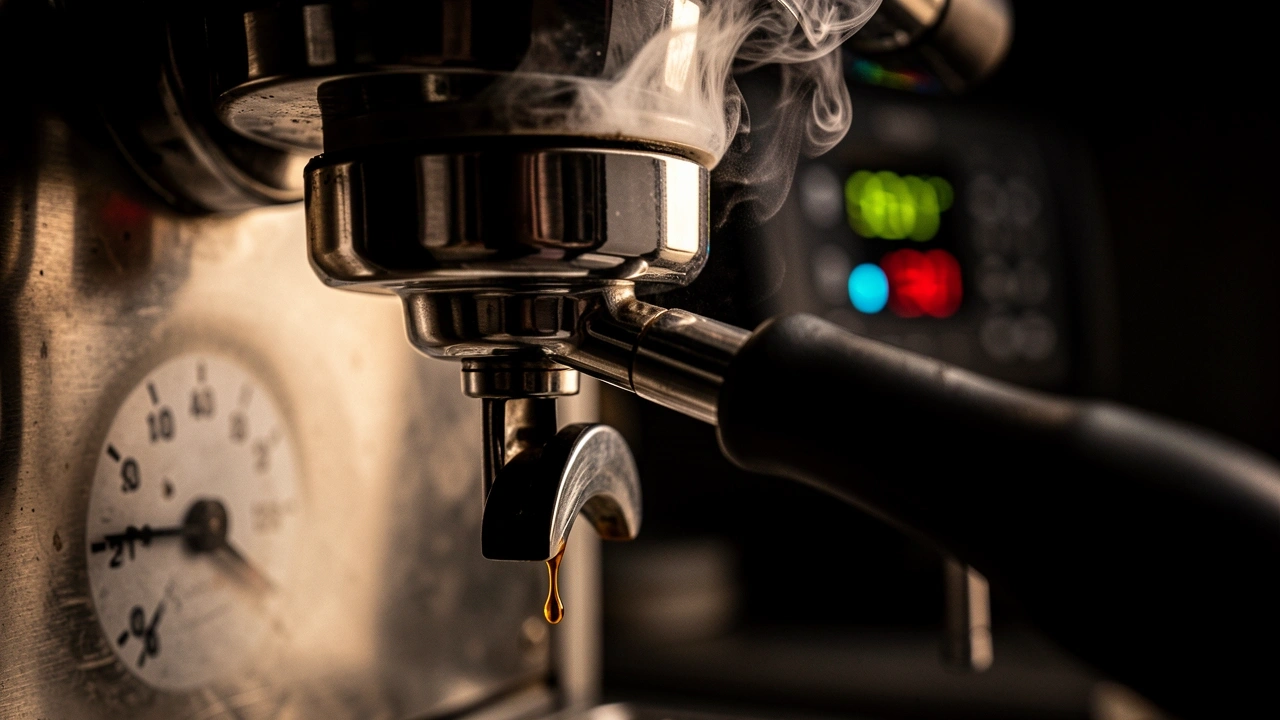
A single boiler holds water at one temperature at a time. For espresso, you need the water around 93–96°C (200–205°F). For steaming milk, you need the boiler near 130°C (266°F).
To go from brew mode to steam mode, the heating element has to raise the temperature of the entire boiler — and that takes time.
Going back to brew requires you to flush cool water through the group head to drop the boiler temperature down again.
Here is a real timeline of making two lattes back-to-back on a typical single boiler machine like a Gaggia Classic Pro or Rancilio Silvia:
Drink 1:
- T=0 seconds: Pull your first espresso shot. Boiler is at brew temp.
- T=45 seconds: Finish the shot. Flip the steam switch. Wait for the boiler to heat up to steam temperature. This takes about 45 to 60 seconds.
- T=1:45 (approx): Steam your milk for the first drink. Takes maybe 20 seconds.
- T=2:15: To get back to brew temp for the second shot, you have to flush water through the group head until the boiler cools. This takes another 30 to 45 seconds.
- T=3:00: Machine is ready to pull shot number two.
Then you repeat the whole cycle for drink two.
That means from the moment you finish the first drink to the moment you start the second, you are looking at roughly 3 minutes of waiting — plus the actual steaming and flushing time.
For two drinks, the total time from start to finish is around 6 to 7 minutes. That’s not terrible if you are only doing it once in a morning, but it feels slow when guests are waiting.
The Workaround That Changes Everything: Batch Your Shots, Not Your Drinks
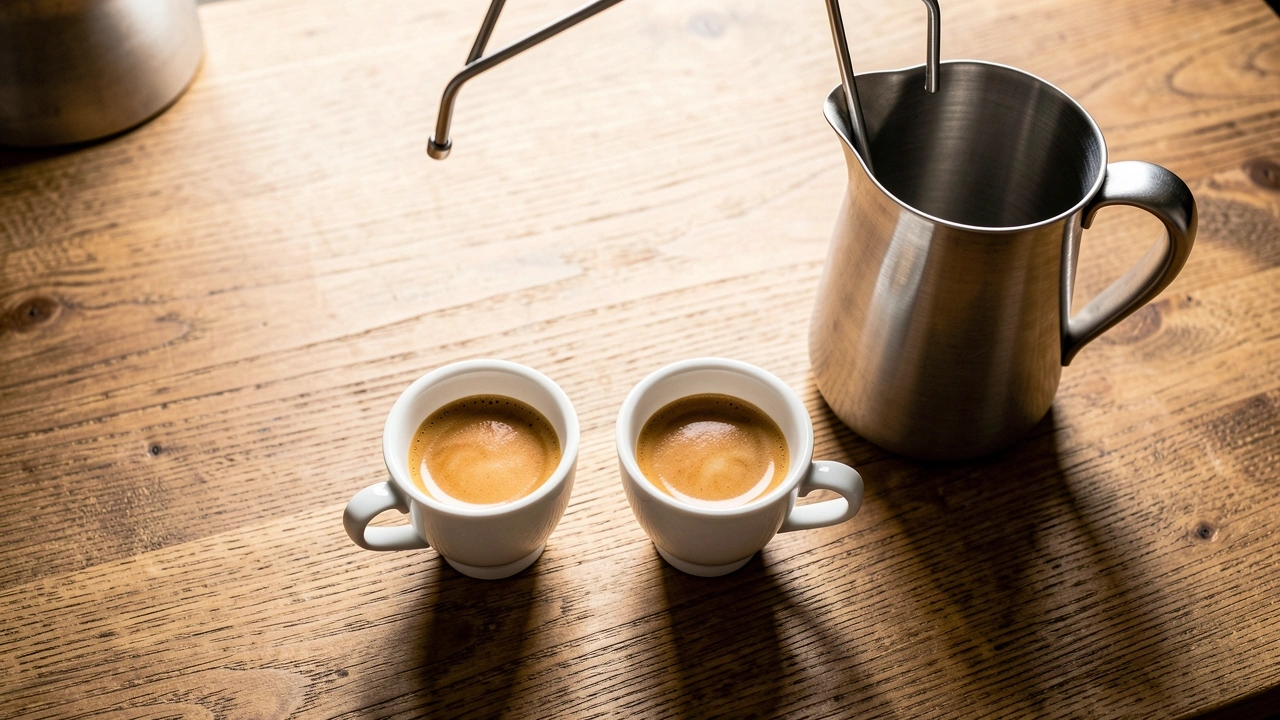
Here is the technique I learned after a year of frustration.
Instead of pulling one shot, then steaming, then pulling another shot, then steaming again — pull all your shots first, then steam all the milk at once. This cuts the total wait time by nearly half.
For two lattes:
- Pull your first double shot.
- Wait 45 seconds for the boiler to recover its brew temperature (most single boilers need a gap between consecutive shots to keep the brew water stable).
- Pull your second double shot. You now have both shots in two cups.
- Flip the steam switch. Wait 60 seconds for the boiler to reach steam temperature.
- Steam enough milk for both drinks in one large pitcher, or steam two small pitchers back-to-back (the steam pressure will drop slightly on the second, but it’s manageable).
Total time: about 4 minutes for two drinks. You save the time you would have spent flushing and reheating between each individual drink.
I use this method every morning when I make coffee for my wife and myself. It is the single best trick for single boiler owners.
Why This Works (and Why Most Articles Don’t Tell You)
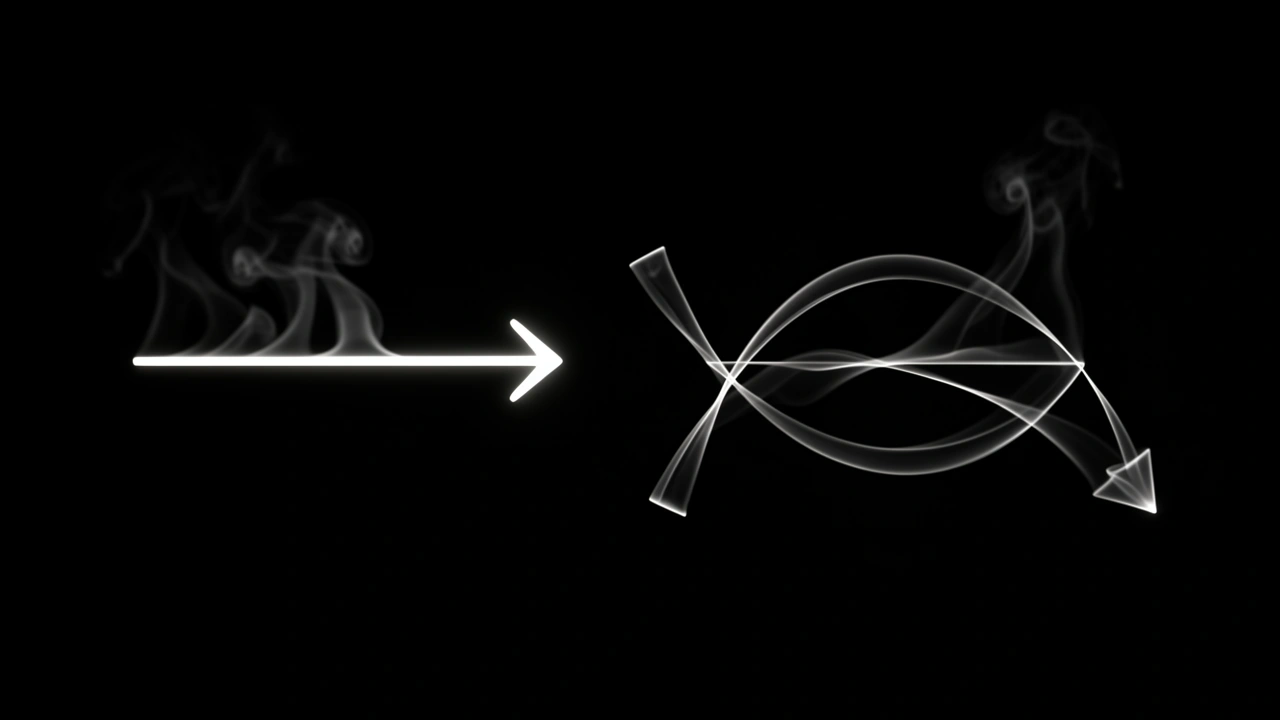
The reason this works is that the thermal penalty of switching modes is paid once instead of twice. Every time you go from brew to steam and back to brew, you waste heat and time.
By batching the shots, you avoid one round-trip. The second shot will still suffer a small temperature dip because the boiler just heated back up from the first shot.
But with a 45-second pause between shots, the brew water stabilizes well enough for most roasts. Light-roast fans may taste a difference; medium and dark roasts handle it fine.
I will be honest: if you need three or four milk drinks in a row, batch-pulling all shots before steaming still works, but you will notice the third or fourth shot getting slightly sour or under-extracted.
That leads into the next hidden problem.
The Hidden Thermal Cost That Ruins Multiple Shots
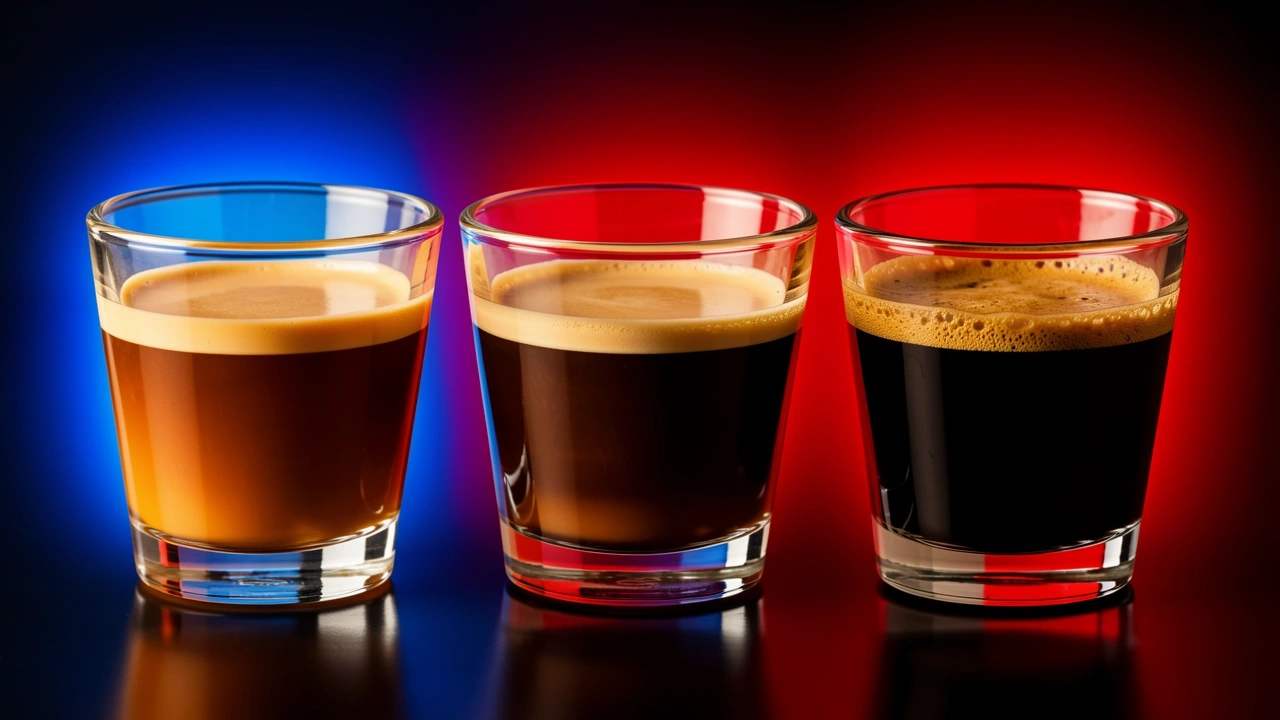
Most guides mention that a single boiler can do back-to-back drinks, but they never quantify the shot quality degradation.
When you pull two or three espresso shots in quick succession on a single boiler machine, the brew water temperature does not stay constant.
The boiler heats up during recovery, but the water in the group head and portafilter is not perfectly stable.
The result: each subsequent shot pulls at a slightly higher temperature than the previous one, because the thermal mass of the brew head has not fully cooled after the last flush.
For the second shot, the water may be 1–2 degrees hotter. For the third shot, it could be 3–4 degrees hotter.
Hotter water extracts more bitterness and can make the coffee taste harsh or over-extracted. This is especially noticeable with light roasts. Dark roasts are more forgiving.
I have measured this using a Scace device (a tool that actually monitors brew water temperature).
On my Rancilio Silvia, without any mods, the second shot pulled 15 seconds after the first came out at 94.5°C instead of the target 93°C. The third shot hit 96°C.
That difference changes the flavor noticeably. If you are making milk drinks, the milk masks some of the imbalance, but you can still taste it if you pay attention.
The Fix: Wait Longer Between Shots, or Use a PID Mod
The only way to get consistent shot temperatures across multiple pulls is to let the boiler fully stabilize between each shot.
On a stock single boiler, that means waiting 90 to 120 seconds between shots. That defeats the purpose of back-to-back speed.
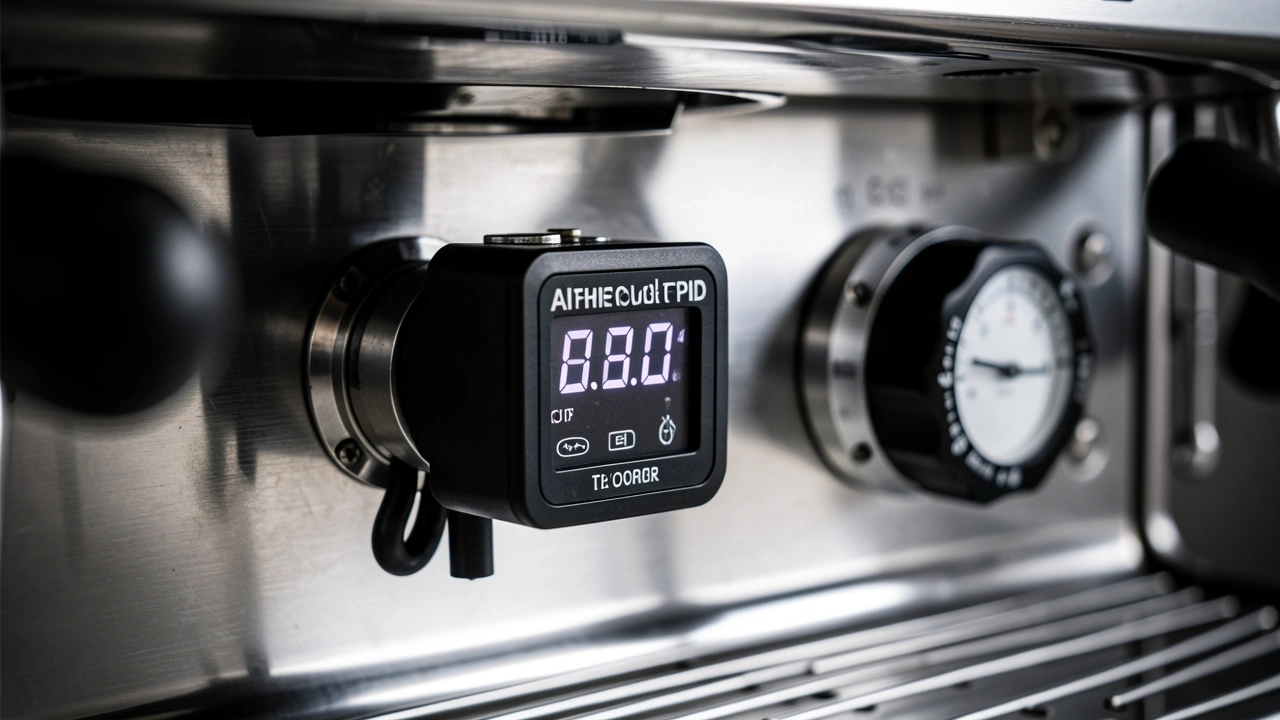
A PID controller (a cheap add-on that regulates the boiler temperature electronically) can speed up recovery and hold the temperature more precisely.
With a PID, you can reduce the gap between shots to about 45 seconds and still get stable brew water. But even with a PID, you still have to switch to steam mode and wait for it to heat up.
So if you are serious about making two or three milk drinks on a single boiler regularly, invest in a PID mod. It costs around $100 and a few hours of labor. The machine becomes much more forgiving.
Frequently Asked Questions
Can I pull 3 consecutive milk drinks on a Gaggia Classic Pro?
Physically, yes. But you will experience noticeable temperature rise on the third shot. The boiler plate cannot hold enough heat mass to keep brew temperature stable across three pulls without a gap.
Use a PID, or only steam every other drink to give the boiler time to recover.
Does the size of the milk pitcher affect steam recovery time?
No, because the boiler does not run out of steam. But a large 20-ounce pitcher requires a longer steam time, which drops steam pressure toward the end.
If you steam two small 10-ounce pitchers back-to-back, wait about 30 seconds between them to let the pressure rebuild.
Is a single boiler with a PID better for back-to-back drinks than a heat exchanger?
Yes for brew temperature stability, no for steam speed. A PID single boiler gives you precise control over shot temperature, which is better for light roasts.
But a heat exchanger machine can steam milk at the same time you pull a shot, and it never needs to wait to switch modes. So if speed is your priority, a heat exchanger wins.
If temperature precision matters more, a PID single boiler is still a strong choice.
What’s the cheapest workaround for back-to-back milk drinks on a single boiler?
Use a separate milk frother for the second or third drink. A simple electric frother costs $30 to $50. You keep the single boiler for espresso only, and decouple the steaming bottleneck.
This makes the workflow simple: pull all shots, then froth milk in a separate device. No waiting for steam recovery at all.
A Quick Self-Test: Should You Even Try Back-to-Back on a Single Boiler?
Ask yourself this:
- Do I regularly need more than four espresso-based drinks in a single sitting?
- Am I making drinks for guests who expect them all at once, with no delay?
If you answer yes to either, skip the single boiler. You need a dual boiler or heat exchanger.
But if you are a household of two people who can wait about three minutes per coffee, and you are willing to use the batch-shot technique I described, a single boiler is completely viable.
It delivers excellent coffee for a fraction of the price of a prosumer dual boiler. The enemy is not the machine — it is your expectation of speed.
Embrace the wait, and the single boiler will serve you well.