Reina
Reina 
As an Amazon Associate, I may earn a small commission from qualifying purchases at no extra cost to you. This helps me create more valuable, tested content for you.
I have spent years pulling shots on both pump types, and I can tell you the core truth right now.
A rotary pump uses spinning vanes to build a steady, quiet stream of high pressure, usually around 9 bar.
A vibratory pump uses an electromagnet to hammer water through a piston, creating a pulsing 8 to 12 bar spike that rattles the machine.
That difference in how pressure gets built goes far beyond noise and price. It touches the way each shot tastes, how long the machine lasts, and whether you can plumb it to a water line.
Here is what I have noticed from hundreds of shots side by side: the rotary pump delivers a more predictable extraction with deeper crema and richer body, while a vibratory pump gives a thinner pour that fades faster.
But picking a pump is not just about shot aesthetics. It is about your daily routine, your space, and your tolerance for hum vs quiet.
Let me walk you through the real tradeoffs so you can choose the pump that matches your home setup.
What Is a Vibratory Pump
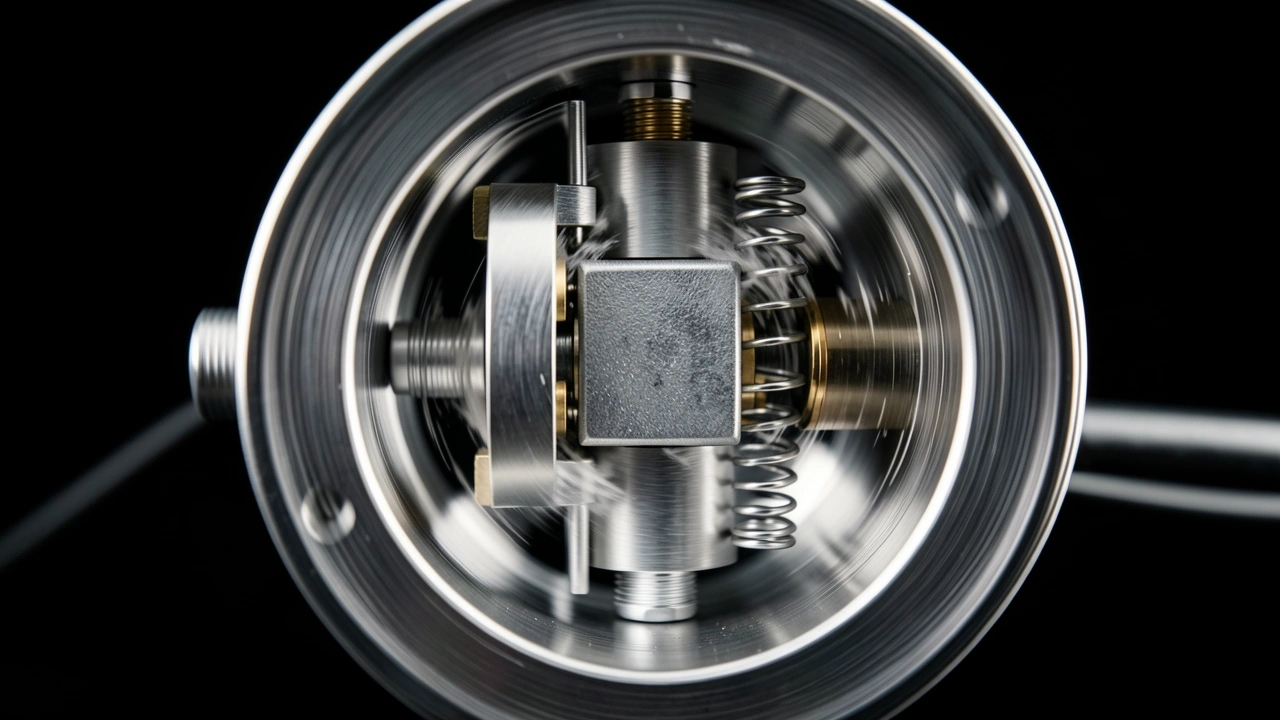
A vibratory pump is a simple and cheap design. Inside a metal cylinder, a piston sits between two spring systems.
An electromagnet energizes and snaps the piston forward, pushing a small burst of water. When the magnet deenergizes, the springs push everything back. This cycle happens about sixty times per second.
Each cycle produces a spike in pressure between 8 and 12 bar, but the pressure does not stay steady — it pulses like a heartbeat. Most vibe pumps wear out after three to five years of daily use.
Replacing them is easy because they have few parts, and I have done it myself with a screwdriver and about an hour of work.
How Vibratory Pumps Build Up Pressure
When you push the brew button, the steam bubble of pressure builds gradually. The pump is fighting against the puck resistance, and the first drips takes a few seconds to appear.
During this ramp up, the pressure gauge bounces. I have watched many shots on a vibe pump and seen the needle flicker between bar numbers. This bouncing comes from the natural pulsing action.
Some say that is a form of pre-infusion, but I do not see it that way. Real pre-infusion uses constant low pressure to wet the puck evenly. A vibe pump does not wets the puck with spikes.
In my experience, this can cause over-channeling on the dry side of the puck, leading to sour or bitter streaks in the cup.
What a Rotary Pump Does Different
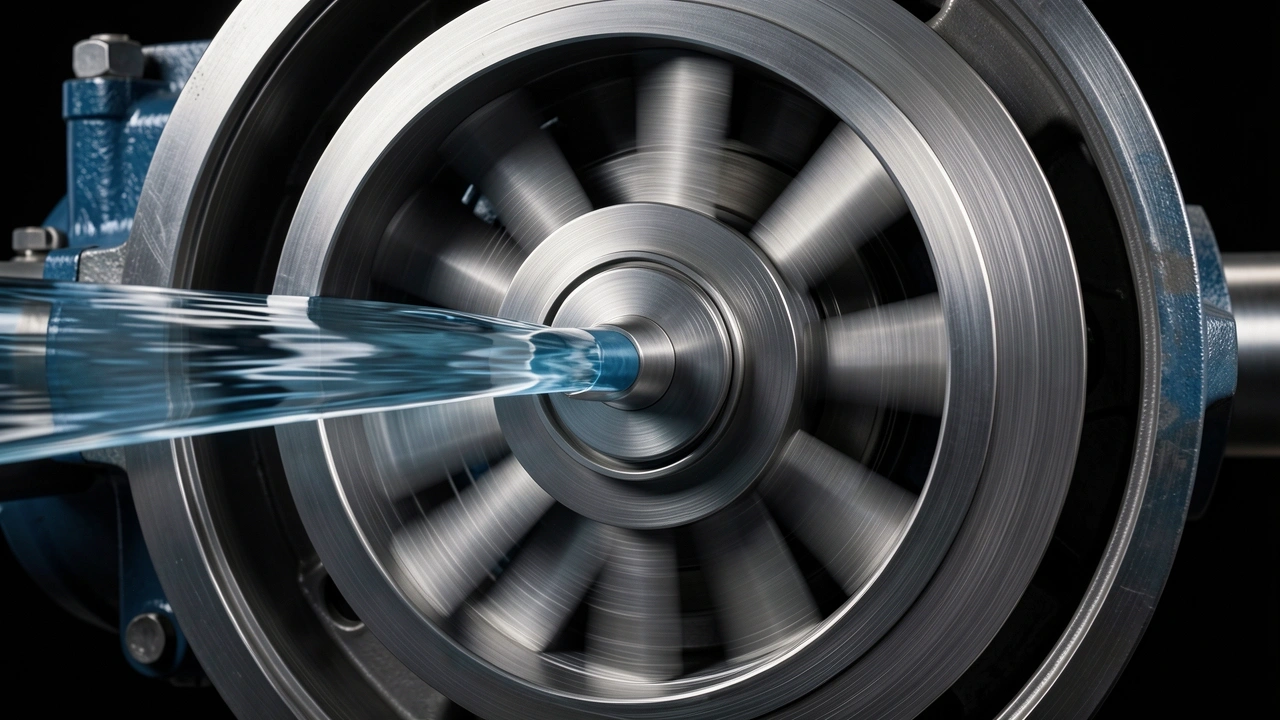
A rotary pump uses a spinning rotor with sliding vanes inside a cam ring. As the rotor spins fast, water gets trapped between the vanes and pushed out under constant high pressure.
The pressure is a mechanical outcome of the pump’s design, not a result of electrical pulses. You adjust the pressure by turning a screw that changes the tension on a spring inside the pump.
Once set, the pump maintains steady 9 bar even as water changes temperature or the puck saturates.
That steady flow is why the machine makes less noise too — no clicking or thumping, just a quiet whirr of the motor.
Plumbing a Rotary Pump to the Water Line
Rotary pumps prefer a consistent water supply from the mains. If you decide to plumb the machine in, you get a constant water source and you never need to refill a reservoir.
I have had a plumbed machine for years, and I barely think about water except during maintenance.
You still need a valve to reduce household water from 50 to 60 psi down to the 35 to 40 psi the pump likes.
Because it pulls from a pressurized line, there is no risk of vapor bubbles or the pump running dry, on a machine dialed in for a repeatable extraction.
The Taste Test I Did
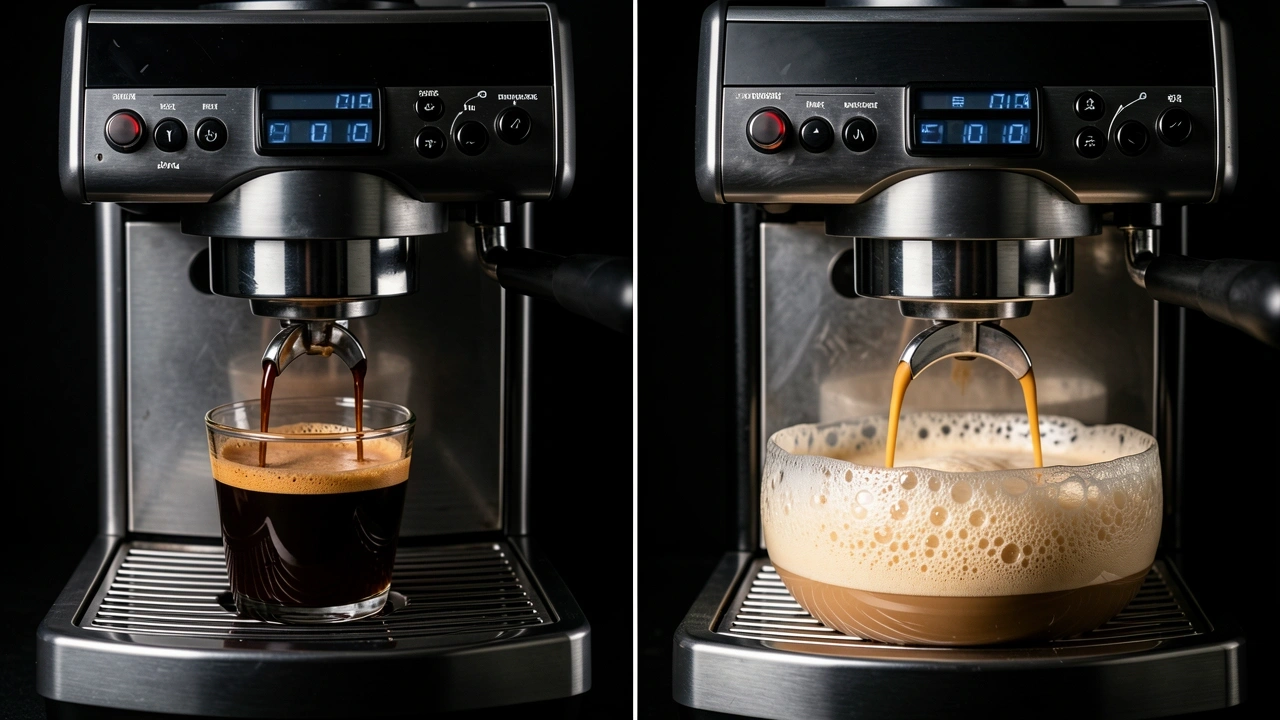
I set up two near-identical Rocket machines side by side. The first one had a rotary pump; the second one had a vibratory pump.
Both had PID temperature controllers, 17.5 grams of the same coffee at a medium roast, and same grind setting on a good burr grinder.
I run water from each machine into a blank portafilter to preheat the group. I watched every shot on a gauge and did not tamp differently.
The rotary pump machine came to life almost instantly, reaching 8 bar after just a few flip of the paddle.
The shot poured with a dense, dark crema that held structure for minutes after I cut flow at 29 seconds. The viscosity in the cup felt like velvet.
The vibratory pump machine, with the same coffee, grind, and temperature, spent about 2 seconds longer traveling to the first drops of extraction.
The gauge needle bounced between 8.5 and 9.2 bar during the shot.
When I caught the same volume at 29 seconds after first drip, the crema was lighter and had a rough, bubbly surface that broke apart quickly. The flavor was less layered and more sharp.
What The Shot Differences Mean For You
That phase of feeling less crema and a thinner body showed exactly how much pressure consistency matters.
I know there are arguments that the difference is small, but I can see it in the cup every time.
Still, if you are a casual drinker who just wants a decent milk-based drink, a vibration pump gets the job done.
You can still make excellent espresso if you pre-infuse the puck with a few slow drops before full pressure.
But I find that many machines do not have that feature, and the pulsing pressure causes harder-to-expected results.
Noise Differences Between the Pump Types

This is not trivial if you share walls with neighbors. I measured a typical vibe pump at 68 decibels from one meter away. That is the sound of a vacuum cleaner running in the next room.
The machine clicks while the electro magnet energizes, then thumps when the piston hits its stop. Only a rotating sound are uniform, which creates a dull hum.
A layout pump measures about 48 decibels, which is quieter than a quiet part of the afternoon.
In a small apartment where you pull shots at 6 am, a vibe pump audience might wake two rooms, while a rotary machine will let you sleep in.
Price and Long Term Cost of Ownership
You see rotary pumps on machines that cost over two thousand dollars, and the premium for the pump itself is between 200 and 300 dollars over a good vibe pump.
But the hidden cost is in the extra parts. Rotary machines usually have bigger motors, stronger solenoids, and pressure gauges that make the entire machine more expensive.
The real cost of ownership does not stop at the purchase. Here is a direct cost guide of what I see over six years of use.
| Pump Type | Buy Price (approx) | DIY Replacement Time | Expected Life (shots) | Maintenance Cost per 2 Years |
|---|---|---|---|---|
| Vibratory pump (vibe) | $40 – $80 | 1 hour | 3000 – 5000 | $0 unless failure |
| Rotary pump (rotary) | $180 – $300 | 1.5 – 2 hours | 5000 – 10000 | $60 (for new vane set every 3 years) |
If you are pulling 3 to 4 shots per day, a $1000 price difference? But really you are paying for that 10-year service life. With a vibe pump, you drop it out after four years, are happy.
With a rotary, you rebuild the rotational components to keep it running for fifteen years. The initial investment can schedule a long shift if you plan to keep the machine indefinitely.
Which One Should You Buy for Your Home
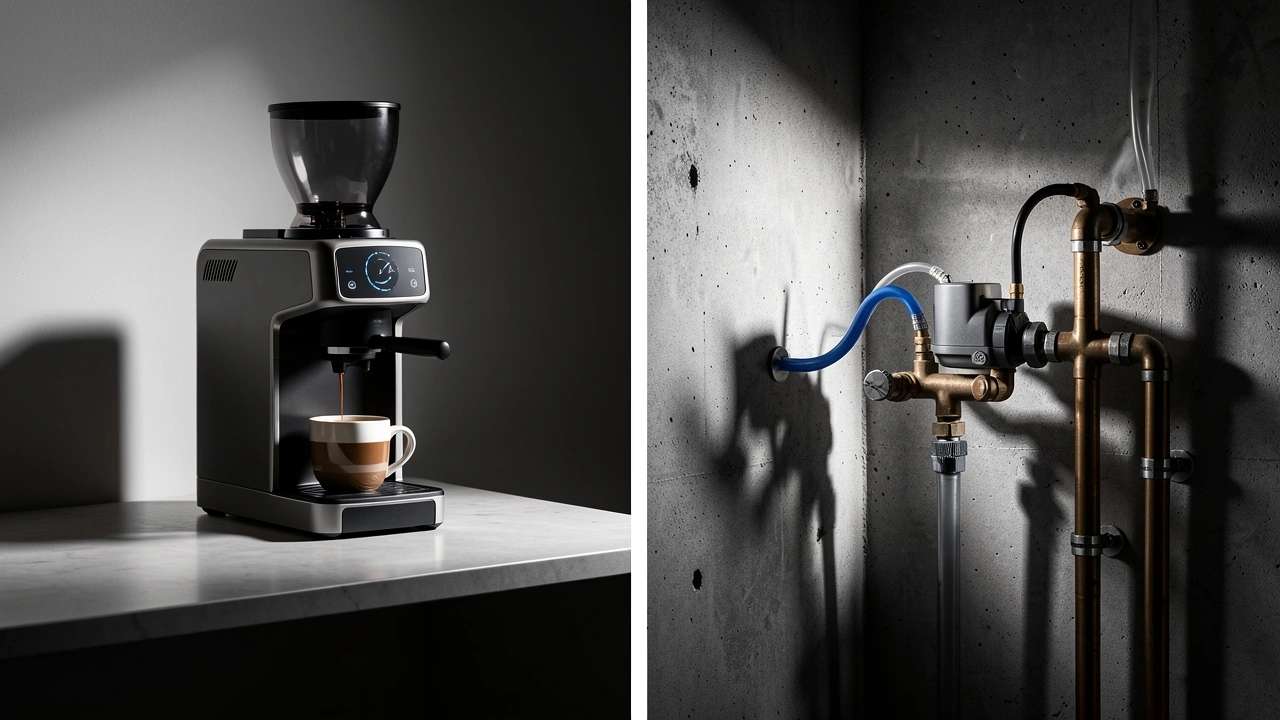
Stick With a Vibe Pump If
- You pull 1 to 2 shots max per morning and need a cheap entry into good espresso.
- You prefer a reservoir and are not interested in plumbing a line.
- Noise does not bother you. You can place the machine on a counter away from bedrooms.
- You want to change machines in 2 to 3 years anyway without losing much money.
Move to a Rotary If
- You plan to pull more than 3 shots per day or host a small home crowd.
- You have a permanent coffee space with access to a household water line.
- You cannot stand the noise of a vibrating machine or you live with light sleepers.
- You are obsessive about shot quality and want the most predictable pressure curve.
- You might add flow control later. Rotary pumps handle needle valves better.
Can You Swap a Vibe Pump for a Rotary
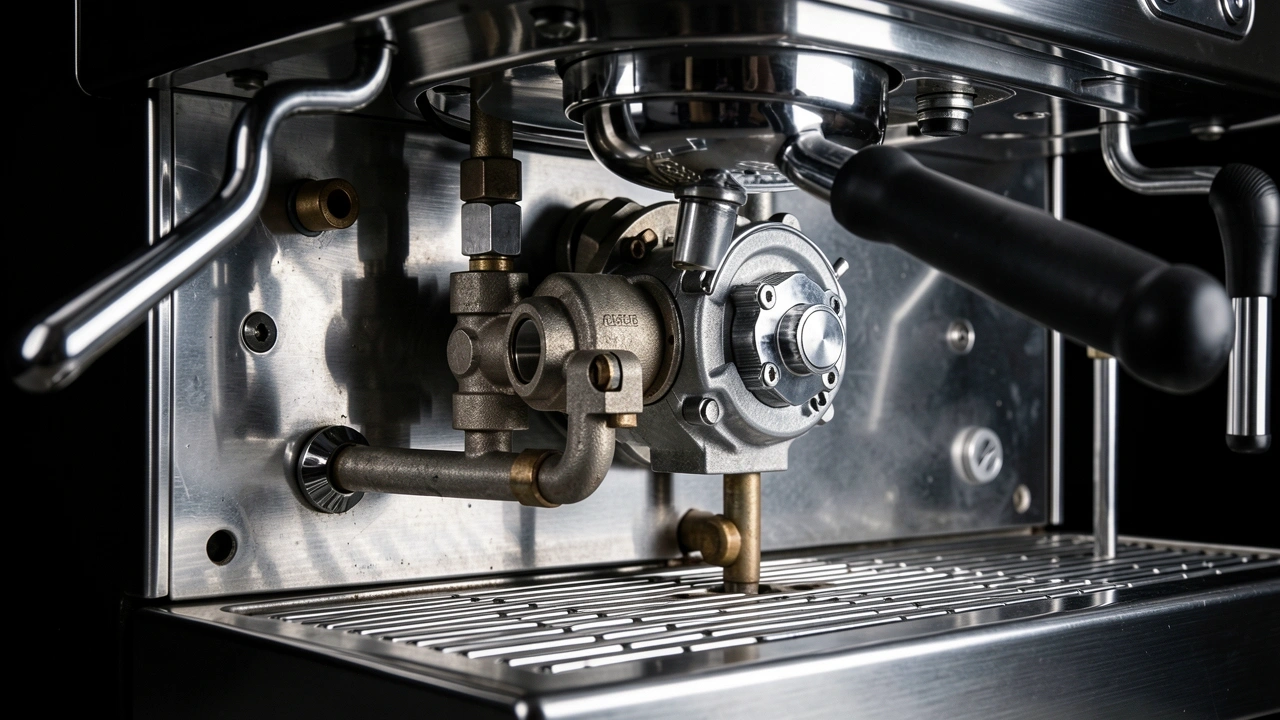
I would say no, at least not in most home machine designs. The rotary pump needs a different motor, a bigger solenoid, and often a different plumbing setup.
The frame is typically not designed to handle the hang weight of the rotary pump bracket. If you try it, you risk the vibration working the adapters loose.
A few premium machines from brands like Expobar have a model that supports a conversion, but those are rare. My advice is to buy the pump that fits the level of use you intend from the start.
The upgrade is too expensive and frustrating to do later.
The Myth of Pre-Infusion With Vibe Pumps
I hear this claim a lot. Vibe pumps do not pre-infuse in real terminology because pre-infusion needs steady low pressure like 1 to 3 bar.
A vibe pump starts with no pressure and takes a bit of time to build, but during that build it throws inconsistent pulses into the puck.
Sometimes it hits moisture pockets harder and causes different saturation. A dedicated pre-infusion valve is a separate component that holds a more stable low pressure regardless of pump type.
Do not count your raw vibe for pre-infusion.
Frequently Asked Questions
Can I flow profile with a vibe pump?
It is very passing. The natural pulsing of the pump interferes with a needle valve or even manual lever control. The leads or bleeding of pressure gets lost.
Flow profiling works best with a rotary pump, a strong bypass valve, and a manual flow restrictor.
Does the same pump brand make both types?
Yes. The common vibe pump brands are Ulka and Fluid O Tech. The most common rotary pump makers are Procon and Fluid O Tech. They are as universal parts in the espresso world.
How do I know what decibel differential is relevant?
When the human ear can detect a difference of about 3 decibels. Jumping from 48 (rotary) to 68 (vibe) is a big difference. The vibe pump is not just more decibels, it’s a higher frequency noise.
Avg life of a vibe pump vs rotary pump?
A vibe pump lasts about 3000 to 5000 shots or 5 to 7 years at 2 per day. A rotary pump with regular vane replacements lasts 5 to 10 years or over 10000 shots.
Do rotary pumps require a tank?
Not if you plumb them in. Mechanical rotary pumps use a line pressure from the water line. A flip of the switch is when when the line feeds the pump.
With a tank, a rotary pump often requires a prime shuttle, but deem machine maintain a low pumping switch.