 Reina
Reina 
As an Amazon Associate, I may earn a small commission from qualifying purchases at no extra cost to you. This helps me create more valuable, tested content for you.
Yes, you absolutely can. A standard saucepan is actually one of the best tools for cooking rice on the stovetop. I’ve been making rice in saucepans for years, long before I owned a rice cooker, and it works just as well once you understand a few simple rules. You do not need a special pot, a Dutch oven, or any fancy gadget. A saucepan is the right size, shape, and material for the job — assuming you pick the right one and use it correctly.
What Makes a Saucepan Suitable for Rice
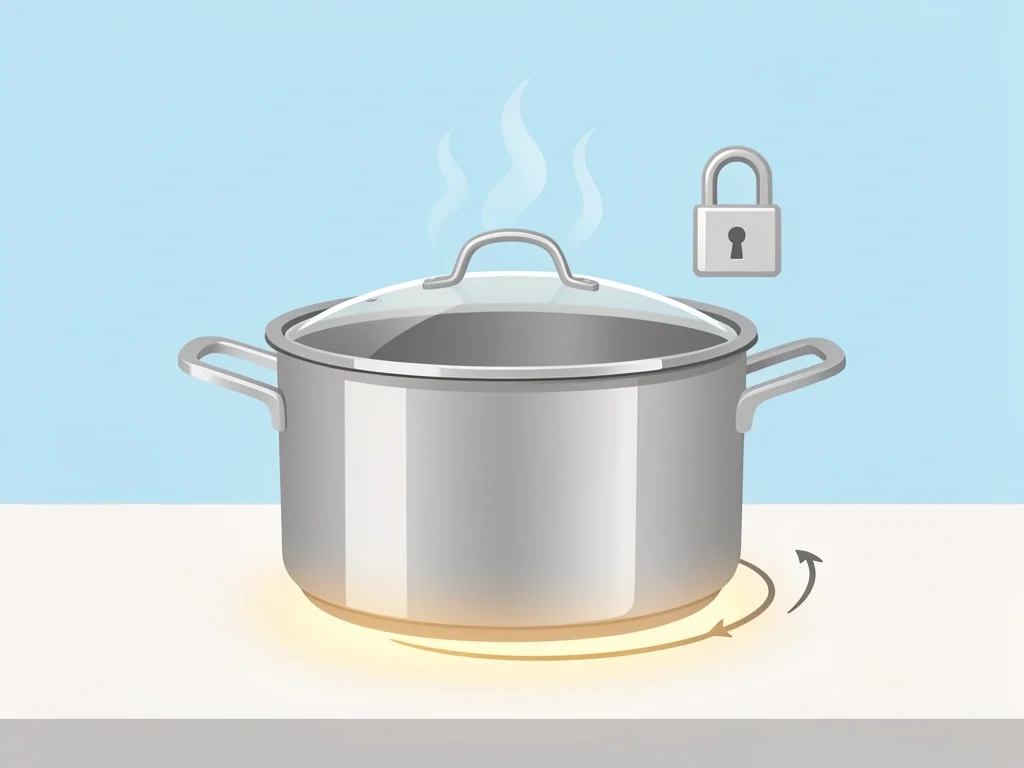
Not every saucepan is equal. I’ve ruined batches of rice in thin, flimsy pans and in massive stockpots that were way too big. Here is what to look for in a saucepan if you want fluffy, evenly cooked rice.
Material
A heavy-gauge stainless steel or anodized aluminum saucepan with a thick, multi-ply base is ideal. The thick base distributes heat evenly so you don’t get hot spots that scorch the rice. Enameled cast iron also works great, but it is heavy. Avoid thin, lightweight saucepans — they heat unevenly and burn the bottom almost every time. If you only have a thin pan, you can still make it work, but you need to be extra careful with the heat (more on that later).
Lid
The lid must fit tightly. Rice cooks by absorbing steam, so you need a good seal. If steam escapes, the rice will be undercooked or uneven. A glass lid is helpful because you can check without lifting it, but any tight lid works. If your saucepan doesn’t have a lid, you can cover it tightly with aluminum foil.
Size
This is where most people go wrong. Your saucepan needs to be about four to five times the volume of the rice and water combined. For one cup of dry rice, you need a saucepan that holds at least 2.5 quarts. If the pan is too small, the water will boil over and make a mess. If it is too large, the liquid evaporates too quickly, and the rice will be dry or burnt. For two cups of rice, use a 4-quart saucepan. For three cups or more, switch to a stockpot — a standard saucepan is too narrow at that volume.
Step-by-Step: Stovetop Rice in a Saucepan
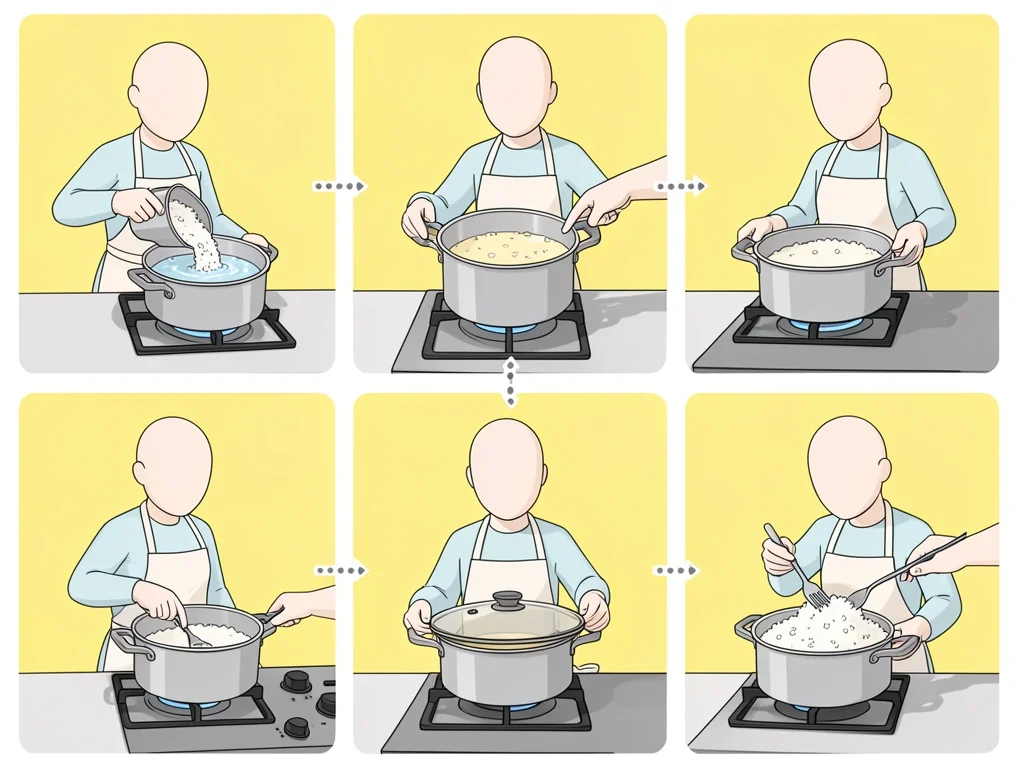
I have made rice this way hundreds of times. It never fails when I follow these steps exactly.
- Put the rice and cold water into the saucepan. Use a ratio of 1 cup rice to 1.5 cups water. Do not rinse the rice unless you want to — for this method it is optional. If you do rinse, reduce the water by 2 tablespoons per cup of rice.
- Place the saucepan over medium-high heat, uncovered. Watch for the surface of the water to start bubbling gently — not a rolling boil, just a steady simmer with small bubbles. This usually takes 3–5 minutes.
- As soon as you see that gentle simmer, turn the heat down to the lowest setting on your stove. Immediately cover the saucepan with the lid. Do not lift the lid again until the rice is done.
- Let it cook for 13 minutes for standard white rice (long grain, medium grain, or short grain). If you are at high altitude, add 1 minute for every 1,000 feet above sea level.
- After 13 minutes, turn off the heat. Keep the lid on. Let the saucepan sit on the burner for another 10 minutes. This resting period is essential — the residual heat finishes cooking the rice and absorbs any remaining moisture.
- Remove the lid, fluff the rice with a fork (not a spoon, which can crush the grains), and serve.
Adjusting for Your Specific Saucepan
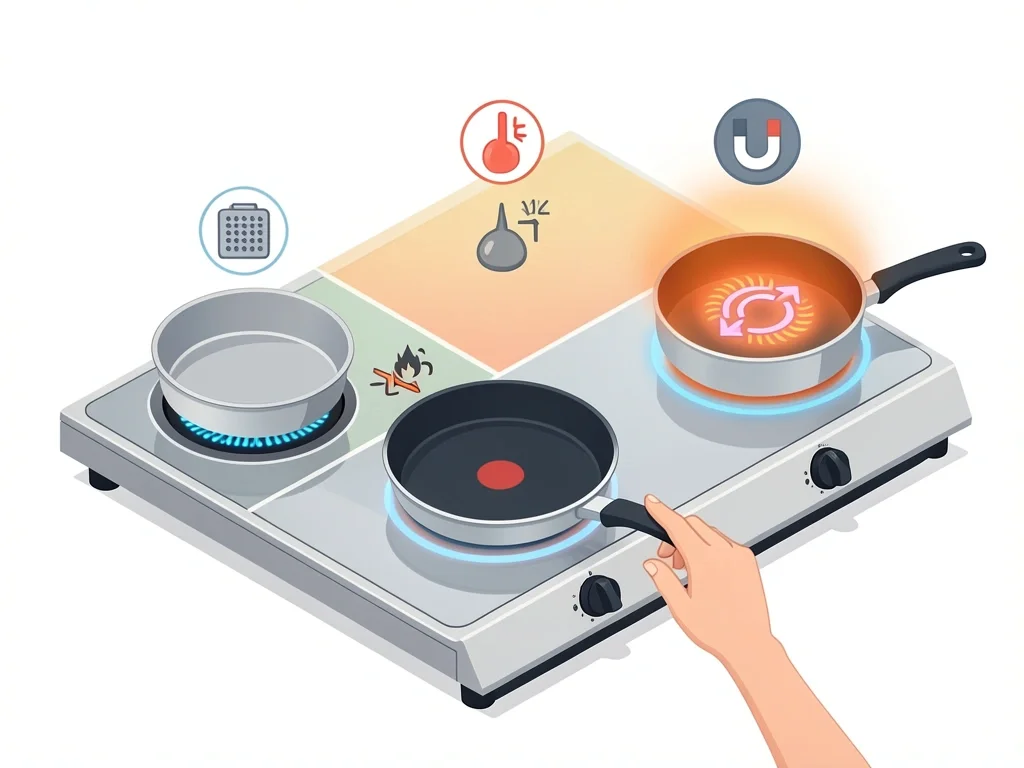
Every saucepan behaves a little differently. Here is how to adapt based on your pan’s quirks.
Thin-bottomed saucepan
If your pan has a thin base, place it on a heat diffuser before turning on the stove. This prevents scorching. You may also need to add 1 to 2 tablespoons extra water to compensate for faster evaporation. Keep the heat as low as possible after covering.
Non-stick saucepan
Non-stick works fine, but do not use high heat because it can damage the coating. Follow the same steps, but after the simmer, reduce heat to low immediately. The cooking time may be slightly shorter — try 11 to 12 minutes first and check.
Induction cooktop
Your saucepan must have a magnetic base. Test with a magnet — if it sticks, it will work. Induction heats faster, so you might need to lower the heat a notch sooner than on gas or electric. Otherwise, the same method applies.
Gas vs. electric
Gas responds quickly, so you can easily drop the heat right after the simmer. Electric coils or ceramic cooktops retain heat longer. If you use electric, remove the saucepan from the burner for a few seconds after turning it down to prevent the pan from staying too hot.
When a Saucepan Is the Wrong Choice
Sometimes a saucepan is not the right tool. Here are two common situations:
- Saucepan too small: If your saucepan holds less than 2 quarts and you want to cook 1 cup of rice, you will get a boil-over. Use a small pot instead, or reduce the rice to 1/2 cup.
- Saucepan too large: If your saucepan is 4 quarts or bigger and you only cook 1 cup of rice, the liquid will evaporate too fast. The rice will be undercooked or the bottom will burn. Either use a smaller saucepan or increase the water by 2 tablespoons and cover the pan tightly with foil if the lid doesn’t fit well.
Common Misconceptions About Cooking Rice in a Saucepan
Let me clear up a few things I hear all the time.
“You must rinse rice when using a saucepan to prevent stickiness.” Not true. Stickiness comes from too much water or stirring, not from lack of rinsing. With the 1:1.5 ratio and no stirring, the rice turns out fluffy even without rinsing.
“A saucepan will make rice gluey because it is too narrow.” Also false. The narrow shape does not cause gumminess. Gluey rice happens when you stir the rice while it cooks (which activates starch) or when you use too much water.
“You need a heavy-bottomed pot for even cooking.” That is mostly true, but not a dealbreaker. A thin saucepan can work if you use low heat and a diffuser. It just takes a little more attention.
How Much Rice Can You Cook in a Standard Saucepan?
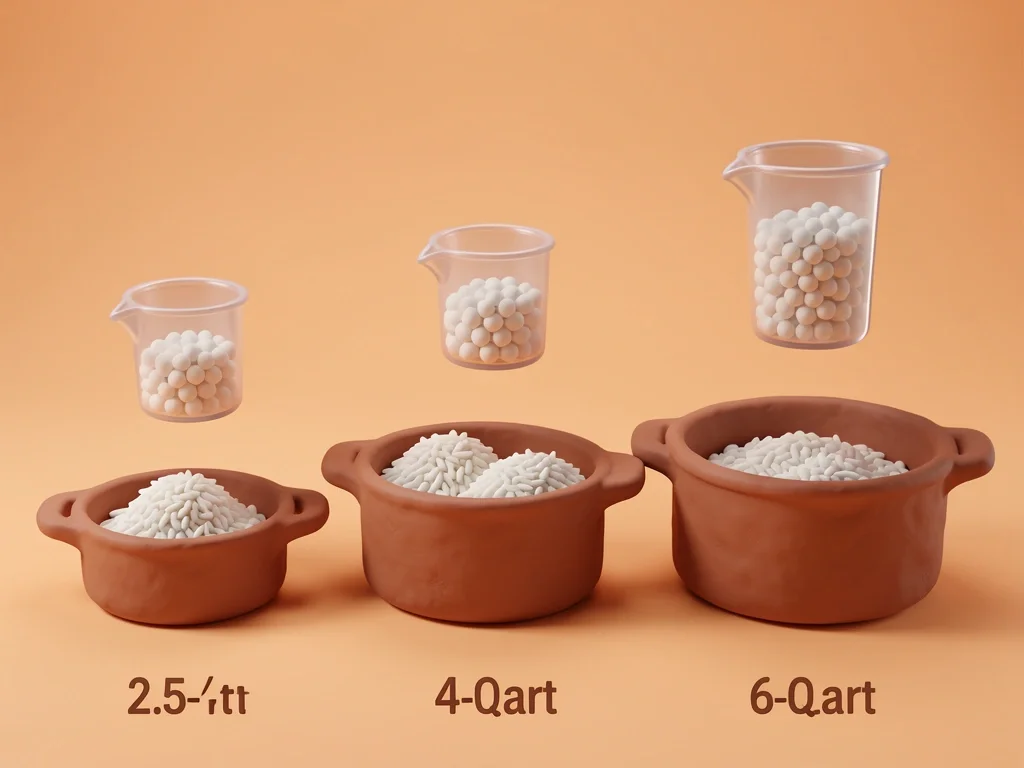
Here is a quick reference for how much dry rice fits in common saucepan sizes:
| Dry rice (cups) | Minimum saucepan size | Notes |
|---|---|---|
| 1 cup | 2.5 quarts | Perfect for a standard medium saucepan |
| 2 cups | 4 quarts | Works well; use a larger saucepan or small pot |
| 3 cups | 6 quarts or stockpot | Saucepan too narrow; switch to a wider pot |
If you try to cook more than 2 cups of rice in a standard 2.5-quart saucepan, the rice will be too crowded and the cooking will be uneven.
Frequently Asked Questions
Can I use a saucepan without a lid to cook rice?
No. The lid traps steam, which is essential for absorption cooking. If you do not have a lid, cover the saucepan tightly with aluminum foil. Make sure there are no gaps.
Can I cook brown rice in the same saucepan?
Yes, but it takes longer — 40 to 45 minutes on low heat — and you need more water: 2 cups of water for every 1 cup of brown rice. Your saucepan must have a tight lid to hold steam for the extended time. If the lid is loose, the water will evaporate before the rice is done.
Will a saucepan work on an induction cooktop?
Only if the saucepan has a magnetic base. Test with a magnet. If the magnet sticks, it works. Saucepans made entirely of aluminum or copper (without a magnetic layer) will not heat on induction.
Can I leave cooked rice in the saucepan to keep warm?
Not for longer than 30 minutes. The trapped steam will make the rice mushy. If you need to keep it warm longer, transfer the rice to a bowl and cover it loosely, or turn off the stove and crack the lid open slightly.
Why does my saucepan rice sometimes have a burnt bottom?
Two common reasons. Either the saucepan is too thin for your stove’s lowest setting, or you used too little water. Fix it by using a heat diffuser, or by lowering the heat even further. Also check that your pan is not too big for the amount of rice — that causes the liquid to evaporate before the rice is cooked.

