 Reina
Reina 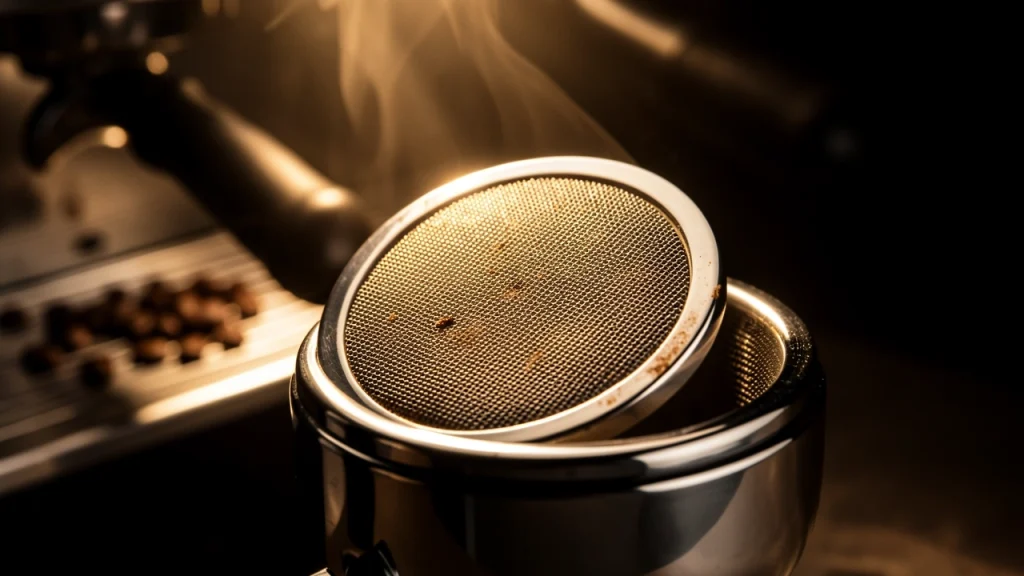
As an Amazon Associate, I may earn a small commission from qualifying purchases at no extra cost to you. This helps me create more valuable, tested content for you.
Yes, an espresso puck screen can keep your machine cleaner—by acting as a sacrificial barrier between the coffee puck and the shower screen—but only if you’re willing to maintain it properly.
Here’s what it is, how it works, and where the real trade-off lies.
What Is an Espresso Puck Screen?
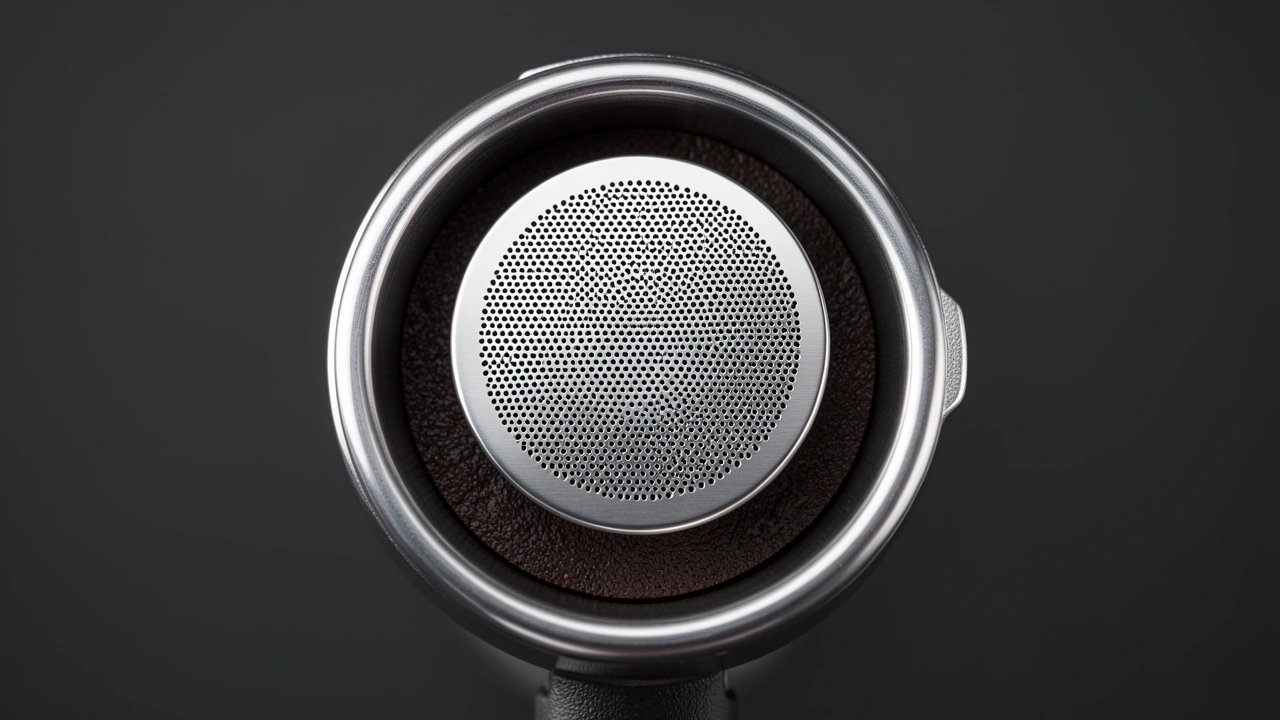
An espresso puck screen is a thin, round disc made of stainless steel with hundreds of tiny holes. Most are about 1.7 millimeters thick and have pores between 150 and 200 microns.
You place it on top of your tamped coffee inside the portafilter before locking it into the group head. The screen sits between the shower screen and the coffee puck during the shot.
The main job is to spread water evenly across the puck and stop coffee grounds and oils from touching the shower screen. Common sizes match portafilter diameters: 49 mm, 51 mm, 53.5 mm, and 58.5 mm.
Home espresso machines like the Gaggia Classic Pro or E61 groups typically use the 58.5 mm version.
How a Puck Screen Affects Water Flow and Extraction
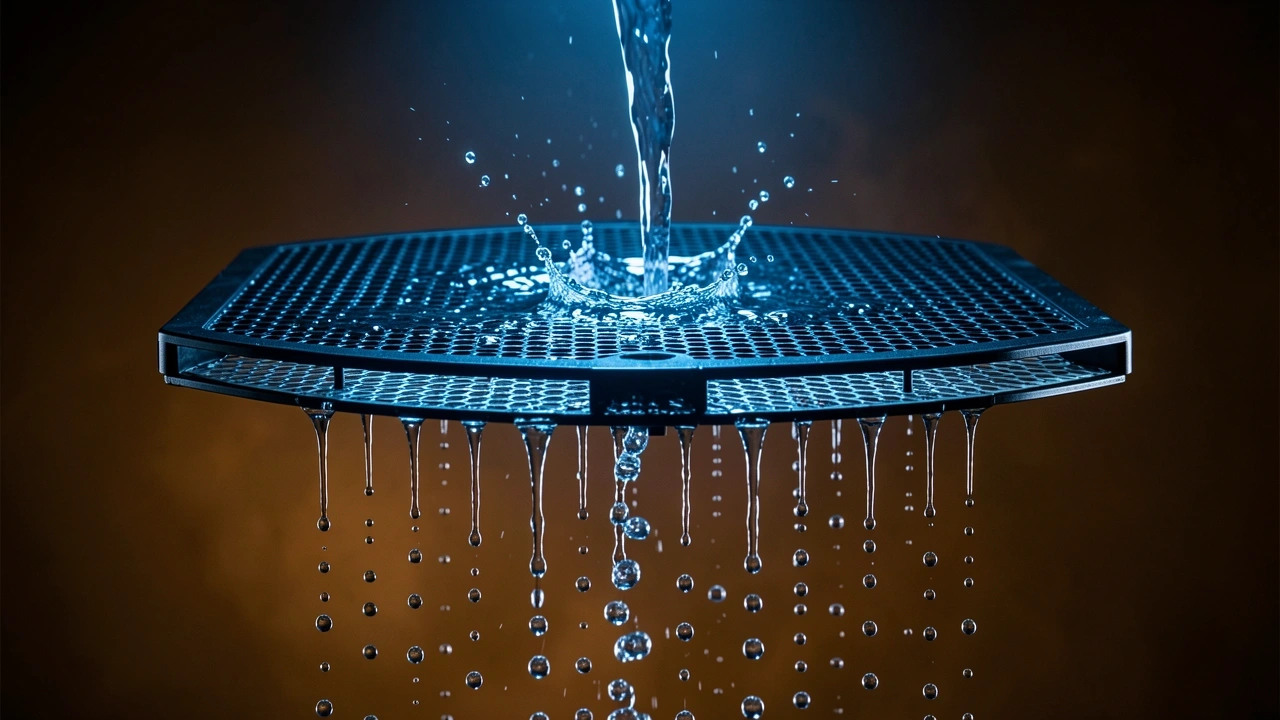
When you pull a shot, water flows from the group head through the shower screen, then through the puck screen, and finally into the coffee puck.
The screen’s fine mesh breaks up the water stream into a more uniform curtain.
This reduces the chance of channeling—where water finds a weak spot in the puck and rushes through without extracting properly.
In practice, I found that adding a puck screen slowed my extraction by about three to four seconds on the same grind setting.
That meant I needed to grind slightly coarser to bring the shot time back to my target range. The payoff was a cleaner shower screen and slightly more consistent flavor, even on back-to-back shots.
The screen also keeps the puck surface flat. Without it, the shower screen can sometimes dig a crater into the puck, especially on machines with protruding shower screen screws.
The puck screen absorbs that pressure.
The Cleanliness Question: What Actually Gets Protected?
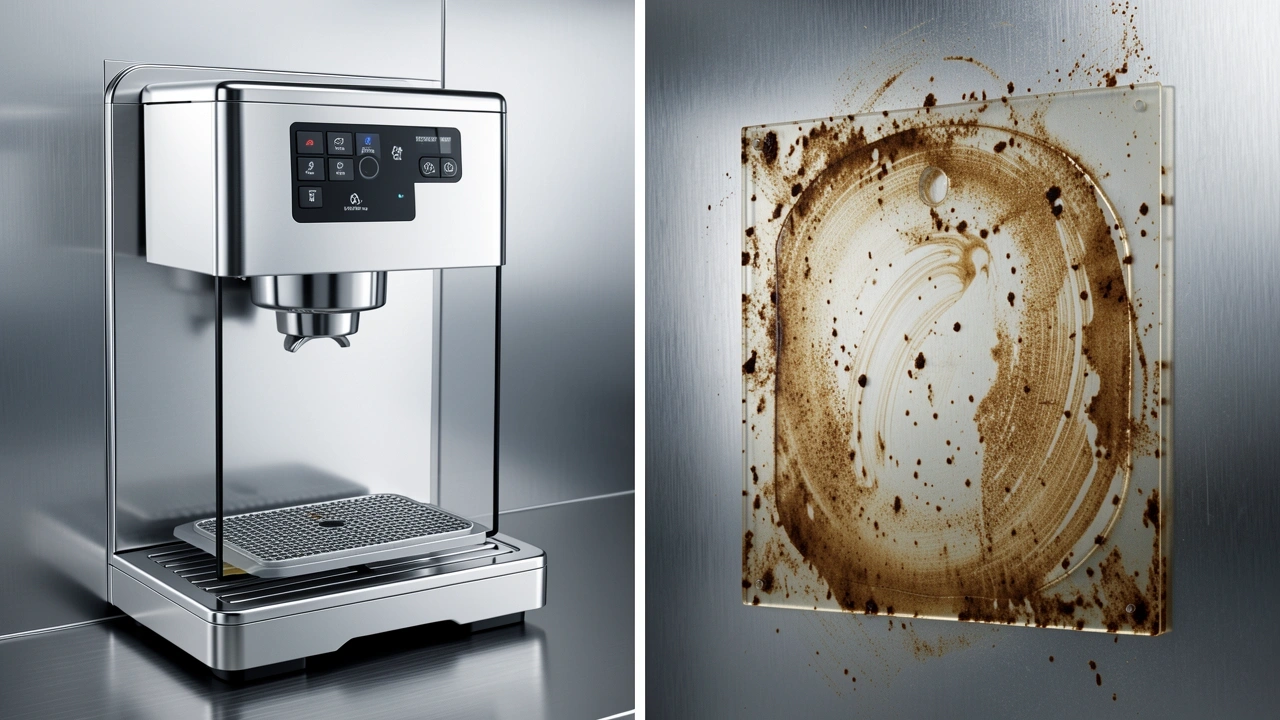
The most direct answer: the shower screen stays much cleaner. Coffee oils and fine particles get trapped on the puck screen instead of baking onto the shower screen or group head surface.
Users who pull multiple shots a day often report wiping the shower screen once every two weeks instead of every two days. That is a real reduction in maintenance.
However, the protection is limited. The puck screen does not stop coffee residue from reaching the three-way solenoid valve or the drain path in an E61 machine. Those parts are deeper inside the group.
The screen only shields the surfaces it physically touches. It also does not reduce gasket wear. The portafilter gasket still sees the same friction and heat.
So when someone says a puck screen keeps the machine cleaner, they really mean it keeps the top of the group head cleaner.
That is valuable, because scrubbing the shower screen is one of the more annoying cleaning tasks. But it is not a total machine protection solution.
The Hidden Burden: Cleaning Your Puck Screen Properly
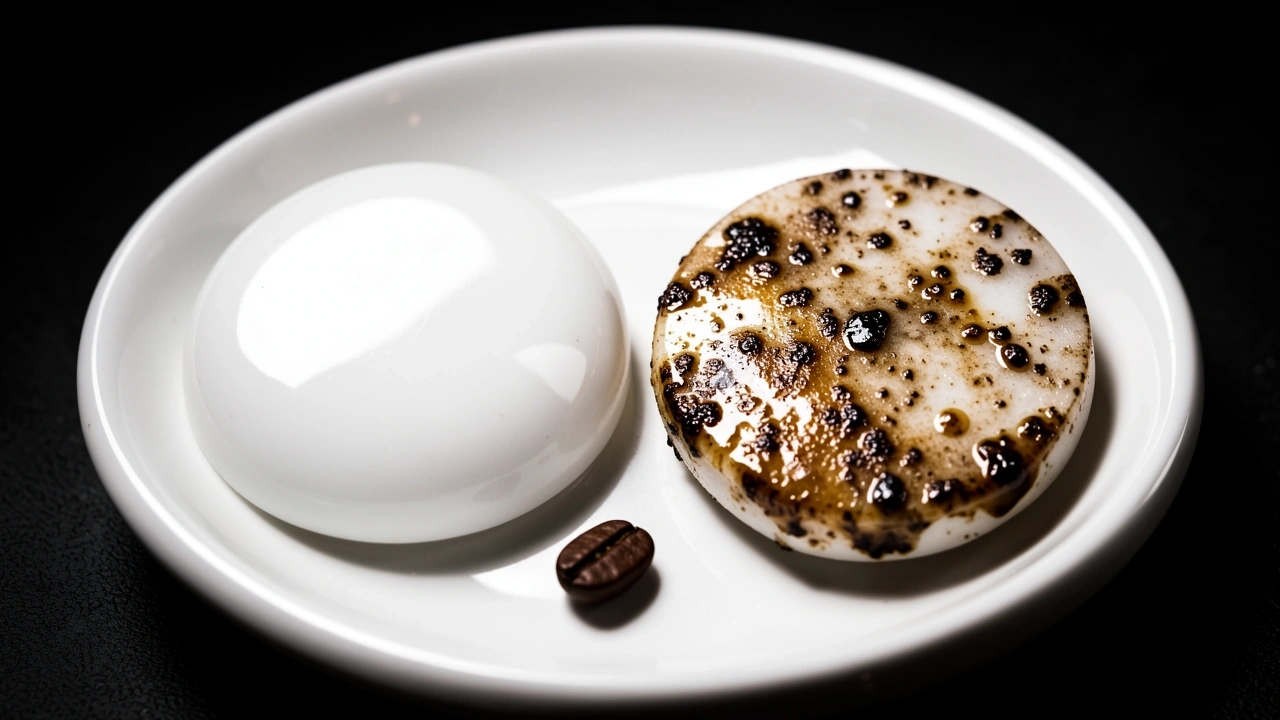
Here is the part most articles skip: the puck screen itself becomes a fouling point. Coffee oils and very fine grounds get lodged inside its pores.
If you just rinse it under tap water after each use, residue builds up. After a week, the screen can feel greasy to the touch. If you let it go longer, stale flavors can transfer into your next shot.
I have tasted a bitter, ashy note that disappeared the moment I deep cleaned my screen.
Daily routine: Rinse the puck screen immediately after knocking out the puck. Run hot water through it from both sides. Use your thumb to rub the surface and dislodge loose particles.
Then let it air dry on a towel or a stand.
Weekly routine: Soak the screen in a coffee-cleaning detergent like Cafiza. Use a small bowl with hot water and one scoop of powder.
Let it sit for ten minutes, then scrub gently with a soft brush—a toothbrush works fine. Rinse thoroughly. For heavy buildup, an ultrasonic cleaner with a bit of detergent does a deeper job.
I do that once a month.
Signs it is too dirty: Water pools on top of the screen during the shot instead of passing through. Or the screen feels oily even after rinsing.
At that point, it is not helping your espresso—it is hurting it.
Puck Screen vs. Paper Filter: Which Keeps Your Machine Cleaner?
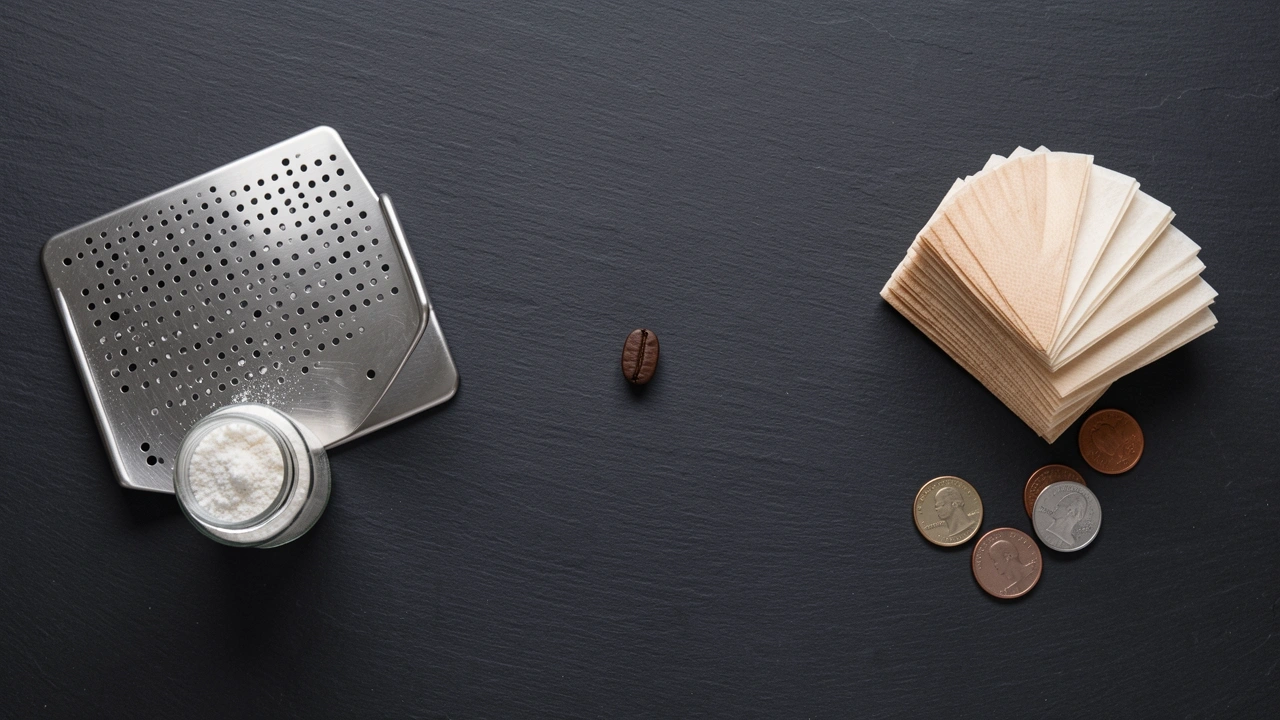
Many espresso enthusiasts use a paper filter on top of the puck instead of a metal screen. Some combine both, placing a paper filter under the puck screen.
Here is a direct comparison based on my experience.
| Criteria | Puck Screen (Metal) | Paper Filter (Top) |
|---|---|---|
| Initial cost | $8–$20 | $2–$5 for 100-pack |
| Per-shot cost | Zero after purchase | About 2–4 cents |
| Cleaning effort | Rinse daily, deep soak weekly | Remove and discard – no cleaning |
| Protection level | Excellent for shower screen | Good – blocks fines but can tear |
| Longevity | Years if maintained | Single use |
| Environmental impact | Zero waste | Paper waste (compostable with care) |
| Extraction effect | Slows flow slightly, more even | Adds negligible resistance |
In my setup, a metal puck screen offers more durable protection. But if you hate cleaning the screen every week, a paper filter on top of the puck is a simpler alternative.
You still get a noticeably cleaner shower screen, though paper can shift during locking.
If you place a paper filter under the puck screen as well, the top paper stays very clean, but that adds cost and waste.
Myths vs. Reality: What a Puck Screen Can’t Do
Myth: A puck screen eliminates channeling.
Reality: It reduces the risk but does not replace proper puck prep—WDT distribution and an even tamp are still critical.
I have seen channeling even with a screen when the grind was too fine.
Myth: A puck screen protects the entire machine.
Reality: As discussed, it only protects the group head surfaces near the shower screen. Internal plumbing sees no benefit.
Myth: A puck screen is zero-maintenance.
Reality: Without regular deep cleaning, it becomes a source of off-flavors. That is the trade-off no one tells you upfront.
Does Your Machine Need a Special Setup?
Most machines with a standard 58 mm group handle a 1.7 mm puck screen without issue. But there are two common pitfalls.
Headroom: The screen takes up about 2 millimeters of basket depth.
If you normally dose 18 grams in a 20-gram basket, you may need to reduce to 17.5 or 17 grams to avoid the screen touching the shower screen before brewing.
Too tight and you risk damaging the shower screen screw or the screen itself. Check by locking in an empty portafilter with the screen inside—if you feel hard resistance, reduce your dose.
Protruding screws: Some older machines, like the Pasquini Livia 90, have a shower screen screw that sticks out a millimeter. This screw can dent the puck screen over time.
The dent does not hurt extraction, but it makes cleaning harder because the dent collects fines.
If your machine has a protruding screw, consider upgrading to a flush mounting shower screen, or place a paper filter between the screen and the screw to prevent direct contact.
Frequently Asked Questions
Will a puck screen affect my shot weight or time?
Yes, it typically slows extraction by two to four seconds on the same grind. You may need to grind slightly coarser to hit your target time. Shot weight stays the same if you keep the same dose.
Can I use a puck screen with a bottomless portafilter?
Yes. It can actually reduce spray by distributing water more evenly. But you still need a proper dose—if the basket is too full, the screen can cause channeling at the edges.
Does a puck screen work with super-automatic machines?
No. Super-automatics grind, tamp, and brew inside a sealed unit. There is no portafilter to place a screen into. This accessory is only for semi-automatic machines.
Why does my puck screen leave a perfect circle on the spent puck?
That is normal. It is the imprint of the screen where it compressed the puck. It does not affect the shot or indicate a problem.
How do I know my puck screen is too dirty to use?
If water pools on top during the shot instead of draining through, or if the screen feels greasy after a simple rinse, it needs a deep soak.
A clean screen should feel smooth and not leave a wet ring on your finger.

