Reina
Reina 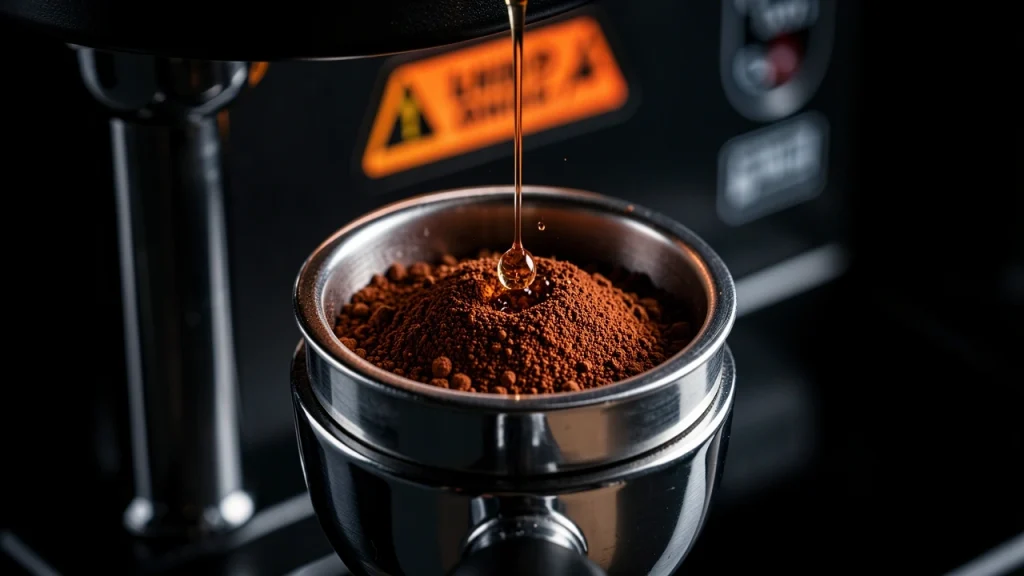
As an Amazon Associate, I may earn a small commission from qualifying purchases at no extra cost to you. This helps me create more valuable, tested content for you.
Putting instant coffee into an espresso machine will not produce espresso.
Instead, the instant granules dissolve prematurely, creating a sticky sludge that clogs the machine’s internal valves, damages the pump, and voids your warranty.
Here is exactly what happens inside your machine, and how to fix it if you have already made this mistake.
I have repaired dozens of espresso machines over the years, and every single time instant coffee was involved, the damage was worse than what ground coffee ever caused.
The problem is not just a bad tasting drink. The problem is mechanical and often expensive to reverse.
The Core Outcome: Weak Liquid With No Crema

When you put instant coffee into an espresso machine and pull a shot, what comes out is a thin, watery brown liquid that looks nothing like real espresso. There is no crema on top.
The taste is flat and bitter in a different way than over-extracted coffee.
The reason is simple. Espresso relies on pressure. An espresso machine pushes water at around 9 bars of pressure through a compacted puck of finely ground coffee.
That pressure extracts oils, solids, and gases from the grounds, producing the thick body and golden crema that defines espresso.
Instant coffee is already brewed and dehydrated. It does not need extraction. The moment it touches hot water, it dissolves.
There is no puck to resist the water, so the pressure inside the group head drops to near zero. The machine basically acts like a hot water dispenser that happens to be pumping through a portafilter.
What Happens Inside the Machine
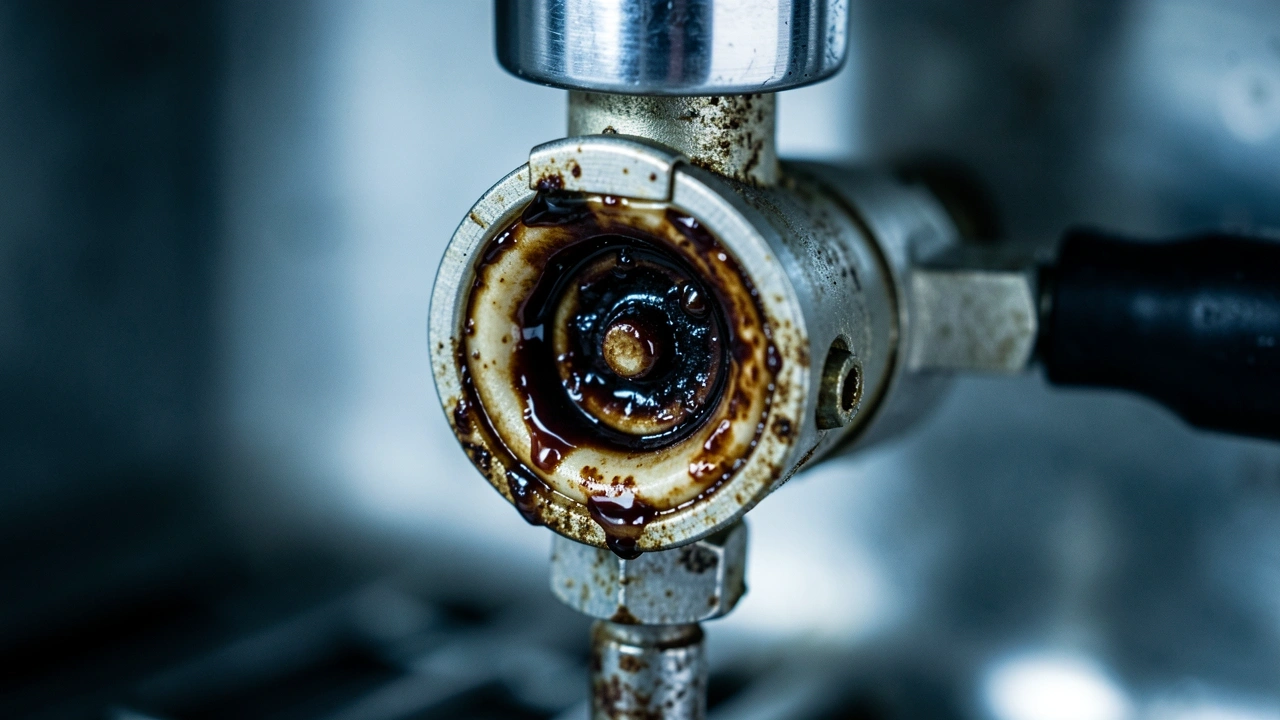
This is where the real trouble starts. The damage is not instant but it builds fast.
Let me walk you through each stage of the brewing process so you can see exactly where instant coffee causes failure.
| Brewing Stage | Ground Coffee | Instant Coffee |
|---|---|---|
| Grind placed in basket | Forms a compact puck that resists water flow | Dissolves immediately upon contact with water |
| Pressure applied by pump | 9 bar forces water through the puck | Pressure drops to near zero due to no resistance |
| Extraction phase | Oils and solids are forced out of grounds | No extraction happens, only dilution of granules |
| After the shot | Puck stays intact and knocks out cleanly | Sticky syrup is left coating the group head and basket |
The instant coffee granules dissolve in the boiler or pre-infusion chamber first.
This creates a supersaturated solution that flows into narrow passages like the solenoid valve and the gicleur inside the group head.
As the liquid cools slightly after the shot, the dissolved coffee solids re-crystallize. They coat these passages like hardened syrup inside a pipe.
I have seen solenoid valves completely seized because the internal diaphragm was glued shut by dried instant coffee residue.
The pump can also overheat because it runs without proper backpressure, which it needs to stay cool and lubricated.
Short-Term vs. Long-Term Damage
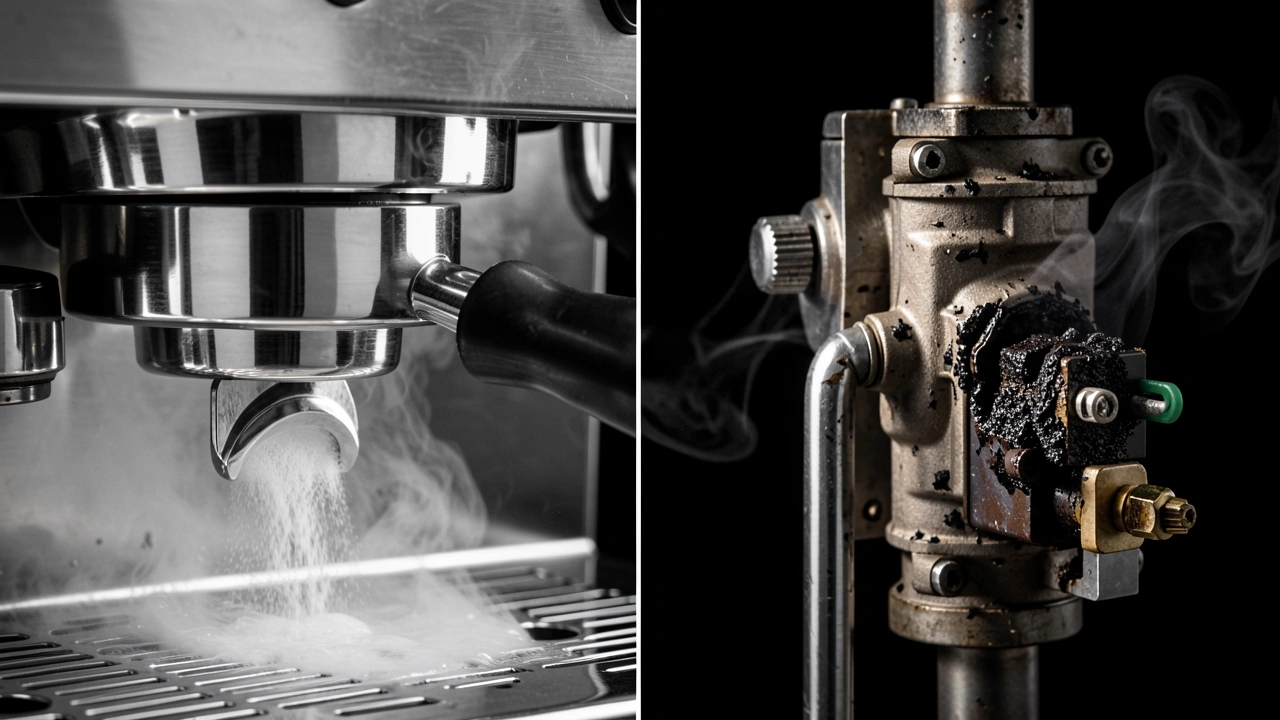
The damage depends on how many shots you pull with instant coffee. Here is what I have observed from actual repair cases.
One accidental shot. You will notice weak liquid, maybe a strange chemical taste, and possibly a louder pump noise than usual. The group head will have a sticky film.
A thorough backflush with cleaning detergent usually removes the residue if you act fast.
Three to five shots. The flow from the group head becomes uneven. Some holes in the shower screen may be blocked.
The solenoid valve may start sticking, causing the machine to drip after the shot or fail to switch between brew and steam mode. You will likely need to disassemble the group head and soak parts.
Repeated use over weeks. The pump may fail because it ran without proper resistance. The over-pressure valve can clog, causing erratic pressure readings or leaks.
The machine may need a new pump, a new solenoid valve, and a full descale and cleaning. This repair often costs more than half the price of a new machine.
One more thing that many people overlook. Using instant coffee voids your warranty on almost every espresso machine on the market. Manufacturers explicitly state that only ground coffee should be used.
When a technician sees instant coffee residue inside the machine, they will note it as misuse and deny coverage.
I Already Did It: Now What?
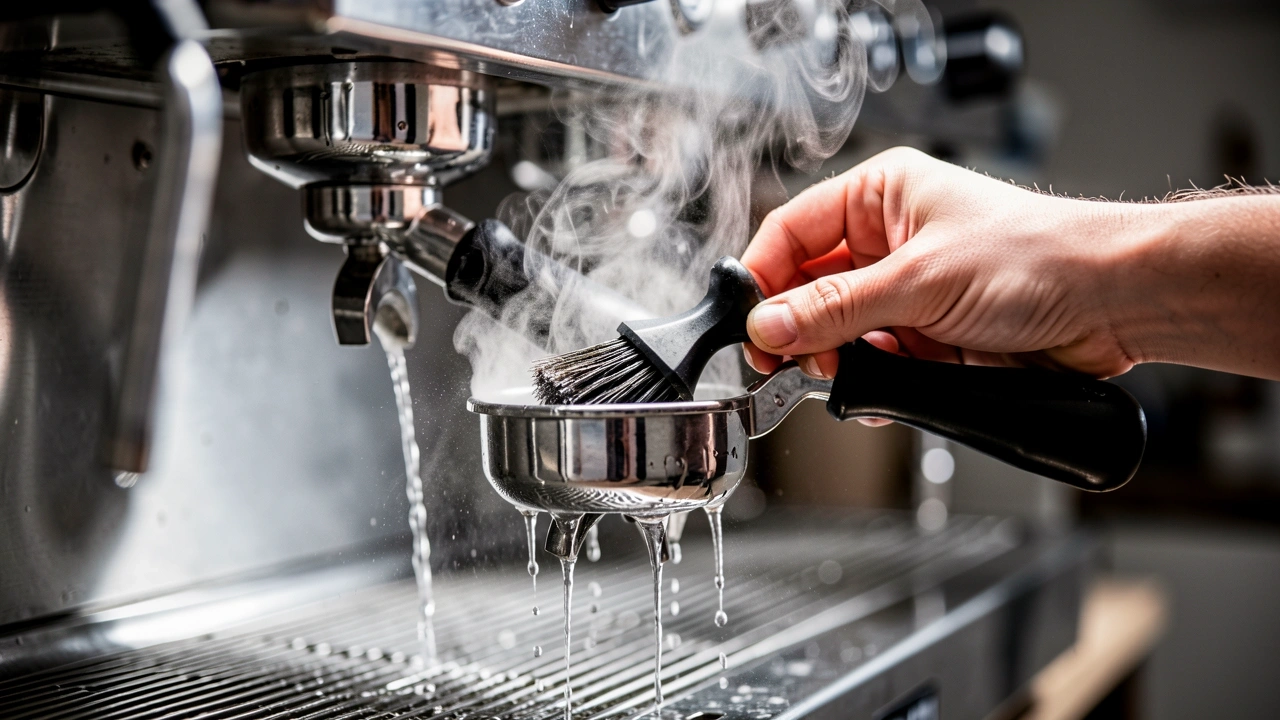
If you already put instant coffee in your espresso machine, do not panic. But do act quickly.
Here is the exact cleanup protocol I recommend based on what I have done in my own shop and what I have walked customers through over the phone.
- Stop using the machine immediately. Do not pull another shot. Every additional shot pushes more sticky residue deeper into the internal passages.
- Remove the portafilter and basket. Rinse them under hot water and scrub with a brush. If you see any sticky film, soak them in hot water with a drop of dish soap for ten minutes.
- Flush the group head with plain water. Run the machine without a portafilter in place for about 10 seconds. Let the water flow freely. Repeat this two or three times to push out loose granules.
- Use a blind basket with espresso machine cleaning detergent. Put a small amount of detergent in the blind basket, lock it into the group head, and run the machine in 10-second bursts with 10-second pauses in between. Do this for about two minutes total. This backflushes the detergent through the solenoid valve and internal lines.
- Remove the blind basket and flush with water again. Run clean water through the group head for 20 seconds to rinse out all detergent residue.
- Descale the machine if you used instant coffee more than once. The dissolved coffee solids can leave mineral-like deposits. Use a standard descaling solution and follow your machine manufacturer instructions.
- Check for signs of deeper damage. If the pump sounds louder than normal, if water leaks from the group head when the machine is off, or if the flow is still uneven after cleaning, call a technician. Do not run the machine further until it is inspected.
I had a customer who ran instant coffee through a high-end semi-automatic machine for two weeks because she thought it was just a different type of coffee.
The solenoid valve was completely seized and the pump had to be replaced. The total repair bill was about 60 percent of what she paid for the machine.
A single backflush after the first mistake would have saved her hundreds of dollars.
The Instant Espresso Powder Misconception

Many people see a product labeled instant espresso powder and think it is safe to use in an espresso machine. It is not.
Instant espresso powder is simply instant coffee that has been roasted darker and ground more finely for the purpose of baking or making quick drinks. It is still instant coffee.
It dissolves instantly and causes the same internal damage.
I have seen this confusion happen more often than you would expect.
Someone buys a jar of instant espresso powder at the grocery store for tiramisu or brownies, then wonders if they can use it to pull a shot. The answer is no.
Treat it exactly the same as any other instant coffee. Do not put it in your espresso machine.
If you want an espresso-strength drink without a machine, here is what I do when I travel. Mix one tablespoon of instant coffee with two tablespoons of hot water in a cup. Stir until fully dissolved.
That gives you a concentrated coffee liquid that is similar in strength to espresso. It will not taste exactly the same, but it works for milk drinks like lattes and it will not damage any equipment.
Frequently Asked Questions
Can I use instant coffee in a pod-based espresso machine like Nespresso or Dolce Gusto?
No. The same risk applies. Instant coffee can clog the needle that pierces the pod and the small brewing chamber inside the machine.
Pod machines rely on precise flow paths, and even a small amount of sticky residue can cause blockages that are difficult to clear without disassembly.
Will using instant coffee void my warranty?
Yes. Most espresso machine warranties explicitly state that only ground coffee beans should be used. When a technician finds instant coffee residue inside the machine, they classify it as misuse.
That voids the warranty and you will pay the full cost of any repairs.
What if I put instant coffee in a pressurized portafilter?
A pressurized portafilter creates some resistance by forcing water through a small hole, so you might get a thin layer of foam on top of the liquid.
But the instant coffee still dissolves immediately and leaves sticky residue in the basket holes and in the channel below the basket. The damage to the internal machine components remains the same.
Is there any coffee machine that can handle instant coffee?
Only machines that dispense hot water without pressure. A standard drip coffee maker or a hot water dispenser can handle instant coffee because there is no pump or narrow valve to clog.
Espresso machines, including automatic and super-automatic models, are designed exclusively for ground coffee.