Reina
Reina 
As an Amazon Associate, I may earn a small commission from qualifying purchases at no extra cost to you. This helps me create more valuable, tested content for you.
I have unclogged more steam wands than I care to count. The most common fix works in seconds: remove the tip, soak it, and purge. But when that fails, the problem is deeper.
Let me walk you through every fix I have used successfully, from a simple vinegar soak to internal valve repairs.
Step 1: The Quick Clean – Remove and Soak the Tip
This fixes about 70 percent of clogs. Milk residue builds up inside the tiny holes because of the vacuum that pulls milk back into the wand when you shut off the steam.
Over time, that residue hardens and blocks the holes.
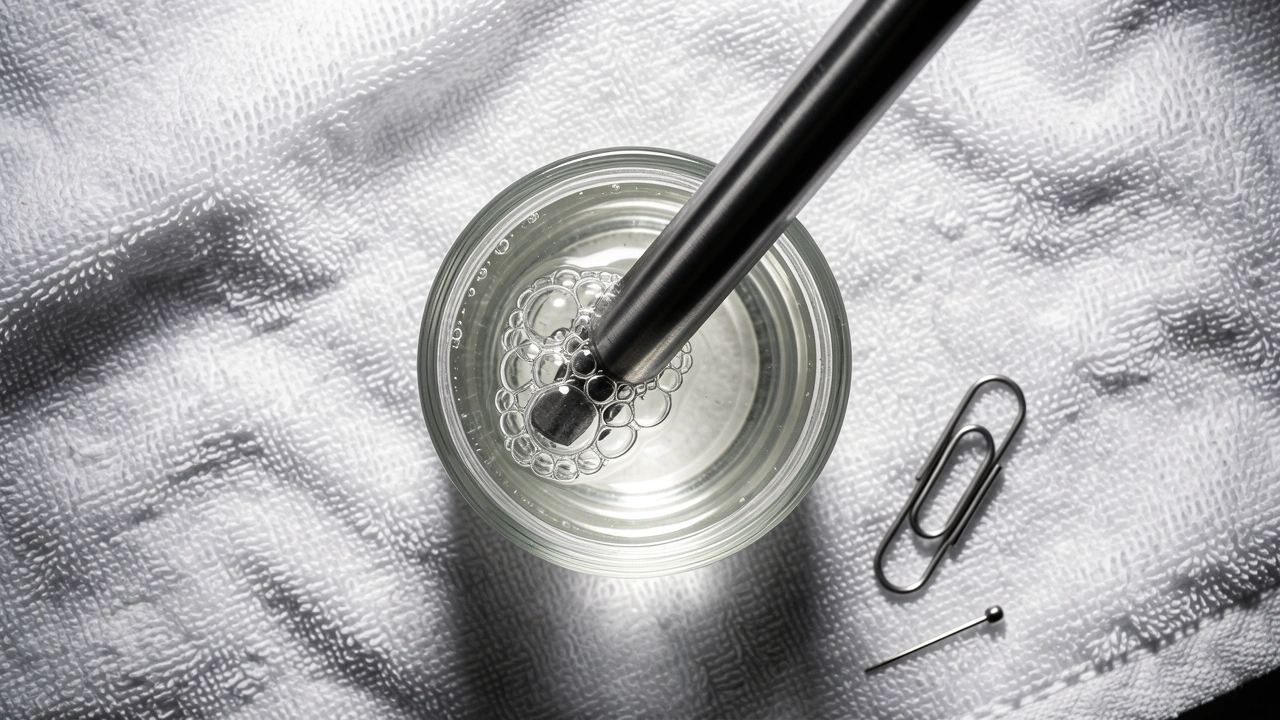
What I do: Turn off the machine and let it cool slightly. Unscrew the steam tip if it is removable. Most Breville, Gaggia, and Rancilio tips come off easily.
Place the tip in a small cup of equal parts white vinegar and hot water. Let it soak for 10 to 15 minutes. While it soaks, use a pin or a paperclip to gently clear any visible debris from each hole.
Reattach the tip and run the steam wand into a cup of fresh water for 10 seconds. Purge it well. In most cases, the steam returns to full strength.
Step 2: When the Tip Isn’t the Problem – Diagnosing the Clog Type
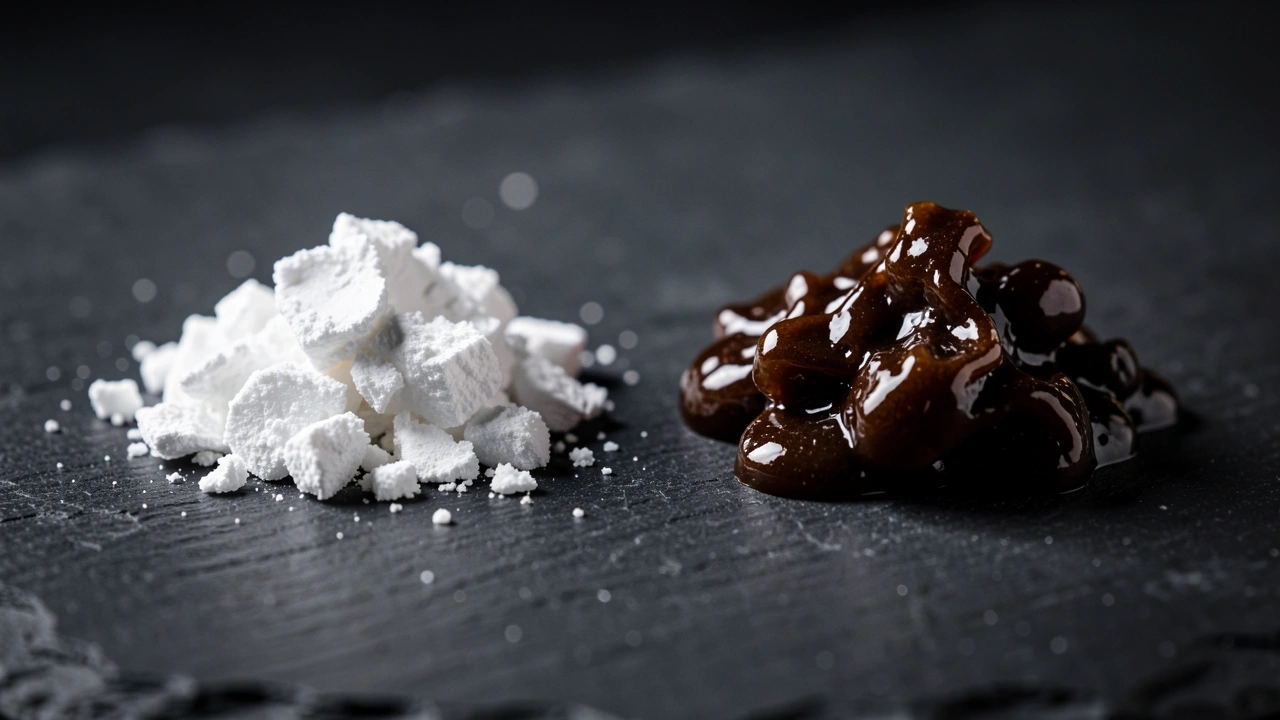
If the tip is clean but steam is still weak, the clog is elsewhere. You need to know what is blocking it before you can fix it. I use a simple visual test.
| Appearance of debris | Likely cause | Best treatment |
|---|---|---|
| White, chalky, or crusty | Hard water scale (calcium) | Descaling solution or citric acid |
| Dark brown, sticky, or greasy | Dried milk residue | Hot water soak with mild detergent |
| Mixed white and brown | Scale plus old milk | Descale first, then soak in hot water |
If you see white scale, skip the vinegar soak and go directly to descaling the entire machine. Vinegar can damage aluminum boilers and some seals.
I prefer citric acid descaler or a commercial product designed for espresso machines.
Step 3: Descaling the Wand Tube Without Removing the Tip

On machines where the tip does not come off, or when the wand itself is blocked, you have to push cleaner through the tube. Here is the method I have used on dozens of machines.
- Fill a steam pitcher with about 300 ml of descaling solution mixed according to the manufacturer’s directions.
- Submerge the steam wand tip in the solution.
- Turn on the steam function for 5 seconds at a time, then let it rest for 10 seconds. Repeat 4 or 5 times. This draws solution up into the wand and loosens scale.
- Let the wand sit in the hot solution for 10 minutes.
- Purge the wand into a cup of clean water until no more solution comes out.
Warning: Do not run the steam continuously for more than 10 seconds on machines with plastic internal components. Short bursts keep the heat manageable.
Step 4: Internal Blockage – Solenoid Valve or Pump Issues
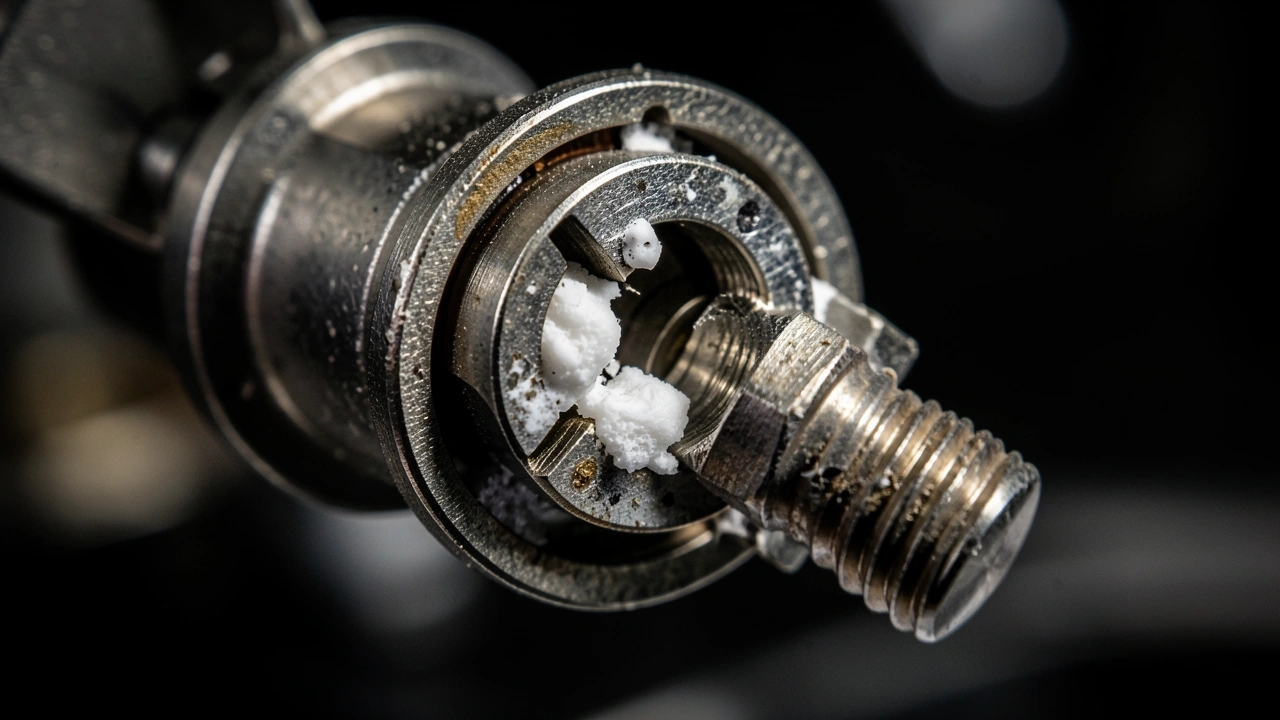
When no steam or water comes out at all, and descaling does not help, the problem is inside the machine.
I have seen this happen after a descaling cycle that dislodged scale and sent it into the solenoid valve.
Test for a stuck valve: Turn on the steam switch. Listen for a clicking sound near the top or back of the machine. A click means the solenoid valve is trying to open.
If you hear the click but no steam, the valve is physically blocked. Backflushing with a blind basket and detergent can sometimes dislodge it.
If that fails, you will need to open the machine or call a technician.
Pump issue: If you do not hear the pump running when you open the steam valve, the pump may be dead or the steam thermostat might be faulty. That is a repair job, not a cleaning fix.
Step 5: Prevention – Daily Habits That Stop Clogs
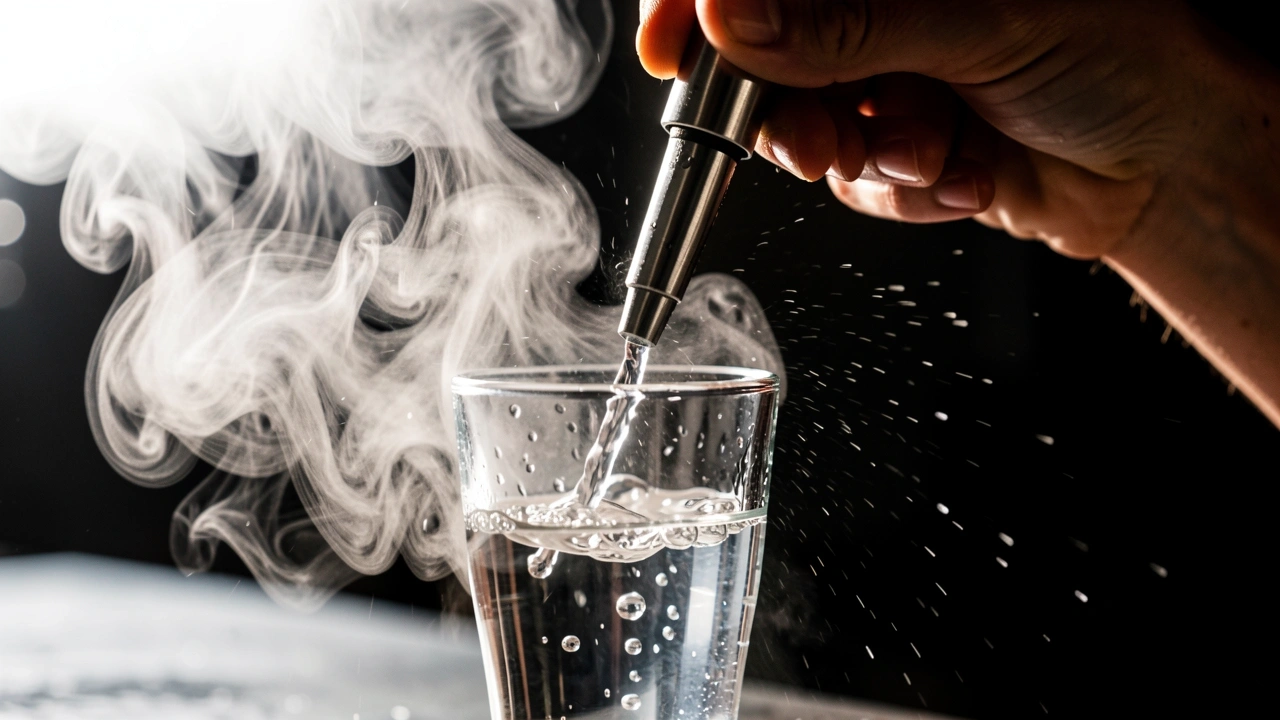
After years of fixing clogged wands, I learned that a few seconds of habit save hours of hassle.
- Purge the wand for 2 to 3 seconds after every steam session. This clears milk from inside the tip.
- Wipe the wand with a damp cloth immediately after purging. Burnt milk is the enemy.
- Backflush your machine once a week if you use milk daily. This removes residue from the group head and reduces scale buildup throughout the system.
- Descale every 2 to 3 months if you have hard water. Use a water hardness test strip to set a realistic schedule.
Myth buster: Some people say vinegar is fine for everyday descaling. I have seen vinegar eat away rubber seals over time.
Stick with citric acid or a product designed for espresso machines. Your steam wand will last longer.
Frequently Asked Questions
Can I use a paper clip while the wand is attached to the machine?
You can, but be careful not to push debris deeper into the wand. I always remove the tip first and clean each hole from the outside inward.
If the tip is not removable, use a pin gently while the wand is cold.
Why does my steam wand suck milk back after steaming?
That is normal. When you shut off the steam, the pressure drops and creates a vacuum that pulls a small amount of milk into the tip.
Purging immediately after steaming prevents that milk from drying and clogging.
Will descaling solution ruin my steam wand’s finish?
Most descaling solutions are safe for stainless steel and chrome. But prolonged soaking (over 1 hour) can dull the finish. Rinse thoroughly after use. I never let solution sit longer than necessary.
My wand has two holes; one is clogged – will one hole still work?
It will produce steam, but the pressure will be uneven and the steam will be weaker. You will likely get larger, wetter bubbles instead of fine microfoam. Clear both holes for the best texture.
How often should I descale my espresso machine?
It depends on your water hardness. With soft water, every 3 to 4 months is fine. With hard water, descale every 1 to 2 months. I test my water with a simple strip and go from there.