Reina
Reina 
As an Amazon Associate, I may earn a small commission from qualifying purchases at no extra cost to you. This helps me create more valuable, tested content for you.
I have seen more coffee machines die in busy offices and gyms than I care to count. The cause is almost never a bad machine. It is almost always a lack of maintenance that matches the actual usage.
If you serve 200 cups a day in a gym or a 50-person office, you cannot follow the same schedule as someone who brews two cups at home. The machine will fail, and it will fail during the morning rush.
Here is what I have learned from years of watching commercial machines live and die in high-traffic environments. This is the only framework you need.
The one principle that dictates every maintenance decision
Maintaining a coffee machine in a busy office or gym is not about following a generic calendar.
It is about matching your maintenance frequency to three real-world factors: actual cup count, water hardness, and machine type.
Ignore any one of these, and you will eventually pay for a repair call that costs more than the machine itself.
Think of it this way. A machine that gets used 200 times a day needs ten times the care of a machine that gets used 20 times.
And that care changes depending on whether you use plumbed-in bean-to-cup or a pod machine.
Know your machine capacity and type
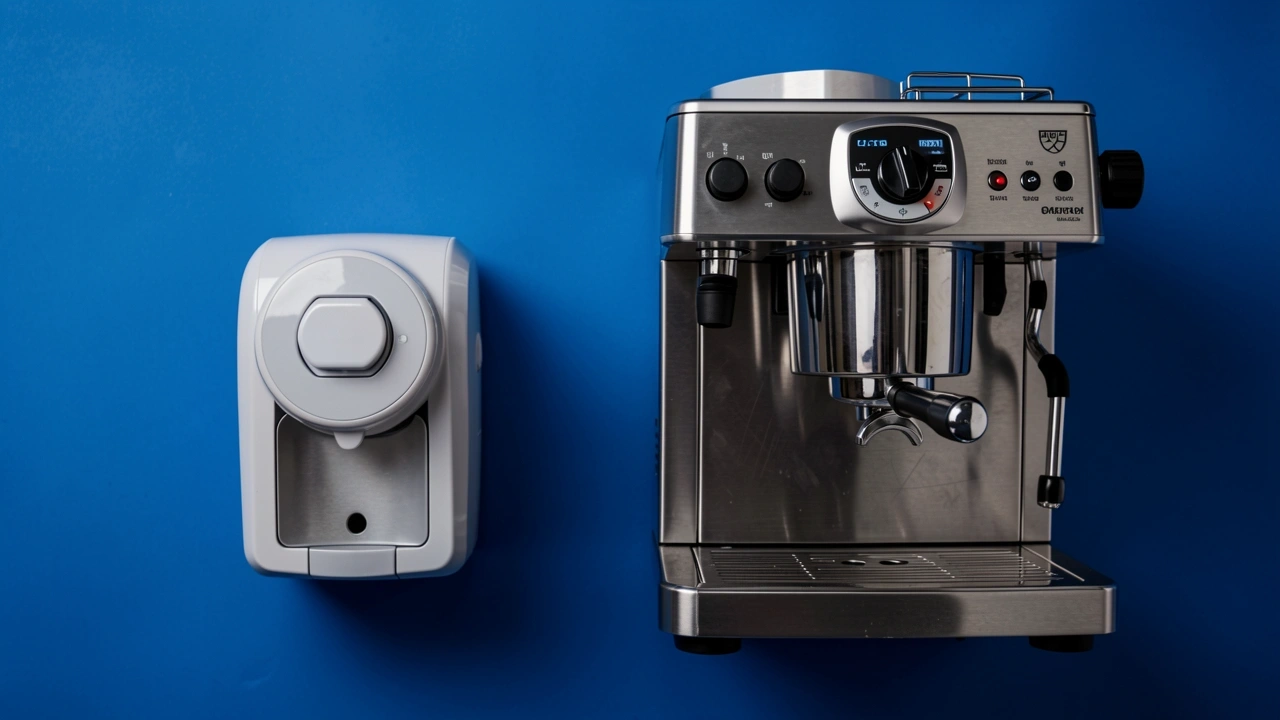
Before you schedule anything, you need to know what you own. A single-serve pod machine made for home or light office use will not survive heavy gym traffic.
I have seen a $150 pod machine fail within three months in a busy break room.
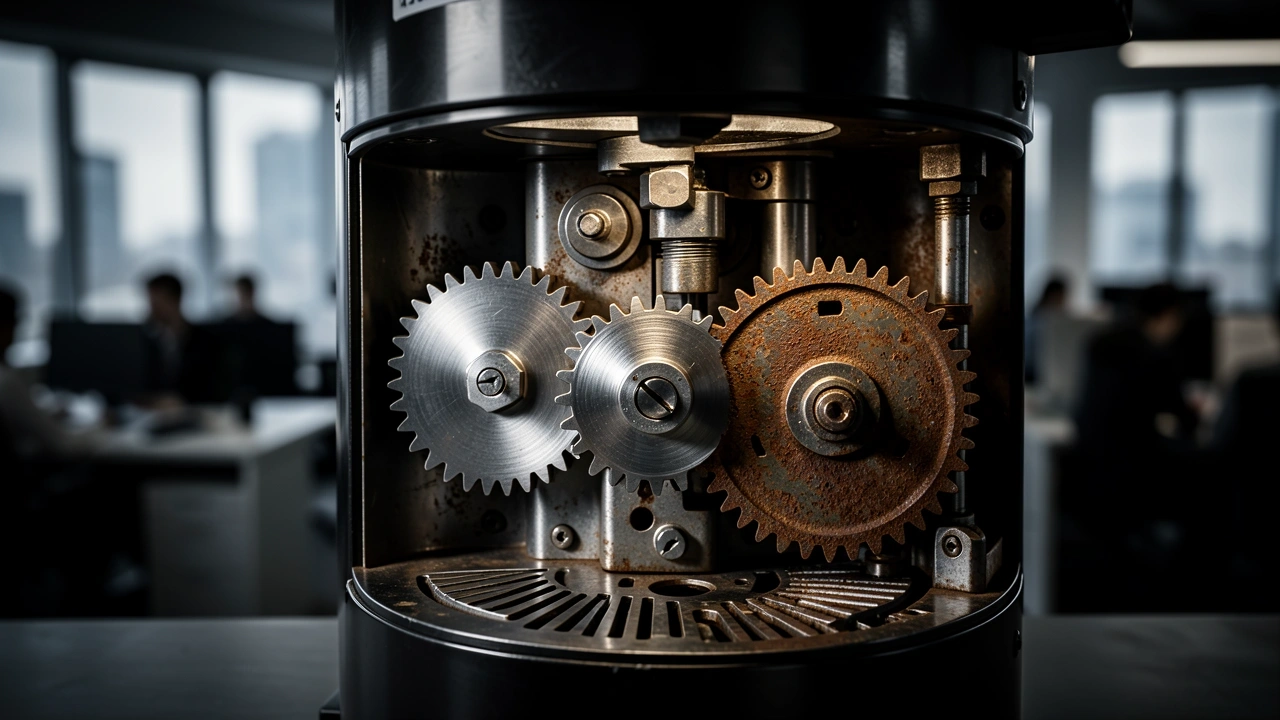
The plastic gears, small water tank, and lack of a commercial-grade brewing unit mean they can handle at most 30 to 40 cups a day for a year.
A commercial bean-to-cup machine, whether plumbed in or with a large tank, is built differently. They have metal parts, a bigger boiler, and a brewing unit designed for thousands of cycles.
The manufacturer will tell you what they rate your machine for. Look for the words “light,” “moderate,” or “heavy” commercial use. That rating does not lie.
Commercial vs. home machines – a reality check
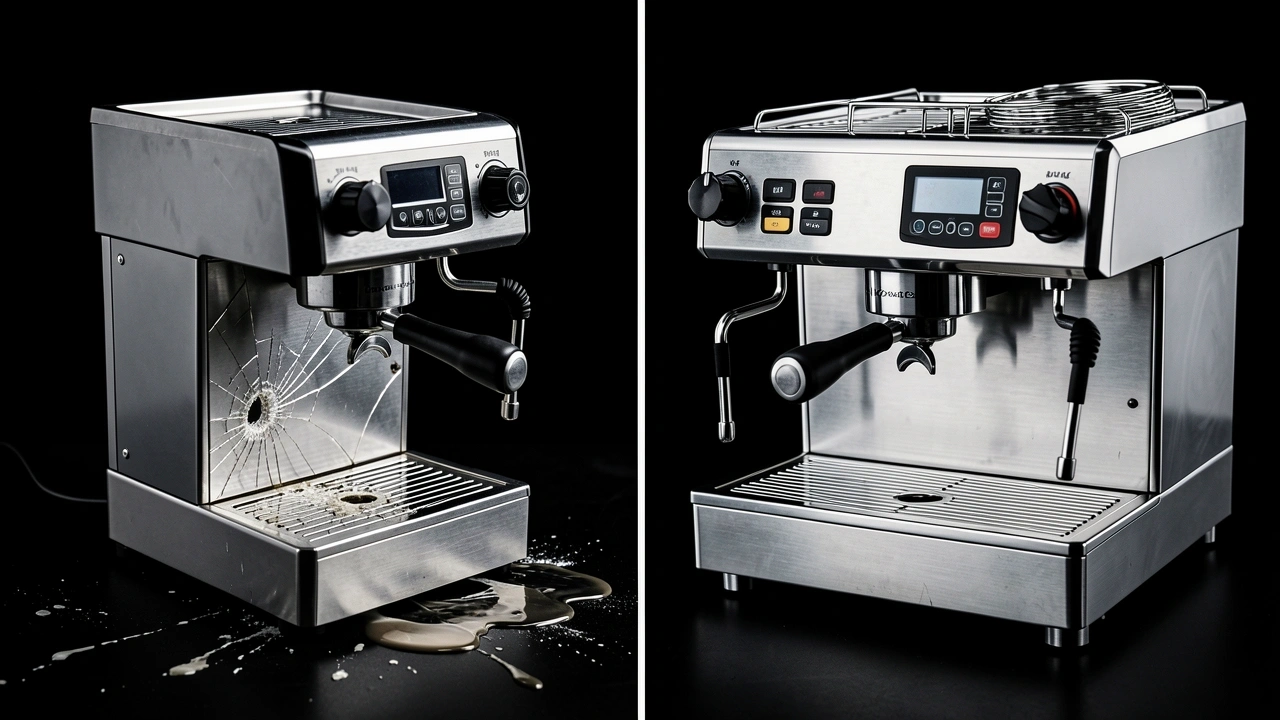
I once helped a gym owner who bought a home espresso machine to serve post-workout coffee. The machine died in six months. The problem was not the machine.
The problem was that he used it 80 times a day without ever backflushing the group head. Home machines are not built for that cycle count.
Their heat exchangers and internal seals get damaged by constant use.
Commercial machines have a heavy-duty frame, a larger heat exchanger, and often a daily automatic cleaning cycle. They also cost more to maintain, but that cost payable in consistent coffee quality.
Design a daily quick-clean routine even when its crazy
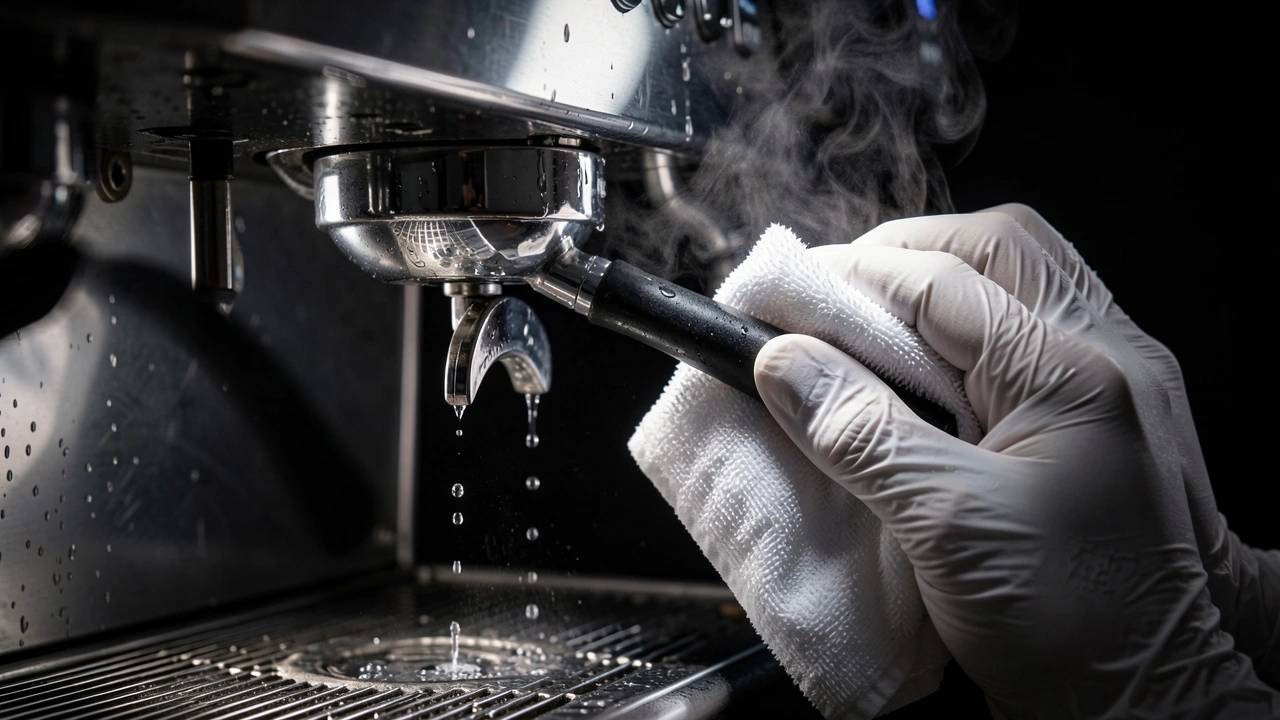
In a busy office or gym, the person cleaning the coffee machine is usually not a barista. It is the front desk worker, or a receptionist or the person who refills the paper towels.
That means the routine must be simple and fast. Three minutes total.
Here is a checklist I give to every client. Laminate it and post it next to the machine.
- Flush the brew group or group head with hot water. This gets out old coffee oils.
- Wipe the steam wand with a damp cloth. Do not leave milk foam on the tip.
- Empty the drip tray and the grounds bin. This prevents mold and clogs.
- Run a cleaning cycle if the machine has a button. Most commercial machines do this in under a minute.
Skip this routine for even one day in a busy gym, and you will start tasting stale coffee within two days. You will get service calls for clogs within a month.
Training non-barista staff in 15 minutes
I work with a lot of front desk teams that turn over every few months. So I write the instructions down. I hand them a single sheet that says, “Do not use dish soap on the brew group.
Do not run the machine without water in the tank. Always run the rinse cycle.” And I put a phone number for error codes.
You will always hear the “I didn’t know” excuse when a machine breaks. A simple checklist solves that. I also tell people: never pour milk into the machine.
Milk is the biggest killer of non-espresso machines because it clogs the internal pipes in one day.
The weekly and monthly deep clean schedule
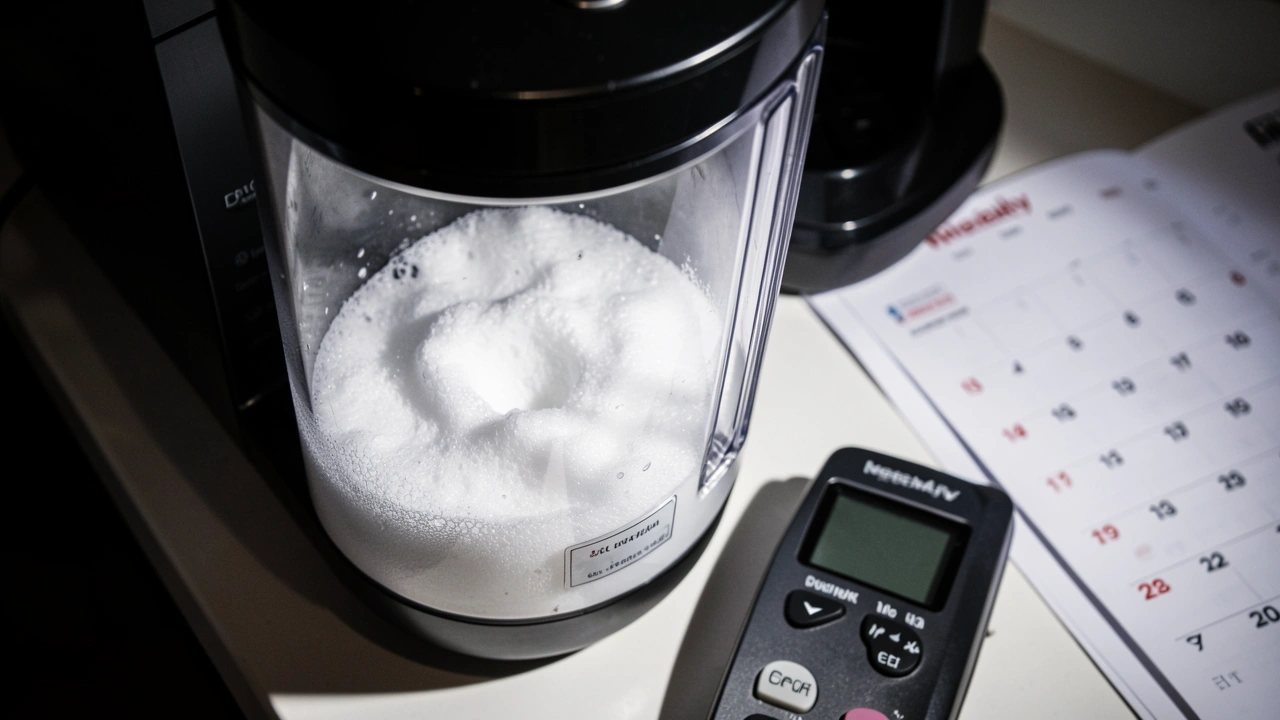
This is where most offices and gyms fail. They have no schedule for the deep work that removes scale and built-up coffee oils. You need a baseline based on cup volume.
Here is a table I use with clients. Think of it as a map for your maintenance plan.
| Cups per day | Descaling frequency | Backflush (espresso) | Filter change |
|---|---|---|---|
| 0 to 50 | Every 3 months | Weekly | Every 6 months |
| 50 to 150 | Every month | Twice a week | Every 3 months |
| 150+ | Every week or two weeks | Daily | Every 1 to 2 months |
This schedule breaks the number one rule of generic blog advice. It treats frequency as a function of load.
If you are running 150 cups a day and you descale once a quarter, your machine is slowly getting killed from the inside.
Water quality the silent killer of performance
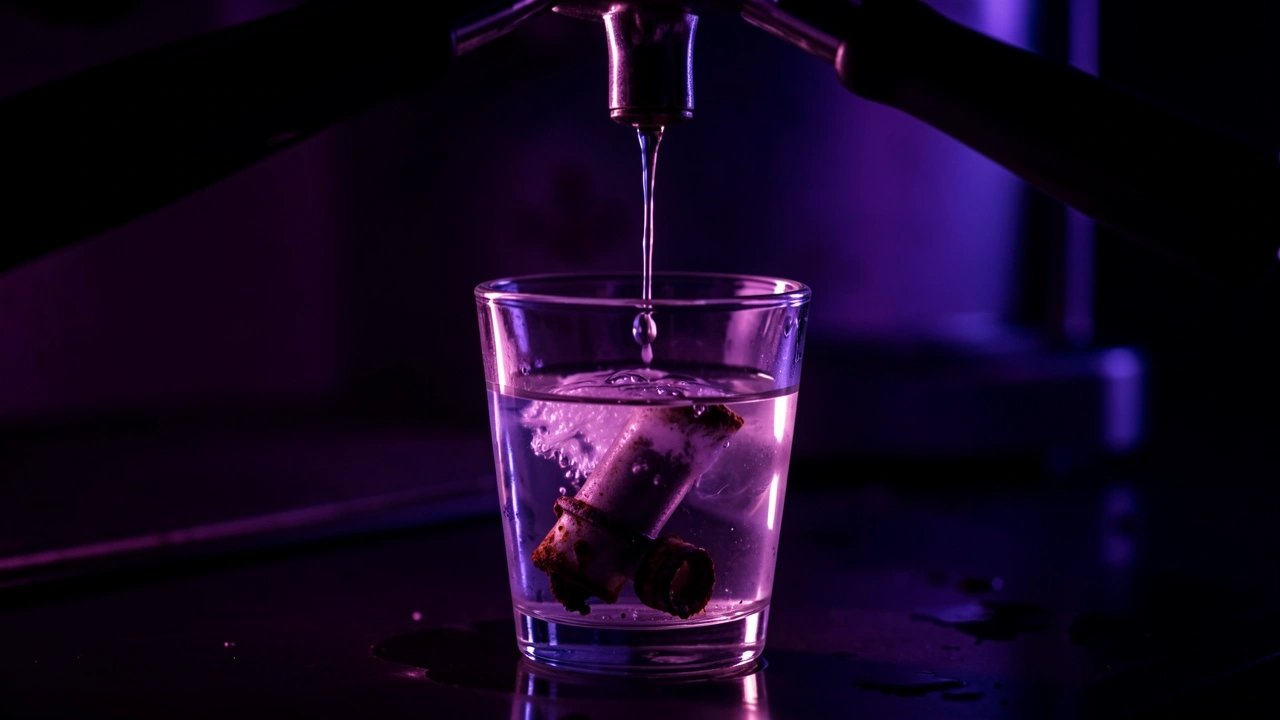
Here is a hard truth I have learned the hard way. Most machine failures are not the machine. They are the water. Hard water leaves scale inside the boiler.
That scale then hardens into crust that blocks valves, strains the pump, and eventually kills the heater element.
I once helped a gym that lost a $4,000 machine in 18 months. The owner blamed the coffee machine brand. But when I tested water hardness, it read 250 parts per million. That is very hard.
The manual said to descale every six months. But with that water, the machine needed descaling every six weeks.
Here is a simple rule. Test your water with a free hardness strip. For every 100 ppm above 50 ppm, cut your descaling interval by half.
So at 150 ppm, you need descaling at half the frequency listed in the manual. And if your water is 50 ppm or less, you can follow the manufacturer’s recommendation.
Maintenance scheduling around peak hours
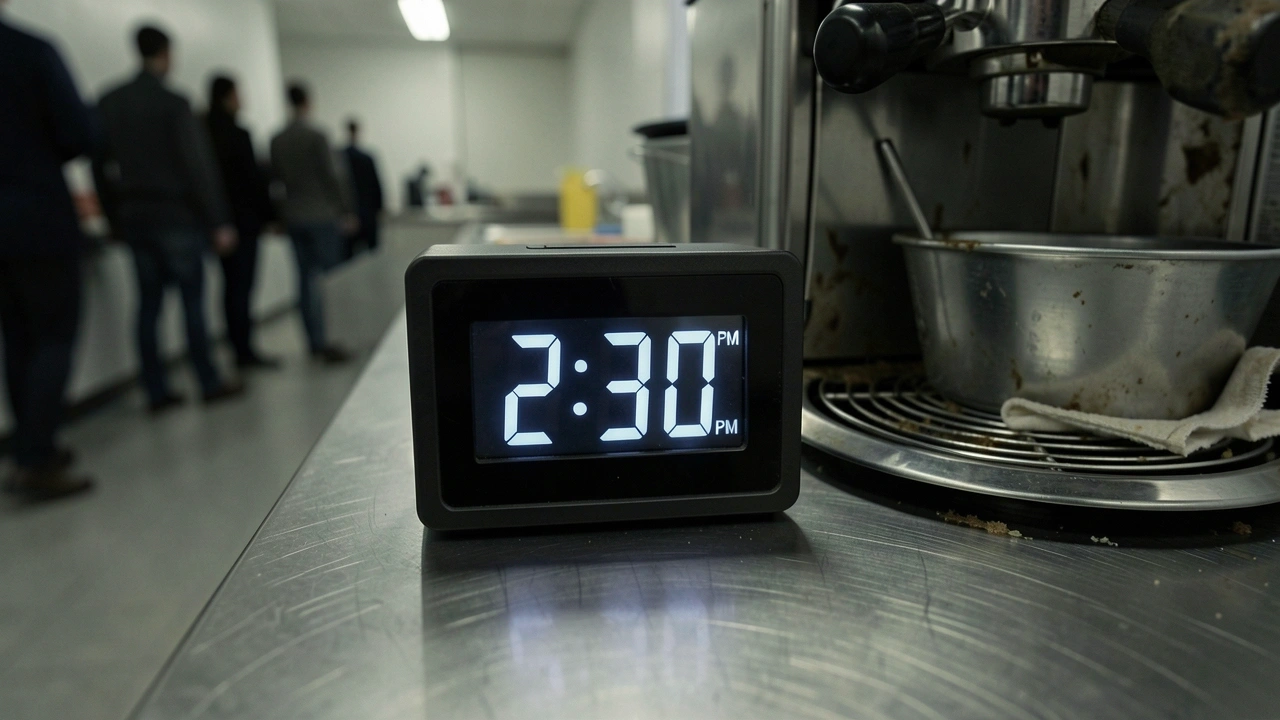
In a busy gym, the highest demand hits between 6 a.m. and 9 a.m., and again around 4 p.m. after work. In an office, the highest demand is between 8 a.m. and 10 a.m. and after lunch.
Do not deep clean during those hours. You will ruin the customer experience. Schedule your weekly deep clean mid-afternoon, between 2 p.m. and 4 p.m. when the crowd is thin.
This way, you do not disrupt the morning coffee rush or the after-work line.
Also, keep a spare set of basic parts on hand. A group head seal, a water filter, and a brew unit gasket cost under $50.
If one breaks during the morning rush, you can fix it in two minutes instead of waiting for a service call that takes two days.
Troubleshooting common high-traffic issues without panic
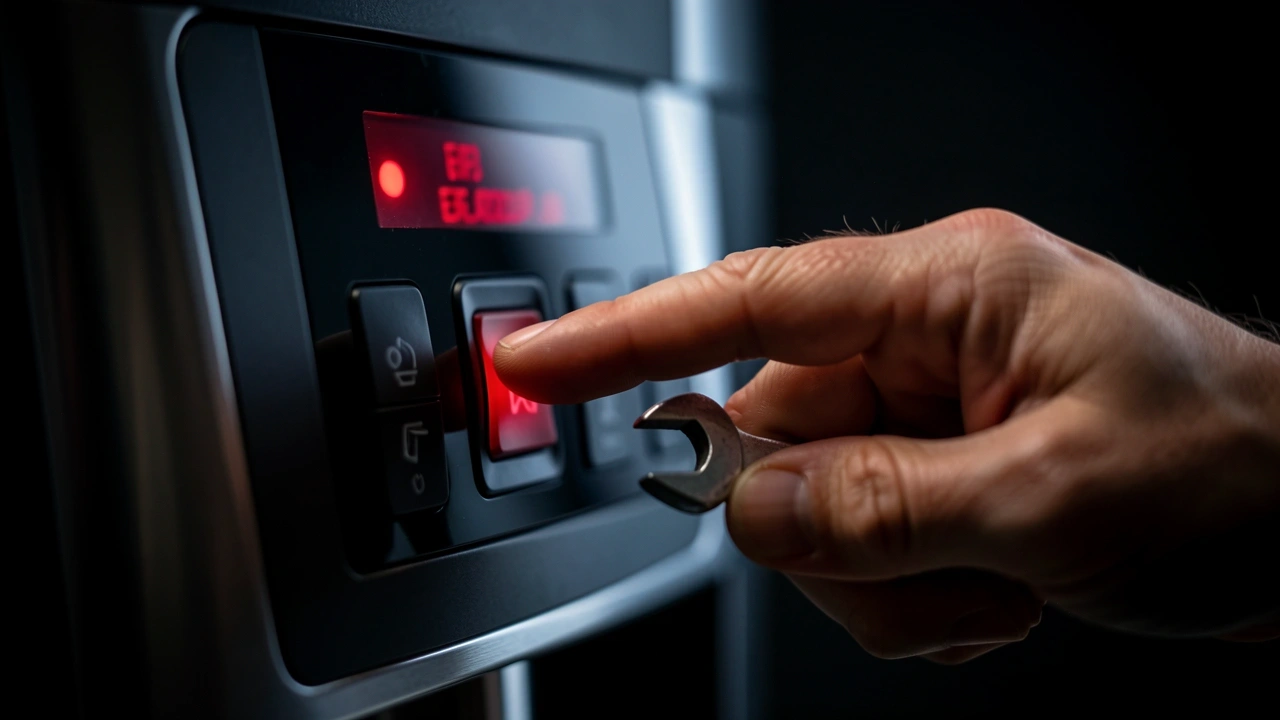
When a coffee machine fails, most people panic. But in a busy setting, you cannot afford a panic. Here is what you need to do.
- Machine not dispensing water: Check the water tank flow. If the machine is plumbed in, check the water line. If the filter is old, it could be blocked. Try a bypass filter.
- Weak or watery coffee: The grind is too coarse or the dose is low. In a busy gym, the most likely cause is that the machine is overdue for descaling. Scale build-up reduces water flow, leading to weak extraction.
- No steam: The steam wand is clogged. Wipe after each use and deep clean with a wand cleaner monthly.
- Error code: Check the owner manual. Most common codes are about water flow or boiler pressure. If a reset does not clear the code, call a technician immediately rather than keep the machine in a failing state.
In a high-volume gym, the most common issue that looks like a big failure is actually a blocked water filter.
If the filter is three months past its recommended change date, it reduces flow by 50 percent. That makes the machine error out.
Long-term ownership spare parts and professional service
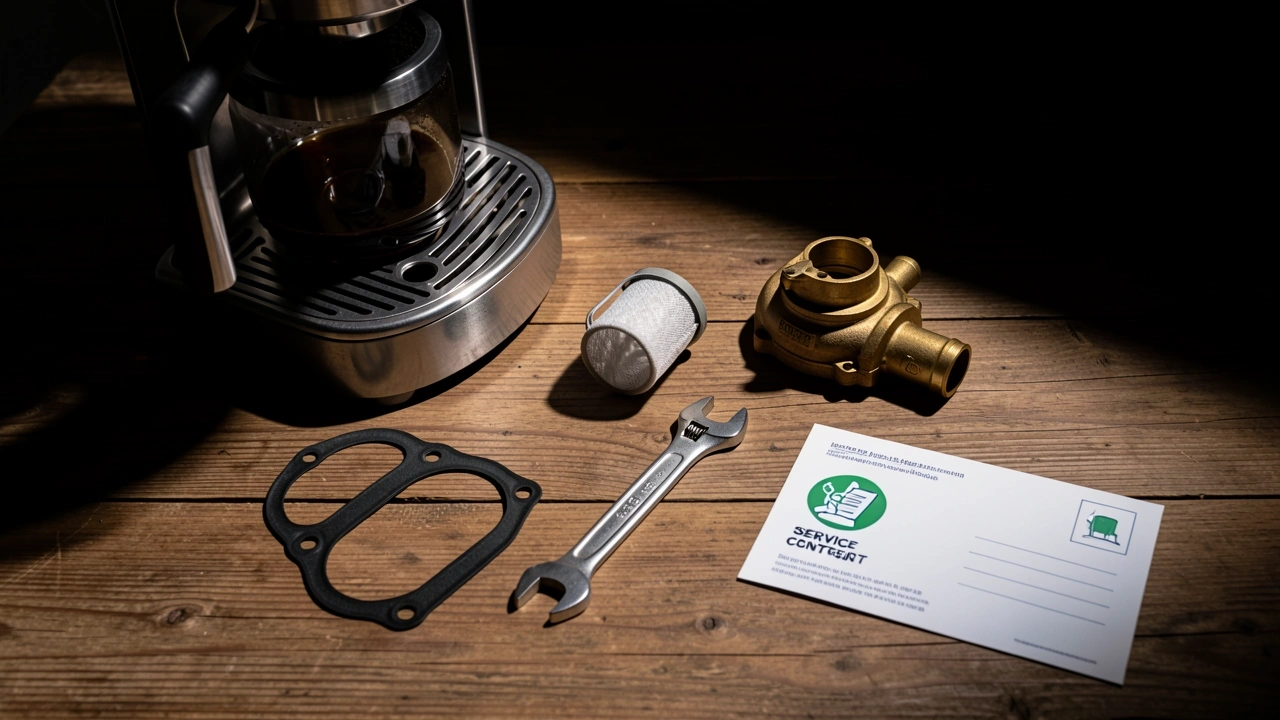
You cannot treat a commercial coffee machine like a toaster. Parts wear out. The seal on the group head, the pump, the heating element all have finite lives.
For a machine costing over $2,000 and serving more than 100 cups daily, I recommend a service contract. A typical contract covers one or two deep cleans per year, a checkup, and priority calls.
Without a contract, a single emergency repair costs $150 to $300 visit plus parts. A contract costs about $300 to $500 per year. That pays for itself if you avoid two emergency calls.
For cheaper pod machines under $1,000, a contract is usually not cost effective. Just buy a second machine as a backup or order spare pods with a consistency date.
Cost of neglect versus professional servicing
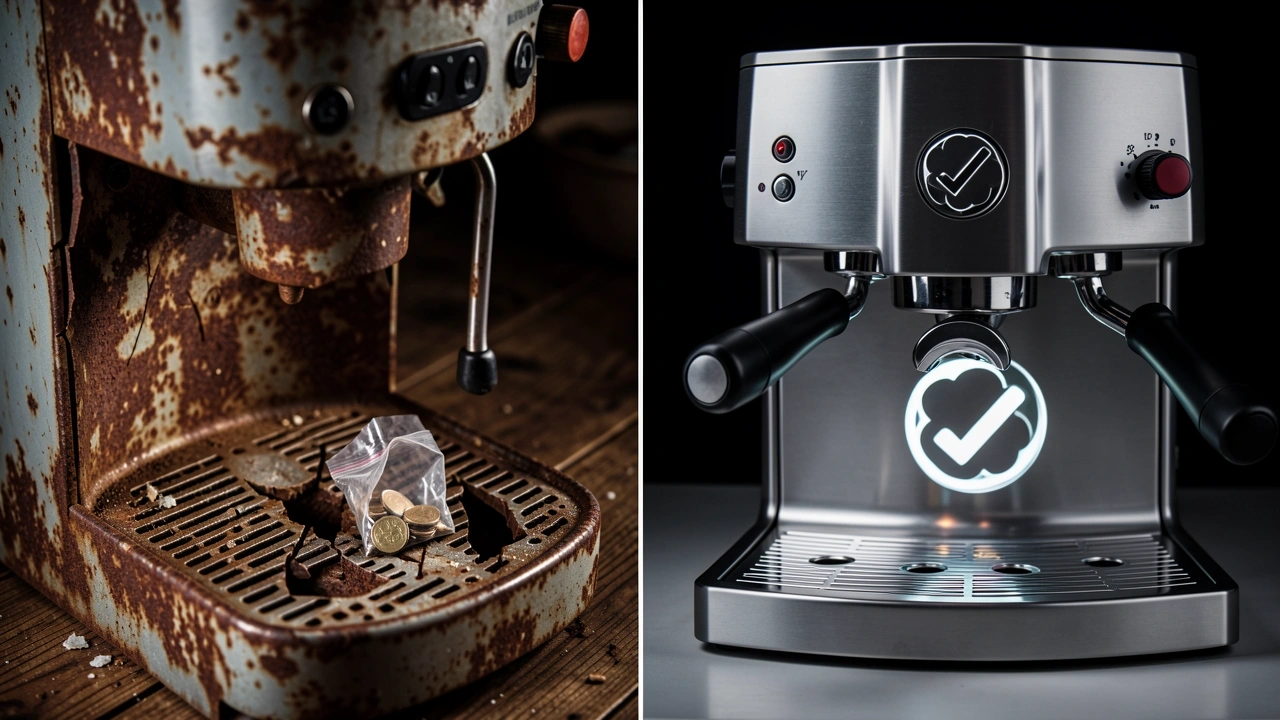
I have seen a busy gym lose $1,500 per week in coffee sales because the machine was down for three days. That is $4,500 in lost revenue over a four-day weekend.
A preventive maintenance plan that costs $300 a year looks cheap.
Also, think about customer experience. If the coffee machine is broken, gym members leave a bad review. Offices get people complaining. It costs far more than the servicing bill to get that trust back.
Frequently Asked Questions
How often should I replace the water filter in a gym that serves 300 cups a day?
Replace it every three months or every 1,500 liters, whichever comes first. If you have hard water, check it every month for a drop in water flow.
Many gyms I work with replace the filter each quarter without thought. That works until the water supply changes. Test and adjust accordingly.
Can I use white vinegar to descale a commercial machine?
No. Do not use white vinegar. It can corrode the internal seals, and the taste lingers.
Always use the manufacturer’s recommended descaler, which is usually citric acid or a chemical that dissolves calcium without damaging components.
I have seen a $3,000 machine ruined in one month from ongoing vinegar use.
What is the biggest mistake office and gyms make that shortens machine life?
Leaving the machine on 24/7 without a nightly cleaning cycle. In a busy environment, the machine builds up coffee oils inside after each shot.
If you do not run the cleaning cycle at the end of every day, those oils hardened and cause internal blockages. Second mistake is ignoring the steam wand purge.
You must purge the wand after each use or the milk dries and clogs the tip.
Should I buy a service contract for an office coffee machine?
For a machine costing over $2,000 with daily usage over 100 cups, yes, I recommend it. It covers two deep cleans per year and priority emergency calls.
For a cheap pod machine costing under $500, do not bother. Just buy a backup machine.
I have seen a gym keep two pod machines on the counter and swap them out when one goes down, which costs the same as one contract.
How do I prevent coffee machine downtime during the morning rush?
Schedule deep cleaning for mid-afternoon between 2 p.m. and 4 p.m. when demand drops. Keep a spare water filter, a gasket, a group head cover on hand for a quick fix.
I train my clients to run a flush cycle after the morning peak. That prevents scale from building up before the next busy hour.
Most downtime happens because the machine does not have time to cool down and flush properly.