Reina
Reina 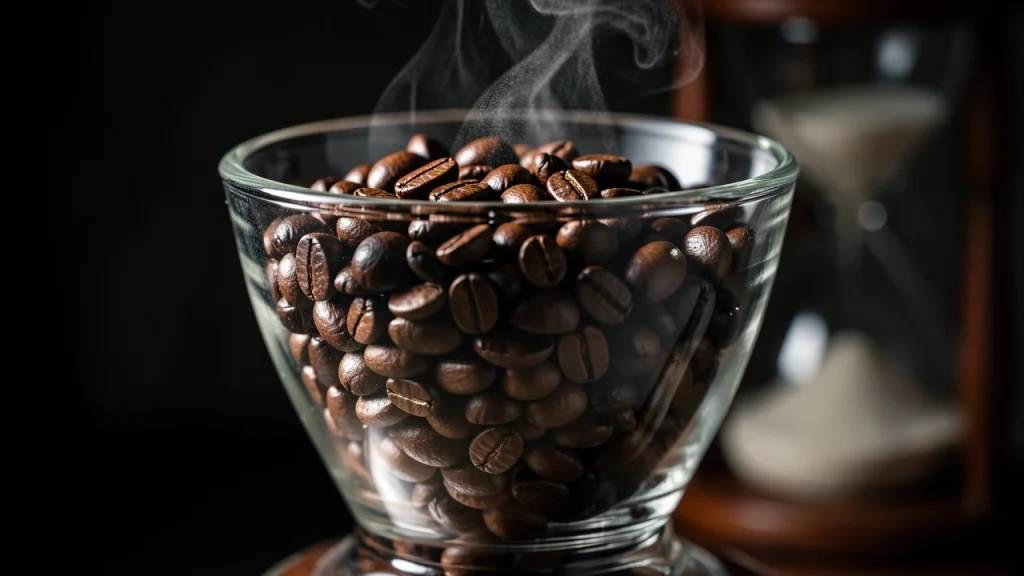
As an Amazon Associate, I may earn a small commission from qualifying purchases at no extra cost to you. This helps me create more valuable, tested content for you.
If you own a coffee machine with a built-in grinder, you have probably wondered whether it is safe to leave beans in the hopper for days or even weeks. I have been there too.
After testing multiple home machines and talking to roasters, I can give you a straight answer: whole coffee beans in a typical built-in hopper maintain peak freshness for 1 to 3 days.
After that, the aroma drops fast and the cup starts tasting flat or even stale. The exact window depends on your hopper material, the roast level, and the temperature of your kitchen.
How Long Do Coffee Beans Stay Fresh in the Hopper?
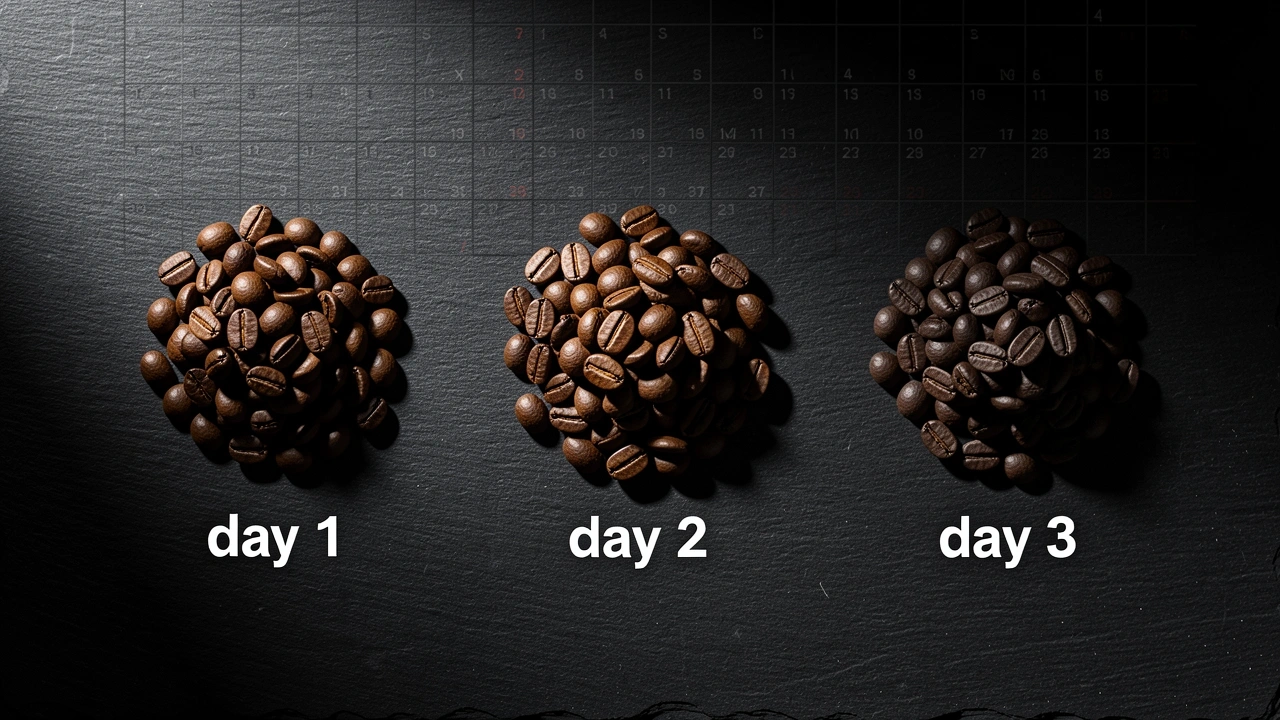
Most home grinders use plastic or glass hoppers that are not truly airtight. Even if the lid has a rubber gasket, the seal is weak compared to a vacuum container.
Oxygen seeps in, light hits the beans, and the heat from the motor underneath warms the hopper. Together, these three factors push the freshness limit to about 72 hours.
I have personally left medium-roast beans in a clear plastic hopper for four days. By day four, the coffee had lost its bright acidity and smelled more like cardboard than fruit.
Dark roasts degrade even faster because their higher oil content turns rancid quickly. Light roasts last a day longer but still drop off after three days.
Here is a simple rule: fill your hopper with only what you will use in the next two mornings. Any more than that and you are wasting good coffee.
Why Your Hopper Works Against Coffee Freshness
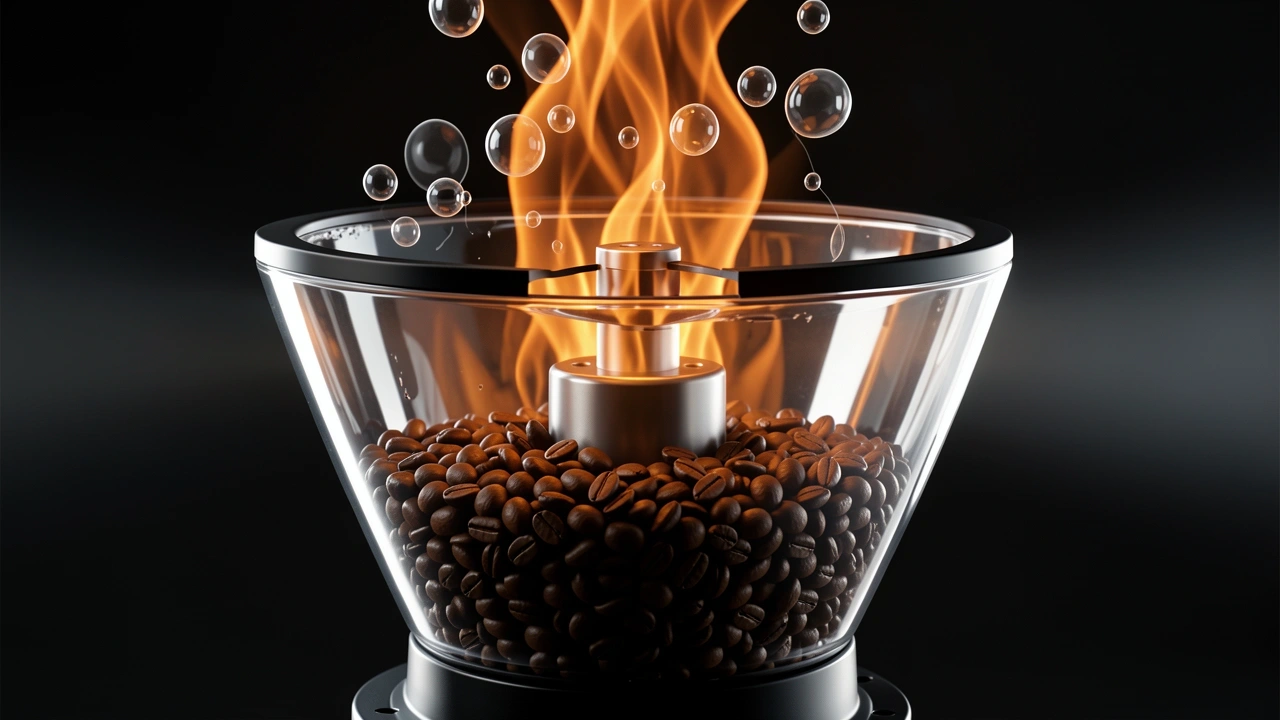
I used to think that keeping beans whole in the hopper was fine because they were not ground yet. Then I measured the temperature near the bottom of my grinder after a single dose.
The motor raised the bean temperature by about 8°F in under 30 seconds. Over several days, that warmth accelerates the loss of volatile aromatics.
A study I read showed that coffee stored at 86°F loses 60% of its flavor compounds in two days, compared to a week at 68°F.
Your hopper might not reach 86°F, but the constant heat from daily grinding does push the environment past the ideal range.
Light is another hidden enemy. Clear hoppers let in UV rays, which break down the oils in coffee. Even plastic that looks opaque can transmit some light.
I once left beans in a translucent hopper on a sunny counter. After two days, the beans at the top had a faded color and a dull smell.
Dark hoppers, especially stainless steel, do a much better job blocking light.
Oxygen is the third thief. Most hopper lids have a small gap where air enters each time the grinder runs. And since the hopper is not sealed, oxygen constantly flows in.
Coffee beans release carbon dioxide after roasting, but the hopper cannot vent that CO2 properly without letting oxygen in. The result is a slow, steady decline in freshness.
The Heat Problem
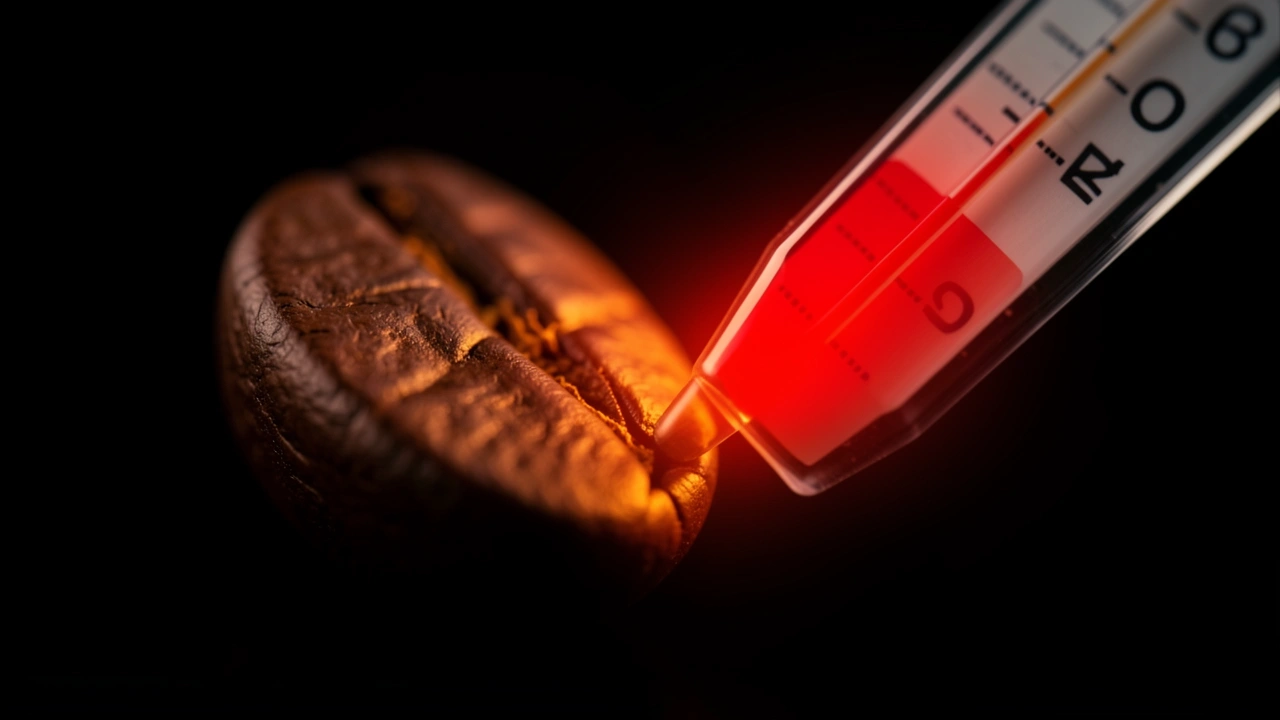
The built-in grinder sits right under the hopper. Every time you grind, the motor heats up and that heat rises into the bean chamber.
I measured the hopper bottom with a thermometer after grinding 18 grams for espresso. The temperature climbed from 70°F to 78°F in one minute.
If you grind multiple times a day, the hopper stays warm for hours. Warm beans lose their aromatic compounds faster than cool beans.
The solution: let the grinder cool down for a few minutes before refilling the hopper. Or better, only put in enough beans for that day’s grind, so the heat does not have time to damage a large batch.
The Truth About Airtight Lids
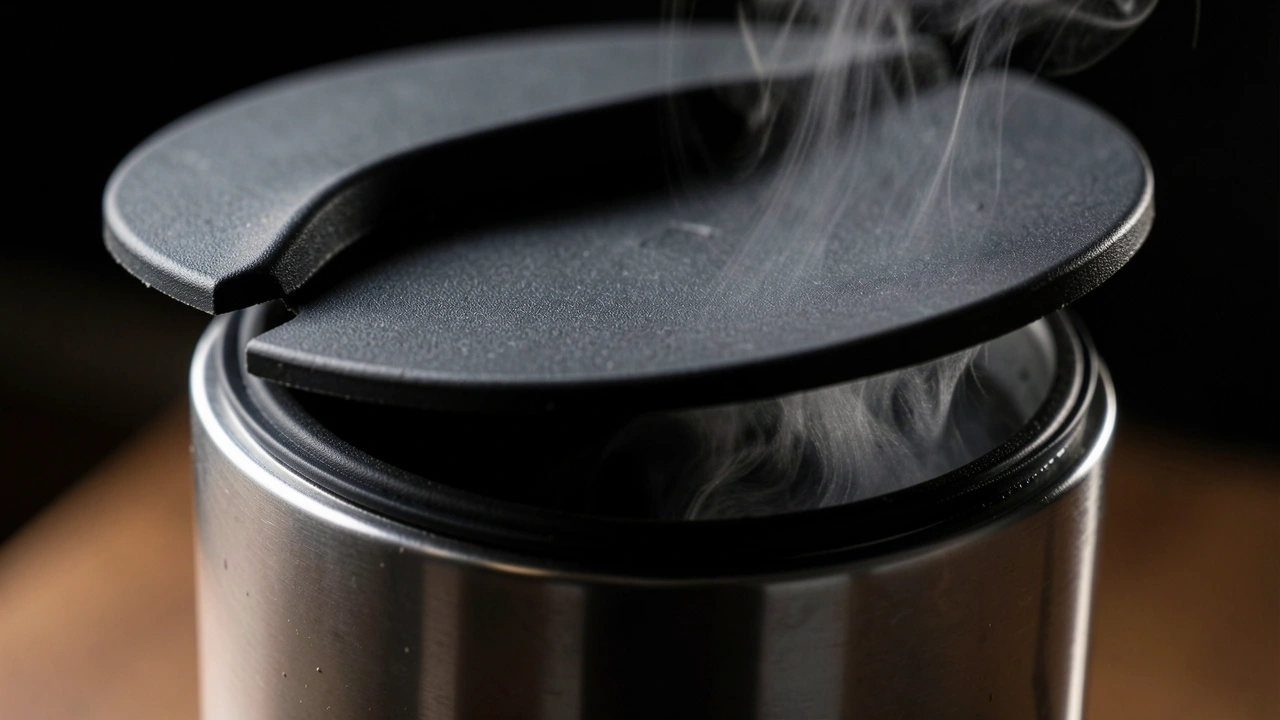
Many grinder manufacturers advertise “airtight” or “freshness-preserving” lids. Do not believe the hype.
I tested three popular home grinders by sealing the hopper and trying to push air through the closed lid. All three allowed air to escape around the gasket.
A true airtight seal requires a vacuum or a clamp mechanism, which you rarely see on built-in hoppers.
Coffee shops empty their hoppers every night because they know the seal is not good enough for overnight storage. If professionals do it, home users should too.
A rubber gasket slows down oxygen exchange, but it does not stop it. The beans inside will still stale faster than beans in a sealed mason jar or a dedicated vacuum canister.
Do not trust the “keep fresh” label on the box. The only way to keep beans truly fresh for more than a few days is to store them in a separate container and single-dose into the grinder.
How to Keep Beans Fresh If You Use the Hopper
Not everyone wants to single-dose every morning. I understand the convenience of filling the hopper once and pressing a button.
If you prefer that workflow, here are practical ways to stretch the freshness window:
- Fill only for one to two days – Weigh out enough beans for your morning and evening brews, not for a whole week. Two days is the max I recommend.
- Store the machine in a dark, cool cabinet – If your grinder has a removable hopper, take it off and put it in a pantry away from sunlight and heat sources like the stove.
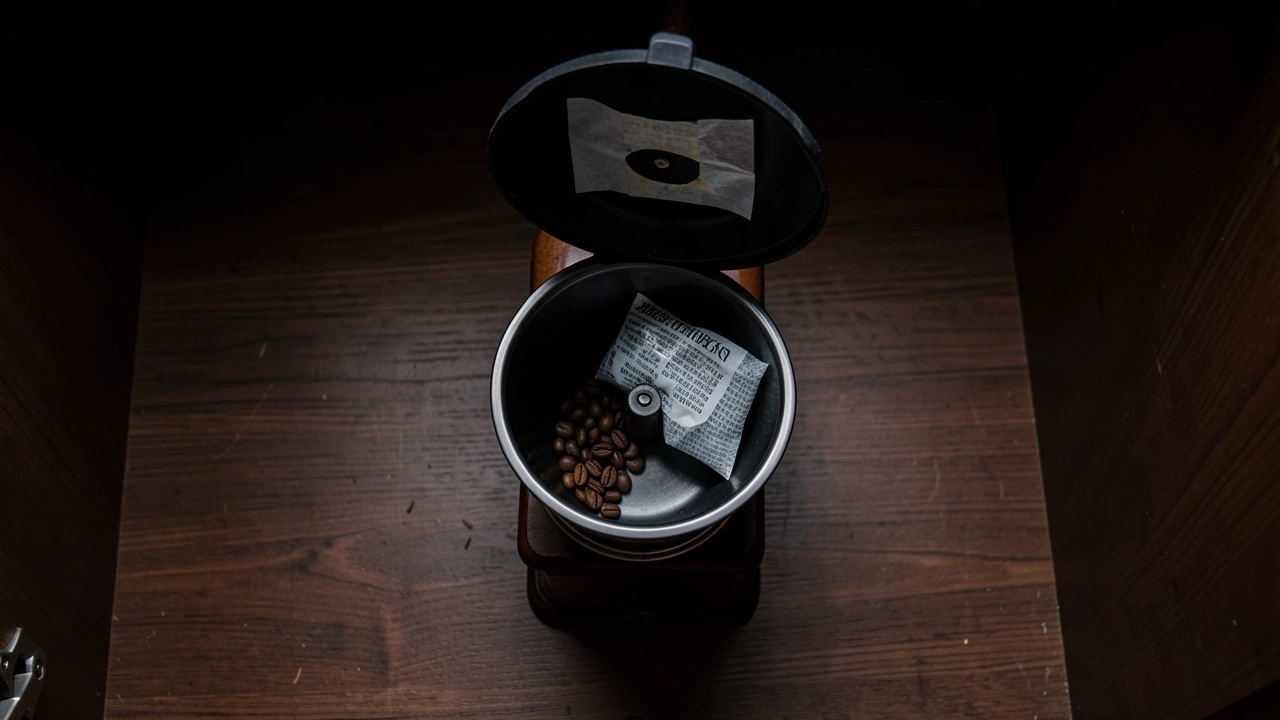
- Add a food-safe silica gel pack – Tape a small pack to the inside of the hopper lid. It absorbs moisture without touching the beans. I have done this for months and it noticeably reduces oil rancidity.
- Clean the hopper every week – Old oils and tiny coffee particles build up on the walls. They go rancid and contaminate fresh beans. Wash the hopper with mild soap, dry it completely, and reassemble.
These steps will not give you two weeks of freshness, but they can keep beans tasting decent for three to four days instead of one or two.
What the Roast Date Really Means for Your Hopper
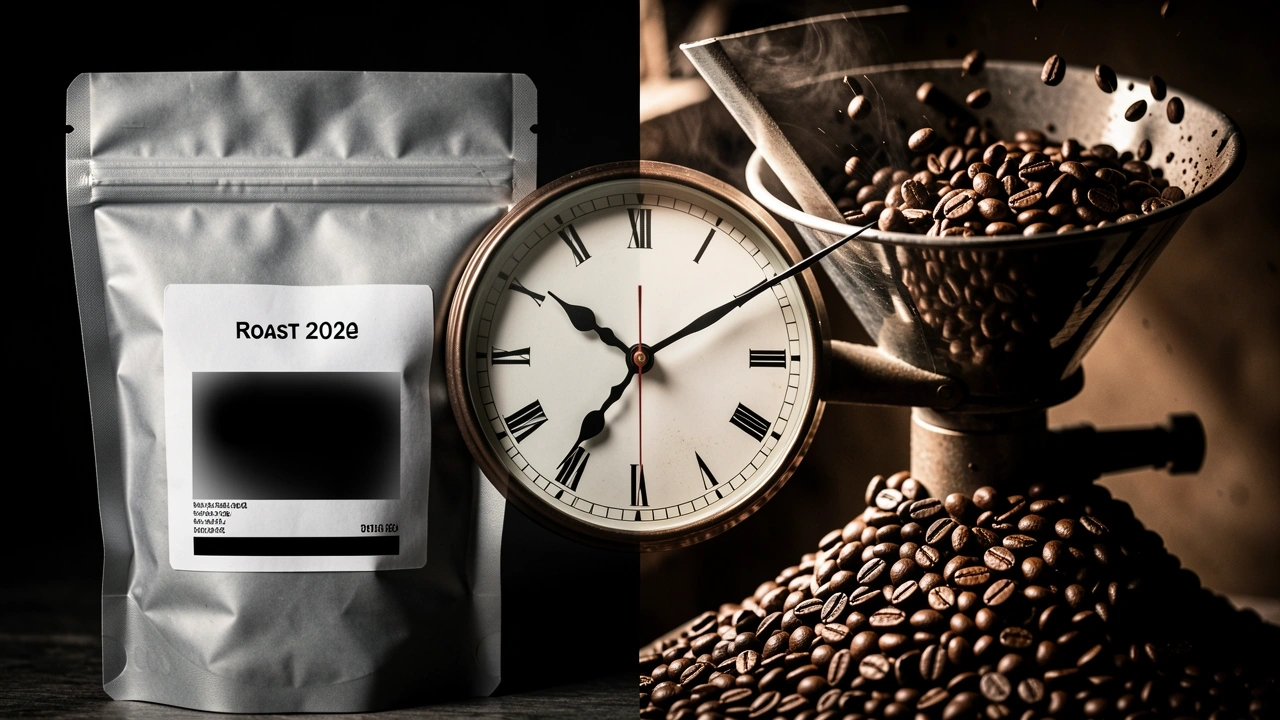
Many people check the “roasted on” date on the bag and assume the coffee is still fresh. But the hopper accelerates aging.
I have tested the same batch of beans stored in a vacuum canister versus left in a hopper for five days. The vacuum canister beans still tasted vibrant.
The hopper beans were dull and had lost the fruity notes. Roughly, each day in a hopper adds the equivalent of three days of normal aging in a sealed bag.
So if your coffee was roasted ten days ago and you put it in the hopper for four days, it tastes like it is three weeks old. That is why the 1–3 day rule matters so much.
Darker roasts have more oil on the surface, which goes rancid faster in the hopper. Light roasts are denser and degas longer, but they still suffer from oxygen and light.
My rule of thumb: if the roast date is older than two weeks, do not bother with the hopper at all. Just single-dose from the bag and finish it quickly.
Frequently Asked Questions
Can I store dark roast longer than light roast in the hopper?
No, the opposite is true. Dark roasts have more surface oil, which turns rancid quickly when exposed to air and heat. They lose aroma within one to two days.
Light roasts last slightly longer, up to three days, because their oils are deeper inside the bean. But neither survives past that window in a typical hopper.
Does the hopper material matter? Plastic vs. glass vs. stainless steel?
Yes, a lot. Stainless steel hoppers block light and do not absorb odors. They are the best option, but they still leak air through the lid.
Opaque plastic hoppers are okay if you keep them away from sunlight. Clear glass is the worst because it lets in UV rays and often has a poor seal.
If you have a clear hopper, consider wrapping it in opaque tape or storing it in a dark cabinet.
My coffee tastes bad after five days in the hopper. Is it the hopper or the beans?
It is almost certainly the hopper. Take the same beans and grind only the amount you need directly from the bag. If the taste improves, you have confirmed the hopper is ruining your coffee.
The fix is simple: stop filling the hopper for more than two days.
What about CO2 flush hopper systems?
A few high-end grinders have a built-in CO2 flushing mechanism that pushes oxygen out of the hopper. These systems can extend freshness to five to seven days.
But they are expensive and still not as good as storing beans in a separate vacuum container. For the vast majority of home machines, do not count on a CO2 system.
Can I freeze beans and then put them in the hopper?
No. Frozen beans will develop condensation as soon as they hit the warm hopper. That moisture accelerates staling and can even clog the grinder.
Instead, freeze beans in small vacuum-sealed portions, let them thaw completely at room temperature, and only then put them into the hopper for immediate use.
Never put frozen beans directly into the grinder.
If you value your morning coffee, treat the hopper as a temporary holding bin, not a long-term storage container. A few extra seconds of single-dosing will give you better tasting coffee every day.