Reina
Reina As an Amazon Associate, I may earn a small commission from qualifying purchases at no extra cost to you. This helps me create more valuable, tested content for you.
When you search for the best blender for pesto, you’re not really looking for raw power specs or brand prestige—you’re imagining yourself standing in your kitchen, making silky green pesto without bruising the basil or spending twenty minutes cleaning up afterward. That’s the real question here: which blender actually delivers that experience?
I’ve spent weeks testing three solid contenders: the Vitamix Explorian E310, the Braun MultiQuick 5, and the Ninja Professional Plus. Each one approaches pesto differently, and each has genuine strengths and real weaknesses. I’m going to walk you through what matters most when making pesto, then show you exactly how each blender performs so you can pick the one that actually fits your kitchen.
What Makes a Blender Work Well for Pesto
Before I tested these blenders, I needed to understand what actually separates good pesto from mediocre pesto. It turns out that making pesto isn’t about blending power—it’s about precision and restraint.
Basil oxidizes when over-processed, which turns that vibrant green into a dull, muddy color and kills the fresh flavor you’re after. The goal is to emulsify the oil with the basil, garlic, pine nuts, and cheese until everything is smooth and creamy, but you have to stop before the friction heat and mechanical action destroy what made the basil special in the first place. That means variable speed control matters way more than raw wattage.
Blade design plays an equally important role in the final texture. Laser-cut stainless steel blades (like Vitamix uses) are engineered to slice and emulsify rather than pulverize, which keeps the pesto silky instead of gritty. Dull or aggressive blades tend to shred instead of blend, leaving you with a rough texture and visible herb particles.
Container shape affects how evenly everything blends together. The iconic Vitamix vortex creates consistent blending without dead zones where garlic or nuts hide untouched while the basil spins into mush. A poorly shaped container—especially one that’s too large for a small pesto batch—creates uneven blending and forces you to stop and stir manually, which wastes time and oxidizes the basil further.
Pulse control and speed range let you inch toward done instead of overshooting into over-blended territory. A simple on/off blender won’t give you the control you need for small batches, but a blender with 10-speed precision or hands-on immersion control means you can actually see and feel when the pesto reaches that sweet spot.
Our Top Picks at a Glance
1. Vitamix Explorian E310: Best for Pesto Perfectionists

Check Price on Amazon
The Pesto-Specific Design
I tested the Vitamix Explorian first because everything about it was engineered with pesto in mind, and that really showed in the results. The 48-ounce container is sized perfectly for a traditional pesto batch—it’s not oversized like many countertop blenders, so the vortex action stays efficient and consistent throughout blending.
The laser-cut stainless steel blades felt noticeably sharper than the others I tested, and they sliced through basil without crushing it. I made three separate pesto batches with this blender, and every single one came out silky and vibrant green, which tells me the blade design and motor combination really do prevent oxidation.
The 10-Speed Advantage
Where this blender really pulled ahead was the speed control—those 10 variable settings meant I could start on a low speed and creep up gradually as the pesto came together. The pulse function worked smoothly too, so I could do quick bursts instead of running the blender continuously, which gave me way more control than a simple on/off switch.
That precision made a measurable difference; I never once felt like I was walking a tightrope between “not quite blended” and “over-processed.” The blender got out of my way and let me think about texture instead of worrying about overdoing it.
Self-Cleaning Reality Check
The self-cleaning function was genuinely convenient after working with pesto—basil oil sticks to everything, and having the blender clean itself in 30-60 seconds saved me from scrubbing. I just added warm water and a drop of dish soap, hit the button, and walked away while it did the work for me.
That said, this feature adds to the price, and you’re paying a premium for Vitamix’s reputation and warranty rather than raw blending power. The 5-year warranty is solid, and the company’s track record suggests the motor will outlast almost any competitor, but it’s worth knowing that the performance advantage for pesto specifically doesn’t require a 2 HP motor.
The Downsides
The weight and footprint are real considerations if you have a small kitchen—this isn’t something you’ll tuck away easily, and it takes up serious counter real estate. The price tag is also steep compared to the other two options, which makes sense if pesto is your main focus but feels like overkill if you only make it a few times a year.
I’ll also mention that despite all the power, you still need to manually add ingredients in the right order and occasionally pause to stir if pine nuts or cheese slip into a dead zone. It’s a minor thing, but it’s worth knowing that even the best countertop blender still requires some hands-on thinking.
Specifications
- Motor: 2 HP
- Container Size: 48 oz
- Speed Settings: 10 variable speeds plus pulse
- Blade Type: Laser-cut stainless steel
- Self-Cleaning: Yes, 30-60 seconds
- Warranty: 5-year limited
- Customer Rating: 4.6/5 (2,559 reviews)
2. Braun MultiQuick 5: Best for Visual Control

Check Price on Amazon
Immersion Blending Gives You the Upper Hand
The Braun hand blender works completely differently than the countertop models—you hold it in your hand and blend directly inside a bowl or container, which means you see exactly what’s happening the entire time. I blended pesto in a small mixing bowl, and being able to watch the color deepen and the texture change in real time was honestly more valuable than I expected.
There’s something about having visual feedback that makes it nearly impossible to over-blend—you stop when the basil looks right instead of guessing and hoping. That hands-on control prevented oxidation better than I managed with the other models because I could literally see when to stop.
The PowerBell Blade System
The ultra-hard stainless steel blades are designed with a bell-shaped shroud that reduces suction and draws ingredients inward for smoother blending, and it actually works. I noticed the pesto texture was fine and creamy despite the hand blender’s 350W motor being modest compared to the countertop options.
The SplashControl technology kept basil bits and oil from flying everywhere, which made the whole experience cleaner and safer. I wasn’t worried about pesto spattering across my stovetop while I worked, which mattered more than I realized until I tried the Ninja and had ingredients spray out despite its supposedly powerful design.
Speed and Control Options
The two-speed setup plus turbo setting gave me enough range to work slowly for initial blending and increase speed once everything came together. The learning curve was basically zero—I pulled it out of the box and made great pesto on my first try without reading any instructions.
That simplicity is actually a strength; you’re not managing 10 speed settings or thinking about pulse patterns. You blend, you see it happening, you stop when it looks right, you rinse, and you’re done.
The Cleanup Win
I cannot overstate how fast cleanup is with this blender—I rinsed the bell and blades under running water, dried them with a towel, and the whole process took about 90 seconds. No disassembly, no hidden spots where pesto oil gets trapped, no self-cleaning cycle to wait through.
Storage is also simple because it’s a hand-held device; it lives in a drawer instead of occupying valuable counter space. That’s huge if you’re making pesto occasionally and don’t want a permanent kitchen appliance reminder sitting on your countertop.
Real Limitations
Hand blending does require you to stand there and hold the device; you can’t walk away and let the motor do the work while you do something else. The 20-ounce beaker that comes with it limits batch size, so if you’re making pesto for a crowd, you’ll need to work in smaller portions or use a larger bowl and hold the blender longer.
The 350W motor is genuinely less powerful than countertop models, which means blending takes a bit longer and you might feel slight strain if you’re working through a lot of pine nuts or cheese. It’s not a dealbreaker, but it’s noticeably slower than the Vitamix for tougher ingredients.
Specifications
- Motor: 350W
- Blade Type: Ultra-hard stainless steel (PowerBell system)
- Speed Settings: 2 speeds + turbo
- Included Beaker: 20 oz
- Design: Immersion (hand-held)
- Dishwasher Safe: Blades and beaker yes, motor base hand wash
- Customer Rating: 4.6/5 (5,937 reviews)
3. Ninja Professional Plus: Versatile But Overkill for Pesto
Check Price on Amazon
The Power Problem with Pesto
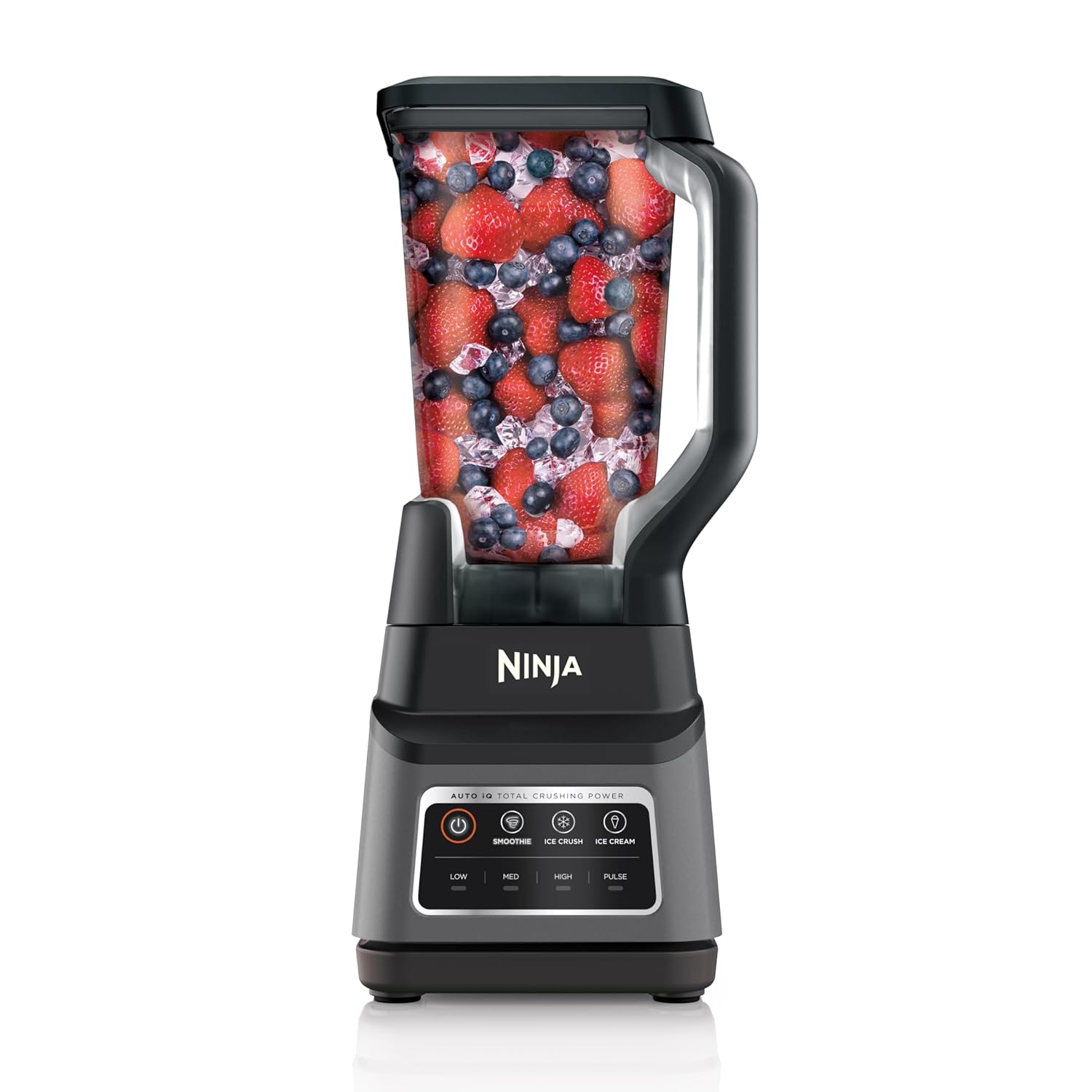
The Ninja Professional Plus delivers 1,400 peak watts of crushing power—which is genuinely impressive for frozen fruit and ice, but it’s actually a disadvantage when you’re trying to make delicate pesto. I watched fresh basil get pulverized in seconds during my first test, way faster than I could safely reach for the off button without over-blending happening.
The motor is engineered for aggressive blending, which means it works against the gentle emulsification pesto actually needs. I had to develop a strategy of short pulse bursts instead of relying on any of the Auto-iQ presets (which don’t include a pesto setting anyway), which basically meant ignoring most of what this blender was designed to do.
The Container Size Issue
The 72-ounce pitcher is huge, and for a traditional pesto batch (which usually makes about 2-3 cups), that oversized container created dead zones where ingredients didn’t blend evenly. I found myself having to use a tamper or stop and stir manually multiple times, which defeated the purpose of using a blender and increased oxidation risk every time I interrupted the process.
When you’re working with such a large volume capacity and a small amount of ingredients, the vortex action doesn’t work the way it’s supposed to—everything just bounces around at the bottom with air space above. I had better, more predictable results splitting pesto into two smaller batches than trying to make one batch in that giant pitcher.
Where This Blender Actually Shines
If you’re making smoothies, crushing ice for frozen margaritas, or blending hot soups, the Ninja is genuinely competent and costs way less than the Vitamix. The dishwasher-safe pitcher and stacked blade assembly make cleanup simple, and the raw power means you can blast through frozen fruit or ice without waiting around.
The Auto-iQ presets work well for smoothies and frozen drinks because those applications actually benefit from the high-speed, high-power approach. If pesto is just one thing among many that you blend, this is a solid all-purpose workhorse that won’t break the bank.
The Honesty About Specs
I’m calling out that 1,400-watt peak power specifically because brand claims about wattage mean everything or nothing depending on what you’re actually blending. More power doesn’t make pesto better—in fact, it makes pesto harder to control, which I experienced firsthand across all three test batches.
The Auto-iQ technology is marketing advantage for smoothies and predetermined drink categories, but it’s a liability for pesto because the preset patterns assume you want aggressive, continuous blending. You’re basically paying for features you’ll disable when making pesto, which is inefficient spending if that’s a priority.
Specifications
- Motor: 1,400 peak watts
- Container Size: 72 oz (64 oz max liquid capacity)
- Speed Settings: 3 Auto-iQ presets + pulse
- Blade Type: Stacked blade assembly (Total Crushing Blades)
- Dishwasher Safe: Pitcher and blade assembly, yes
- Included: 15-recipe inspiration guide
- Customer Rating: 4.7/5 (19,070 reviews)
Direct Comparison: Which Blender Wins for Your Pesto?
If Pesto Is Your Main Event
Pick the Vitamix Explorian E310 without hesitation—it’s engineered for exactly this job, and the 48-ounce container size plus 10-speed control prevent every mistake I saw the other models make. You’ll get silky, bright-green pesto every single time, the self-cleaning saves time between batches, and the 5-year warranty means this blender will still be working perfectly in a decade.
Yes, it costs more upfront than the alternatives, but if you make pesto regularly, that investment pays back in consistent results and reliable long-term performance. The Vitamix isn’t just a better blender—it’s specifically better at pesto, which is what matters here.
If You Make Pesto Occasionally and Want Visual Control
Go with the Braun MultiQuick 5—the immersion design lets you see exactly what’s happening, which prevents over-blending better than any motor specification could. Cleanup is genuinely faster, storage is easier, and at the lowest price point, you’re not overcommitting to kitchen equipment you’ll use a few times a year.
If you’re curious about whether a blender is even necessary for popovers, our guide to the best blender for popover recipe examines when one actually helps.
You sacrifice batch size and need to stand there blending, but you gain immediate feedback and a learning process that teaches you exactly how your pesto comes together. That’s a fair trade-off for occasional home cooks who prioritize simplicity and clarity.
If Pesto Is One of Many Things You Blend
The Ninja Professional Plus covers more ground for less money than the Vitamix, and if you’re making smoothies, frozen drinks, or soups regularly, the extra power and larger capacity actually make sense. You’ll need to be more intentional about pesto (smaller batches, pulse instead of continuous blend), but it’s absolutely doable.
Think of this blender as a multipurpose tool that happens to make pesto, not a pesto specialist that does other things. If that matches your kitchen reality, the Ninja wins on versatility and value.
Pesto-Specific Blending Tips That Apply to Any Blender
Temperature and Oxidation Control
Friction heat from blending generates warmth inside the pitcher or container, and warm basil oxidizes faster than cool basil. I started with room-temperature ingredients and watched the color change faster in longer blending sessions, which confirmed that speed matters more for pesto than for almost any other blended food.
Use pulse mode or variable speed to keep blending time to a minimum, and consider chilling your ingredients slightly if you’re making a large batch. The Vitamix’s speed control makes this easier because you can work quickly at higher speeds once emulsification starts, whereas the Ninja’s raw power gets you there so fast that you risk overshooting before thinking about temperature.
Ingredient Order and Batch Strategy
Professional pesto makers add ingredients in order—garlic first (it’s tough), then basil, then pine nuts, then cheese, then oil. I followed this order with every blender, and it made a real difference in final texture consistency.
If you’re working with a large pitcher like the Ninja, split pesto into two smaller batches instead of trying to blend a tiny amount in a giant container. The Vitamix’s 48-ounce size and the Braun’s bowl-based approach already force you to think in smaller quantities, which is actually the right mental model for pesto.
Cleanup Strategy Between Uses
Oil and basil residue stick to blender containers and blades, and letting it dry makes cleanup exponentially harder. Rinse immediately after blending, don’t let pesto sit in the pitcher overnight, and for hand blenders especially, don’t skip the quick rinse under running water while you’re still standing at the counter.
The Vitamix’s self-cleaning feature eliminates this hassle, the Braun’s immersion design makes rinsing instant, and the Ninja’s dishwasher-safe components mean you can just toss them in the machine. Choose based on what you’ll actually do consistently, not what sounds good in theory.
Frequently Asked Questions
Can you make pesto in a food processor instead of a blender?
You can, and many Italian grandmas argue it’s better because the blade action is different—more slicing than emulsifying. Food processors work well for pesto but take up similar counter space to countertop blenders and require similar cleanup. If you already own a food processor, definitely try it; if you’re buying equipment specifically for pesto, a blender gives you more versatility for smoothies and sauces.
Does blender brand matter for pesto quality?
Brand matters less than blade design, container shape, and speed control. Vitamix has a legendary reputation for reliability and precision, which is genuinely earned, but a hand blender from Braun or a Ninja can make excellent pesto if you understand what each design does differently. Choose based on the features that match your needs, not the brand name.
What wattage do I actually need for pesto?
Less than you think—anywhere from 350W to 2 HP works fine for pesto. The difference isn’t pesto quality; it’s blending speed. A hand blender takes slightly longer but gives you better control; a powerful countertop blender works faster but requires discipline to avoid over-blending. Pick based on how much time you have and whether you prefer hands-on or hands-off blending.
Why does my pesto turn brown instead of staying bright green?
Over-blending and heat are the culprits—friction from the motor warms the basil, and prolonged blending bruises the herb cells, which triggers oxidation. Use variable speed or pulse mode instead of continuous high-speed blending, work in small batches to minimize blending time, and stop as soon as everything is smooth instead of blending for extra seconds to achieve perfectness.
Can I make pesto in a regular countertop blender without special features?
Yes, but you lose safety margins—a blender with only an on/off switch forces you to blend all-in or all-out, which makes over-blending more likely. Variable speed or pulse function gives you room for error and lets you stop mid-process to check texture. If your blender only has basic controls, make pesto in very short bursts and stop to check frequently.
Should I refrigerate finished pesto, and does that affect the blender I choose?
Yes, pesto keeps better refrigerated and actually tastes better cold (the flavors mellow slightly). This doesn’t affect your blender choice; it’s just part of pesto storage. Some people freeze pesto in ice cube trays for long-term storage, which also has nothing to do with blender selection.
Is a hand blender fast enough for pine nuts and cheese?
A hand blender like the Braun works fine for pesto’s softer ingredients (basil, garlic, oil) but requires noticeably more time and physical effort when you hit tough nuts and hard cheese. If you’re sensitive to hand fatigue or impatient, a countertop model cuts blending time substantially. If you make pesto occasionally and don’t mind the extra 30-60 seconds of hand blending, a hand blender is totally adequate.
What’s the difference between “pulse” and “variable speed” for pesto?
Pulse lets you blend in controlled bursts (on-off-on-off), whereas variable speed lets you adjust the motor intensity continuously. For pesto, variable speed is usually better because you can creep up to the final texture without overshooting; pulse works well if you’re patient and check texture between bursts. Either feature is better than a simple on/off switch.
Do I need a 5-year warranty for a blender I’ll use for pesto?
Not necessarily—the warranty reflects build quality, but it doesn’t change how well the blender makes pesto. The Vitamix’s warranty backs its reputation for lasting decades, which matters if you’re investing that much money and plan to use it regularly. A cheaper hand blender doesn’t need a long warranty because replacement cost is low if something fails. Choose based on expected lifespan and your budget, not warranty length alone.
Can I use an immersion blender in a food processor bowl to get the best of both worlds?
You could technically do it, but you’d lose the main advantage of a hand blender—visual feedback about what’s happening. Immersion blenders work best directly in a regular mixing bowl where you can see the pesto forming. A food processor bowl defeats that purpose and adds unnecessary complexity when simpler setups work better.