Reina
Reina 
As an Amazon Associate, I may earn a small commission from qualifying purchases at no extra cost to you. This helps me create more valuable, tested content for you.
Most people think upgrading to a commercial espresso machine is about chasing a better tasting shot. It is not. The real driver is workflow friction.
You are tired of waiting. Tired of steaming milk after pulling a shot and losing temperature stability. Tired of single boiler compromises.
I have owned both a high end home machine and later a commercial unit. The difference is not just in the coffee. It is in the operational rhythm. A home machine is a tool you work around.
A commercial machine is a tool you work with. The question is when the shift becomes worth the cost and the headache.
The Friction Threshold: When Time Beats Money
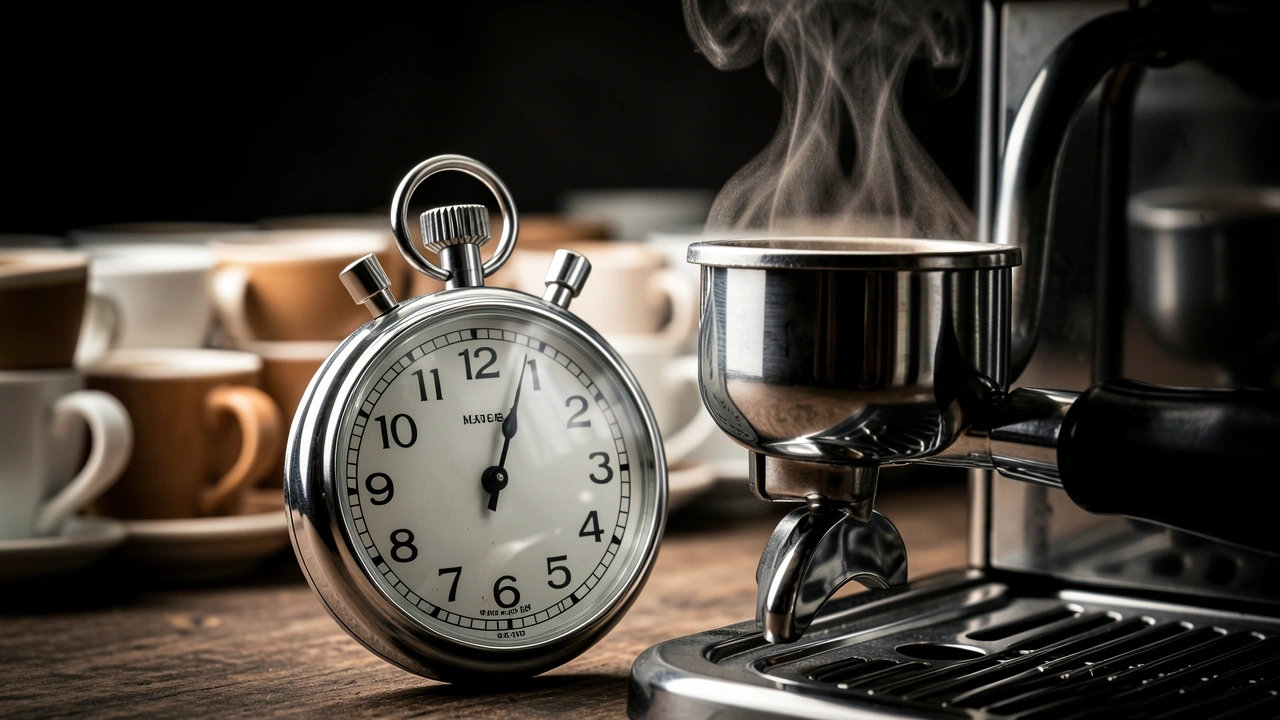
There is a specific volume where a home machine breaks down as a workflow machine.
For a single boiler or even a dual boiler at the prosumer level, the limit is around four to six consecutive milk drinks.
After that, the steam boiler reheat time or the brew boiler temperature recovery starts to lag. You end up waiting. That wait is the friction.
I used a Lelit Bianca for two years before moving to a two group commercial machine. The Bianca is fantastic for a few back to back drinks.
But when I started hosting weekly coffee gatherings with ten or more people, the workflow turned into a chore.
I was constantly flushing groups, waiting for the PID to settle, and juggling steam pressure. The machine was working. I was not.
The real upgrade trigger is not a feeling of wanting more. It is a measurable frustration. You time yourself and find that making four lattes takes fifteen minutes because of recovery waits.
That is when the commercial machine starts to make sense.
The Three Hidden Costs Nobody Talks About
Before you look at machines, understand the operating model shift. A home machine is designed to be ignored. You fill the tank, descale occasionally, and maybe replace a seal every few years.
A commercial machine is designed to be serviced on a schedule. The cost structure flips completely.
Maintenance Becomes a Monthly Bill
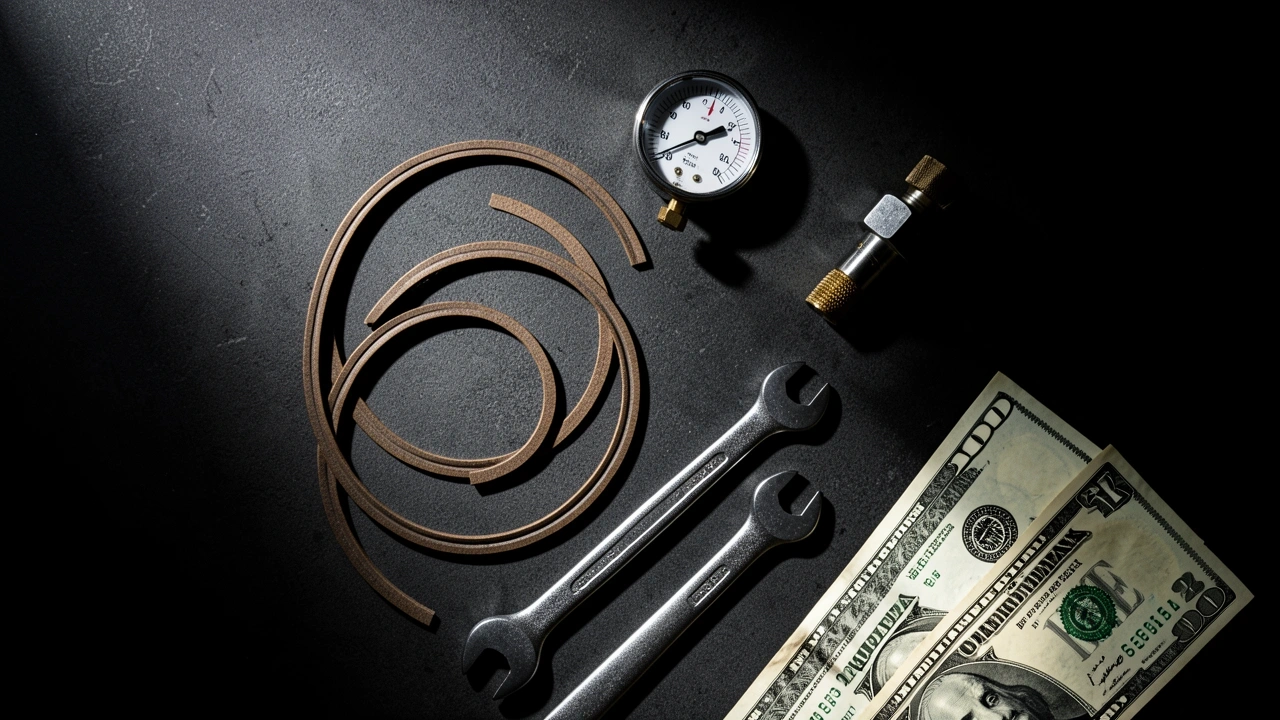
My commercial machine requires a full annual service. That includes replacing gaskets, checking the expansion valve, cleaning the steam boiler, and recalibrating the pressure stat.
The cost runs between 300 and 800 dollars per year depending on parts and labor. A home machine like the Bianca costs under 100 dollars annually for the same period. The difference is not small.
It is the price of admission.
Water Treatment Is Not Optional
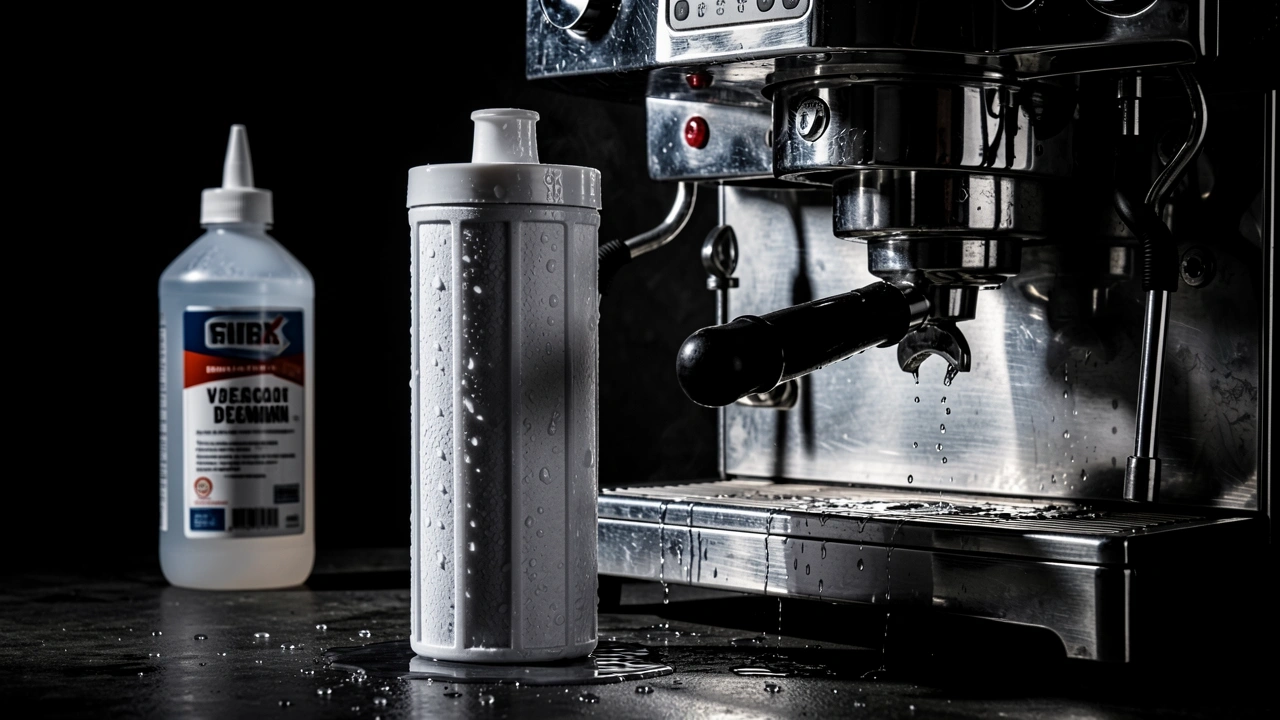
Commercial machines have large boilers and complex plumbing. They scale up fast if you do not treat your water. You need a water softener or a reverse osmosis system plumbed in.
That is another 200 to 500 dollars upfront plus ongoing filter replacement costs. Home machines can tolerate harder water because the boilers are smaller and easier to descale.
Commercial machines do not forgive neglect.
The Noise and Heat Tax
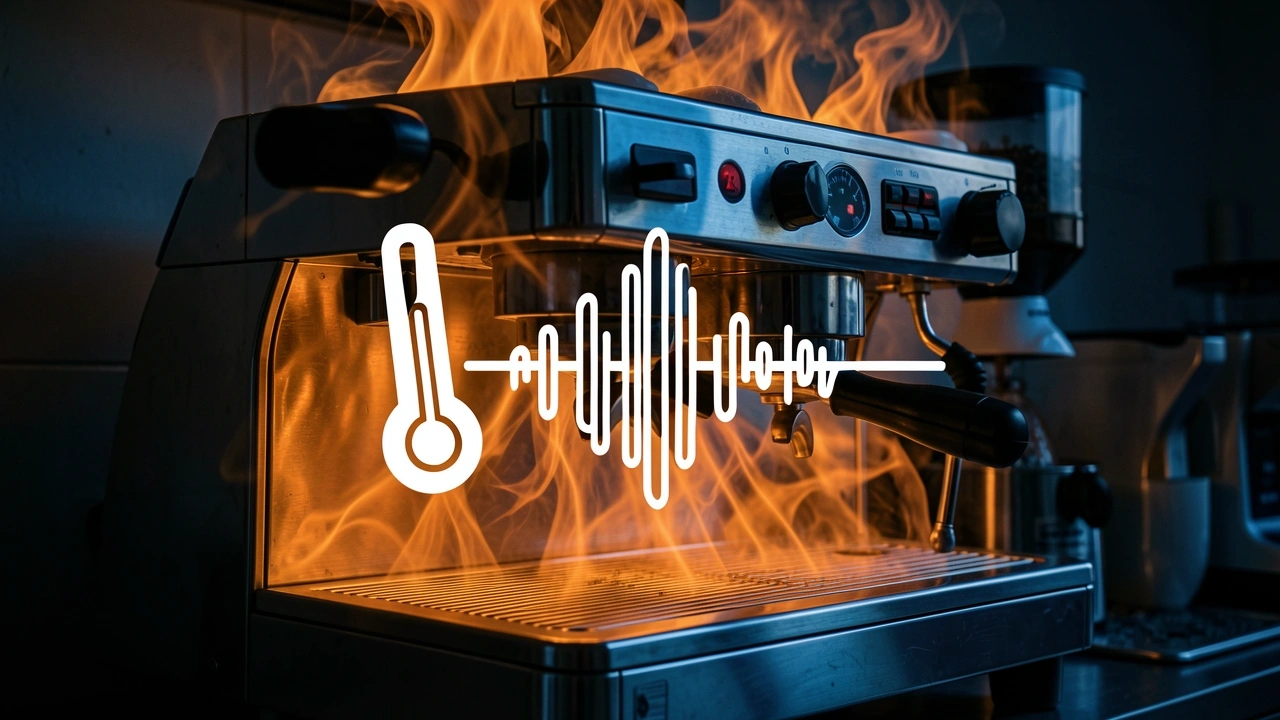
A commercial machine runs constantly to maintain thermal stability. The rotary pump hums. The heating elements cycle. The machine radiates heat.
In an open plan kitchen, this changes the ambient temperature. You also need proper electrical capacity. Most home kitchens run on 15 amp circuits.
A single group commercial machine often requires a dedicated 20 amp circuit. A two group machine needs 30 to 50 amps. That means an electrician visit
The Volume Threshold Test
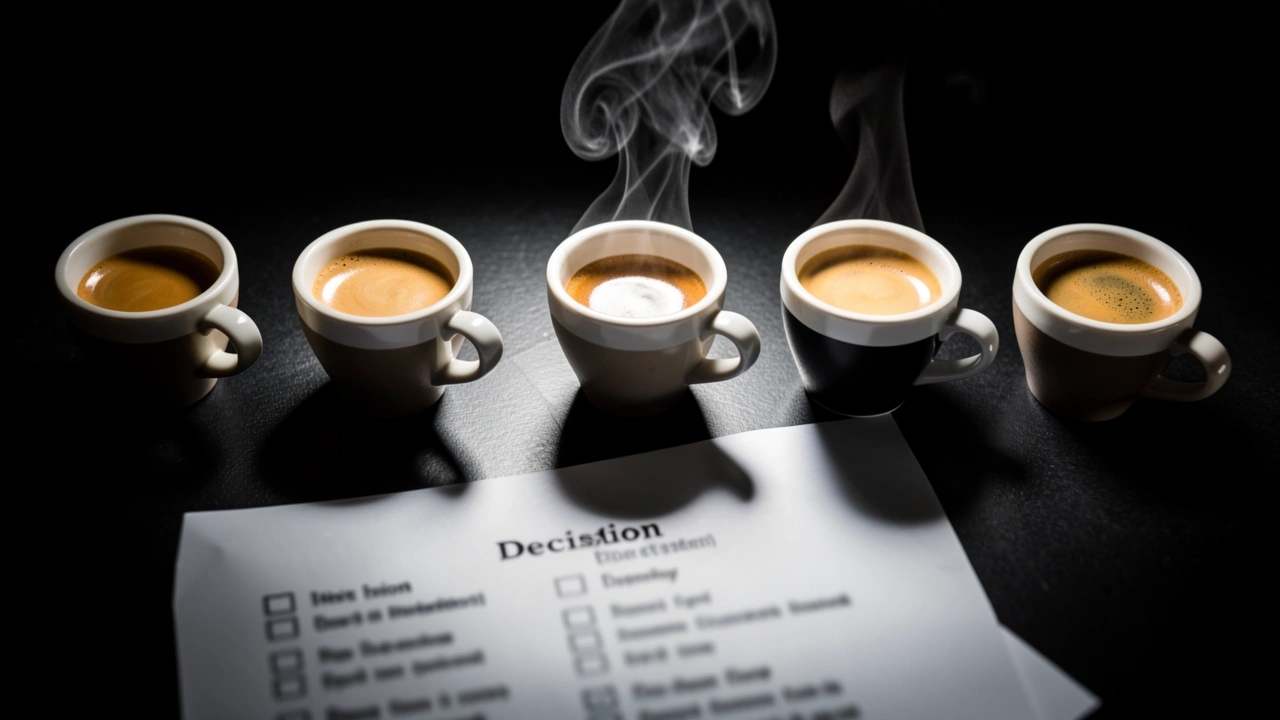
Use a simple diagnostic to decide if you need to upgrade. Answer these three questions honestly.
| Test | Home Machine Fine | Consider Upgrade |
|---|---|---|
| How many consecutive milk drinks do you pull? | 1 to 4 | More than 6 |
| Do you entertain more than 10 people regularly? | Rarely | Weekly or monthly |
| Is your current water line accessible for a plumb in? | No | Yes |
If you hit yes on two of the three upgrade triggers, the commercial machine becomes a time saving device. If you hit no on all three, you are buying a status symbol, not a workflow upgrade.
That is fine if you understand the cost.
The Lite Commercial Trap
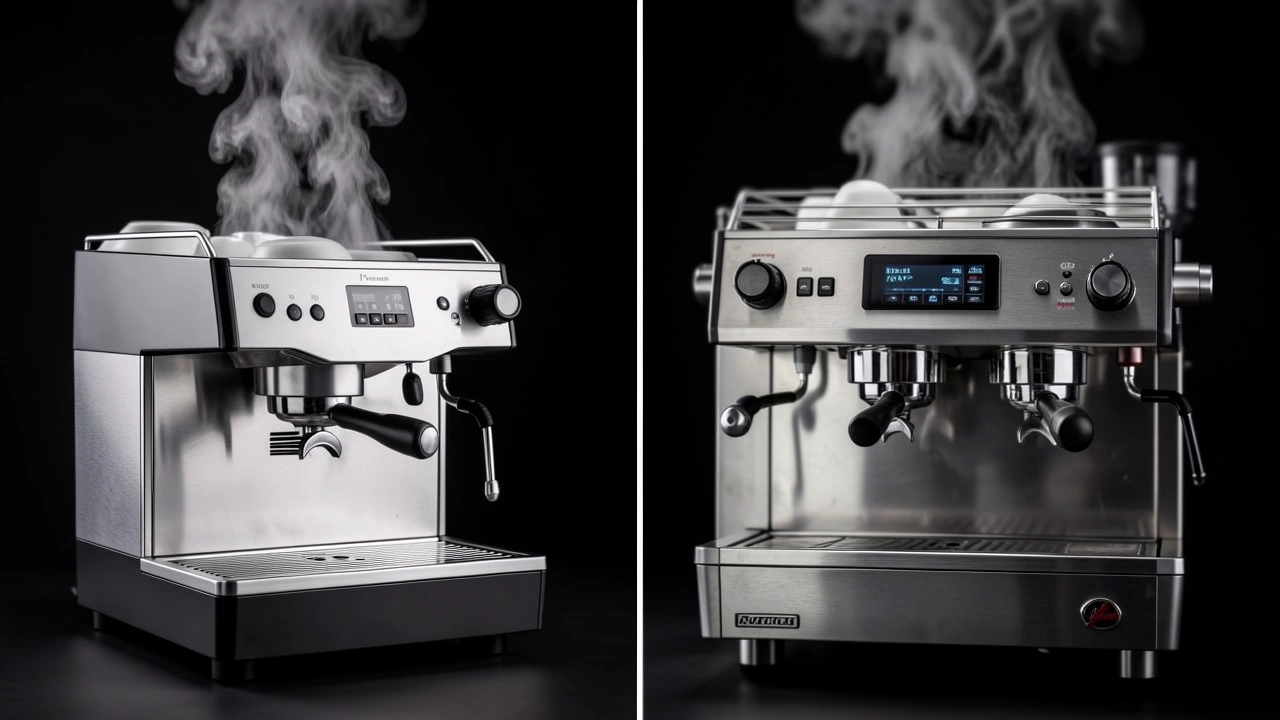
Many people jump to a commercial machine thinking it is the endgame. They look at a La Marzocco GS3 or a Kees van der Westen Speedster. These machines are incredible.
But they are not a shortcut to better coffee. The shot quality from a Lelit Bianca is comparable to a GS3 in a home setting. The difference is not taste.
It is consistency at high volume and thermal stability under heavy load.
I have pulled shots on both side by side. With a single shot, the Bianca wins on value. With six shots back to back, the GS3 wins on repeatability.
But you need to be pulling six shots in under ten minutes to notice the difference. Most people do not.
The real endgame for a home user is often a high end prosumer machine like the Bianca or a Decent DE1.
They offer commercial level temperature stability and pressure profiling without the operational overhead.
The commercial machine adds size, heat, noise, and cost that only pays off at true cafe volume.
Resale Value Is Not Guaranteed
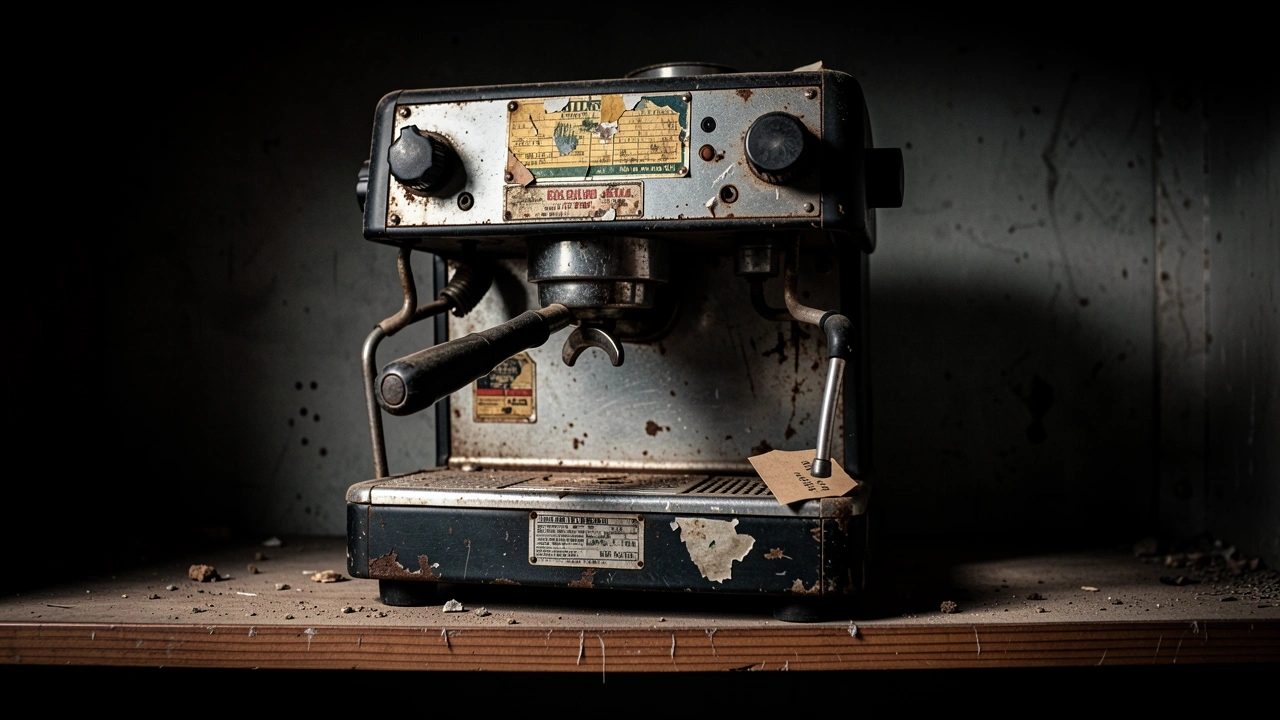
A common argument for buying commercial is resale value. People say a La Marzocco holds its price. That is true for very specific models in excellent condition.
A twenty year old two group Linea EE sells for around 2000 dollars. That is a fraction of its original price. A ten year old Decent machine sells for 500 dollars if it still works.
The market for used commercial machines is thin. You are buying a tool, not an investment.
The Speedster I owned depreciated heavily. I sold it for a fraction of what I paid, and that was after spending a fortune on repairs.
The resale value myth is mostly pushed by sellers who want to justify the high sticker price. In reality, you lose money on every machine you buy. The question is how much you lose over time.
The Sweet Spot for Most People
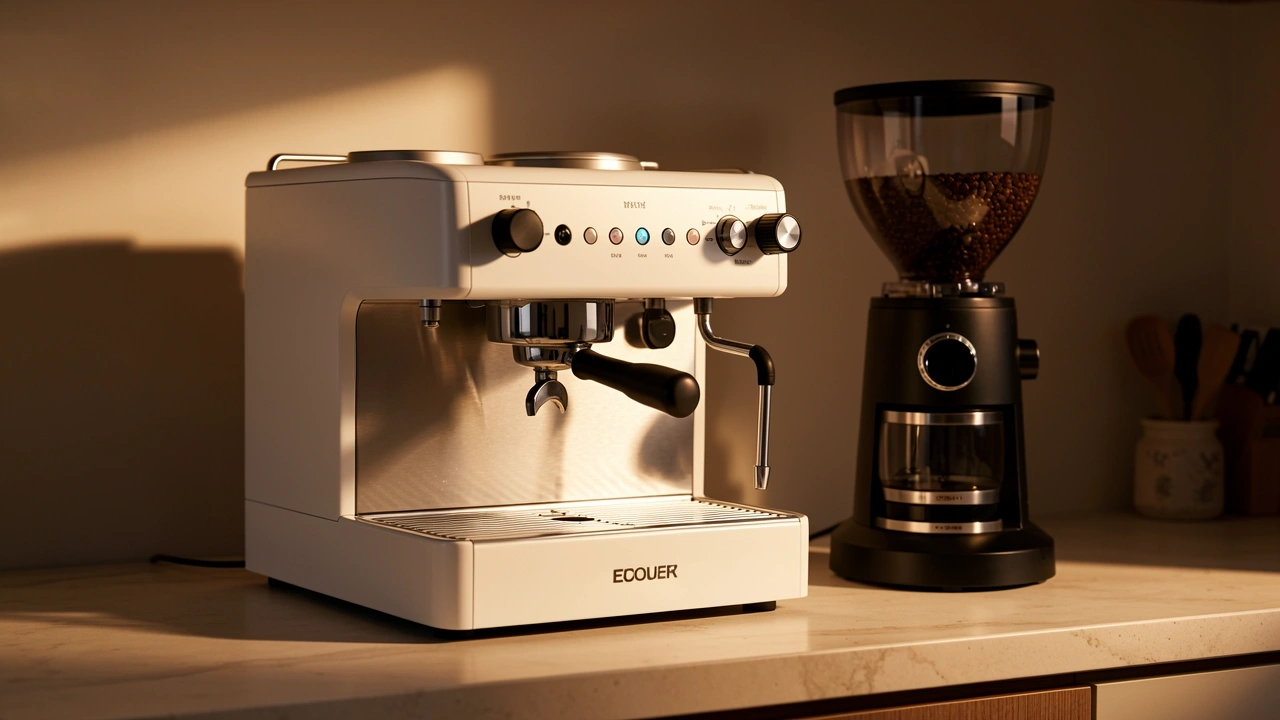
For 95 percent of home users, the upgrade should be from a single boiler to a prosumer dual boiler, not from a prosumer to a commercial machine.
The Lelit Bianca, Profitec Pro 600, or ECM Synchronika offer everything you need. They heat up fast, steam well, and maintain temperature stability for a few drinks.
They do not require a plumb in line or annual service contracts.
Only when the volume exceeds what a dual boiler can handle should you look at the commercial category. That volume is around ten drinks per session or more than two dozen drinks per day.
Below that, the commercial machine adds complexity without benefit.
I learned this the hard way. I bought a two group commercial machine for my home. It is fantastic for parties. It is a burden for daily use. The size dominates my counter. The heat changes the room.
The service costs add up. If I were doing it again with the same volume, I would stick with a high end dual boiler and spend the extra money on a better grinder.
The grinder is always the bottleneck. A commercial espresso machine cannot fix a poor grind. A good grinder can make a mediocre machine pull drinkable shots. Focus your budget there first.
Frequently Asked Questions
Is a commercial espresso machine better for a home that entertains heavily?
Yes, if you regularly serve more than ten people in a session. A dual boiler home machine handles four to six drinks well. A commercial machine handles twenty without recovery lag.
The steam boiler size is the key difference. Commercial machines have large steam boilers that never run out of pressure.
Can I use a cheap commercial machine as a beginner?
Avoid this. Used commercial machines often have outdated OPV valves set to 12 bar or higher. You need 9 bar for proper extraction. Fixing this requires knowledge of espresso machine repair.
The high pressure also increases wear on the pump and seals. Stick with a modern home machine that is tuned from the factory.
How much does a commercial machine cost to service per year?
Expect 300 to 800 dollars annually for regular maintenance. This includes replacing group gaskets, shower screens, checking the expansion valve, and descaling the boiler.
A full rebuild every ten to fifteen years costs significantly more. Home machines typically cost under 100 dollars per year for the same period.
What about the decibel factor of a commercial machine at home?
A commercial rotary pump is quieter than a home vibration pump. But the machine runs constantly to maintain temperature.
The hum of the pump cycling, the heating elements clicking on, and the steam boiler venting can be noticeable. In an open plan space, the constant noise can become annoying.
If you prioritize quiet, a home machine with a rotary pump is the better choice.