Reina
Reina 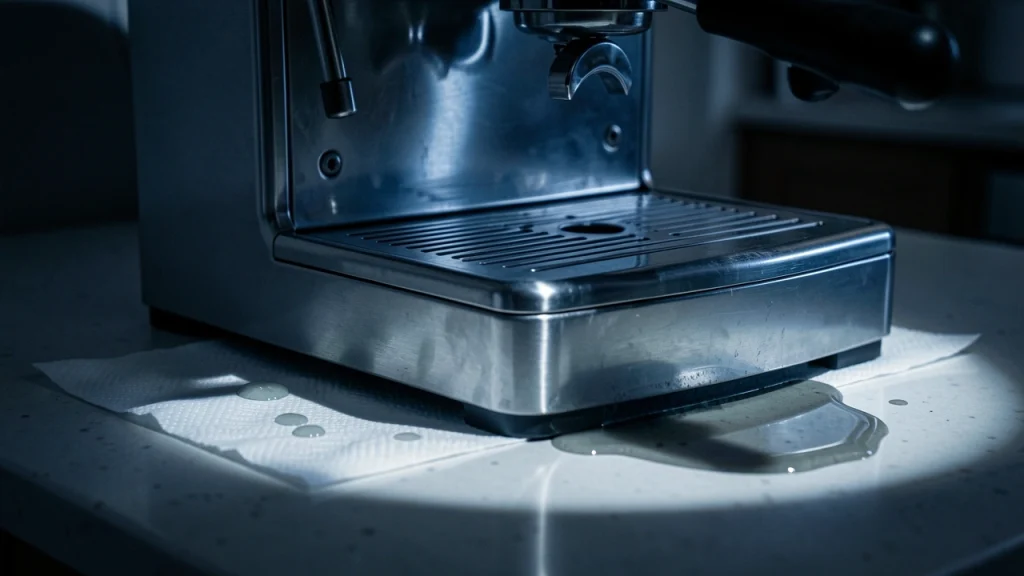
As an Amazon Associate, I may earn a small commission from qualifying purchases at no extra cost to you. This helps me create more valuable, tested content for you.
I’ve repaired dozens of home espresso machines that were brought to me with that same panicked description: “Water is pooling under the machine.” In almost every case, the leak fell into one of three categories: an overflowing component, a cracked internal part, or a failed seal.
The good news is that you can often pinpoint the cause without opening anything. Here’s the diagnostic path I use every time.
First, Isolate the Leak’s Source Without Opening the Machine
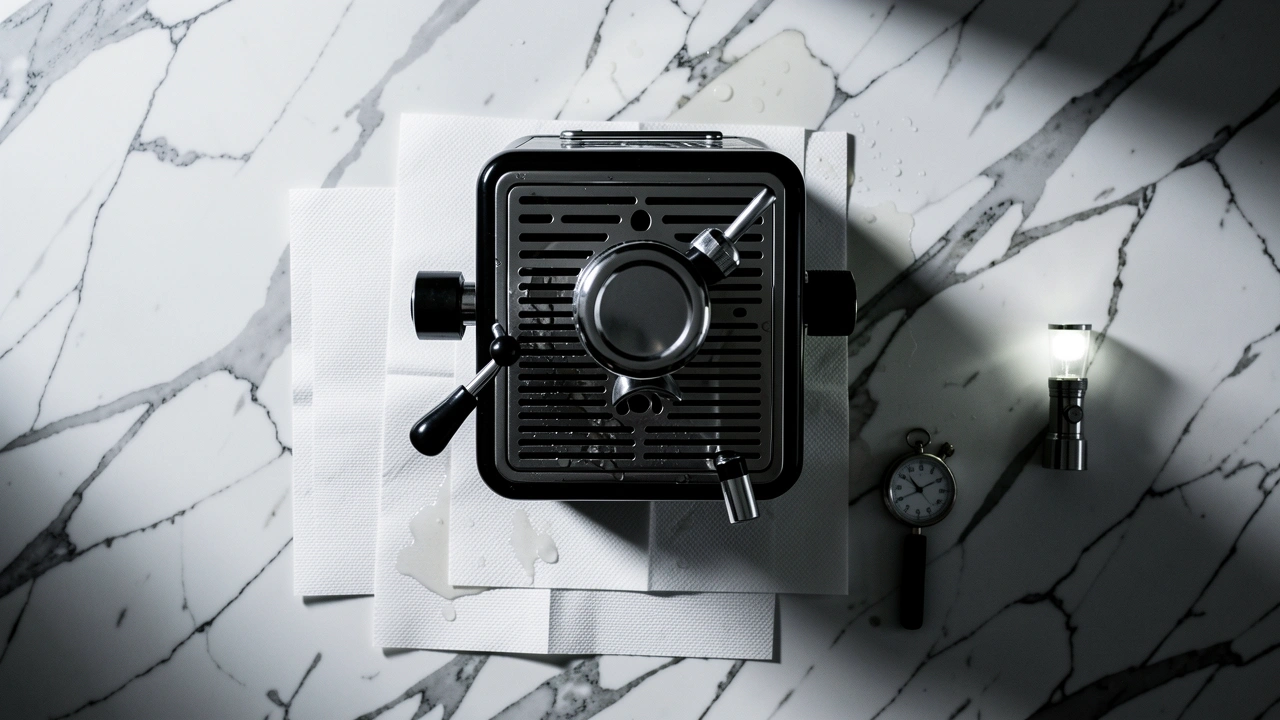
Before you reach for any tools, do this simple test. Dry the outside of your machine completely with a towel. Place a few paper towels flat under the machine.
Then run the machine through its normal cycles: idle, heating, brewing, and steaming. Watch the paper towels and listen for dripping.
Observe the water
Look at the water that collects. Clear, clean water means it’s coming from the fresh water line or boiler.
Murky or tan water usually comes from the drain system – likely coffee residue or backflush water that has backed up. This simple observation alone tells you which half of the machine to focus on.
Time the leak
- Leaking only during brewing? Likely a pressure-related issue – a loose hose, a failing over‑pressure valve, or a worn group‑head seal.
- Leaking when the machine is off? This points to a crack in the boiler or water tank – water seeps out even when no pressure is present.
- Leaking while heating? Could be a steam leak from a boiler seal or a loose fitting that expands with heat.
Write down your observations. This will save you hours of guesswork later.
The Most Common Internal Causes – and How to Confirm Each
Cracked boiler or water tank
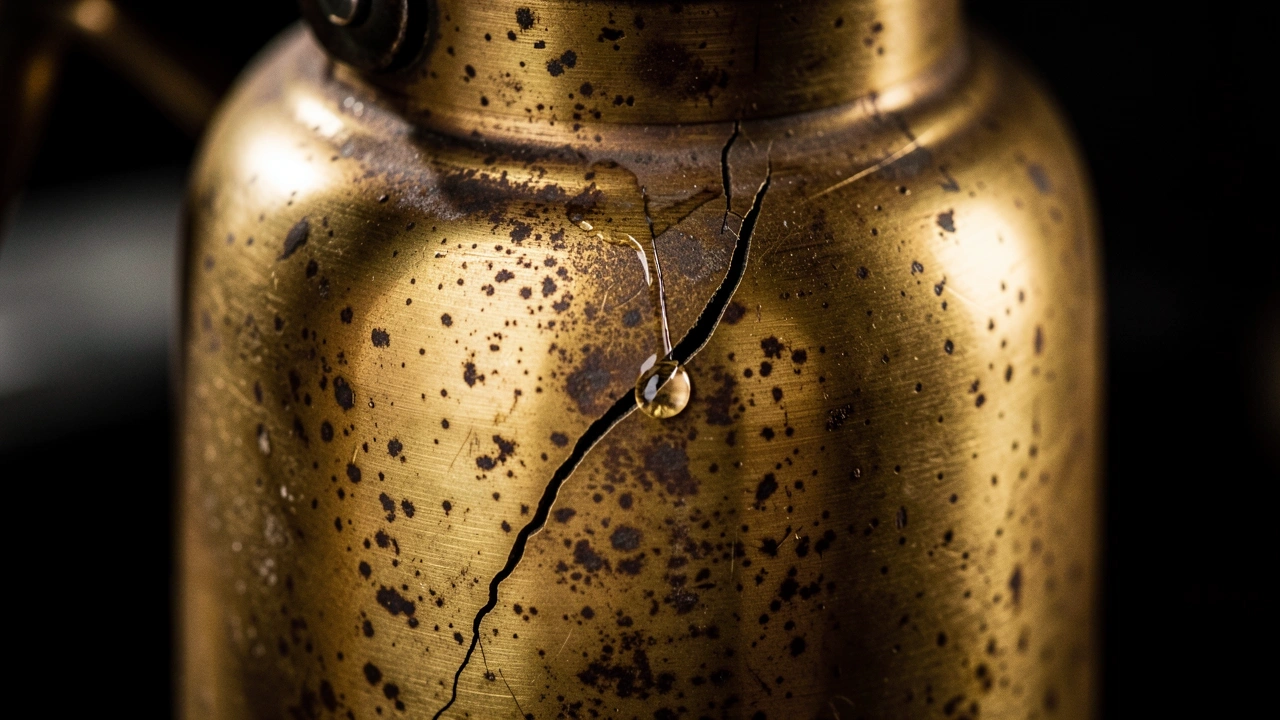
I once had a customer whose machine leaked only when it was completely cold – the crack would open as the metal contracted.
If you see a continuous drip even when the machine is off and the tank is full, suspect a cracked boiler.
To confirm, unplug the machine, remove the water tank, and shine a flashlight inside the boiler (if accessible) or check the tank’s bottom for visible cracks.
A cracked boiler almost always needs professional replacement – it’s not a DIY repair.
Loose or split hose connection
This is the cause I find most often. Hoses inside the machine are held on by simple spring clamps or plastic fittings. Over time, heat and vibration loosen them.
The leak appears only when water is under pressure – mid‑brew or mid‑steam. To test, gently tug each hose you can reach (with the machine unplugged).
If you feel any movement or see a wet spot around the clamp, that’s your problem. Tighten the clamp with a screwdriver or replace the hose if it’s split.
Failed O‑ring or gasket
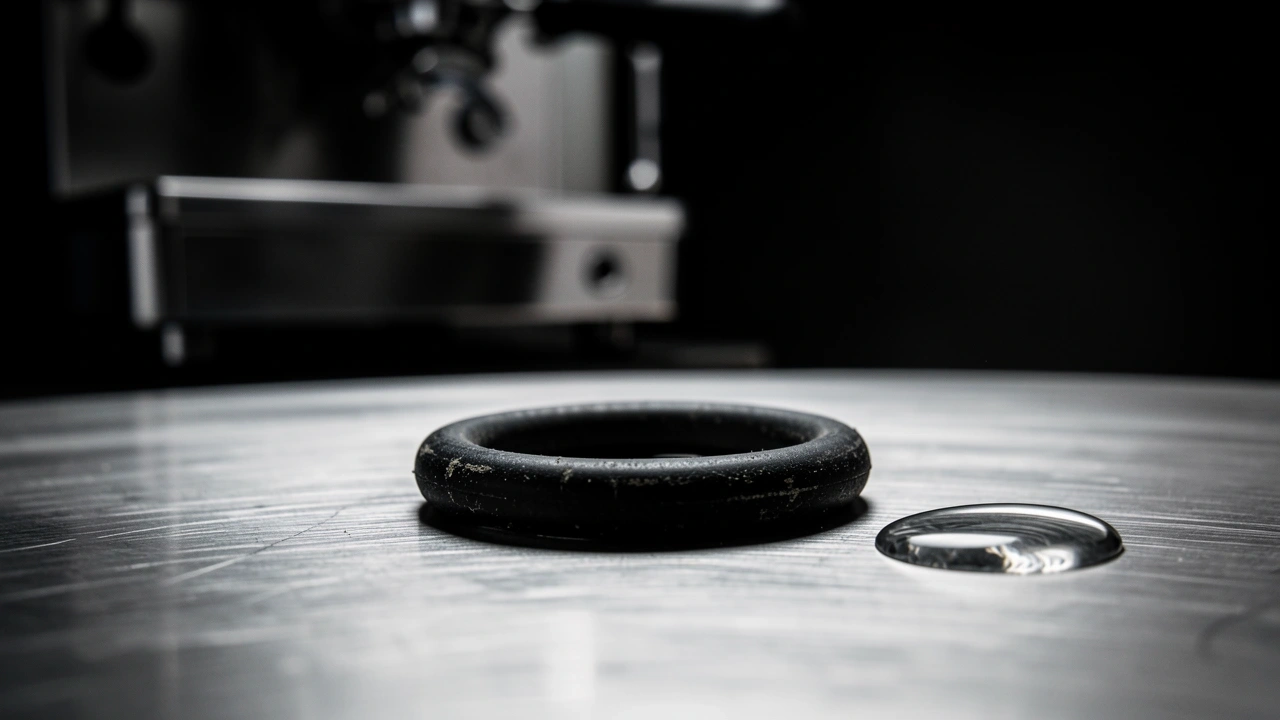
O‑rings seal the water tank inlet, the group head, and many internal fittings.
A dried‑out or misaligned O‑ring can cause a slow drip that looks like the machine is leaking from the bottom, but the water actually drips down from the seal.
Check around the portafilter – if water drips there, replace the group‑head gasket. If the tank mount is wet, remove the tank and inspect the O‑ring at the bottom of the tank.
A $2 O‑ring often fixes what looks like a major leak.
Blocked drain hose or over‑pressure valve
If the water you saw was murky, suspect a blocked drain hose. The drain hose carries waste water from the backflush or solenoid valve to the drip tray.
When it gets clogged with coffee oils, water backs up and finds a way out – usually from the bottom of the machine.
Remove the drain hose from the machine (it’s usually a clear silicone tube) and run a pipe cleaner or bottle brush through it. If it’s blocked, you’ll see sludge come out.
Also check the over‑pressure valve (OPV) – if it’s stuck open due to scale, it will continuously dump water into the drain tray, which then overflows.
When the Leak Is Not a Leak – Overflow and Condensation
I’ve had customers bring machines in that were perfectly fine. The “leak” was simply a drip tray that had overflowed because they hadn’t emptied it after several shots.
Another common source is condensation from the steam wand – when you purge the wand, hot steam condenses on the cold metal and drips down to the counter, then under the machine.
To rule these out: empty the drip tray, wipe the machine dry, and test with a fresh brew. If no water appears, your machine is healthy.
DIY Repair vs. Professional Service – A Risk Guide
I draw a clear line based on the part that needs fixing.
| Fix It Yourself (Safe) | Call a Technician |
|---|---|
| Replacing O‑rings and gaskets | Boiler replacement |
| Tightening loose hose clamps | Electrical component repair |
| Cleaning the drain hose | Water pump removal |
| Clearing scale from the OPV | Steam wand replacement |
If you attempt a repair that involves unplugging internal electrical connectors or removing the boiler, you risk voiding the warranty and creating a shock hazard.
My rule: if the fix requires more than a screwdriver and a new O‑ring, hand it off.
The Scale Factor – Why Hard Water Causes Most Leaks
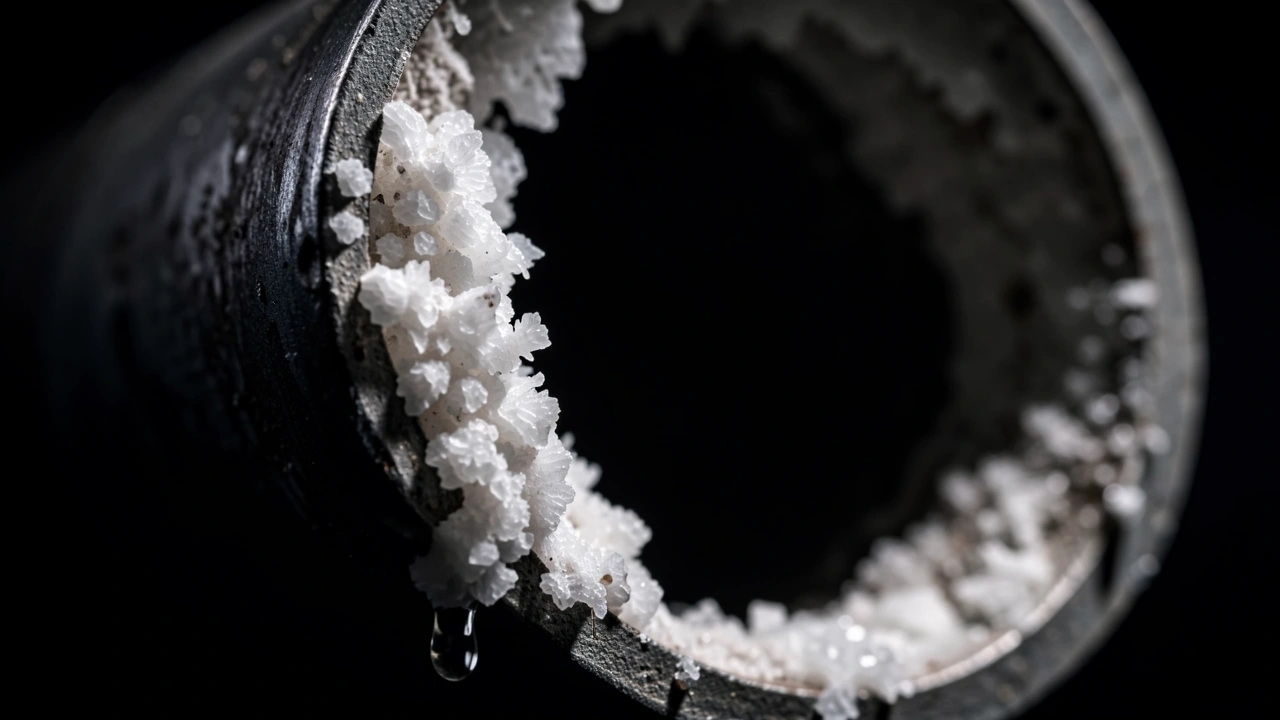
Mineral deposits from hard water are the hidden enemy of espresso machines. Scale can crack brass boilers as it builds up – the expanding crystals literally push the metal apart.
It can also cause O‑rings to dry out faster, loosen hose fittings, and make the over‑pressure valve stick open. I tell every customer to descale every three months if they have hard tap water.
Use a food‑grade descaling solution (citric acid or a commercial brand) and follow the manufacturer’s instructions. A simple descaling schedule can prevent 80% of the bottom‑leak problems I see.
Frequently Asked Questions
Can a leaking espresso machine cause an electrical hazard?
Yes. Water and electricity inside the machine can lead to short circuits or even electric shock.
If you see water pooling near the power cord or any electronics, unplug the machine immediately and call a technician. Do not attempt to open it while it’s plugged in.
Why does my machine leak only when I brew a second shot?
This often happens when the over‑pressure valve opens briefly during the recovery phase after the first shot. A little water is normal, but if it’s more than a teaspoon, the valve may be sticking.
Try descaling first – scale on the valve seat can cause it to stay open too long.
Is water on the bottom normal after descaling?
Yes, it’s common. Residual water from the descaling cycle can drain out of the bottom vents. Dry the machine, wait 24 hours, and check again. If the leak stops, it was just leftover fluid.
How much does professional repair cost for a bottom leak?
Typical service calls range from $80 to $250. A simple O‑ring or hose clamp replacement might be $80–$120. A boiler replacement can run $150–$250 plus parts.
Always ask for an estimate before work begins.
Can I use silicone grease on O‑rings?
Yes, but only food‑grade silicone grease. Never use petroleum‑based lubricants – they will swell and ruin the O‑ring.
Apply a thin layer to the O‑ring before installation to create a better seal and extend its life.