Reina
Reina 
As an Amazon Associate, I may earn a small commission from qualifying purchases at no extra cost to you. This helps me create more valuable, tested content for you.
Your espresso tastes sour or bitter — sometimes both in the same shot. Sour means the water pulled out the bright acids but stopped before the sugars arrived.
Bitter means water kept going past the sugars and started dragging harsh compounds out of the coffee fiber itself. When both flavors show up in the same cup, extraction is uneven.
Water found a fast route through one part of the puck and a stalled route through another. The fix starts with how you prep the puck, not with how you grind it.
Step One – Train Your Palate to Tell Them Apart
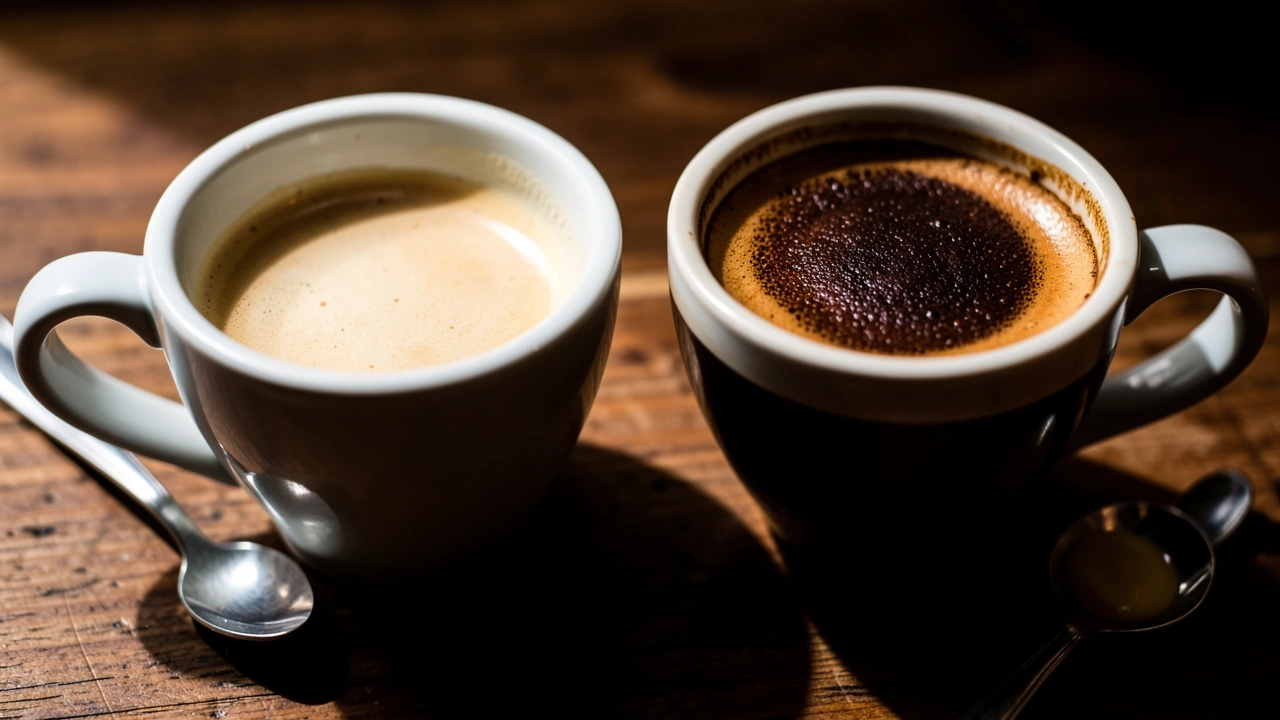
Most people can’t tell sour from bitter at first. I couldn’t. Both feel like an attack on your tongue, and when you’re frustrated with a bad shot, guessing wrong makes everything worse.
So before you touch the grinder, train your palate.
Here is the exercise I use with anyone who asks for help. Pull a shot that you know is too fast — grind coarse enough that it finishes in about 15 seconds. Taste it.
You’ll get a sharp, thin, almost lemony hit at the sides of your tongue. That is sourness. Then pull a shot that is too slow — very fine grind, 40 seconds or more. Taste it.
It will feel heavy, dry, and slightly ashy at the back of your throat. That is bitterness.
The temperature clue helps too. Sour flavors become sharper as the shot cools down. If your cup tastes worse toward the end, sourness is the main problem.
Bitterness, on the other hand, often softens slightly as it cools.
| Sensation | Sour (under-extraction) | Bitter (over-extraction) |
|---|---|---|
| Where you feel it | Sides of your tongue | Back of the throat |
| Texture | Thin, watery, hollow | Heavy, dry, coating |
| Flavor notes | Lemon, grass, green apple | Ash, dark chocolate, rubber |
| After cooling | Gets sharper and more harsh | Softens a little |
| Aftertaste | Sharp and lingers | Dry and lingers |
When both flaws appear in one shot, the decision gets tricky. Take a small sip and let it sit on your tongue for a few seconds.
If the sharp hit at the sides of your tongue arrives first, sour is dominant. If the dry coat at the back of your throat arrives first, bitter is dominant.
If you genuinely cannot tell which comes first, skip straight to Step Three — that usually means extraction is so uneven that both flaws are screaming at the same volume.
Step Two – Solve the Simple Cases First
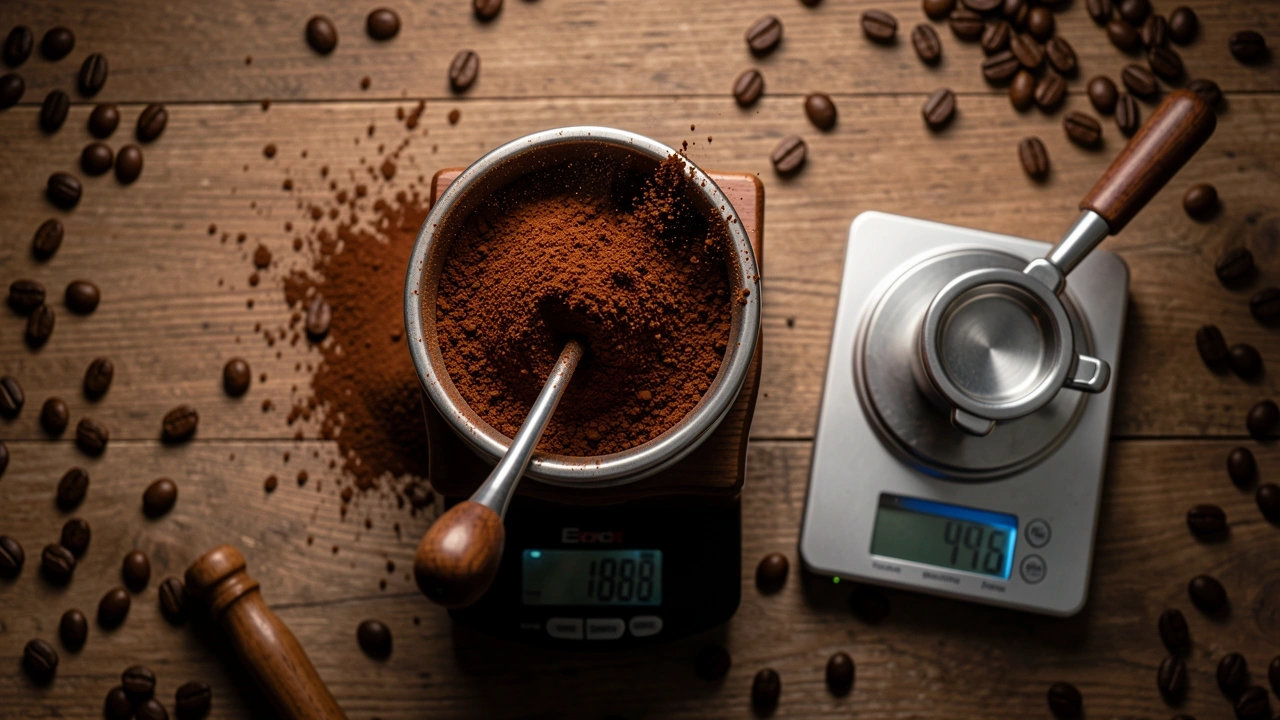
If the shot is only sour, extraction stopped too early. Work through this checklist in order:
- Grind too coarse: water rushes through the puck and under-extracts.
- Water too cool: cannot pull out the sugars from the coffee.
- Dose too low: not enough coffee to create proper resistance.
- Shot time under 25 seconds: the classic clue that flow was too fast.
Fix one thing at a time. Start with grinding finer. If the shot still tastes sour after you have slowed it down to the 25-30 second range, raise the temperature one or two degrees.
Increasing the dose by half a gram can help, but only if your basket has room for it.
If the shot is only bitter, extraction went too far:
- Grind too fine: water spends too long in contact with coffee.
- Water too hot: pulls out bitter compounds before the shot finishes.
- Dose too high: overfills the basket and slows flow.
- Shot time over 35 seconds: flow was too slow.
One important warning here. Do not automatically reduce the dose to fix bitterness.
Lowering the dose leaves extra headspace in the basket, which lets water pool above the puck and punch through weak spots.
That actually makes channeling worse — and channeling produces sour and bitter in the same shot. Adjust the grind first. Only change the dose if the puck looks like it was crammed too full.
Myth: Grinding finer always fixes sour espresso.
Reality: If your distribution is uneven, grinding finer makes channeling worse.
Water pushes through the thin spots even faster, sharpening the sourness, while the over-extracted spots add bitterness. Fix your puck prep before you touch the grind size.
Step Three – Rebuilding Extraction When Both Tastes Appear
Here is the situation that confused me for a long time. The shot finishes at a perfect 28 seconds, the crema looks great, and it still tastes both sour and bitter in the same sip.
How can coffee be under-extracted and over-extracted at the same time? Because extraction is uneven. Water found a fast path through one part of the puck and a slow, stalled path through another.
The fast path produced sour. The stalled path produced bitter. The total time averages out to “correct,” but the puck never extracted as a single, even bed.
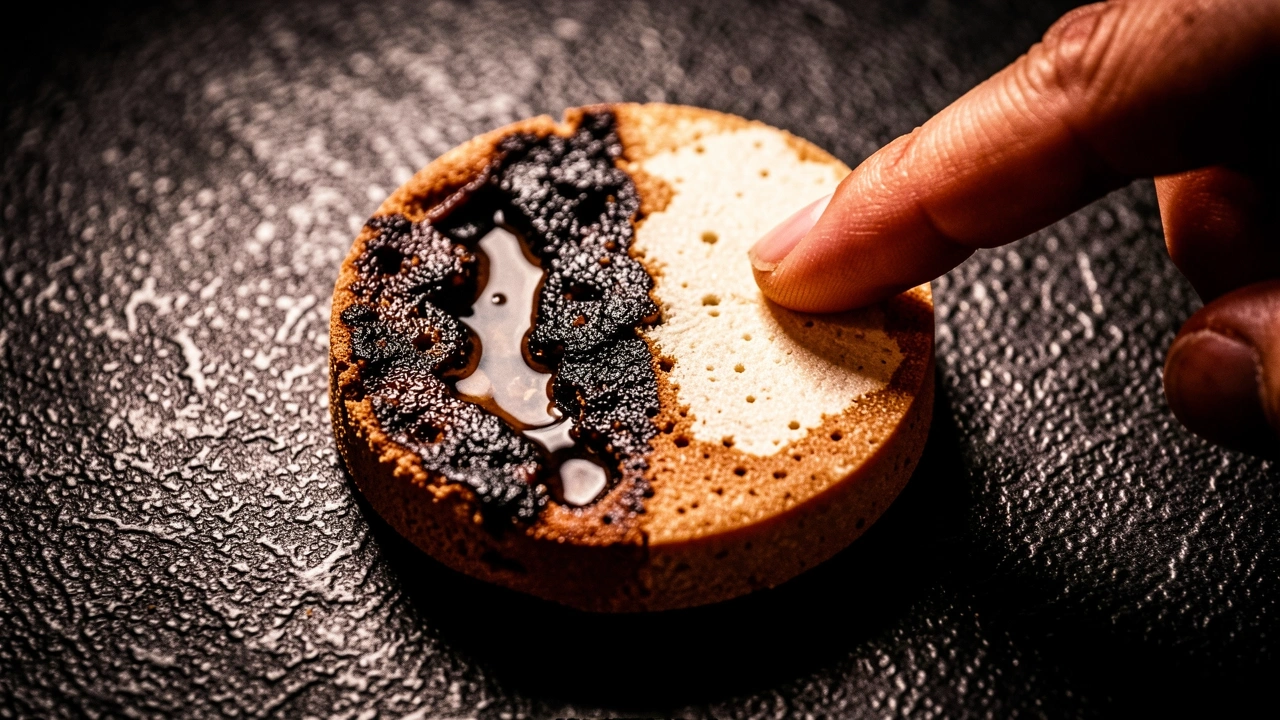
Start with the used puck. Knock it out and look at it. Spots that look dark, wet, or muddy are over-extracted. Pale or dry patches are under-extracted. If you see both, you have channeling.
That visual check tells you more than any timer or scale.
Then walk through these three steps in order:
- Check the dose against your basket size. A typical double basket holds 16-18 grams. Overdosing presses the screen into the puck, creating hard spots that choke and channel. Underdosing lets water pool above a thin puck and rush through it unevenly. Use the basket’s rated dose and measure by weight, not by scoop.
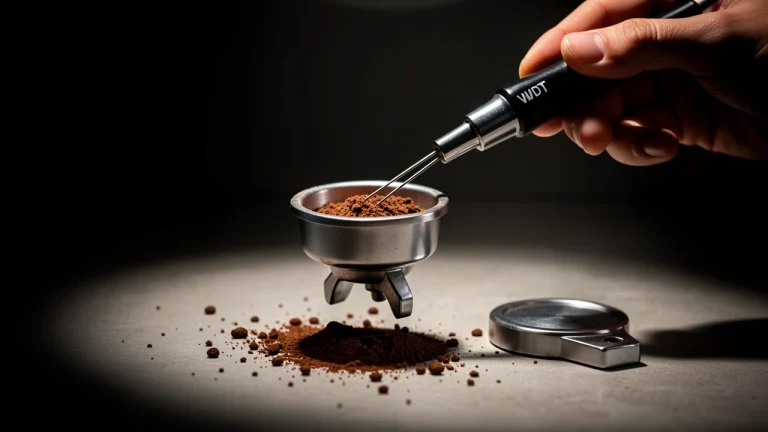
- Fix distribution before touching the grind. A simple WDT tool — or even a toothpick — breaks up clumps and levels the coffee before you tamp. This single change fixes more mixed shots than any grind adjustment. I once swapped from a plastic distributor to a toothpick-based WDT and my shot time jumped from 22 seconds to 30 seconds with zero grind change. That is how much distribution matters.
- Only now change the grind, in very small steps. Move one fine adjustment mark at a time. After each pull, taste for whether both sour and bitter are dropping together. If they are, keep going. If one improves while the other stays, you are fighting a channeling issue, not an extraction-time issue — go back to distribution.
If your grinder produces wildly inconsistent particles — lots of very fine powder mixed with larger chunks — the puck will always extract unevenly no matter what you do.
This is the number one reason budget grinders make espresso that tastes confused.
You can partially manage it with the Ross Droplet Technique, which is simply spraying a tiny bit of water onto the beans before grinding to reduce static and clumping.
Sifting the grounds with a fine strainer to remove the smallest powder also works, but it wastes coffee.
The long-term fix is a grinder with burrs actually designed for espresso, but the workaround keeps your current setup drinkable.
Step Four – When Your Machine Is the Weak Link
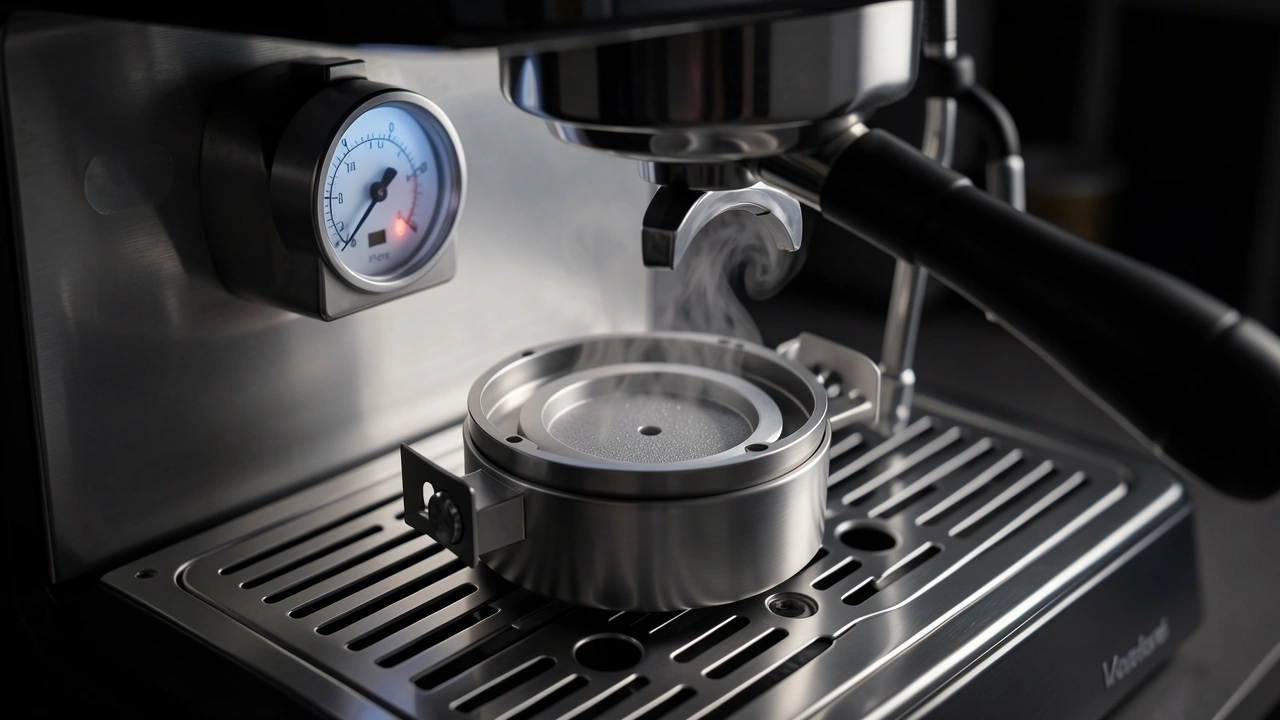
Your grinder and your prep are only half the story. Some machines actively fight against good extraction.
Pressurized baskets. Many home machines come with baskets that have a single tiny hole, forcing water through the coffee regardless of grind size and creating fake pressure.
They make espresso look great even when it tastes hollow. If you are using one, stop chasing precision — the basket is masking everything happening in the puck.
If your machine accepts a non-pressurized (or bottomless) basket, switching reveals what is actually going on. That is exactly when your shots start to improve instead of just look good.
Temperature stability. Machines without PID controllers can swing several degrees during a shot.
Water that starts hot can over-extract and turn bitter, then drop too cool and pull the next shot sour.
If your machine runs hot between back-to-back pulls, you get the classic pattern where one shot tastes fine and the next one bites.
Running a quick blank flush of 5-10 seconds before each shot stabilizes the group head and evens things out.
Pump pressure. Many consumer machines push a maximum of 15 bars, but espresso is designed to extract at 9 bars.
High pressure slams water into the puck, creating instant channels and mixed flavors. If your machine has an adjustable pressure valve, set it to 9 bars.
If it doesn’t, you cannot fully fix this — but good distribution becomes even more important to compensate.
Step Five – Bean and Roast Considerations
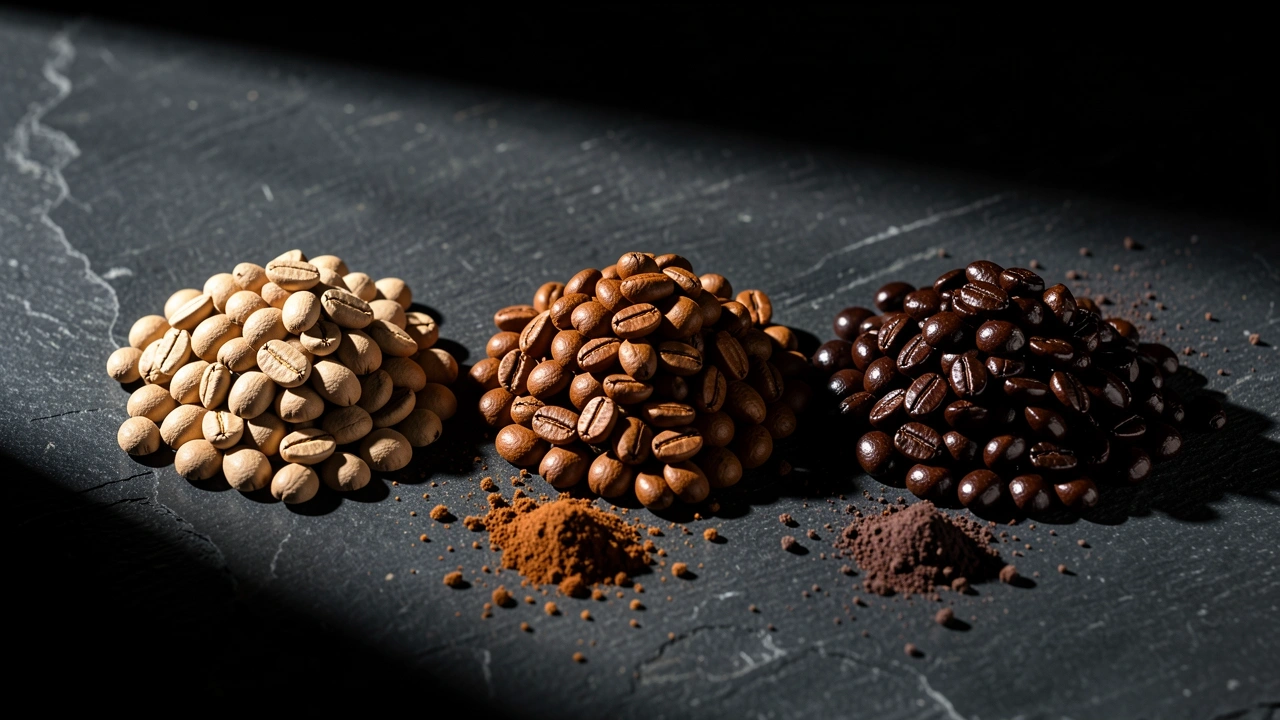
Light roasts are the most common reason for the “I can’t get the sour out” complaint. Light roasts are denser, and dense coffee resists extraction.
It needs high water temperature and usually a longer ratio. If your machine cannot hold water hot enough — around 200-205°F (93-96°C) — a light roast will taste sour no matter what you adjust.
But here is the distinction most guides miss. A properly extracted light roast has clean, bright acidity that feels like citrus zest: sharp but sweet underneath.
Sourness is harsh, green, and leaves a puckering aftertaste. If your light roast tastes clean and sharp, that is the bean’s character, not a mistake.
Dark roasts have the opposite problem. The roast itself creates bitterness. An ashy, burnt, or rubbery taste at normal ratios is the roast, not your extraction.
Try pulling dark roasts with a shorter yield — around 1:1.5 instead of 1:2 — and use slightly cooler water if your machine allows it.
Freshness matters too. Beans roasted less than three days ago still release gas that pushes water around and creates channeling.
Beans older than three weeks lose their sweetness and can taste flat, hollow, or oddly sour. The sweet spot for espresso is between four days and three weeks off roast.
Frequently Asked Questions
Why does my espresso taste sour and salty at the same time?
Salty flavors usually come from water with high mineral content, especially sodium. Some dark roasts also carry a salty, smoky note.
If you are getting salt plus sour, check your water first, then check your roast level — an overly dark bean with under-extraction can combine into a strange salty-sour profile.
Can a bad grinder cause both sour and bitter at the same time?
Yes, and it is the most common culprit for the mixed profile.
A grinder that produces a wide spread of particle sizes — many fine particles and many large chunks — extracts the fines too much (bitter) and the boulders too little (sour).
You are essentially brewing two different extractions inside the same puck.
Is it normal for a light roast espresso to taste sour no matter what I do?
If your machine cannot reach high enough water temperature, yes. Light roasts need 200-205°F and often longer shot ratios to extract fully.
A medium roast will be much easier to dial in if your machine runs cooler than that.
Why does my first shot taste sour and the second shot taste bitter?
That is a group head temperature problem. The metal parts heat up between pulls, so the second shot meets water that is several degrees hotter. Hotter water over-extracts and turns bitter.
Run a blank flush for 5-10 seconds before the second shot to cool the group head back to its normal operating range.
Can channeling cause a shot to taste both sour and bitter even when the shot time is perfect?
Absolutely. Shot time is an average. Water can race through a channel while another part of the puck sits starved.
You get sour from the fast path and bitter from the slow path, and the total time still looks perfect.
That is exactly why diagnosing with time alone fails — you have to check the puck and fix distribution first.