Reina
Reina 
As an Amazon Associate, I may earn a small commission from qualifying purchases at no extra cost to you. This helps me create more valuable, tested content for you.
I have repaired and used all three of these boiler systems for years, and I can tell you the spec sheets hide the real story.
Your choice between a single boiler vs dual boiler vs heat exchanger espresso machines explained here comes down to one honest question: how many milk drinks do you actually make in a week?
If you make fewer than three lattes or cappuccinos a week, you likely do not need a dual boiler. If you make more than one milk drink every single day, a single boiler will frustrate you.
The middle ground, a heat exchanger machine, works best for households where milk drinks happen daily but not in large batches. This is the decision framework the usual comparisons miss.
The Behavioral Audit: Identify Your Coffee Personality

Before we get into mechanics, diagnose your own habits. I have watched too many people buy a machine based on what they want to become instead of what they actually do. Here is the honest breakdown.
The Purist. You drink straight espresso or americanos. Milk is for visitors or weekends. You value simplicity and a compact footprint. A single boiler machine matches your life perfectly.
The Milk Lover. You make at least one latte or cappuccino every morning. On weekends, you make drinks for a partner or friend.
Waiting 90 seconds between brew and steam feels like a minor inconvenience you tolerate but secretly resent.
The Social Host. You frequently make three or more milk drinks in a row for family or guests. You need speed and capacity. You also want precise temperature control so every drink tastes the same.
The Optimiser. You are budget-conscious but want the best possible workflow for your situation.
You are willing to learn a slightly more involved routine if it saves you significant money. The heat exchanger machine is your category to explore.
Be honest about which personality fits. Your answer filters out two-thirds of the options immediately.
How a Single Boiler Works and Who It Actually Suits
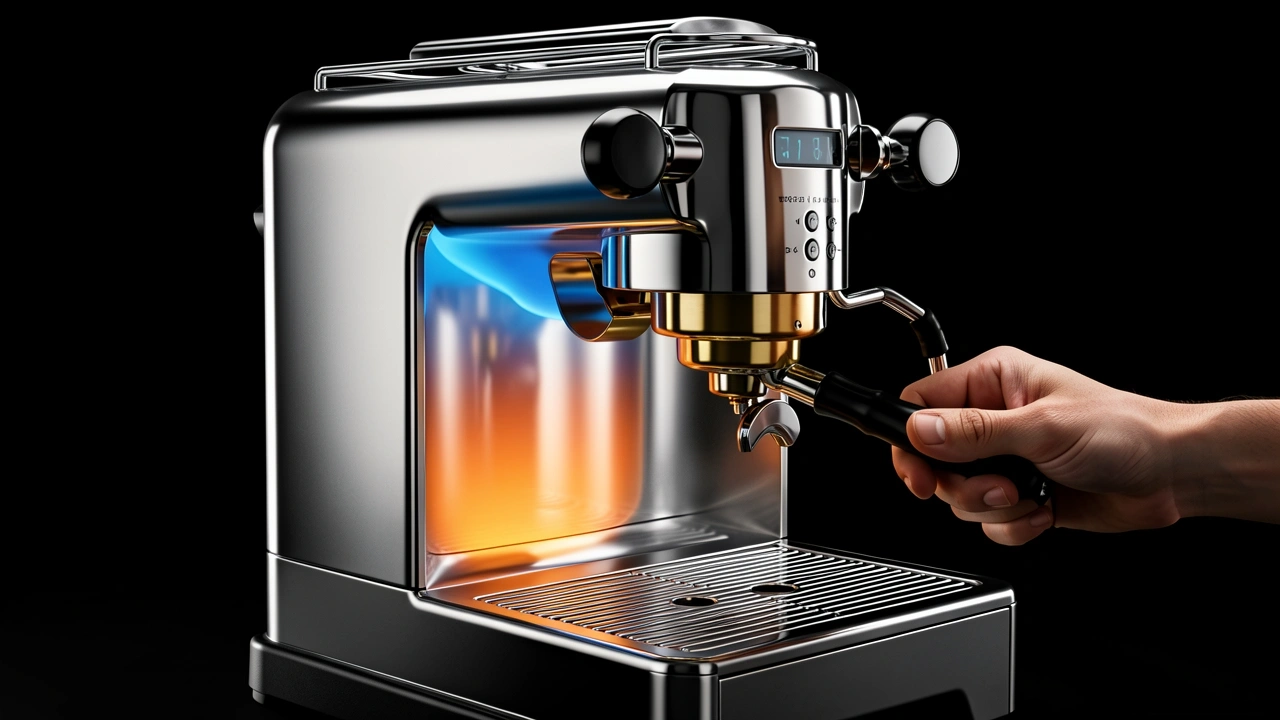
A single boiler is one vessel that serves two masters. It heats to brew temperature, around 200 degrees Fahrenheit, for espresso.
When you finish pulling the shot, the boiler must heat up to around 250 to 260 degrees Fahrenheit to produce steam. That transition takes 60 to 90 seconds on most machines.
The real friction is not just the wait. It is that the boiler cools back down after steaming before you can brew again.
If you forget to purge water through the group head to cool it down, your next shot might brew at a temperature too high for the coffee and taste bitter.
I used a single boiler Rancilio Silvia for two years. I made espresso every day and steamed milk maybe twice a week. That was a perfect fit. The machine was small, reliable, and cheap to repair.
But when I started making daily lattes, the wait cycle drove me to upgrade within three months.
The Workflow Fatigue Factor
The cumulative annoyance of that 90-second wait is the real reason single boiler machines frustrate milk drinkers. It is not the total time. It is that you cannot step away.
You stand there watching the temperature gauge creep up, knowing you could have already finished your drink. Over a year of daily use, that is hours of wasted mental energy.
Who should buy a single boiler:
- You drink straight espresso more than 80 percent of the time
- You have limited counter space
- Your budget is under 800 dollars
- You value simplicity over speed
Who should skip it:
- You make milk drinks daily
- You often make drinks for two or more people
- You dislike waiting around during your morning routine
The Heat Exchanger Machine: The Smart Middle Ground
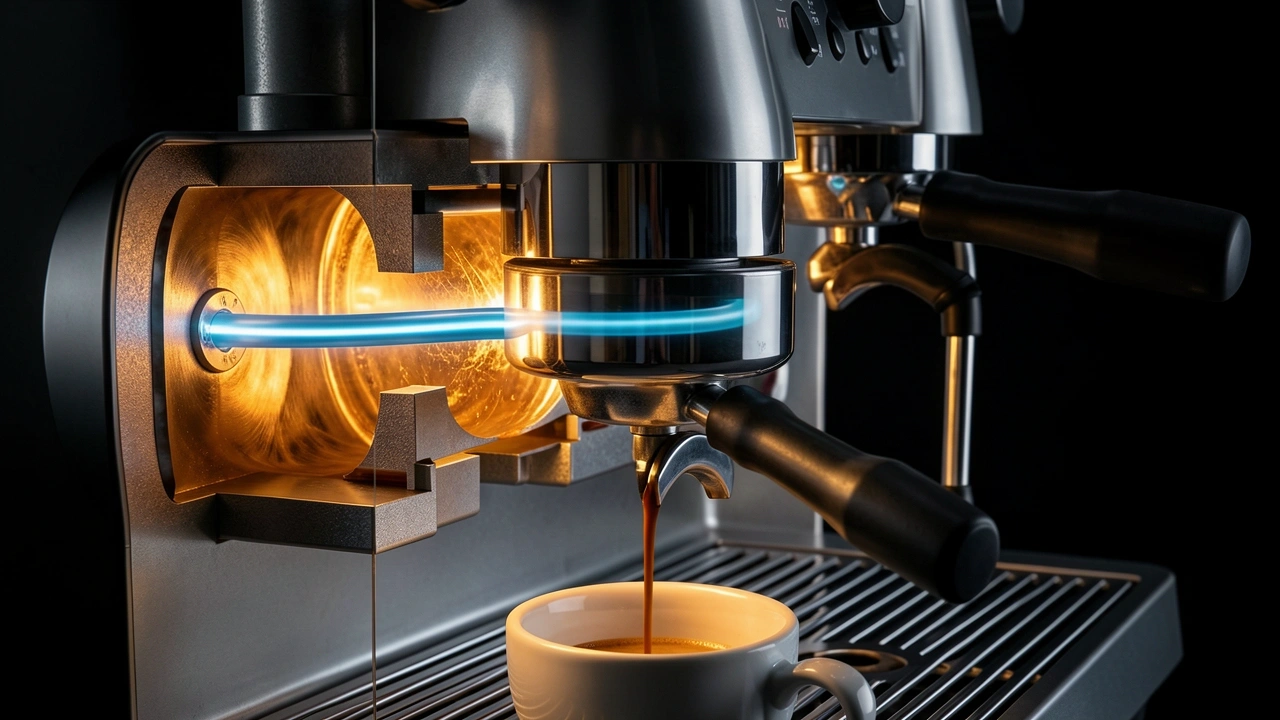
The heat exchanger is the most misunderstood category here. It uses one boiler held at steam temperature, around 125 degrees Celsius, and passes fresh brew water through a tube inside that boiler.
The water warms up as it travels to the group head, so you can pull a shot without waiting for the boiler to change temperature.
You can steam milk immediately after pulling a shot. There is no 90-second pause.
The temperature of the brew water is not as tightly controlled as a dual boiler, but it is good enough for most drinkers.
The HX Cooling Flush is Often a Myth
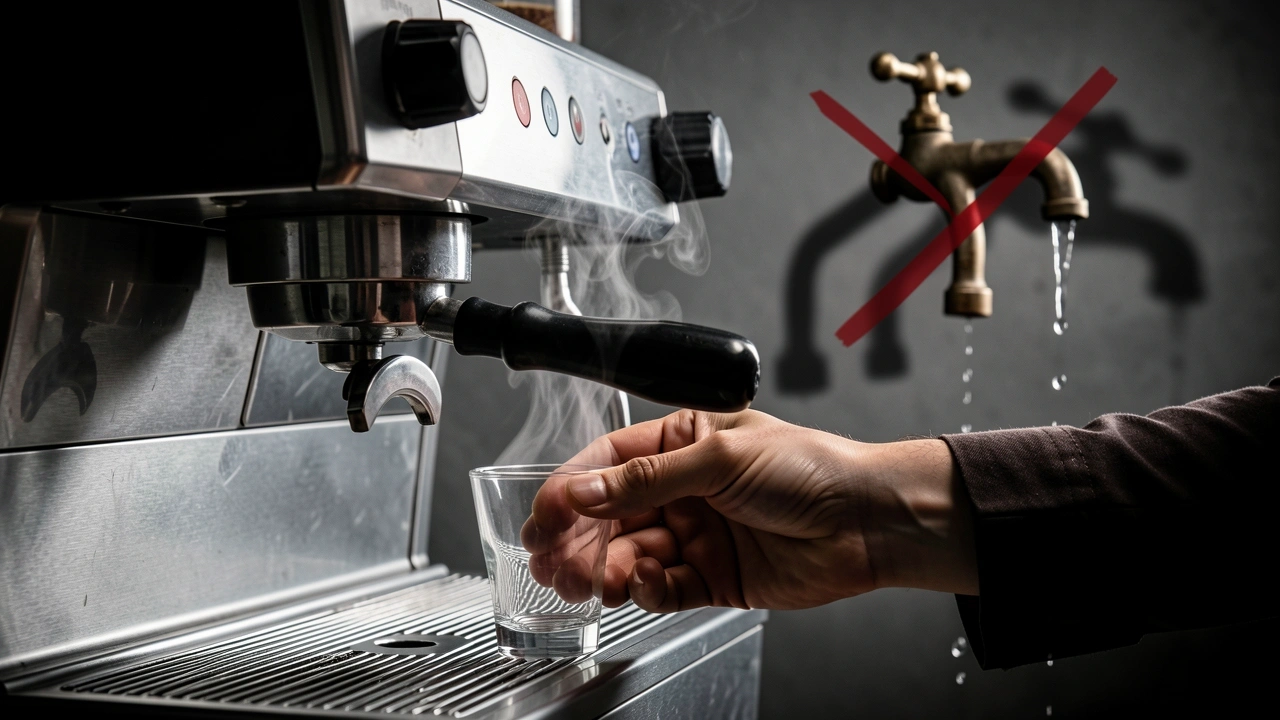
The common advice is that you must run a cooling flush before every shot to avoid overheating the brew water.
I have tested this on multiple machines, including a Rocket Appartamento and a Lelit Mara X.
On older HX machines, yes, a flush was mandatory because the tube inside the boiler would overheat the water during idle periods.
But on modern machines with a thermosyphon restrictor and a smaller diameter tube, the water stays remarkably stable.
For example, the Lelit Mara X has a brew priority mode that drops the boiler temperature when it senses the group head is cooling.
On that machine, a cooling flush actually cools the water down too much. The manual explicitly warns against it.
If you buy a modern HX machine from a reputable brand, you can skip the flush more often than not. Watch your first shot. If it runs fast and tastes sour, your water is too cool. Then flush briefly.
But do not treat it as a religion.
Who Should Buy a Heat Exchanger
- You make one or two milk drinks every day
- You want near-simultaneous brew and steam but cannot spend 1,500 dollars
- You are comfortable learning a slightly less rigid workflow
- You value counter space and prefer a compact footprint
Who Should Skip It
- You chase precise temperature control for single-origin light roasts
- You routinely make four or more milk drinks in one session
- You do not want to think about the machine operation at all
The Dual Boiler Machine: The No-Compromise Choice
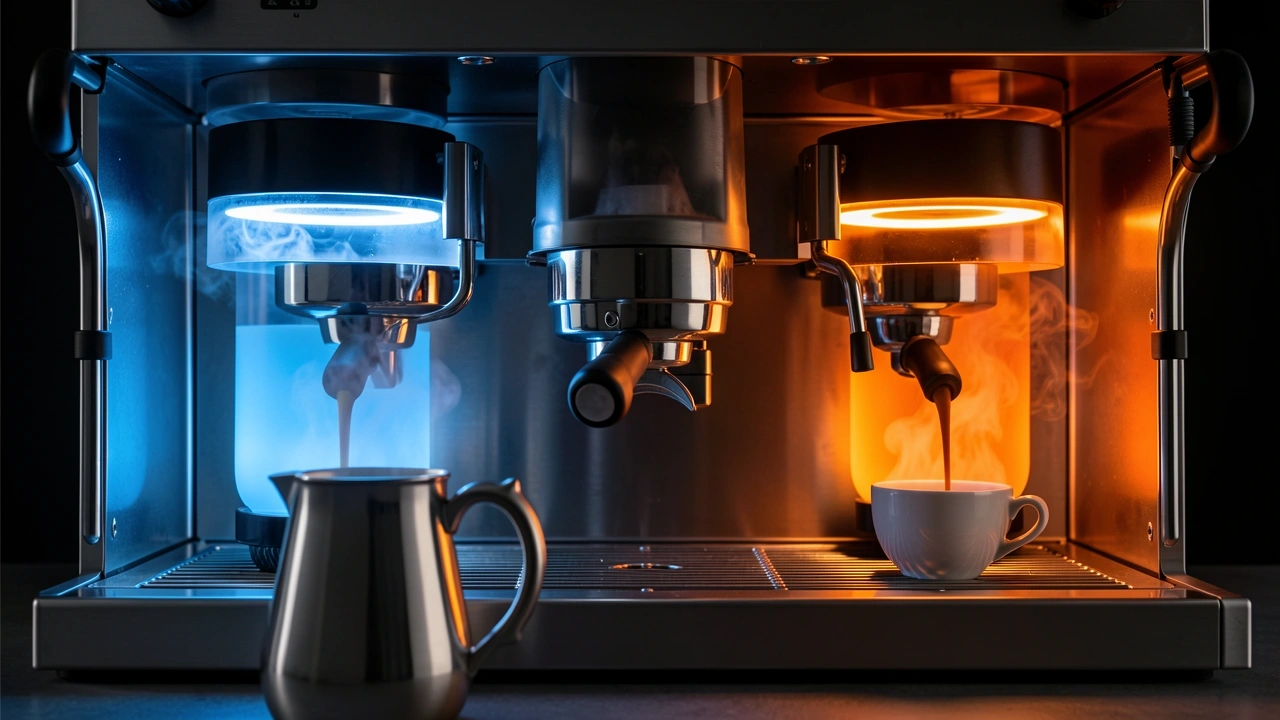
A dual boiler has two completely separate vessels. One holds water at brew temperature. The other holds water at steam temperature.
They work independently, so you can pull a shot and steam milk at the exact same time. There is no waiting, no flushing, no temperature drift.
This is the machine for anyone who makes milk drinks daily and values consistency above all else. The brew boiler holds within one degree of your set point shot after shot.
The steam boiler delivers powerful, dry steam that textures milk in under 20 seconds.
The catch is cost and size. Good dual boiler machines start around 1,500 dollars and can go above 3,000 dollars. They take up more counter space because of the extra boiler and the larger chassis.
They are also heavier, often over 50 pounds.
The True Upkeep Difference
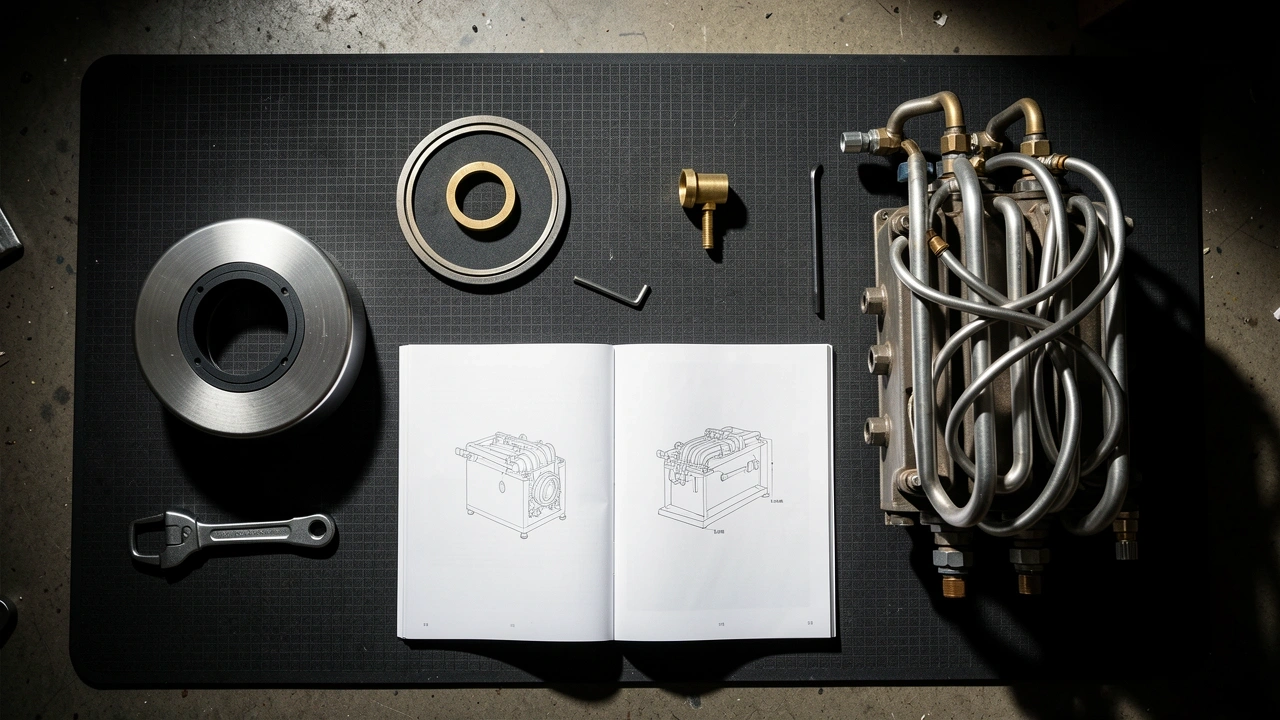
On the surface, a dual boiler seems more expensive to maintain. But I have seen the opposite.
Heat exchanger machines use complex internal plumbing with multiple seals and gaskets that can leak over time. A single boiler machine is simple, so repair costs are low.
A dual boiler has more parts, but those parts are usually standardised and well-documented.
For example, a leaking steam boiler seal on a Lelit Bianca is a fifteen-minute repair with a 20 dollar part.
A leaking heat exchanger tube on a budget HX machine might require disassembling the entire frame and sourcing obscure fittings that take weeks to arrive.
Who should buy a dual boiler:
- You make milk drinks daily, often multiple in a row
- You want precise temperature control for different roast levels
- You plan to keep the machine for ten or more years
- You have the budget between 1,500 and 3,000 dollars
Who should skip it:
- You mostly drink straight espresso
- Your budget is under 1,000 dollars
- Your counter space is very limited
The Fourth Way: Thermoblock and Thermocoil Technology
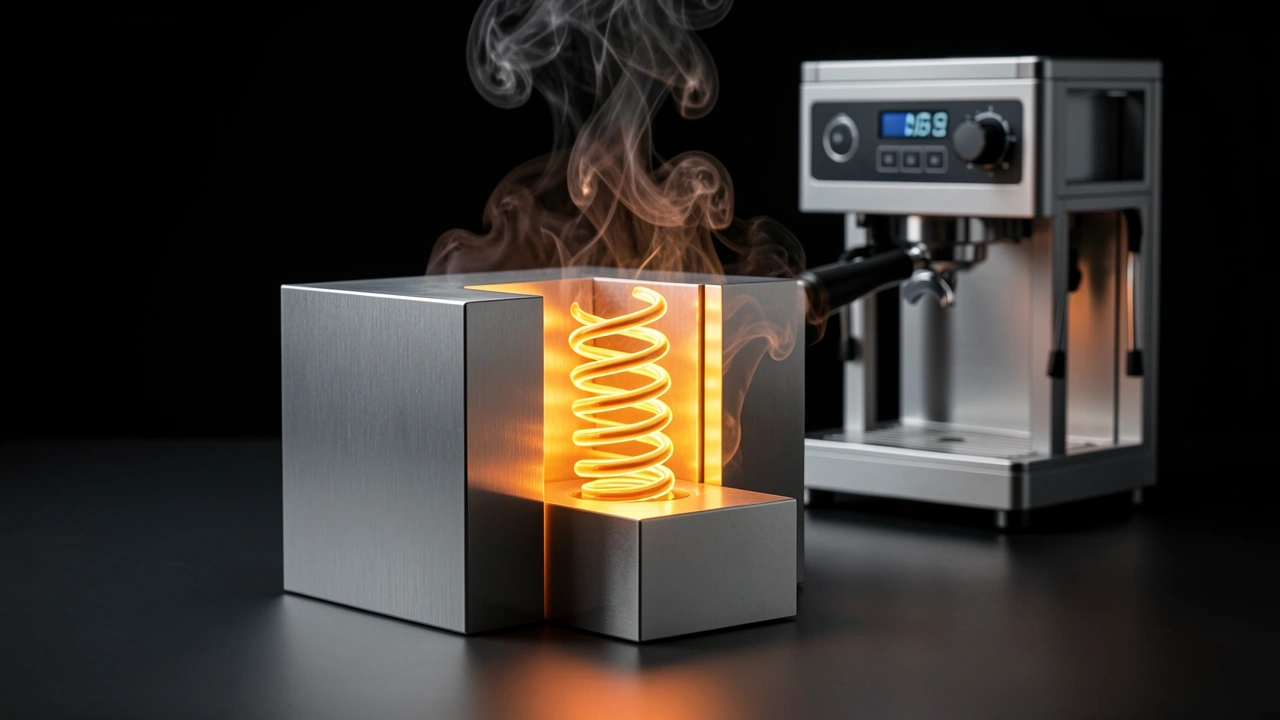
There is a category that rarely gets mentioned in comparison articles, but it solves the single boiler wait problem without adding a second boiler.
Thermoblock and thermocoil machines heat water instantly by passing it over a heated block or a coiled tube. They do not store hot water in a tank.
The prime example is the Ascaso Dream or Steel line. These machines use a stainless steel thermoblock for brew water and a separate thermoblock for steam.
They heat up in under five minutes and can produce steam almost immediately after pulling a shot.
The trade-off is that temperature is less stable than a dual boiler.
Those machines do not have the thermal mass of a large boiler, so the brew temperature can fluctuate depending on water flow rate and ambient temperature.
But for many home users, the speed and compact design outweigh this imperfection.
If you want the workflow of a dual boiler but cannot afford the price premium, look at thermoblock machines. They are not true dual boilers, but they eliminate the waiting pain.
Grinder Investment Matters More Than Boiler Type
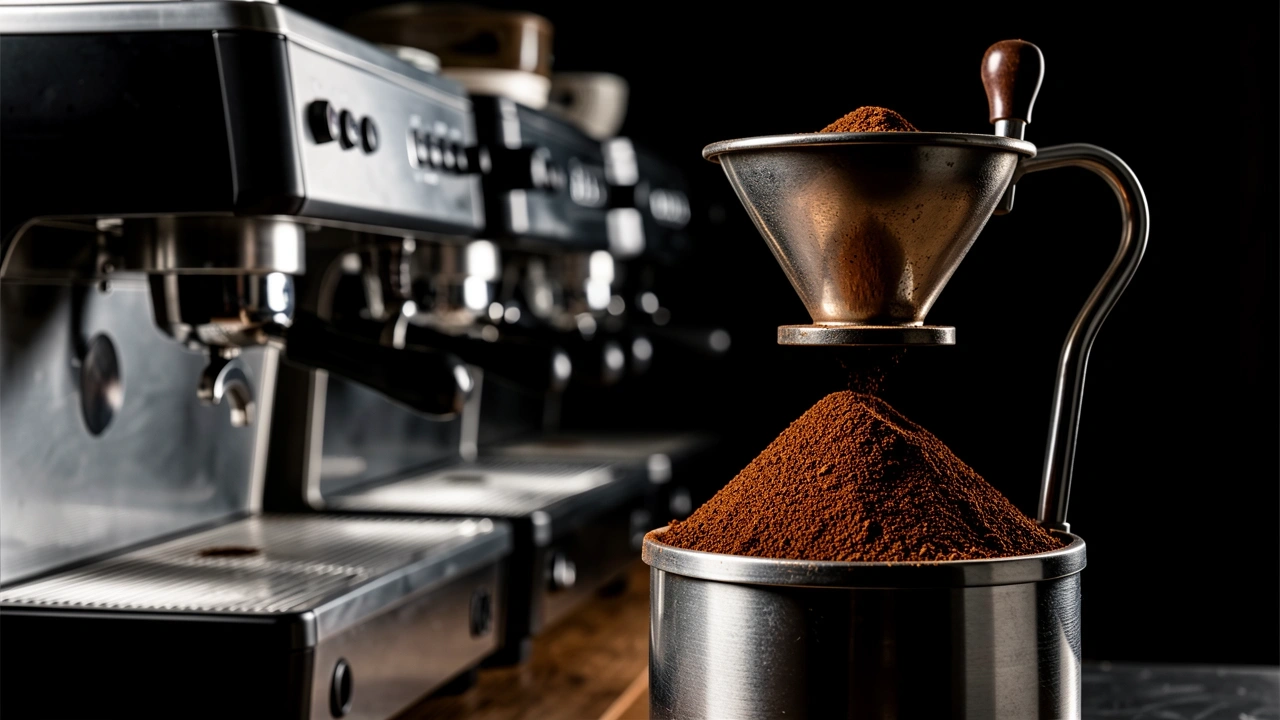
I have seen this mistake hundreds of times. Someone spends 2,000 dollars on a dual boiler machine and pairs it with a 150 dollar grinder.
The result is sour, channeled shots that taste worse than what a 500 dollar single boiler machine paired with a 400 dollar grinder can produce.
Your grinder directly controls particle size consistency. Inconsistent particles cause uneven extraction. No amount of temperature stability from a dual boiler can fix a bad grind.
Budget at least 300 to 400 dollars for a grinder with 64 millimeter flat burrs before you spend anything on the machine.
The Baratza Vario Plus or the Eureka Mignon Specialita are solid starting points. If your total budget is 1,000 dollars, spend 400 on the grinder and 600 on a single boiler machine.
That combination will outperform a 1,000 dollar dual boiler machine with a cheap grinder every single time.
| Feature | Single Boiler | Heat Exchanger | Dual Boiler |
|---|---|---|---|
| Brew and steam wait time | 60 to 90 seconds | Near zero | Zero |
| Temperature stability | Moderate | Good | Excellent |
| Cooling flush needed | No | Sometimes | No |
| Counter space | Compact | Medium | Large |
| Starting price | 400 dollars | 1,000 dollars | 1,500 dollars |
| Best for | Espresso drinkers | Daily milk drinkers | Heavy milk users |
Frequently Asked Questions
Can I texture milk on a single boiler machine for latte art?
Yes. The steam pressure from a single boiler is lower than a dual boiler, but it is sufficient for home latte art.
The real limitation is that you cannot pour and steam simultaneously, so the milk may start to separate if you wait too long. Practice timing your workflow to minimize that gap.
Can a PID fix a single boiler wait time?
No. A PID controller improves temperature stability, but it does not change the physical reality that the boiler must heat up from brew temperature to steam temperature.
The wait remains because the water needs to gain thermal energy. PID just makes that transition smoother and more accurate.
Do I really need reverse osmosis water for a dual boiler machine to prevent scaling?
You do not need reverse osmosis, but you do need water that is not hard. Dual boiler machines have more internal surface area where scale can build up.
I recommend using filtered water with moderate mineral content. Water that is too pure can also cause corrosion. Aim for 50 to 100 parts per million total dissolved solids.
Is the E61 group head more important than the boiler type?
For temperature stability, yes, it can be. The E61 group head acts as a thermal buffer that stabilises brew water temperature. A dual boiler with an E61 group is overkill for most home users.
A single boiler with an E61 group can produce remarkably consistent shots if you learn its workflow.