Reina
Reina 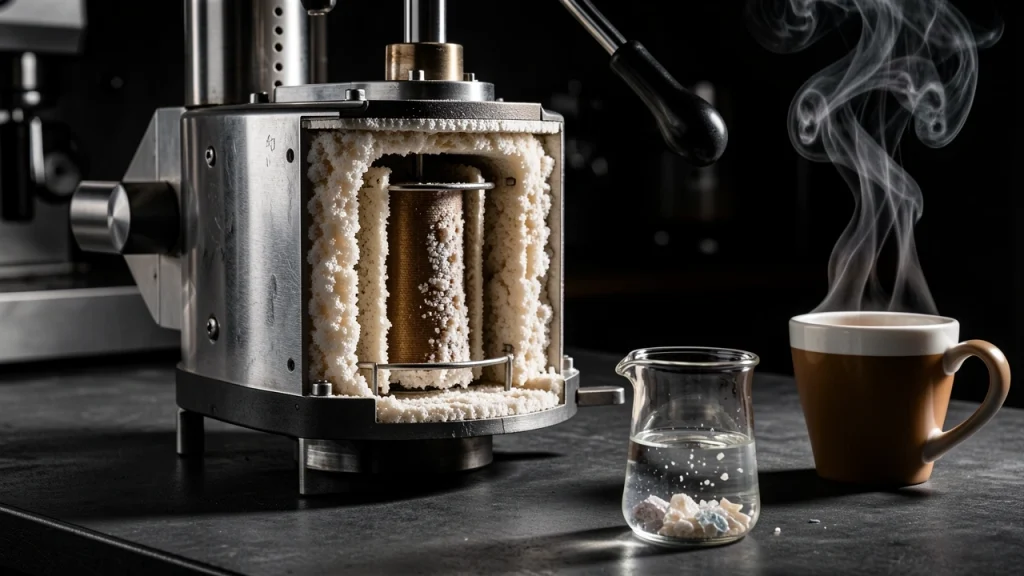
As an Amazon Associate, I may earn a small commission from qualifying purchases at no extra cost to you. This helps me create more valuable, tested content for you.
If you search for descaling frequency, you’ll find answers that range from “every two weeks” to “twice a year.” That range alone tells you something important: nobody knows your specific situation.
I’ve worked on machines that needed descaling every 600 shots, and I’ve seen machines wrecked because someone followed a strict three-month schedule on soft water.
The truth is that any article promising you a single number is guessing. Let me show you how to find your actual number.
The three variables that determine your descaling schedule
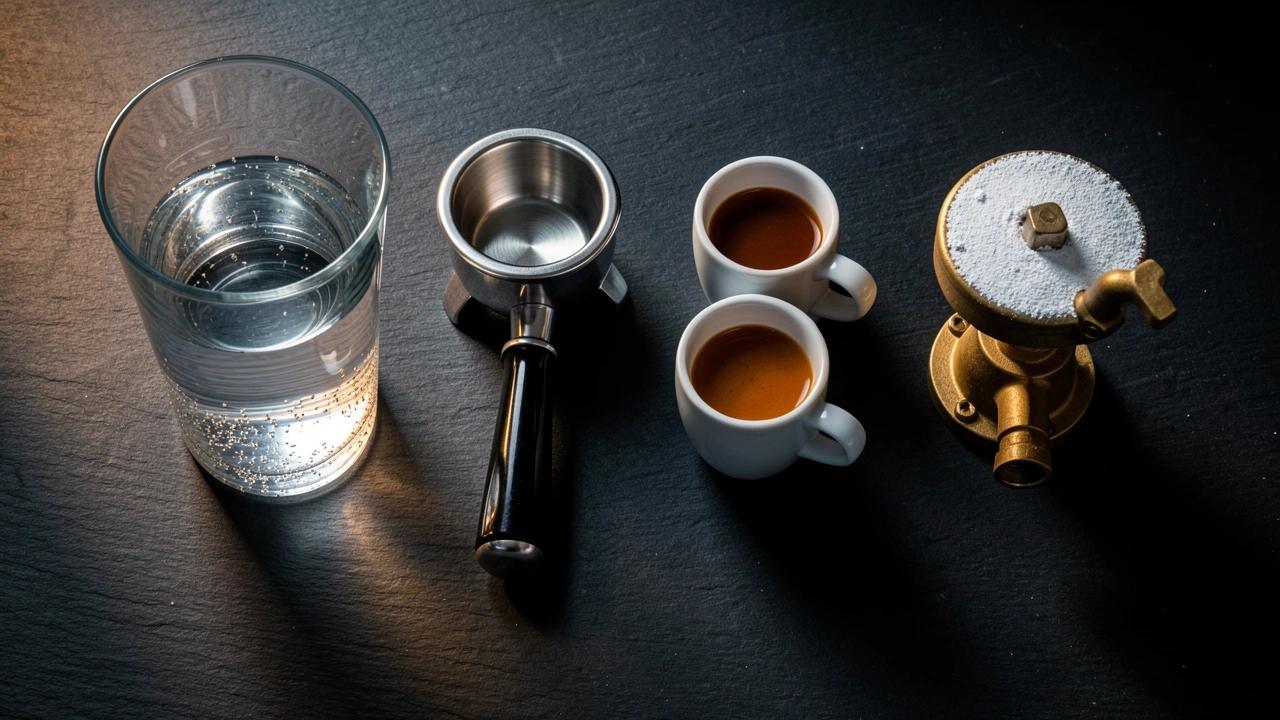
After servicing espresso machines for years, I stopped telling people to descale every X months.
Instead, I give them a way to think about descaling as a function of water chemistry, usage volume, and boiler type. Those three things together tell you everything.
Ignore one, and your machine will either fail or get damaged from over-descaling.
Water hardness is your main variable
The minerals in your water, especially calcium and magnesium, form scale when hot water evaporates inside your boiler. The harder your water, the faster scale builds up.
Soft water below 60 ppm scale takes an extremely long time to accumulate. Hard water above 120 ppm will line your boiler pipes in months. Stop guessing based on city reports.
Spend ten dollars on a water hardness test strip kit. Dip one in your tap water, match the color, and write down the ppm number.
That single measurement decides more about your schedule than anything else.
Usage volume determines how quickly scale builds

A machine that sits idle for days accumulates scale at the same rate as a countertop. But a machine that runs 10 double shots daily runs far more water through the boiler.
More water heated equals more minerals left behind. The concept I use is the volume-to-scale ratio. For moderate water, 300 to 400 double shots is a solid descaling interval for most home machines.
If you drink one shot per day, that is over a year. If you work remote and your partner pulls four Americanos plus a latte, you hit that number in under two months.
Boiler type affects how fast scale forms
Thermoblock machines heat water almost instantly by passing small amounts through a hot metal block.
The water turning temperature stress just enough to deposit scale faster than a traditional single boiler or double boiler.
If you own a thermoblock machine, cut your measured interval by about 25 percent. They are more efficient at heating but less forgiving of mineral coating on internal surfaces.
How to measure your water chemistry correctly
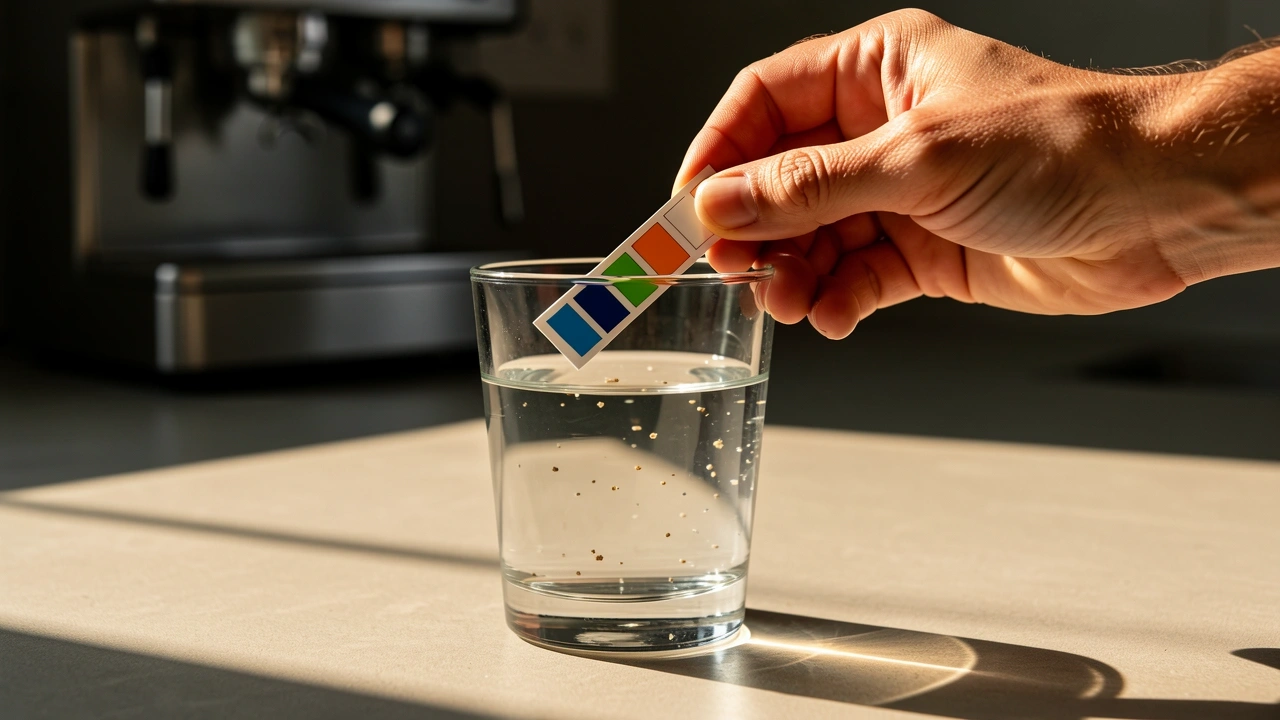
City water quality reports tell you the average ppm for your zipcode, but your tap at home could be different.
Rust in neighborhood pipes, sediment in your building plumbing, or even your own filters change the hardness. A test strip kit costs less than a bag of coffee beans.
Follow the package insert, hold the strip for the exact time specified, then match the reading. If the result is 0 to 60 ppm scale, you live in soft water territory. 60 to 120 ppm is moderate.
Over 120 ppm is very hard, and you need to consider a whole home filter or a specific pucks in your reservoir.
The shot counter method for setting a custom schedule
Here is the most practical approach. For moderate water hardness, plan your first descale after 350 double extractions.
A double pull uses roughly 100 milliliters of water for the brew itself, plus a few for heat exchange. For 2 shots a day, that equals about 5 to 6 months.
For 8 shots a day, that hits in about 6 to 8 weeks. Keep a simple shot log on a piece of paper taped to the machine or use a dry erase marker to count pulls.
That eliminates any guesswork based on calendar time.
When you should ignore the descaling light
I have seen more damage from over-descaling than under-descaling. This matter arises in homes with soft water. Machine manufacturers assume you have hard water.
The descale light on many home machines triggers by a timer, not a sensor. If you have soft water reading between 0 and 60 ppm, the light will still go on at 3 months.
If you follow it blindly, you are pumping weak citric acid or commercial descaler through a clean boiler.
That acid cycle strips the natural oxidation layer off brass and copper, perishes silicone seals, and can cause slow leaks at pressure joints.
I have personally repaired a three year old machine with blown seals from someone the descaling schedule to the letter in a soft water city.
The eroding internal seals cost more than a new machine to fix.
If your water is soft, you can safely reset the descaling light without cleaning. Check your manual for the button combination that resets the light. Most machines have one. Use it.
Reserve the actual chemical process for when you see genuine signs of scale such as low steam pressure or longer water heat up time.
Recognizing the actual signs that you need to descale
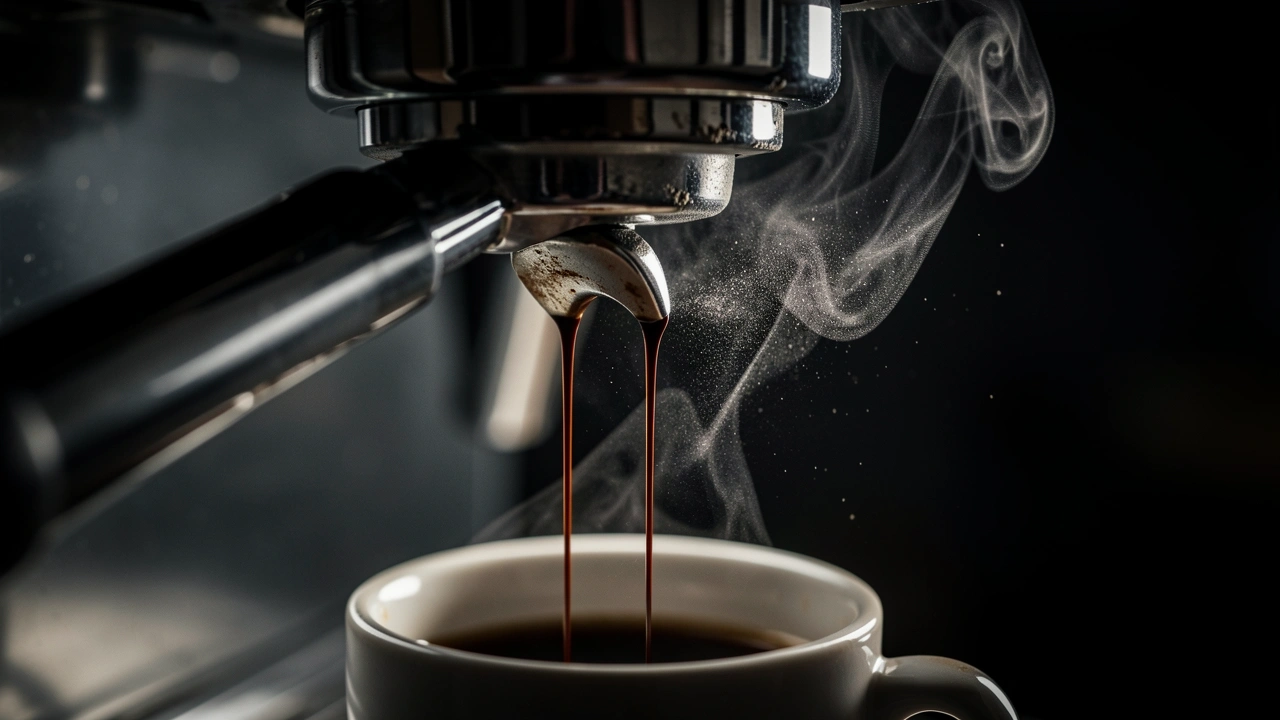
Rather than rely on a calendar date, learn to read your machine. Scale buildup slows flow rate.
If your espresso shot pulls sluggish all of a sudden or you notice a ten second water pour feels more like a thin trickle, scale is likely restricting the pipe.
Steam power decreases as the boiler lining gets insulated. If your steam wand is weak compared to when you first bought the machine, scale is slowing the heat transfer process. Lastly, listen.
A gurgling or click sound during the brewing cycle signals water struggling to push through a blocked path. Any of these are the trigger for descaling, no matter when your last one was.
How to stay safe during descaling
Never run the liquid too fast. Many machines push the solution through in five minutes. That is wasted chemical and wasted heat.
The descaling solution needs contact time with the boiler walls to dissolve mineral solids. Let the solution sit idle for 15 to 20 minutes during the process.
Use a very weak cleaning solution for soft water. For example, a 1:10 ratio of citric acid to water works but takes longer contact time.
For hard water, use a standard commercial descaler from Urnex or Biocaf and follow the packet directions exactly. Do not overconcentrate to solve a tough stain. You will damage heat elements.
The difference between descaling and backflushing
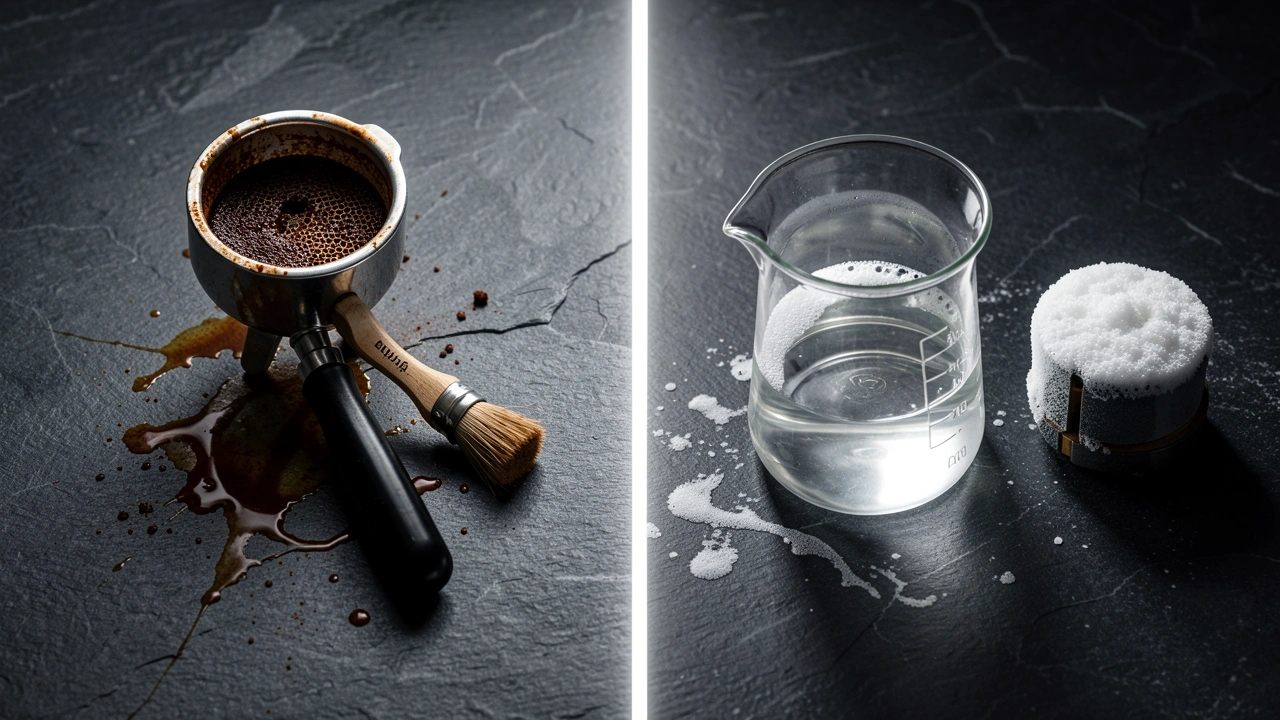
One common mistake I find in forums is confusion between these two processes. Descaling removes mineral scale. Backflushing removes coffee oil. They are not interchangeable.
Backflushing with detergent cleans the brew group and group gasket area from sour residue. Descaling does not touch oil residue and vice versa.
I recommend backflushing every one to two weeks depending how many shots you pull. That schedule is separate from descaling, which only affects the mineral line.
If you skip backflushing, the coffee channel inside the brewing path can get mean. If you skip descaling, water flow drops. Do both, but as different tasks at different intervals.
Frequently Asked Questions
Does pulling a shot with backflush detergent count as descaling?
No. Backflush detergent removes coffee oil from the brew valve and group. Descaling removes calcium and magnesium scale from the boiler and pipe.
The chemical composition for each is completely different. Running cycle of detergent through the system does nothing to dissolve mineral build up.
What if I use distilled or reverse osmosis water?
Distilled and RO water have almost zero measurable mineral, so scale buildup is essentially absent.
However, pure water can pull minerals out of your boiler versus it can cause corrosion or metal leeching.
If you use distilled water, add a special additive to the boiler that replenishes protective minerals. This prevents the chemistry from dissolving the metal boiler surface over time.
Without that, you rarely need to open the handle to descale, but you should still do a water inspection every 6 months to check the system health.