 Reina
Reina 
As an Amazon Associate, I may earn a small commission from qualifying purchases at no extra cost to you. This helps me create more valuable, tested content for you.
I have brewed thousands of cups of tea in electric kettles over the years. I ruined plenty of them before I figured out what really matters. The best tea from an electric kettle comes from controlling what happens after the water boils, not just during the heating phase. If you follow the steps I share here, you will get a consistently good cup every time, no matter what type of tea you prefer.
What Makes Electric Kettle Tea Different
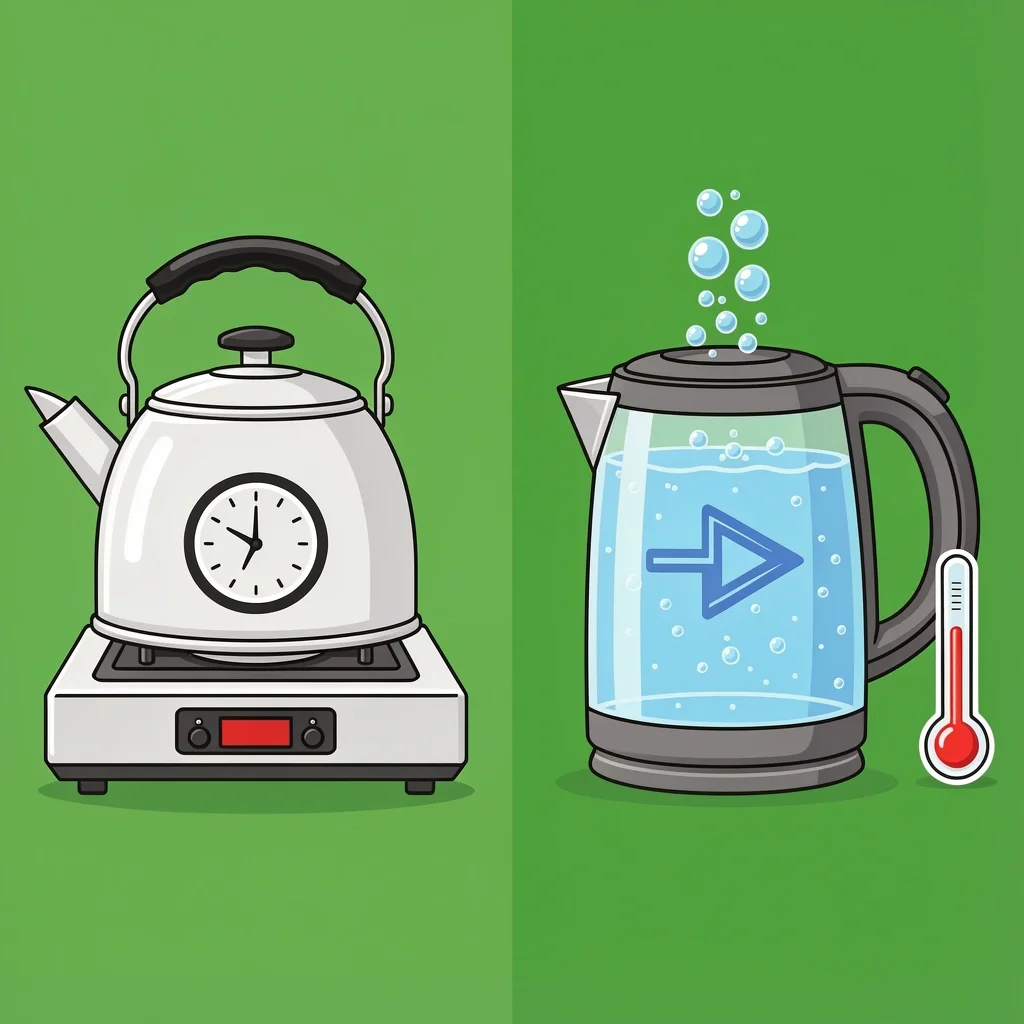
An electric kettle is not just a faster stovetop. It heats water much more quickly, which changes how much oxygen stays dissolved in the water. Water with more oxygen helps bring out the flavor of your tea. That is why you should always start with cold, fresh water. If you use water that has already been boiled or has been sitting in the kettle overnight, the oxygen level drops and your tea will taste flat.
Another difference is that electric kettles let you hit an exact temperature. That precision matters more than most people realize. The temperature you choose controls how much of the tea’s flavor compounds you extract. Too hot, and you pull out too many tannins, which makes the tea bitter. Too cool, and you miss the delicate flavors. I have a variable-temperature kettle now, but even a basic one can work if you follow a few simple rules.
The Core 5-Step Procedure for Any Tea
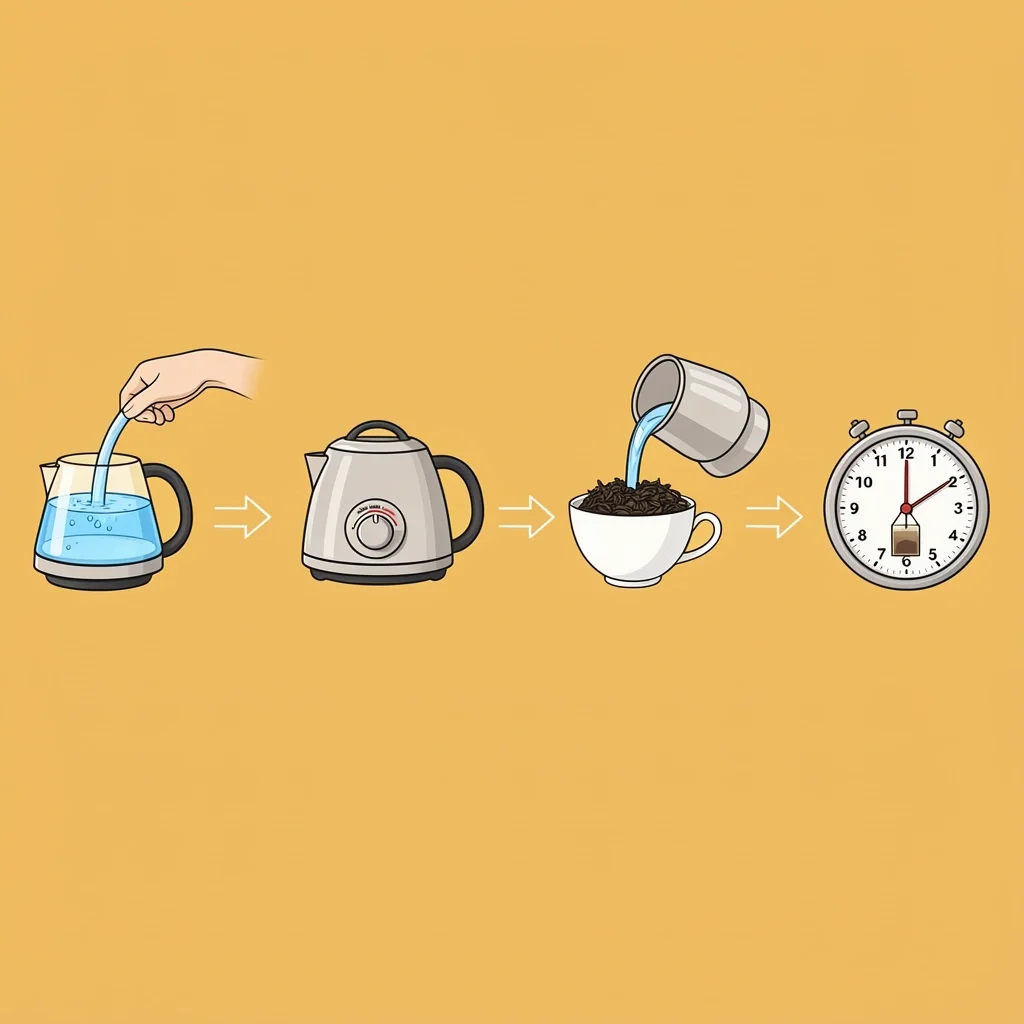
This system works for black, green, white, oolong, and herbal teas. I have tested it across half a dozen kettles. The steps are the same, only the temperature and steep time change.
- Fill with fresh cold water. Always pour fresh water from the tap or a filter. Fill below the maximum line to avoid boil-over. I once filled to the brim and had hot water spill onto the counter. Never do that.
- Set the right temperature. If your kettle has a temperature dial, set it to the recommended range for your tea. If it only has a boil setting, bring the water to a full boil and then let it sit for a minute or two to cool down before pouring. I use a digital thermometer to check for precision.
- Prepare your tea while the water heats. Put your tea bag or loose leaves in your cup or infuser. Use one teaspoon of loose leaf per eight-ounce cup. If you are using a bag, one bag per cup is fine. This saves time and ensures the tea is ready to steep as soon as the water is hot.
- Pour and steep. Pour the water directly over the tea. Cover the cup or pot to keep heat in. Set a timer. Do not guess. I have lost count of how many cups I ruined by leaving the bag in too long.
- Remove the tea leaves or bag. Once the timer goes off, take the bag out or strain the leaves. If you use a bag, press it gently with a spoon to get the last drops. Do not squeeze too hard, or you release bitter compounds.
General Steeping Times
| Tea Type | Temperature | Steep Time |
|---|---|---|
| Black tea | 212°F (100°C) | 3-5 minutes |
| Green tea | 175-180°F (80°C) | 1-2 minutes |
| Oolong tea | 195°F (90°C) | 2-3 minutes |
| White tea | 175°F (80°C) | 2-3 minutes |
| Herbal tea | 212°F (100°C) | 5-7 minutes |
Tea-Specific Customizations
Every tea type responds differently to the same water. Here is what I have learned from making each kind in an electric kettle.
Green Tea in an Electric Kettle
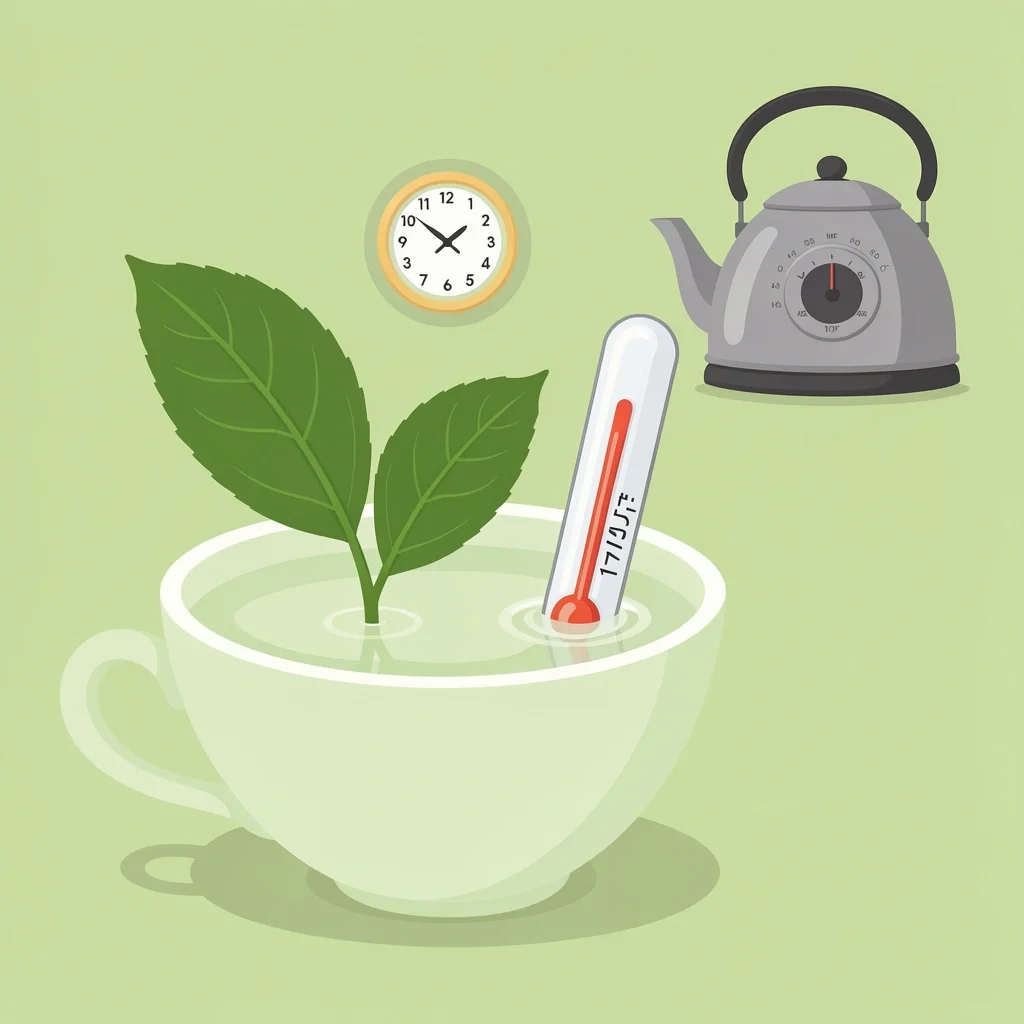
Green tea is the easiest to ruin. If you pour boiling water over it, it turns bitter and grassy. I made that mistake many times. Use water at 175°F. If your kettle does not have a lower setting, boil the water and let it cool for about two minutes before pouring. Steep for only one to two minutes. Remove the leaves immediately. I also recommend using a kitchen timer.
For a foolproof method, mastering brewing green tea without bitterness is easier than you think.
Black Tea
Black tea can handle a full boil. I use 212°F. But I still watch the time. Three to five minutes is the sweet spot. Longer than five minutes and the tannins take over, making the tea astringent. If you want milk tea, add the milk after steeping, not during.
Herbal and Tisanes
Herbal teas like chamomile or peppermint need the hottest water and the longest steep. I use a full boil and let them steep for five to seven minutes. The leaves are tough, so they need that heat to release flavor.
Ginger Tea
For ginger tea, I slice fresh ginger and put it directly into the kettle with the water. Give it a quick rinse first. Bring the water to a boil, then let it simmer for a few minutes if your kettle has a keep-warm function. If not, just let it sit in the kettle for five minutes after boiling before pouring. The ginger infuses well that way.
Lemon Tea
Never put lemon slices or juice into the kettle. The acid can damage the metal or plastic over time. Instead, squeeze fresh lemon into your cup after steeping the tea. I add a little honey too. The combination is perfect.
The Milk and Additive Module
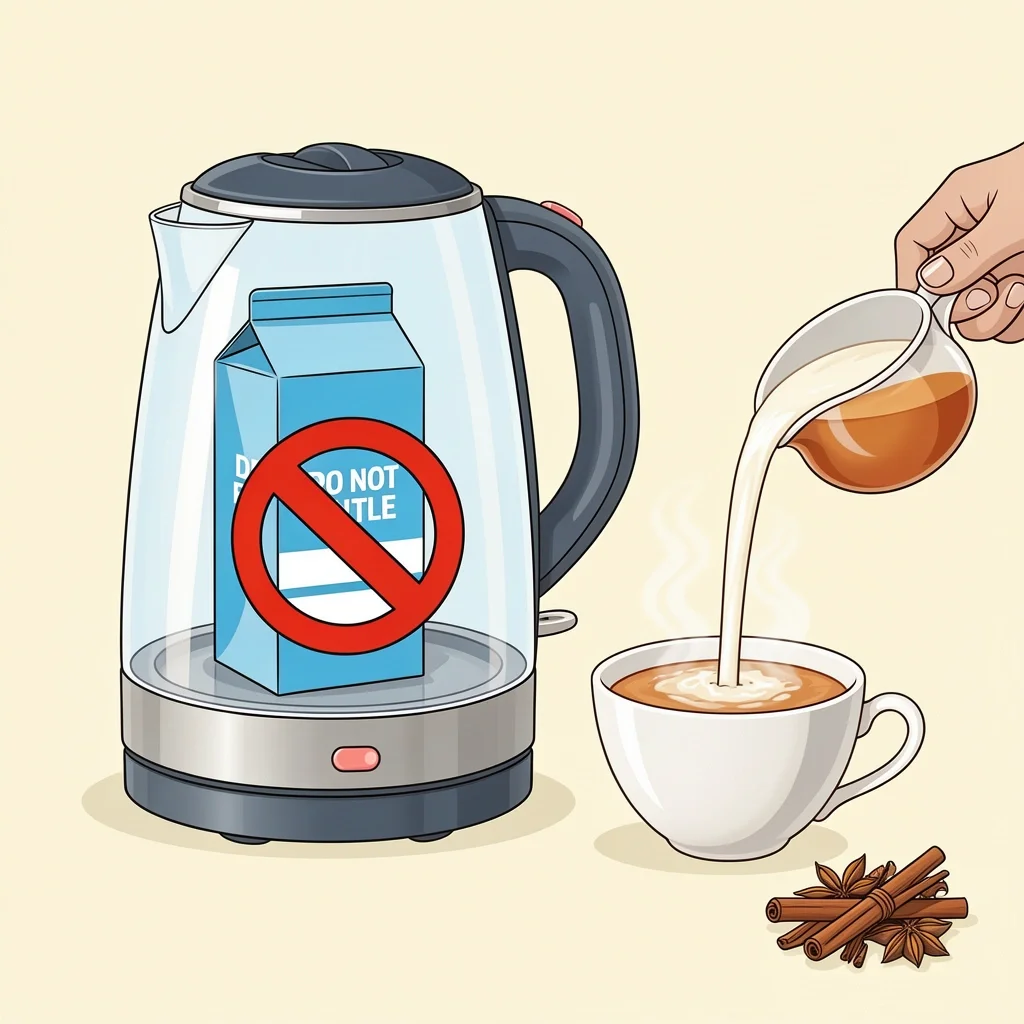
One of the most common questions I get is whether you can make milk tea or chai in an electric kettle. The answer depends on your kettle model.
Can You Heat Milk in an Electric Kettle?
Most electric kettles are designed only for water. Heating milk directly can cause it to scorch on the bottom, create a burnt smell, and damage the heating element. I have tried it with a cheap kettle and had to throw it away. If you have a kettle with a keep-warm setting and a wide opening, you might be able to heat milk gently, but I do not recommend it. Use a stovetop pan or a microwave instead.
The Correct Order for Milk Tea
There is an old debate: milk first or tea first? For electric kettle tea, I always pour the tea first, then add milk. Why? Because the hot water extracts the flavor properly, and adding milk later lets you control the strength. If you put milk in the cup first, the tea might not reach the same temperature, and you lose some of the flavor complexity. I prefer whole milk, but oat milk works well too.
How to Make Chai Without Damaging the Kettle
For chai, boil water in the kettle as usual. Then pour the hot water into a saucepan with your chai spices and tea leaves. Simmer on the stove for five minutes, then add milk and simmer again. Do not boil the milk in the kettle. I have seen people try, and it always ends with a foul smell and a kettle that needs deep cleaning.
Without Milk
If you drink your tea black, use a little more tea leaves than usual. The flavor stands out better without milk. I use one and a half teaspoons of loose leaf per cup. Also, consider using filtered water for a cleaner taste.
The Myth of the Perfect Temperature
Many articles tell you that each tea has one perfect temperature. That is not true. The ideal temperature depends on personal preference, the specific tea leaves, and even the water chemistry in your area. For example, a delicate Japanese green tea might taste best at 160°F, while a Chinese green tea can handle 175°F. I have a variable-temperature kettle, and I experiment with different settings. I recommend starting with the standard numbers I gave above, then adjusting by five degrees up or down until you find what you like. There is no single right answer.
Electric Kettle Pros and Cons Deep Dive
I have used both electric and stovetop kettles extensively. Here are the real advantages and disadvantages based on my experience.
Pros
- Speed: Electric kettles boil water much faster than a stovetop. I can have hot water in under two minutes.
- Precision: Variable-temperature models let you set the exact temperature for each tea type. This is a game changer for green and white teas.
- Safety: Most electric kettles have auto shut-off, so you cannot forget and boil it dry.
- Energy efficiency: They use less electricity than heating a full pot on the stove.
Cons
- Mineral scaling: Hard water builds up limescale inside the kettle, which affects the taste of your tea. You have to descale regularly.
- Plastic taste: Cheap kettles often have plastic parts that leach into the water. I recommend a stainless steel or glass kettle.
- Single-purpose: You can only heat water. You cannot boil milk or soup in it.
If you are a tea drinker, I recommend a gooseneck electric kettle for delicate teas. The narrow spout gives you more control when pouring. For robust blends, a standard spout works fine.
Maintenance and Optimization
Neglecting your electric kettle will ruin the taste of your tea. Mineral buildup not only changes the flavor but also makes the kettle less efficient. Here is how I keep mine in top shape.
Descaling
Descale your kettle every month if you have hard water. Fill the kettle halfway with equal parts white vinegar and water. Bring it to a boil, then let it sit for 15 minutes. Pour out the mixture, then rinse thoroughly with fresh water. Boil fresh water once and discard before making tea. I have used this method for years, and it works perfectly. You can also use citric acid or a commercial descaling product.
Cleaning After Flavored Teas
After making ginger or chai in the kettle, the flavor can linger. To prevent cross-contamination, rinse the kettle immediately after use. Once a week, boil a mixture of water and a few drops of dish soap (do not use soap, just plain water and a tiny bit of vinegar). Rinse well. Do not put the kettle in the dishwasher.
When to Replace the Kettle
If the heating element starts to rust or the plastic lid cracks, replace it. Also, if you notice a metallic taste that does not go away after descaling, it is time for a new kettle. A good electric kettle can last three to five years with proper care.
Frequently Asked Questions
Can I leave water in my electric kettle overnight?
I do not recommend it. The water absorbs air and can pick up a stale taste. Also, mineral deposits form faster. Always empty the kettle after use and refill with fresh water before the next brew.
Why does my tea taste metallic from a new kettle?
That is common with new kettles, especially cheaper ones. The metal parts might have a thin coating of oil or residue from manufacturing. Fill the kettle with a mixture of water and vinegar, bring to a boil, and let it sit overnight. Rinse thoroughly. Then boil two batches of fresh water and discard them. The metallic taste should disappear.
How do I make iced tea using an electric kettle?
Brew a double-strength batch of hot tea using the same steps. For example, use two teaspoons of loose leaf per cup instead of one. Pour the hot tea over a glass filled with ice. The extra strength compensates for the dilution from the ice. I like to brew black tea and add a splash of lemon.
Can I use an electric kettle for pour-over coffee too?
Yes, a gooseneck electric kettle is perfect for pour-over coffee. The controlled pour helps you saturate the coffee grounds evenly. Just make sure to clean the kettle thoroughly between uses so your coffee does not taste like tea and vice versa.
What is the best electric kettle for loose-leaf tea drinkers?
I prefer a kettle with temperature control and a gooseneck spout. The Fellow Corvo EKG Pro is excellent, but there are cheaper options from brands like Bonavita and Cuisinart. Look for a model with a stainless steel interior and a wide opening for easy cleaning.
How do I travel with an electric kettle?
Check the voltage of the country you are visiting. Many travel kettles are dual voltage. If you use a standard kettle, you may need a voltage converter. Also, pack the kettle in your checked luggage to avoid carrying it in a carry-on.
Can I make matcha in an electric kettle?
You can heat water for matcha, but you cannot whisk matcha in the kettle. Heat water to 175°F, then pour it over the matcha powder in a bowl and whisk with a bamboo whisk. The kettle is just for the water.

