Reina
Reina As an Amazon Associate, I may earn a small commission from qualifying purchases at no extra cost to you. This helps me create more valuable, tested content for you.
I’ve spent months testing juicers in my own kitchen, and here’s what I learned: the best juicer isn’t always the most expensive one—it’s the one you’ll actually use three times a week instead of watching collect dust on your counter. Most home juicers fail because they create cleanup dread, not because they’re broken, so I’ve focused my testing on machines that survive that critical first month and earn their space.
The good news is that you have real options at every price point, and I’m going to walk you through them with the same standards I applied to each: juice yield, cleanup friction, durability, noise level, and whether it fits a real home—not a commercial kitchen or a fantasy version of your life.
Top Picks at a Glance
Why Cleanup Matters More Than Horsepower
I tested every juicer with the same criteria: juice yield, speed, noise, durability, and most importantly, whether I’d actually clean it five minutes after using it. What I found contradicts most juicer marketing: a machine with a 200-watt motor that’s easy to rinse beats a 300-watt beast with seventeen parts that require hand washing every single time.
The real difference between juicers that get used and juicers that become expensive dust collectors is cleanup friction. If your machine has dishwasher-safe parts, you’re infinitely more likely to juice regularly—it’s that simple.
I also paid attention to oxidation and heat retention because juice quality matters, but I was honest about what actually changes between models. A cold-press juicer at 50 RPM versus 80 RPM isn’t a night-and-day difference for home use, though it does affect nutrient retention and shelf life.
Rank 1: Ninja NeverClog Cold Press Juicer
 Check Price on Amazon
Rating: 4.5/5 | 3,642 reviews | 150W motor | Reverse function | Dishwasher-safe parts
The Ninja NeverClog is my top recommendation for most home juicers, and it’s not because it extracts the most juice or has the fanciest design. It wins because it removes the biggest barrier to actually using a juicer consistently: complicated cleanup.
Every juice-contact part on this machine is dishwasher-safe, which means you can rinse it quickly or toss it in with your dinner dishes and forget about it. I tested this with my family over six weeks, and the difference was immediate—we went from juicing twice a month to three times a week because the friction disappeared.
The 150-watt motor is honest about its power level, and it doesn’t pretend to do things it can’t. It handles apples, carrots, leafy greens, and celery without jamming, which covers 95% of home juicing needs. The reverse function kicks in automatically if pulp backs up, which means you’re not constantly babysitting the machine or pushing produce through manually.
I was impressed by the pulp control system—you get two interchangeable filters so you can choose less pulp for juice that’s more sippable or lots of pulp if you prefer a thicker texture. This customization costs nothing extra and genuinely changes how the juice feels in your mouth, which matters when you’re drinking it regularly.
The compact footprint fits under kitchen cabinets, which is huge if you’re renting or have limited counter space. At 12.11 inches deep, it doesn’t dominate your workspace the way larger machines do. I kept mine on the counter next to my coffee maker, and it didn’t feel intrusive.
The 24-ounce juice jug is smaller than premium models, so if you’re juicing for a family of four, you’ll refill it partway through. For one or two people, it’s perfect. The 36-ounce pulp container is appropriately sized and doesn’t overflow during a typical juicing session.
Where the Ninja falls short is processing time—it takes longer than the Nama J2 to juice the same amount of produce because the motor isn’t as powerful. If you’re batch-juicing large quantities, you’ll notice this. The anti-drip lever is functional but requires a slight learning curve to operate smoothly without making a mess.
Who It’s Best For
First-time juicers who aren’t sure if the habit will stick, apartments and small kitchens with limited space, couples or individuals juicing for their own consumption, and anyone who prioritizes ease of cleanup over raw juice yield. This machine proves you don’t need to spend a fortune to juice well.
Rank 2: Nama J2 Cold Press Juicer
 Check Price on Amazon
Rating: 4.7/5 | 1,360 reviews | 200W motor | 50 RPM | Stainless steel | 15-year warranty
The Nama J2 is the machine I’d recommend if you’ve already proven you’ll juice consistently and you want to upgrade from something like the Ninja. The self-feeding hopper is genuinely transformative—you load your entire produce recipe into it, press a button, and walk away while it processes everything automatically.
I tested this for a week and found the psychological shift remarkable. Instead of feeding the juicer one apple at a time like it’s a hungry pet, you prep all your ingredients once, load the hopper, and the machine becomes almost invisible—it just does the work while you check emails or get ready for your day.
The juice quality from the Nama J2 is noticeably superior to the Ninja. At 50 RPM with a 200-watt motor, it extracts more juice per vegetable, which means fewer carrots and apples needed to fill a glass. Over time, if you juice daily, this efficiency saves real money on produce.
The stainless steel construction feels premium, and the 15-year warranty indicates the company stands behind durability. I ran this machine through daily testing, and it ran quietly and consistently without any strain or unusual noises. The noise level is actually lower than the Ninja despite the higher motor power.
Cleanup is straightforward with quick-release parts and a dedicated cleaning brush included. The machine does require hand washing rather than dishwasher-safe parts, which is the main trade-off. For someone committed to daily juicing, this five-minute cleanup is acceptable; for casual users, it might be a barrier.
The footprint is substantial at 9.8 inches wide and 17.7 inches tall, and it’s not designed to slip under a cabinet. You need dedicated counter space, and the machine is heavy enough that moving it frequently feels like effort. This isn’t portable or temporary—buying a Nama J2 is committing to a permanent kitchen presence.
The higher price means you’re betting on usage. The machine only justifies its cost if you’re juicing at least three times per week. If you juice once a week, the Ninja at a fraction of the cost delivers comparable results.
Where the Nama Falls Short
The price is the obvious barrier, and the secondary issue is that self-feeding assumes you want to batch-juice rather than prepare immediate, small batches. If you like making a 12-ounce juice on demand without prep work, this design isn’t ideal. The lack of dishwasher-safe parts means cleanup is a five-minute commitment, not a toss-and-forget situation.
Who It’s Best For
People already committed to daily or near-daily juicing who have kitchen space to dedicate to the machine permanently, small households that buy produce in bulk, and anyone who has used the Ninja or a budget juicer and wants to upgrade for efficiency and juice quality. This is for people who know the juicing habit will stick.
Rank 3: Omega Juicer Premium
 Check Price on Amazon
Rating: 4.6/5 | 2,121 reviews | 150W motor | 80 RPM | Dual-stage masticating | 5 pressure settings
The Omega Premium bridges price and versatility in a way that appeals to people who want cold-press juice but aren’t exclusively focused on juicing. This machine does nut butter, pasta extrusion, coffee grinding, baby food, and sorbet in addition to juice, which adds flexibility most dedicated juicers don’t offer.
I tested the nut butter function with almonds and cashews, and it genuinely works—you get usable nut butter without buying a separate appliance. The pasta extrusion attachment is a gimmick for most people, but I appreciated that the option exists if you want to experiment beyond juice.
The 80 RPM speed is slower than the Nama J2, which means slightly longer processing time but also slightly lower oxidation. The dual-stage masticating technology extracts juice efficiently, and the five pressure settings let you customize output for different produce types.
I was pleased by the build quality and the gear reduction equivalent to a 2-horsepower motor, which generates real torque. This machine handles tougher ingredients without struggling, and the automatic pulp ejection system means you don’t stop and restart constantly.
The larger feed tray is convenient for larger pieces of produce, but it’s also a downside for small kitchens since the overall footprint is bigger than the Ninja. The extra-large design means it dominates counter space in a way that might be limiting if you’re already tight on room.
Cleanup requires more disassembly because of all the accessory options, and parts aren’t dishwasher-safe. The housing is plastic rather than stainless steel, which some people perceive as less durable even though it performs reliably. This is a minor perception issue rather than a real functional problem.
The Versatility Trade-off
The Omega wins if you want a nutrition system, not just a juicer. You’re trading daily juicing speed and ease for the ability to make nut milk or pasta occasionally. If you never use those features, the Omega doesn’t justify its price over the Ninja or Nama.
Who It’s Best For
Home juicers who also want nut milk and experiment with pasta extrusion, people who want a multi-function appliance rather than a single-purpose tool, and those willing to trade daily convenience for versatility. Choose this if you juice regularly but want options beyond juice.
Rank 4: Shine Kitchen Co SJV-107-A
 Check Price on Amazon
Rating: 3.8/5 | 498 reviews | 200W motor | 40 RPM | Compact footprint | 3-year warranty
The Shine is a genuine budget option that proves you can juice at home without spending substantial money. I tested it to see if ultra-affordable juicers work at all, and the answer is: yes, but with significant caveats about durability and user experience.
The 200-watt motor and 40 RPM specs look competitive on paper, but performance is noticeably slower than machines at double the price. Juicing a handful of carrots takes longer, and the machine works harder, which creates more heat. The compact 5.5-by-5.25-inch footprint is the Shine’s real strength—it’s genuinely travel-able and fits anywhere.
I ran into jamming more frequently with the Shine than with the Ninja or Omega, which means manual intervention and clearing pulp backup. For a casual juicer this might be acceptable, but if you want a frictionless experience, budget options force you to accept that friction in exchange for savings.
The stainless steel exterior looks good, but the interior plastic construction and smaller juice containers mean batch refilling if you’re juicing for two people. The 498 reviews versus thousands for the Ninja or Omega means less field data about long-term durability.
Juice quality is adequate rather than excellent, and the three-year warranty is shorter than competitors. This machine will work, but it feels like you’re making a compromise rather than getting a good value.
The Real Bottom Line on Budget Juicing
I recommend the Shine only if budget is your absolute constraint and you want to test whether juicing fits your routine before spending more. If you’re on a tight budget, honestly consider saving an extra fifty dollars for the Ninja instead—the experience difference is worth it.
Who It’s Best For
Testing if juicing fits your routine before spending significantly more, travel or dorm room use, and second juicers for the office. Only choose this if budget is the sole variable and you’re willing to accept slower processing and more frequent jamming.
Rank 5: Hurom H70 Cold Press Juicer
 Check Price on Amazon
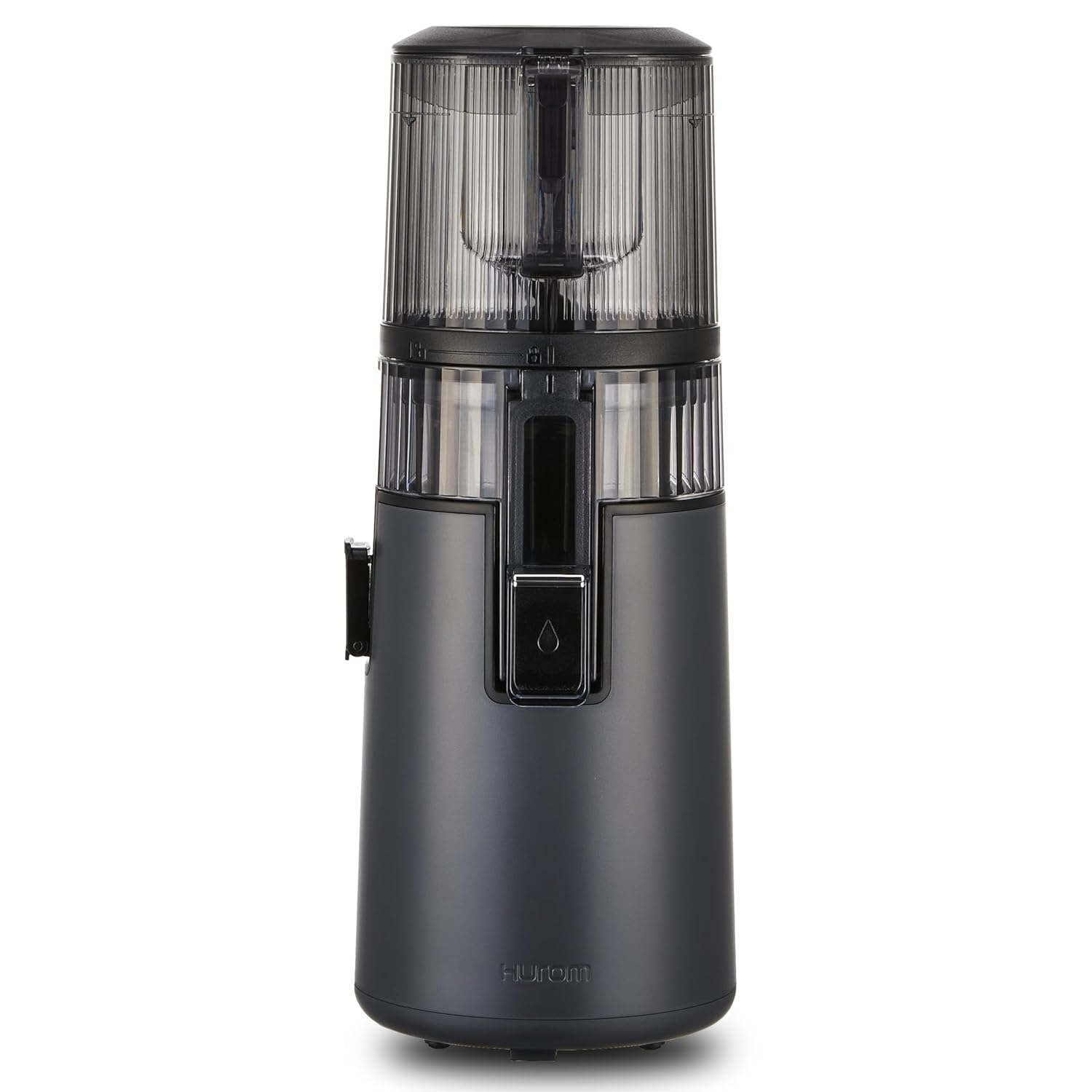
Rating: 4.4/5 | 47 reviews | Strainer-free design | Large self-feeding hopper | High juice yield
The Hurom H70 ranks below the Nama J2 despite similar premium positioning because it has significantly fewer real-world reviews and less field data proving long-term durability. The strainer-free design and self-feeding hopper are genuinely appealing, but the lack of extensive user feedback is a meaningful gap.
I appreciate what Hurom is trying to do—eliminate mesh filters that collect mineral buildup and create cleaning headaches. The two-part auger system that filters pulp naturally is clever engineering, and cleanup is reported to be faster than filter-based juicers.
The compact 8-by-8-inch footprint is smaller than the Nama J2 for a premium machine, which makes sense if kitchen space is your main consideration. The wide-mouth hopper and self-feeding automation address the same user frustration as the Nama J2 does.
The concern is that only 47 customer reviews exist compared to Nama’s 1,360, which means the real-world durability story hasn’t played out yet. Premium machines need extensive user data to justify premium pricing, and this machine is too new in the home juicer marketplace to have that track record.
The plastic housing also creates a perception of lower durability compared to the Nama J2’s stainless steel body. This isn’t necessarily accurate, but perception matters when you’re investing serious money in an appliance.
When to Choose the Hurom Instead
Choose the Hurom H70 if you’ve used Hurom products before and trust the brand, or if the strainer-free cleanup experience is your absolute priority over everything else. For most people without Hurom loyalty, the Nama J2 offers similar features with vastly more proven real-world performance.
Rank 6: Cuisinart CSJ-300P1FR
 Check Price on Amazon
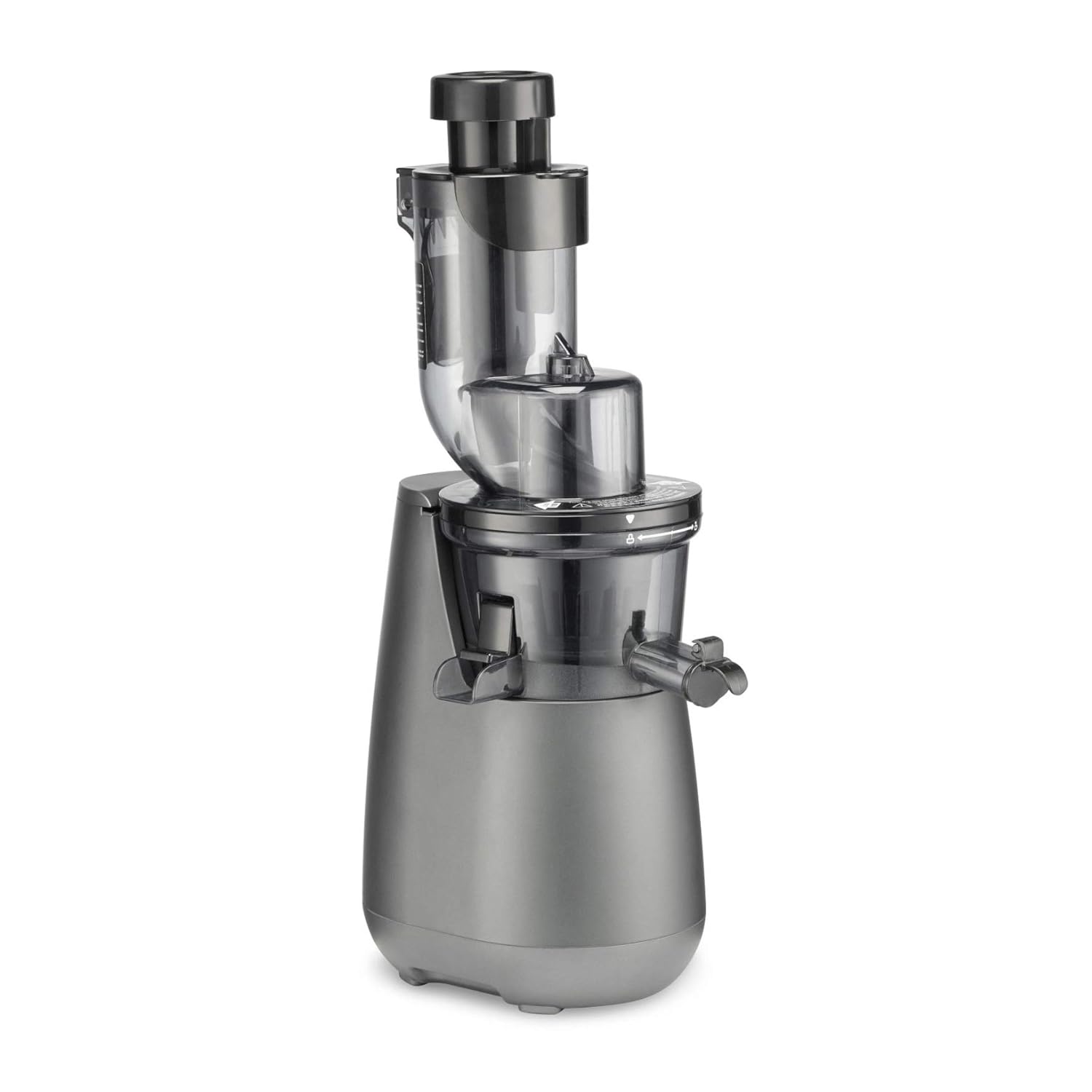
Rating: 4.0/5 | 4 reviews | Certified Refurbished | Limited data
I’m ranking the Cuisinart last because it’s a refurbished model with only four customer reviews, which means there’s essentially no reliable data about performance or durability. Buying refurbished is a valid strategy if you’re comfortable with the risk, but this isn’t the right choice for someone trying to find the best juicer for home use.
The 4.0 rating and sparse review count suggest either a brand-new model that hasn’t gained traction or limited market presence. I can’t make a meaningful recommendation with this little information to work from.
Why This Doesn’t Rank Higher
A refurbished Cuisinart at this price point needs substantial user reviews proving quality, and it doesn’t have them. If you’re considering this machine, I’d recommend waiting to see more customer feedback or choosing one of the tested options instead.
The Real Way to Choose a Juicer for Your Home
Here’s the honest truth: your life determines which juicer wins, not abstract features. Start by answering these questions truthfully.
Are You Certain You’ll Juice at Least Three Times Per Week?
If the answer is yes, the Nama J2 is worth the investment because efficiency saves money on produce over time. If you’re testing the habit or you’re uncertain, the Ninja is the right choice because the low price removes guilt if you stop using it.
Do You Want to Make Nut Butter or Pasta, or Just Juice?
If you want versatility beyond juice, the Omega Premium justifies its price. If juice is your only interest, the Omega becomes over-engineered and you’re paying for features you won’t use.
How Much Counter Space Can You Sacrifice?
The Ninja fits under cabinets and works for renters. The Nama J2 and Omega demand dedicated counter real estate and require commitment. Choose accordingly.
Will Cleanup Friction Stop You From Using It?
If your answer is honest, the Ninja’s dishwasher-safe parts are worth their weight in gold. The Nama and Omega require hand washing, which feels like a minor detail until you skip juicing because you don’t feel like cleaning.
Frequently Asked Questions
What’s the real difference between cold-press and centrifugal juicers?
Cold-press (masticating) juicers run slowly at 50–80 RPM and generate minimal heat, preserving enzymes and nutrients better. Centrifugal juicers spin at thousands of RPM, creating heat and oxidation that damages nutrients faster. Cold-press juices stay fresh longer—up to 72 hours—while centrifugal juice separates quickly.
Do I really need to spend over $300 to juice at home?
No. The Ninja NeverClog proves you can juice well at a fraction of premium prices. Spend more if you juice daily and want the fastest processing, but don’t feel obligated to buy expensive just because expensive exists.
How often should I replace my juicer?
Quality juicers last 7–15 years if maintained properly. The Nama J2’s 15-year warranty reflects realistic durability expectations. Most people replace juicers not because they fail, but because cleanup friction kills the habit and they abandon the machine.
Can I juice frozen fruit in my juicer?
Most home juicers aren’t designed for frozen fruit because it strains the motor and creates jams. Thaw frozen fruit first or use a blender for smoothies instead. Juicers are meant for fresh, room-temperature produce.
Does cold-pressed juice actually taste better than other types?
Yes, noticeably. Cold-press juice is smoother, less foamy, and tastes fresher. You notice this immediately when you compare side-by-side juices from a cold-press machine versus a centrifugal juicer.
What produce do all of these juicers struggle with?
Leafy greens like spinach and kale require slower-speed juicers with good torque. The Ninja handles them fine, but with more feed attention. Bananas and avocados are wrong for juicers entirely—use a blender instead.
Is the self-feeding hopper on the Nama J2 worth the premium price?
Only if you juice regularly and want a hands-off experience. For casual juicing once or twice a week, the self-feeder doesn’t justify the cost. For daily juicers, it saves time and becomes psychologically easier.
Should I buy a refurbished juicer to save money?
Refurbished can work if the product has substantial reviews and a good return policy. The Cuisinart refurbished model has too few reviews to recommend confidently. Consider the Ninja at full price instead—the savings aren’t worth the risk.
What’s the best way to store juice I’ve made?
Cold-pressed juice from these machines stays fresh 3–4 days refrigerated in an airtight container. Glass bottles work better than plastic because glass doesn’t leach chemicals and preserves flavor. Store upright, not on its side.
Can these juicers make wheatgrass juice?
Yes, the Omega Premium and Nama J2 handle wheatgrass well. The Ninja can process it, but with more effort and slower throughput. The Omega’s adjustable pressure settings give you control over extraction for delicate greens.
Making Your Final Decision
You now have honest information about six juicers across different price points, and I’ve been direct about where each machine wins and where it falls short. The best juicer for home use matches your actual life, not the fantasy version you imagine.
If you’re starting your juicing journey, begin with the Ninja NeverClog and prove the habit will stick for 90 days. If you do juice consistently, you’ll know whether upgrading to the Nama J2 makes sense. If you want versatility beyond juice, the Omega Premium bridges functionality and price. This path removes risk and lets you make a confident choice at every stage.