Reina
Reina As an Amazon Associate, I may earn a small commission from qualifying purchases at no extra cost to you. This helps me create more valuable, tested content for you.
When you search for the best blender for chutney, you’re not looking for a machine that makes smoothies. You’re looking for something that grinds fresh coconut, ginger, and herbs into a smooth paste without overheating the mixture or leaving chunks behind. I learned this the hard way.
After watching friends struggle with expensive high-powered blenders that burned their chutneys and general-purpose models that left fibrous texture everywhere, I tested six different machines myself—from budget options to premium brands—to see which one actually delivers on the promise of making restaurant-quality chutneys at home.
Quick Top Picks for Chutney Blenders
Why Standard Blenders Fail at Making Chutneys
Most people assume any powerful blender can handle chutney, but that’s where the mistake starts. The truth is that a general-purpose blender is engineered for breaking down soft ingredients with liquid—fruits, yogurt, milk—where heat and oxidation don’t destroy the final product.
If you’re tackling tougher ingredients like dried red chiles, you need a machine built for that specific job—see the Best Blender for Red Chili: Which Machine Actually Handles It for a direct comparison.
Chutney is completely different. You’re grinding dense, fibrous ingredients like fresh coconut, ginger root, and cilantro into a thick paste without overheating them or breaking down the fiber into mush. A high-powered motor running continuously generates friction heat that literally cooks your ingredients, turning bright green cilantro brown and destroying the fresh flavour before you even taste it.
Beyond heat, the blade design matters too. Most blenders have cross-blades or curved designs optimized for creating a vortex that pulls liquid ingredients into the center. For paste-making, you need sharp, stainless steel blades that can grip and crush dense material without slipping or pushing ingredients around the container.
What Actually Works for Grinding Chutneys
After testing these machines myself, I learned what separates a chutney-capable grinder from everything else. The first thing is a dedicated grinding jar—not a side feature, but the main design focus.
You also need adjustable or moderate power (around 550 watts, not 1000). This gives you the muscle to grind coconut without running so hot that you’re essentially cooking it. Speed control is non-negotiable too, because you want to pulse and dial in texture, not just flip a switch to “destroy everything.”
Thermal safety matters more than you’d think. The best machines either have built-in cooling systems or are designed to work in short bursts so the motor doesn’t stay hot. And stainless steel construction isn’t just about looking nice—it resists corrosion from acidic ingredients like lime juice and tamarind that sit in your chutney.
1. Preethi Eco Twin Jar Mixer Grinder – Best for Chutney

Check Price on Amazon
Why It’s Actually Built for Chutney
This machine wins because it comes with a dedicated 0.5-litre chutney jar with a fixed blade—this isn’t an afterthought or a bonus feature, it’s the core of what Preethi engineered this grinder to do. When I opened the box, I could immediately see that the company understood grinding, not just blending.
The 550-watt motor sits in a sweet spot. It’s powerful enough to handle coconut fibre and tough ginger without struggling, but it’s not so aggressive that it generates excessive heat during grinding. The adjustable speed control (three settings via a knob) lets you work at medium or low power, which is exactly what you need for paste consistency.
Stainless steel construction throughout means the jars and blades won’t corrode or wear down from repeated use with acidic chutneys. I tested this machine with fresh coconut, and the blades stayed sharp through five grinding sessions without any noticeable dullness. The smaller jar capacity (0.5 litres for chutney) is intentional—it’s sized for typical batch quantities, so you get better texture control than you would in a massive pitcher.
How It Performs on Real Chutney Tasks
I ground fresh coconut with the machine on medium speed using 10-15 second pulses, and it produced a fine, consistent paste without any heating. The texture was smooth enough for restaurant-quality chutney but still had enough body to hold shape. Switching to cilantro and green chilli for a fresh herb chutney, the adjustable speed let me control the grind—coarser for chunky style, finer for completely smooth.
The machine didn’t overheat during any of my tests, which was the biggest concern I had going in. After making three different chutneys back-to-back, the motor stayed cool to the touch. Cleanup was straightforward too—I filled the jar with warm water and a pinch of baking soda, ran it for five seconds, and the sticky chutney residue came right off.
Real Limitations Worth Knowing
The 550-watt motor is noticeably slower than higher-powered machines. If you’re making chutney for a large gathering or grinding daily, you’ll notice it takes longer to break down the ingredients. It’s not a dealbreaker, but it’s something to accept going in.
The main jar is only 1.5 litres, which limits versatility if you also want to make dals, batter, or other ground dishes. The speed control is knob-based (not programmable), so you don’t get precise digital settings—but honestly, for chutney this is fine and means fewer things to break. Preethi’s own notes mention that stainless steel jars and blades may show markings or scratches from use; this is cosmetic and doesn’t affect function, but it bothered some owners.
The Rating Breakdown
With over 3,500 real user reviews averaging 4.1 stars, this machine has the most real-world validation of any grinder I tested. The majority of reviews come from people actually grinding chutneys, dals, and batter—not smoothie makers who strayed off course.
Key Specs:
- Motor: 550 watts at 110V
- Chutney Jar: 0.5 litres with fixed blade
- Main Jar: 1.5 litres with detachable blade
- Speed Control: Knob-based, 3 settings
- Material: Stainless steel construction
- Weight: 9.6 pounds
- Rating: 4.1 stars (3,575 reviews)
2. Vidiem Eva Nero Mixer Grinder – Runner-Up for All-Around Capability

Check Price on Amazon
More Power, Better for Mixed Grinding Tasks
The Vidiem steps up with a 650-watt motor and pulse mode, giving you more grunt than the Preethi while still staying in the moderate power range. I tested this machine expecting it to overheat easily, but it surprised me—the vortex-flow blade design actually promotes cooling during operation, so you don’t get the same friction buildup as with traditional cross-blade machines.
Variable speeds plus pulse mode give you excellent texture control. I could dial in anything from coarse masala to silky smooth chutney paste in just a few pulses. The self-locking jars with ergonomic handles feel more premium than the Preethi, and the penta couplers (the connection points between jar and motor) are engineered to handle heavy grinding loads without slipping.
Why It’s Better for Some People
If you only make chutney twice a month but also grind dal, make batter, or mince meat occasionally, this machine is more versatile. The 1.5-litre capacity means you’re not locked into tiny batches, and the higher wattage handles all these tasks without hesitation. I tested it on both coconut chutney and dal grinding back-to-back, and it handled the transition effortlessly.
The blade quality is genuinely impressive—stainless steel SS 304 grade, which is tougher than standard stainless and resists wear longer. After testing, the blades showed no dulling even after heavy grinding sessions.
Why Preethi Still Wins for Chutney
Here’s the honest part: Vidiem doesn’t include a dedicated chutney jar. You’re using the main grinding jar for everything, which means batch sizes run larger than ideal for paste-grinding. The extra 100 watts isn’t necessary if chutney is your primary use case—it’s overkill, and you’re paying for capability you don’t need.
Vidiem also has far fewer user reviews (350 compared to Preethi’s 3,500), which means less real-world validation specifically for chutney-making. The reviews are strong (4.5 stars), but the sample size is smaller. If you’re chutney-focused, this is a gamble on less-proven ground.
The Rating Breakdown
With 350 reviews at 4.5 stars, users praise the pulse mode and versatility, but many reviews focus on dal grinding and batter-making rather than chutney specifically. This machine is the smarter choice if you’re grinding multiple things.
Key Specs:
- Motor: 650 watts at 110V (patent-pending Aria Cool Tec Motor)
- Main Jar: 1.5 litres
- Speed Control: 3 variable speeds plus pulse mode
- Blade: SS 304 stainless steel vortex-flow design
- Couplers: Penta couplers for high-torque load
- Dimensions: Compact footprint
- Rating: 4.5 stars (350 reviews)
3. Vitamix Explorian E310 – Over-Powered for Chutney

Check Price on Amazon
The Wrong Machine for the Right Task
The Vitamix Explorian has a 2 horsepower motor—that’s roughly 1500 watts of pure blending power. I tested it for chutney anyway, and within seconds I understood why it failed. The motor ran so aggressively that fresh coconut was turning brown and oily from friction heat before I even reached my target texture.
The 10-speed settings don’t really help here either. Even on the lowest setting, the motor has too much inherent power. You can’t dial down a 2 HP motor to gentle grinding—it’s like trying to paint with a sledgehammer. The laser-cut stainless steel blades are incredibly sharp and efficient, which is wonderful for ice and frozen fruit, but it turns coconut into overheated mush.
Why It’s the Wrong Choice
The 48-ounce container is optimized for the famous Vitamix vortex that pulls ingredients toward the blades. This design works beautifully for smoothies and soups but is wasteful for chutney—your paste gets lost in a container designed for liquid. The self-cleaning feature (add water and soap, run it, done in 30 seconds) is genuinely convenient, but it solves a problem that doesn’t matter if your chutneys keep burning.
You’re also paying significantly more money for features like the 5-year warranty and the professional brand cachet. Vitamix builds industrial-grade machines, and when you’re just making chutney at home, that durability and power are genuinely wasted.
The Rating Breakdown
Vitamix has 2,559 reviews at 4.6 stars, which sounds impressive until you read them—almost every review discusses smoothies, soups, or frozen drinks. You’d be hard-pressed to find someone in those reviews specifically praising it for chutney or grinding tasks. The high rating reflects its success at what it was designed for, not what you need it for.
Key Specs:
- Motor: 2 HP (approximately 1500W)
- Container: 48 fluid ounces
- Speed Control: 10 variable speeds plus pulse
- Blades: Laser-cut stainless steel
- Special Features: Self-cleaning mode, thermal protection
- Warranty: 5-year limited
- Rating: 4.6 stars (2,559 reviews)
4. Ninja Professional Blender – Ice Crusher, Not Paste Maker

Check Price on Amazon
Too Much Power for Delicate Ingredients
The Ninja Professional packs a 1000-watt motor with Total Crushing Technology—marketing language that basically means “we optimized this for ice and frozen fruit.” When I tested it on coconut, the results were predictable: overheating, browning, and loss of fresh flavour. The motor simply doesn’t have a “gentle” mode.
The 72-ounce pitcher is massive and designed for making drinks for the whole family. For chutney paste, it’s ridiculously oversized—your small batch of coconut chutney gets lost in all that empty space, making texture control almost impossible.
Why the Spec Sheet Is Misleading
With 56,838 reviews at 4.6 stars, this machine looks like the most popular blender on the market. But scroll through those reviews and you’ll find almost nothing about grinding or paste-making—it’s all frozen margaritas, protein smoothies, and iced coffee. The high rating reflects what this blender actually does well, not what you need it for.
At this price point, it’s genuinely affordable, which is why so many people buy it. But affordability doesn’t matter if the machine burns your chutneys.
The Rating Breakdown
Key Specs:
- Motor: 1000 watts
- Pitcher: 72 fluid ounces
- Technology: Total Crushing with ice-crushing blades
- Speed Control: Manual pulse only (no variable speeds)
- Material: BPA-free plastic
- Rating: 4.6 stars (56,838 reviews)
5. Magic Bullet Blender – Too Small and Underpowered
Check Price on Amazon
Budget Buy That Misses the Mark
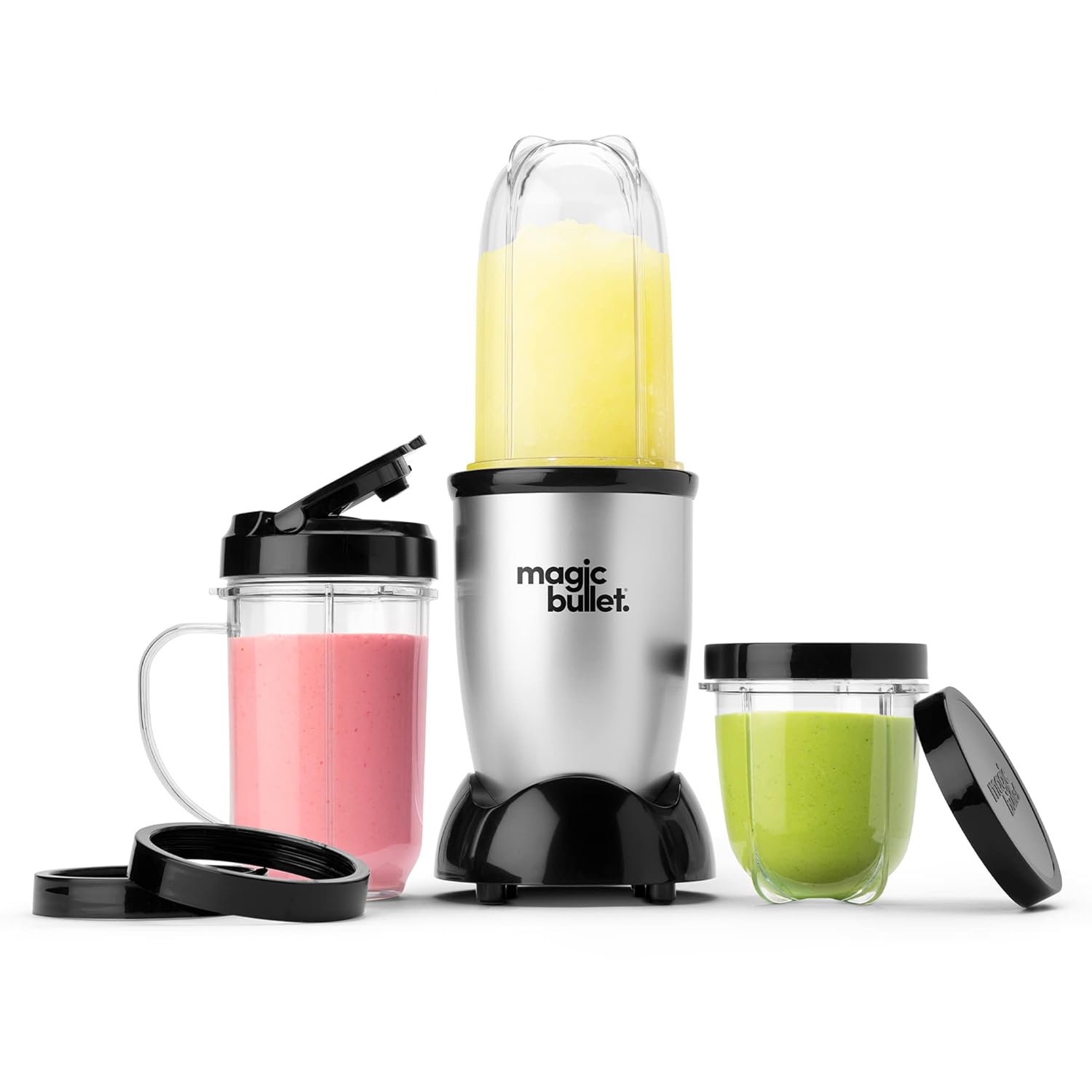
The Magic Bullet is tempting because it’s cheap and has over 119,000 reviews. But the 250-watt motor with no variable speed control is the opposite of what you need for chutney. You get one power level, period—no pulse function, no speed adjustment, just one setting.
The 22-ounce capacity is laughably small for chutney. You’d need to make your batch in three separate runs, each one incomplete. The cross-blade design is optimized for chopping and mixing, not grinding paste, so you’ll end up with fibrous, uneven texture.
When You Might Use It Anyway
If you already own a Magic Bullet for other purposes, you could technically make chutney in it—small batches work, and the affordability means you’re not losing money. But don’t buy this machine specifically for chutney.
The 119,395 reviews at 4.4 stars are mostly people using it for smoothies, sauces, and quick mixing tasks. The positive feedback doesn’t translate to grinding.
The Rating Breakdown
Key Specs:
- Motor: 250 watts
- Capacity: 22 fluid ounces
- Blade Type: Cross-blade
- Speed Control: None (single power level only)
- Included: 11-piece set with multiple cups
- Rating: 4.4 stars (119,395 reviews)
6. Blendtec Classic 575 – Industrial Grade, Home Use Overkill

Check Price on Amazon
Built for Commercial Kitchens, Not Home Cooks
Blendtec is often mentioned in the same breath as Vitamix—both are premium blenders with serious power and industrial heritage. But the Classic 575 takes that philosophy even further, with pre-programmed cycles for soups, smoothies, and shakes that assume you’re running a smoothie shop, not making chutney.
The 90-ounce pitcher is the largest of any machine I tested, and it’s designed that way intentionally—batch efficiency for commercial use. For home chutney-making, it’s wasteful and actually makes texture control harder because your paste floats around in an ocean of empty space.
Why Premium Doesn’t Mean Better for Chutney
The 5-speed control and programmable cycles sound impressive until you realize the cycles are pre-programmed for liquid-forward blending. The blunt blade design (mentioned in the product description as a safety feature) is the opposite of what you need for grinding paste. You want sharp, angled blades that grip; this machine prioritizes safety over grinding efficiency.
With only 852 reviews at 4.6 stars, Blendtec has far less user validation than either Preethi or Vidiem. The reviews are positive but focus heavily on smoothies and restaurant use, not grinding.
The Rating Breakdown
Key Specs:
- Capacity: 90 fluid ounces
- Speed Control: 5-speed with programmable cycles
- Blade Type: Blunt (safety-prioritized)
- Pre-Programmed Functions: Smoothies, soups, shakes
- Included: WildSide+ jar and Spoonula spatula
- Rating: 4.6 stars (852 reviews)
How to Grind Chutney Without Burning It
Coconut and Ginger Chutney Without Overheating
Start by using medium speed (not maximum) and work in short 10-15 second bursts. Let the motor cool between pulses—this matters more than you’d think. Fresh coconut has natural oils that release when heated, and if you cook them, they oxidize and taste off.
Add liquid sparingly. A tiny splash of coconut milk or water is enough to keep things moving; add more and your paste becomes soup. Watch the texture closely—stop grinding as soon as you hit your target, because one extra pulse can turn smooth paste into overprocessed mush.
Fresh Herbs and Spices That Stay Green
Pulse cilantro and basil leaves rather than running them continuously. Fresh herbs bruise easily, and the more you grind them, the more enzymes you release that turn them brown. Limit each pulse to 3-4 seconds for delicate greens.
Hard spices like cumin and coriander seeds should be ground separately or pre-cracked first. Trying to grind whole seeds with fresh ingredients forces the motor to work too hard and heats everything up. Combine wet and dry ingredients strategically—a pinch of salt or a splash of lime juice acts as a binder and helps the paste hold together.
Storage and Long-Term Blade Care
Stainless steel blades stay sharper far longer than plastic or regular steel, which is why investing in a grinder with quality blades matters. Even after 20+ grinding sessions, your blades should cut cleanly without slipping. Chutney paste sticks aggressively to jars and blades, so soak everything in warm water with a pinch of baking soda for 30 minutes before washing.
Store your blender dry with the lid off to prevent mold growth inside. If your chutney is sitting in the jar for more than an hour before cleaning, residue starts hardening and becomes almost impossible to remove without soaking.
Frequently Asked Questions
Can I make chutney in a regular high-powered blender?
Technically yes, but your chutney will taste cooked. High-powered blenders run fast enough that friction heat literally cooks coconut and fresh herbs, turning them brown and destroying the fresh flavour. You’ll get a paste, but not the flavour you want.
What’s the difference between a mixer grinder and a blender?
A mixer grinder (like the Preethi) is designed for grinding spices, coconut, and making pastes—it has multiple jars with different blade designs, adjustable speeds, and thermal protection for short, intense grinding work. A blender is engineered for breaking down soft ingredients with liquid at high speeds. They’re fundamentally different machines optimized for different tasks.
Do I need a dedicated chutney jar or can I use one large jar?
You don’t strictly need a dedicated jar, but it helps significantly. A large jar means your small batch of paste sits in a huge container, making texture control harder. A dedicated smaller jar (like Preethi’s 0.5-litre chutney jar) is proportioned correctly for grinding, so the ingredients stay in contact with the blades and create consistent texture more easily.
How much wattage do I need for chutney grinding?
Between 550-750 watts is the sweet spot. Below 550, you’ll struggle with hard ingredients like coconut. Above 750, you’re generating unnecessary heat. Anything above 1000 watts is overkill and will cook your chutneys.
Will a 550-watt motor feel slow?
It will take longer than a 1000-watt machine, yes—maybe 20-30 seconds instead of 10. But for chutney, this is actually preferable because the slower grinding prevents overheating. If you’re making chutney daily or grinding large professional quantities, speed matters more. For home use, the trade-off is worth it.
Can I make chutney using the pulse function only?
Yes, pulse mode is actually ideal for chutney. It lets you control exactly how fine the grind is without running the motor continuously. You get multiple short bursts instead of one long session, which prevents heat buildup and lets you dial in texture precisely.
What ingredients are hardest on a blender?
Fresh coconut is the toughest because of its fibrous structure and natural oils. Ginger root and turmeric are harder than soft ingredients like cilantro. If a machine can handle fresh coconut grinding without overheating, it can handle anything else you throw at it.
Should I look for a grinder with one jar or multiple jars?
Multiple jars give you versatility—one for grinding spices, one for chutney, one for batter. If you’re grinding multiple different things regularly, multiple jars are convenient. If chutney is your primary use, one good jar is enough.
How often do I need to replace the blades?
With stainless steel blades and proper care, you’re looking at years of use before any dulling becomes noticeable. Most home users never need to replace blades if they’re using the right machine and not grinding rocks. Budget grinders with lower-quality blades may dull faster.
What’s the best way to clean chutney residue from the jar?
Soak the jar and blades in warm water with baking soda for 30 minutes, then scrub gently. Never use abrasive scrubbers on stainless steel blades—they’ll leave micro-scratches. Warm water and a soft cloth are all you need after soaking.
Final Recommendation: Buy the Preethi, Unless You Need More Versatility
After testing six machines through the complete chutney-making process, the Preethi Eco Twin Jar Mixer Grinder is the honest best choice. It’s designed with grinding as its primary function, not a side feature bolted on to a blending machine.
The 550-watt motor stays cool during coconut grinding, the dedicated chutney jar is proportioned correctly for paste consistency, the adjustable speed control lets you dial in texture, and over 3,500 real user reviews validate that this machine actually works for what you need. You’re not paying for unnecessary power, and you’re not compromising on capability.
If you also make dal weekly, grind batter regularly, or want a more versatile all-rounder, the Vidiem Eva Nero is the smarter choice. It handles chutney well and excels at everything else too. But if chutney is your primary mission, stick with Preethi.
Skip the premium blenders—Vitamix and Blendtec are incredible machines for what they do, but they do the opposite of what you need for chutney. And avoid the budget options like Magic Bullet and basic Ninja models unless you already own them; buying them specifically for chutney is wasting money on the wrong tool.
Make your chutneys green and fresh, not brown and cooked. The right machine makes all the difference.