Reina
Reina 
As an Amazon Associate, I may earn a small commission from qualifying purchases at no extra cost to you. This helps me create more valuable, tested content for you.
Plant-based eating has made nut milk a kitchen staple for a lot of people. But here’s the real question: is it worth buying the pricey cartons from the store, or should you just make it yourself? I’m going to walk you through the best blenders for making nut milk at home—focusing on what actually matters: how easy they are to use, the quality you get, and whether they’re worth the money.
Why Make Your Own Nut Milk?
When you start making nut milk at home, you quickly realize it’s not just a trendy thing to do. There are some real, practical reasons to ditch the store-bought stuff. Let me break down what makes it worth the effort.
Benefits of Homemade Nut Milk
First up is quality control. You know exactly what’s going into your milk because you’re putting it there yourself. No mystery preservatives, no weird additives—just nuts, water, and whatever else you decide to add. If you want organic ingredients, you choose organic. It’s that simple.
Then there’s the money angle. If you’re drinking nut milk regularly, those cartons add up fast. Once you break even on your blender, you’re basically getting cheap milk for the rest of its life. Over a year or two, that savings is pretty noticeable.
And let’s talk customization—this is where it gets fun. You can make your milk as thick or thin as you want, sweet or unsweetened, or even throw in vanilla or chocolate. Store-bought? You get what they decided to make. That’s it.
Key Features to Look for in a Nut Milk Blender
Not all blenders are created equal when it comes to nut milk. If you’re going to drop money on one, you want to know what actually matters before you decide.
Essential Features
Power matters—a lot. The higher the motor wattage, the faster and smoother your milk will be. Weak blenders will struggle and take forever, leaving you frustrated before you even get to drink anything.
Usability is huge too. You want a blender that doesn’t require a PhD to operate. One-button simplicity, clear controls, and intuitive design mean you’ll actually use it every day without thinking twice.
Cleanup is something people often overlook, but trust me—if you have to spend 20 minutes washing your blender after every use, you’ll start buying cartons again. Look for dishwasher-safe parts or at least something that doesn’t have a million crevices to scrub.
Comparing the Top Blenders
Let’s look at two blenders that really stand out for making nut milk: the Almond Cow and the Vitamix A3500. They approach the job pretty differently, so depending on what you actually need, one will probably be the clear winner for you.
Almond Cow Nut Milk Maker Machine

At around $247, the Almond Cow is specifically built for making nut milk. With a 4.5-star rating from over 600 reviews, it’s clearly done something right.
The big selling point here is that you don’t have to strain anything. You just pop in your ingredients, press a button, and out comes finished nut milk. It works great for almonds, cashews, oats, soy—basically whatever you want to throw at it. The setup is really straightforward.
The catch? It’s basically a one-trick pony. It makes nut milk and that’s about it. If you want a blender that can also handle smoothies, soups, or anything else, this isn’t your machine.
Vitamix A3500 Ascent Series
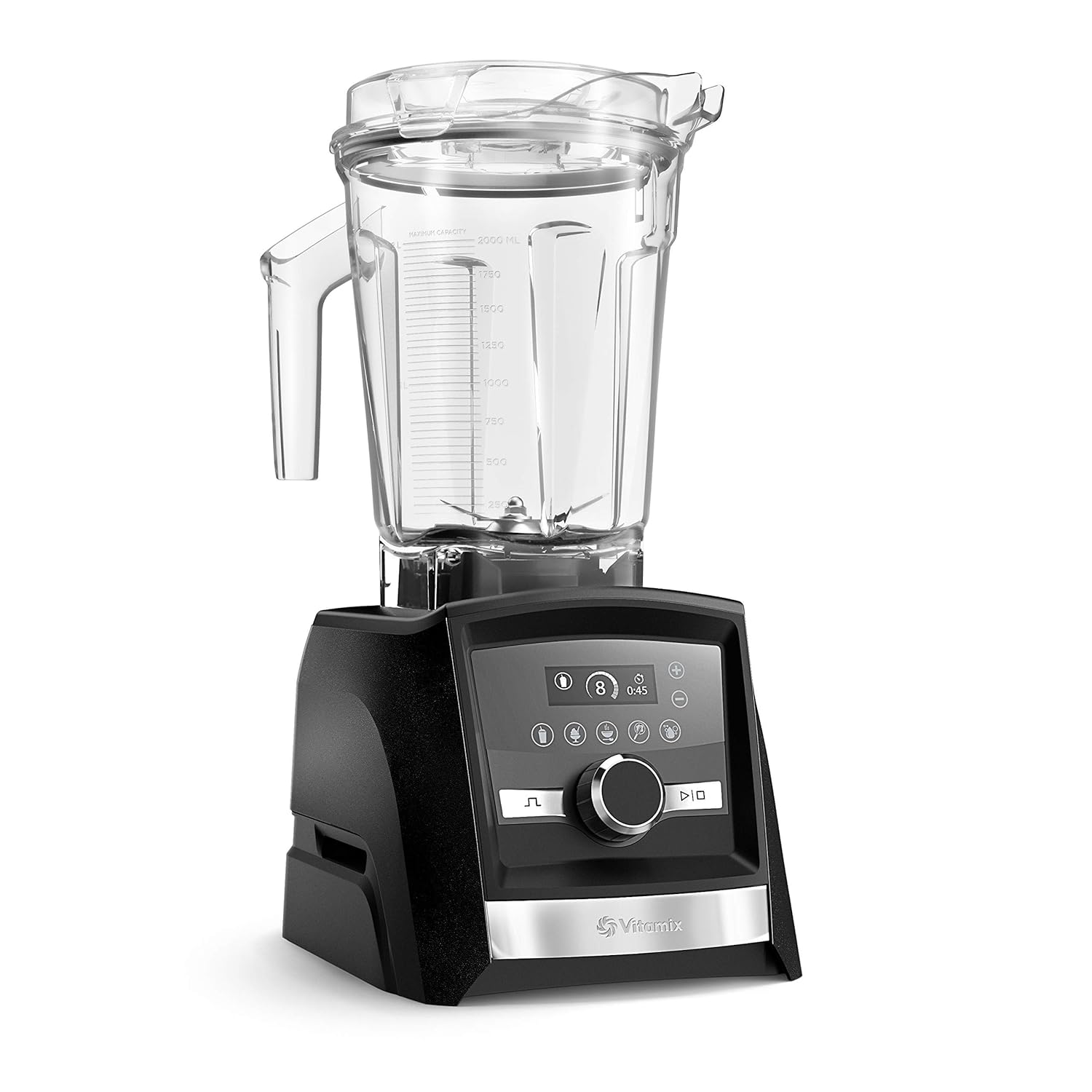
This one runs around $550, and it’s earned a solid 4.7-star rating from over 2,000 people. It’s a seriously powerful, multi-purpose blender. You get preset programs for smoothies, soups, dips, and loads of other stuff, so you get consistent results without guessing.
It also has wireless connectivity that automatically adjusts settings based on the container size you’re using. That’s genuinely useful tech. The downside? That price tag might make you think twice if all you really want is to make nut milk.
Detailed Comparison: Almond Cow vs. Vitamix A3500
So which one should you actually buy? That depends entirely on what you’re going to do with it. They’re really built for different people.
Which Blender Fits Your Needs?
If you’re all-in on nut milk and that’s genuinely what you’ll use day in and day out, the Almond Cow is your answer. It’s designed for exactly that job, and it does it beautifully without any unnecessary complexity.
But if you want a blender that can wear multiple hats—nut milk one day, soup the next, smoothies for breakfast—the Vitamix A3500 is the more flexible choice. You’ll get way more use out of it beyond just nut milk.
Cost vs. Value for Money
Money-wise, if you’re strictly a nut milk person, the Almond Cow wins. It’s cheaper upfront and does the job perfectly. But if you think about everything a Vitamix can do over several years, it might actually be the smarter investment. More tools for more jobs means you get more value from that $550.
User Experience
People who own the Almond Cow rave about how easy it makes their life. No straining, no mess, done in minutes. That convenience factor is real and worth something.
Vitamix owners, meanwhile, tend to love the precision and the smart features. Knowing your blender is going to automatically adjust based on what you’re making feels high-tech and takes the guesswork out of blending.
Final Thoughts on the Best Blender for Nut Milk
So here’s the bottom line: pick the Almond Cow if you’re genuinely only making nut milk. It’s purpose-built, simple, and gets the job done without any extra features you don’t need.
Go with the Vitamix A3500 if you want a blender that can do way more than just milk. You’ll make nut milk, sure, but you’ll also make smoothies, soups, and whatever else you dream up. Both are solid choices—it just comes down to what you’ll actually do with it.
Top Picks: Quick Reference
Common Questions About Making Nut Milk
What nuts can be used?
Pretty much any nut works—almonds, cashews, hazelnuts, macadamia nuts. They each bring their own flavor and nutrition profile to the table, so you can experiment and find what you like best.
How long does homemade nut milk last?
You’ve got about 3 to 5 days before it starts going off. Keep it in a sealed container in the fridge, and you’ll be fine.
Can I sweeten my nut milk?
Absolutely. Honey, maple syrup, or dates all work great. Blend them right in with everything else, and you’re good to go.
Do I need to soak the nuts before blending?
You don’t have to, but it helps. Soaking for a few hours or overnight makes everything blend smoother and creamier. Plus, it’s easier on your blender.
Is homemade nut milk healthier than store-bought?
Usually, yeah. You’re not getting any of the preservatives or weird additives that sit in those cartons. You control what goes in, so it’s basically always going to be cleaner than what they’re selling at the store.
Can I use seeds instead of nuts?
Totally. Sunflower seeds, pumpkin seeds—they make great milk too. Different flavor, same concept.
What is the best way to use nut milk?
Coffee, smoothies, cereal, baking, or just drink it straight. It’s versatile enough that once you make a batch, you’ll find yourself using it everywhere.
Do I need a special machine to make nut milk?
Nope. A regular blender and a nut milk bag work fine. Machines like the Almond Cow just make it easier because you skip the straining part, but they’re not required.
Can I create flavored nut milk?
Yeah, for sure. Throw in some cocoa, vanilla, cinnamon, or whatever sounds good. Just blend it all together.
What is the pulp used for?
Don’t toss it. Mix it into energy bars, use it in baking, or throw it in smoothies for extra fiber. It’s too good to waste.