
I first encountered slippery elm bark during a difficult period with persistent stomach discomfort. A friend recommended it, and after trying it, the relief was noticeable. This experience led me to study its properties more deeply.
Today, I want to share a straightforward method for preparing this tea. The basic recipe combines one tablespoon of slippery elm bark powder with hot water. You can customize it with ingredients like cinnamon or honey for added flavor.
This guide will walk you through every step, from sourcing the bark to understanding its health impacts. Let’s begin with the core preparation method.
How to Make slippery elm tea recipe
This section provides the complete recipe for making a single serving of slippery elm tea. Follow these steps for a consistent and effective beverage.
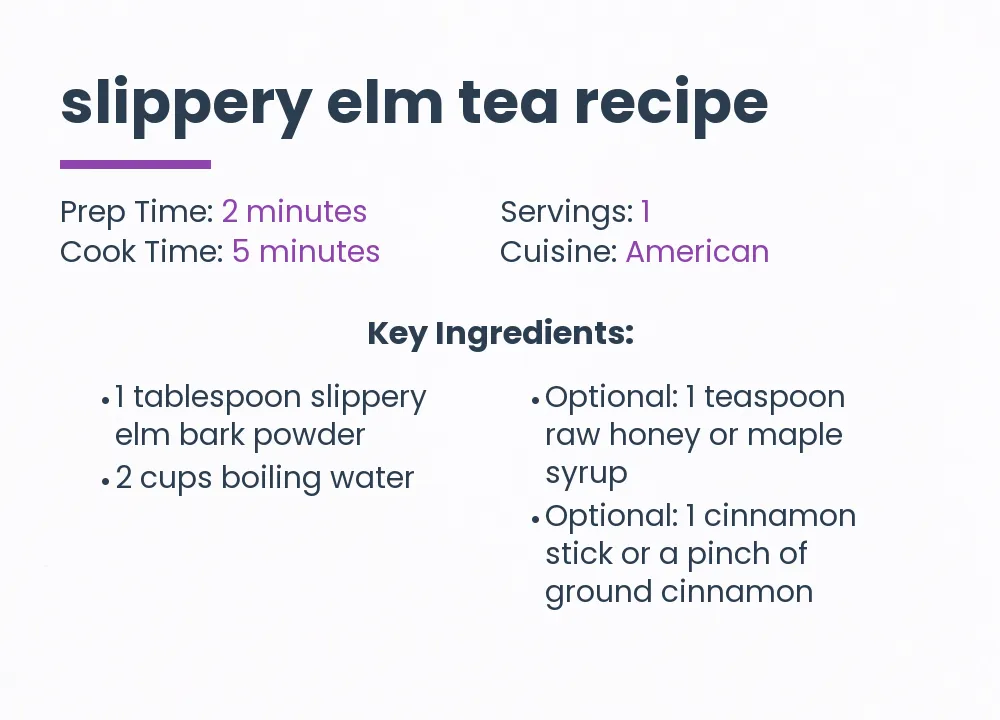
Recipe Details
- Prep Time: 2 minutes
- Cook Time: 5 minutes
- Servings: 1
- Course: Beverage
- Cuisine: American
- Diet: Vegan, Gluten-Free
Ingredients
- 1 tablespoon slippery elm bark powder
- 2 cups boiling water
- Optional: 1 teaspoon raw honey or maple syrup
- Optional: 1 cinnamon stick or a pinch of ground cinnamon
Instructions
- Bring two cups of water to a rolling boil in a small saucepan or kettle.
- Place one tablespoon of slippery elm powder into a heat-resistant mug.
- Slowly pour the boiling water over the powder while stirring continuously with a whisk or spoon.
- Continue stirring for 1-2 minutes until the powder is fully dissolved and the mixture thickens slightly.
- Add optional ingredients like honey or cinnamon if desired, and stir to combine.
- Allow the tea to cool for a few minutes before drinking, as it can be very hot.
Nutrition
- Calories: 15 kcal
- Protein: 0 g
- Fat: 0 g
- Carbohydrates: 4 g
- Sugar: 0 g
- Fiber: 3 g
- Sodium: 5 mg
- Cholesterol: 0 mg
Cooking Method
The primary method involves infusion, where boiling water extracts the soluble fiber from the bark powder. Unlike steeping leaves, this requires vigorous stirring to prevent clumping.
Heating the water to a full boil is necessary to properly hydrate the mucilage. This substance gives the tea its characteristic slippery texture and coating properties.
Avoid boiling the mixture after adding the powder, as excessive heat can degrade some of the beneficial compounds. The goal is a smooth, gel-like consistency.
Tools Needed
- Small saucepan or electric kettle
- Measuring spoons
- Heat-resistant mug or cup
- Whisk or stirring spoon
- Fine-mesh sieve (optional, for straining if using bark chunks)
Understanding Slippery Elm Bark
Slippery elm comes from the inner bark of the Ulmus rubra tree, native to North America. This tree is a deciduous species found in forests from Canada to Florida.
The inner bark is harvested, dried, and ground into a fine powder. When mixed with water, it releases a mucilaginous substance that feels slippery to the touch.
This unique texture is key to its traditional and modern uses. It has been a staple in Native American medicine for centuries before becoming popular in colonial remedies.
Botanical Profile of Ulmus Rubra
Ulmus rubra, commonly known as slippery elm or red elm, belongs to the Ulmaceae family. It can grow up to 60-80 feet tall with a broad canopy.
The inner bark is reddish-brown and has a distinct, slightly sweet aroma. Harvesting is typically done sustainably by carefully removing strips of bark without killing the tree.
This practice ensures the species remains available for future generations. The bark contains complex carbohydrates, antioxidants, and trace minerals that contribute to its health properties.
Historical Harvesting Techniques
Native American communities used specific methods to collect the bark. They would select mature branches and make longitudinal cuts to peel the inner layer.
This inner bark was then dried in the sun or over a low fire. Once dried, it could be stored for long periods or ground into powder using stone tools.
Early American settlers adopted these techniques and incorporated slippery elm into their own pharmacopoeia. It was commonly used in poultices for wounds and as a tea for digestive complaints.
Health Benefits and Scientific Evidence
Slippery elm tea is primarily known for its demulcent properties, meaning it soothes irritated membranes in the body. This makes it particularly useful for digestive and respiratory issues.
The mucilage forms a protective coating along the digestive tract. This can help reduce symptoms of acid reflux, gastritis, and inflammatory bowel conditions.
Some studies suggest it may support bowel health by normalizing movement frequency. However, more research is needed to confirm all potential benefits.
Digestive System Support
The soluble fiber in slippery elm absorbs water and expands in the gut. This adds bulk to stool and can alleviate both diarrhea and constipation.
It may help reduce abdominal pain and bloating associated with irritable bowel syndrome. The coating action protects the stomach lining from excess acid.
This can be beneficial for individuals dealing with occasional heartburn or ulcers. Always consult a healthcare provider for persistent digestive problems.
Respiratory and Topical Applications
When consumed as a tea, the soothing effect extends to the throat and bronchial tubes. This makes it a common choice for managing coughs and sore throats.
Externally, the powdered bark mixed with water can be applied as a poultice. It was historically used for wounds, burns, and skin irritations like psoriasis.
The anti-inflammatory properties may help reduce redness and promote healing. Never apply to open wounds without professional guidance.
Antioxidant and Nutrient Content
Slippery elm contains various antioxidants, including bioflavonoids. These compounds help neutralize free radicals and reduce oxidative stress in the body.
It provides small amounts of nutrients like calcium, magnesium, and zinc. The primary nutritional contribution comes from its high soluble fiber content.
This fiber can slow the absorption of sugars and fats, which might aid in blood sugar and cholesterol management. However, it should not replace prescribed treatments.
Nutritional Breakdown and Mechanism of Action
From a dietary perspective, slippery elm tea is low in calories and macronutrients. Its value lies in the functional components rather than energy provision.
The key active constituent is a type of polysaccharide that forms mucilage. This substance is not digested in the upper gastrointestinal tract.
Instead, it passes through to the intestines where it absorbs water and swells. This process increases stool volume and softness, facilitating easier bowel movements.
How Mucilage Works in the Body
When you drink the tea, the mucilage coats the esophagus, stomach, and intestinal lining. This physical barrier can protect against irritants like stomach acid or harsh foods.
It may also bind to toxins and help remove them from the digestive system. This cleansing action supports overall gut health and function.
The coating effect can slow down the absorption of other compounds. Take medications at least one hour before or after consuming slippery elm tea to avoid interactions.
Fiber and Carbohydrate Analysis
The carbohydrates in slippery elm are almost entirely complex, indigestible fibers. These include arabinose, galactose, and other polysaccharides.
This fiber acts as a prebiotic, feeding beneficial gut bacteria. A healthy gut microbiome is linked to improved immunity and reduced inflammation.
Since the fiber is soluble, it does not cause sharp spikes in blood sugar levels. This makes it suitable for people monitoring their glucose intake.
Dietary Adaptations and Variations
This basic tea recipe can be modified to suit different dietary needs and taste preferences. The neutral flavor of slippery elm pairs well with various additions.
For a vegan version, use maple syrup or agave instead of honey. Ensure all added ingredients align with your dietary restrictions.
If you prefer a colder beverage, allow the tea to cool and serve over ice. The texture may thicken slightly when chilled, but it remains drinkable.
Flavor Enhancements and Combinations
Adding cinnamon not only improves taste but may offer additional antioxidant benefits. Other herbs like marshmallow root or licorice can enhance the soothing properties.
A small amount of raw cacao powder creates a chocolate-like flavor. Be mindful that strong flavors might mask the subtle taste of the elm.
For those avoiding sweeteners, a dash of almond or coconut milk can provide creaminess. Stir well to maintain a smooth consistency.
Addressing Allergies and Sensitivities
Slippery elm is generally well-tolerated, but some individuals may have allergies to elm trees. Discontinue use if you experience any adverse reactions like rash or difficulty breathing.
Since it is gluten-free and low in common allergens, it suits many restrictive diets. Always check the source of your bark powder for potential cross-contamination.
Pregnant or nursing women should consult a doctor before use. The same applies to giving it to children, as dosage needs adjustment.
Cultural and Historical Context
Slippery elm has a rich history in Native American medicine, particularly among tribes in the eastern United States. They used it for everything from food to wound care.
During the American Revolution, it was employed as a survival food when other supplies were scarce. The bark was ground and mixed with water to make a nutritious gruel.
In the 19th century, it became a standard item in apothecaries across America. Physicians recommended it for digestive complaints and respiratory ailments.
Native American Traditions
Tribes like the Cherokee and Iroquois used slippery elm in ceremonial and practical ways. It was often combined with other herbs like mullein for respiratory blends.
The bark was sometimes chewed raw to alleviate thirst on long journeys. Poultices made from the powder were applied to boils, bruises, and inflamed joints.
This deep historical use provides a foundation for its continued popularity. Modern herbalists still reference these traditional applications.
Adoption into Mainstream Herbalism
By the early 20th century, slippery elm was included in official pharmacopoeias like the American Herbal Pharmacopoeia. This recognized its value in professional practice.
Herbalists like Daniel Powers documented its uses in various health texts. It remains a common recommendation in alternative and complementary medicine today.
The commitment to responsible sourcing ensures that this botanical resource is preserved. Always purchase from suppliers who practice sustainable harvesting.
Common Mistakes and Expert Tips
One frequent error is using water that is not hot enough. The powder needs near-boiling water to fully hydrate and release the mucilage.
Insufficient stirring can lead to clumping, resulting in a gritty texture. Use a whisk for best results, especially when making larger batches.
Another mistake is consuming the tea immediately after preparation. Allowing it to cool slightly improves drinkability and enhances the soothing effect.
Optimal Preparation Techniques
Measure the powder accurately using a level tablespoon. Too much can make the tea overly thick and difficult to drink.
If you prefer a clearer beverage, you can strain the tea through a fine mesh sieve. This removes any undissolved particles for a smoother finish.
Store leftover powder in an airtight container away from light and moisture. This preserves its potency for up to one year.
Avoiding Potential Pitfalls
Do not boil the tea after adding the powder, as high heat can destroy some active compounds. The goal is infusion, not cooking.
Be cautious with dosage if you are new to slippery elm. Start with half a tablespoon to assess your body’s response.
Since it can slow absorption, take medications at a different time. This prevents reduced efficacy of prescription drugs.
Serving and Storage Suggestions
This tea is best consumed warm, about 30 minutes before or after meals. This timing maximizes its soothing effect on the digestive system.
It pairs well with light snacks like plain crackers or toast. Avoid heavy, greasy foods that might counteract the benefits.
For storage, prepared tea should be refrigerated and consumed within 24 hours. The texture may become thicker when cold, but it can be reheated gently.
Daily Integration into Your Routine
Many people drink one cup in the morning to support daily digestive function. Others use it as needed when symptoms arise.
You can incorporate it into smoothies or shakes for added fiber. Blend it with ingredients like banana and almond milk for a nutritious drink.
Consistency is key for long-term benefits. However, periodic breaks are advisable to prevent the body from becoming overly reliant.
Long-Term Storage of Bark Powder
Keep the powder in a cool, dark place like a pantry or cupboard. Exposure to light and air can degrade the quality over time.
If you buy bark in bulk, consider dividing it into smaller batches. This minimizes exposure each time you open the container.
Check for any changes in color or smell before use. Fresh powder should have a mild, slightly sweet aroma.
Frequently Asked Questions
What is slippery elm tea recipe?
It is a method for preparing a beverage using powdered inner bark from the slippery elm tree. The basic version involves mixing one tablespoon of powder with two cups of boiling water.
Why is slippery elm tea recipe important?
This recipe provides a way to access the herb’s soothing properties for digestive and respiratory health. It has been used traditionally and remains relevant in modern herbal practice.
How does slippery elm tea recipe work?
The soluble fiber in the bark forms a gel-like substance when mixed with water. This mucilage coats and soothes the lining of the digestive tract upon consumption.
Can I use slippery elm tea for acid reflux?
Yes, the coating action may help protect the esophagus from stomach acid. Drink it between meals or when symptoms begin for potential relief.
Is slippery elm tea safe for children?
Consult a pediatrician before giving it to a child. Dosage should be adjusted based on age and weight, typically starting with a quarter teaspoon.
How often can I drink slippery elm tea?
Most adults can consume one to three cups daily. Listen to your body and reduce frequency if you experience any discomfort.
Does slippery elm tea interact with medications?
It may slow the absorption of oral medications. Take drugs at least one hour before or two hours after drinking the tea to avoid interactions.
Can I make slippery elm tea with cold water?
Cold water will not fully extract the mucilage, resulting in a less effective tea. Always use hot water for proper preparation.
Where can I buy slippery elm bark powder?
Look for it in health food stores, online herbal retailers, or apothecaries. Choose certified organic products from reputable sources.
What does slippery elm tea taste like?
It has a mild, slightly sweet and earthy flavor. Additions like cinnamon or honey can enhance the taste without overpowering it.