
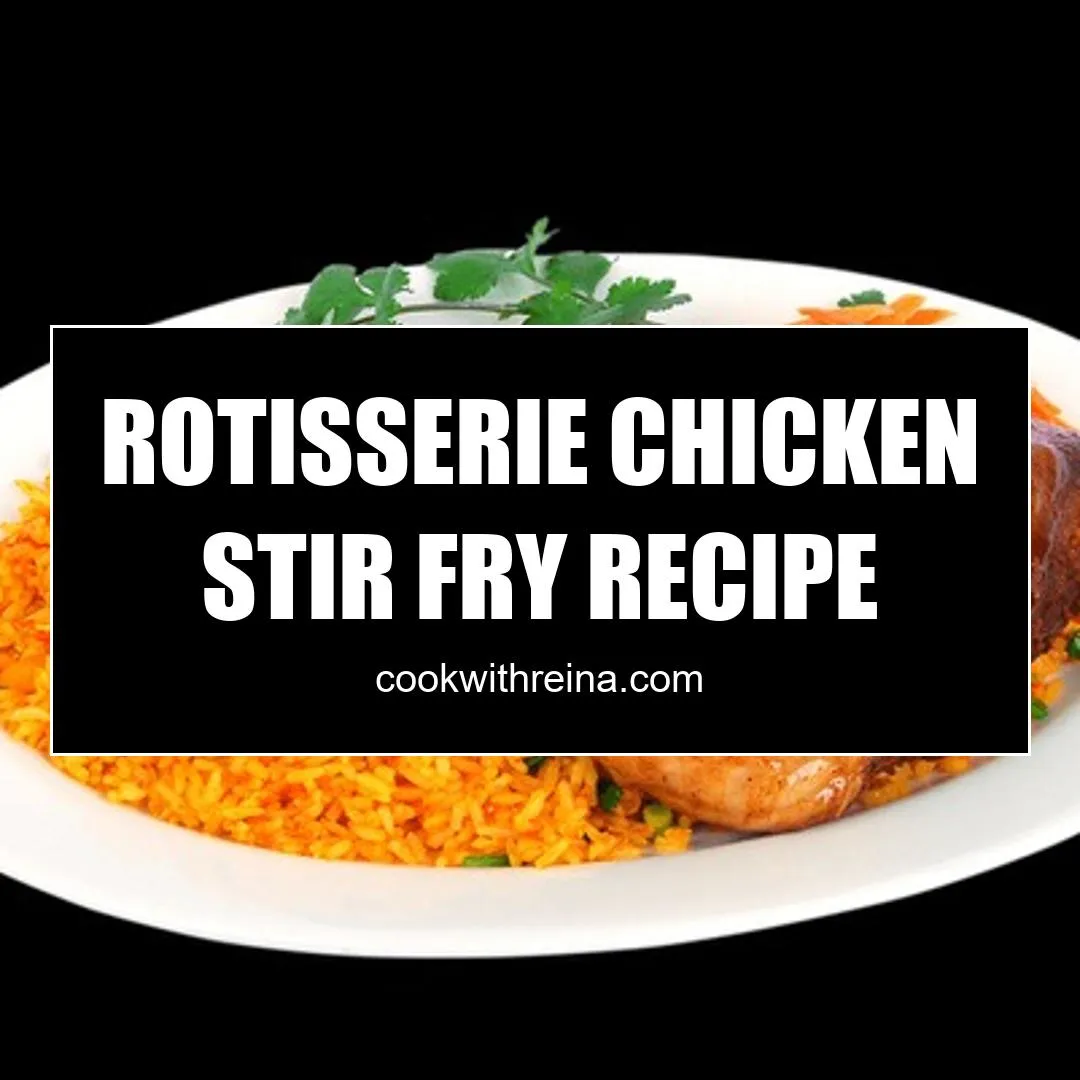
I often turn to rotisserie chicken when I need a quick meal that packs in protein without much effort. This rotisserie chicken stir fry recipe uses that store-bought bird as the star, mixed with fresh veggies and a simple sauce for a balanced dinner. It comes together in under 30 minutes, making it ideal for busy weeknights.
You get tender chicken bits with crisp vegetables, all coated in a savory sauce. I love how it fits into a healthy eating plan. Let me walk you through everything from the basics to smart tweaks.
How to Make Rotisserie Chicken Stir Fry
Recipe Details
- Prep Time: 10 minutes
- Cook Time: 15 minutes
- Servings: 4
- Course: Main Dish
- Cuisine: Asian-Inspired
- Diet: Gluten-Free (with tamari swap), High-Protein
Ingredients
- 3 cups shredded rotisserie chicken (skin removed for lower fat)
- 2 cups broccoli florets
- 1 red bell pepper, sliced
- 1 carrot, julienned
- 1 cup snap peas
- 2 garlic cloves, minced
- 1 tablespoon fresh ginger, grated
- 2 tablespoons soy sauce or tamari
- 1 tablespoon oyster sauce (or hoisin for vegetarian)
- 1 teaspoon sesame oil
- 2 tablespoons vegetable oil
- 2 green onions, sliced for garnish
- Optional: 1/2 teaspoon red pepper flakes for heat
Instructions
- Heat 1 tablespoon vegetable oil in a large wok or skillet over medium-high heat.
- Add broccoli, bell pepper, carrot, and snap peas. Stir-fry for 4-5 minutes until veggies are crisp-tender. Remove from pan and set aside.
- Add remaining oil to the pan. Toss in garlic and ginger, stirring for 30 seconds until fragrant.
- Stir in shredded chicken and cook for 2 minutes to warm through.
- Return veggies to the pan. Pour in soy sauce, oyster sauce, and sesame oil. Toss everything together for 2-3 minutes until coated and heated.
- Remove from heat. Garnish with green onions and red pepper flakes if using. Serve hot over rice or noodles.
Nutrition
- Calories: 320 kcal
- Protein: 28 g
- Fat: 15 g
- Carbohydrates: 12 g
- Sugar: 4 g
- Fiber: 3 g
- Sodium: 850 mg
- Cholesterol: 85 mg
Cooking Method
This recipe relies on stir-frying, a high-heat technique that seals in flavors and keeps vegetables vibrant. The wok’s shape allows constant tossing, ensuring even cooking. Rotisserie chicken shortcuts the prep while adding juiciness from its pre-roasted herbs.
Tools Needed
- Large wok or skillet
- Wooden spoon or spatula
- Sharp knife for slicing
- Cutting board
- Measuring spoons
Choosing Your Ingredients
Selecting Rotisserie Chicken
Pick a plain rotisserie chicken from your grocery store for the best control over flavors. Look for one with minimal added salt or seasonings to avoid overpowering the stir fry. Shred it by hand to keep the meat tender; breasts give lean protein, while thighs add richness.
Vegetables and Their Roles
Broccoli provides crunch and vitamin C, while bell peppers add sweetness and color. Carrots offer beta-carotene for eye health, and snap peas bring a fresh pop. Choose firm, colorful produce—red peppers have more antioxidants than green ones. Wash and cut them uniformly for even cooking.
Sauces and Seasonings
Soy sauce delivers umami from fermented soybeans, but tamari works for gluten-free needs. Oyster sauce thickens the mix with natural sugars from oysters. Fresh ginger cuts through fat with its zing, and sesame oil finishes with nutty depth. Start with less sauce and taste as you go.
The Nutrition Behind Rotisserie Chicken Stir Fry
This dish balances lean protein from chicken with fiber-rich veggies, supporting steady blood sugar and satiety. At 28 grams of protein per serving, it aids muscle repair, especially after workouts. The low carb count—12 grams—fits keto or low-glycemic diets, while veggies boost micronutrients like vitamin A and K.
Fats come mostly from healthy sources like sesame oil, providing omega-6s for heart health. Sodium is moderate at 850 mg, but you can reduce it with low-sodium soy. Overall, it’s a nutrient-dense meal that promotes weight management without feeling restrictive.
The combo of protein and fiber slows digestion, helping you stay full longer. Studies show such meals improve metabolic health by reducing inflammation from processed foods.
Adapting for Your Diet
For gluten-free, swap soy sauce for tamari and ensure oyster sauce is certified. Make it vegan by using tofu or tempeh instead of chicken, and replace oyster sauce with mushroom-based alternatives. Dairy-free is inherent here, but add coconut aminos for a sweeter, lower-sodium soy option.
Low-carb versions skip rice and double veggies. For low-sugar, omit hoisin and use fresh herbs like cilantro for flavor. High-protein boosts come from adding eggs or quinoa. These changes keep the dish versatile for keto, paleo, or plant-based plans.
The Story of Rotisserie Chicken Stir Fry
Stir-fries trace back to Chinese cooking traditions from the Tang Dynasty, around 618 AD, where quick wok methods preserved nutrients in imperial kitchens. Rotisserie chicken, a modern twist, emerged in the 1950s with supermarket rotisseries in the U.S., inspired by French roasting techniques.
Combining them creates a fusion dish—Asian speed meets Western convenience. In home cooking today, it reflects global influences, adapting old methods for fast-paced lives. I see it as a bridge between cultures, using everyday ingredients for timeless appeal.
Common Mistakes and Expert Tips
Avoiding Pitfalls
Don’t overcrowd the wok; cook in batches to maintain high heat and prevent steaming. Overcooking chicken makes it dry—warm it just until hot. Skipping fresh ginger dulls flavors; grate it fine to release oils evenly.
Pro Tips for Success
Prep all ingredients before heating the pan—stir-fries move fast. Use medium-high heat for that signature sear without burning. Taste the sauce midway and adjust with lime juice for brightness. For extra crunch, add nuts like cashews at the end.
The science here involves Maillard reaction: high heat browns sugars in the sauce, deepening taste. Keeping oil hot evaporates water quickly, concentrating flavors.
Serving, Pairing, and Storage
Serve over brown rice for added fiber or cauliflower rice for low-carb. Pair with a side salad or steamed edamame to round out the meal. A light white wine like Sauvignon Blanc cuts the richness.
Store leftovers in an airtight container in the fridge for up to 3 days. Reheat in a skillet with a splash of water to revive moisture—microwaving works but softens veggies. Freeze portions for up to a month; thaw overnight before reheating.
Frequently Asked Questions
Can I use frozen vegetables in rotisserie chicken stir fry?
Yes, frozen veggies work well—just thaw and drain them first to avoid excess water. They retain nutrients and save prep time, but fresh gives better texture.
Is this recipe spicy?
The base is mild, but add red pepper flakes or sriracha for heat. Start with 1/4 teaspoon and adjust to your tolerance.
How do I make it without a wok?
A large skillet or frying pan does the job. Keep the heat high and stir often to mimic the wok’s tossing action.
Can I prepare rotisserie chicken stir fry ahead of time?
Prep ingredients up to a day in advance and store separately. Cook just before serving for the best crunch; assembled leftovers hold for 3 days.
What’s the best way to shred the chicken?
Use two forks to pull apart warm chicken along the grain. Remove skin and bones as you go for even pieces.
Is rotisserie chicken stir fry healthy for weight loss?
Yes, with high protein and low calories, it supports portion control. Pair with whole grains for sustained energy without excess carbs.
Can I add other proteins?
Absolutely—shrimp, beef strips, or tofu swap in easily. Adjust cook time: shrimp needs 2 minutes, tofu 4-5.
How many calories are in one serving?
Around 320 kcal per serving, depending on exact portions. Track your ingredients for precision.