
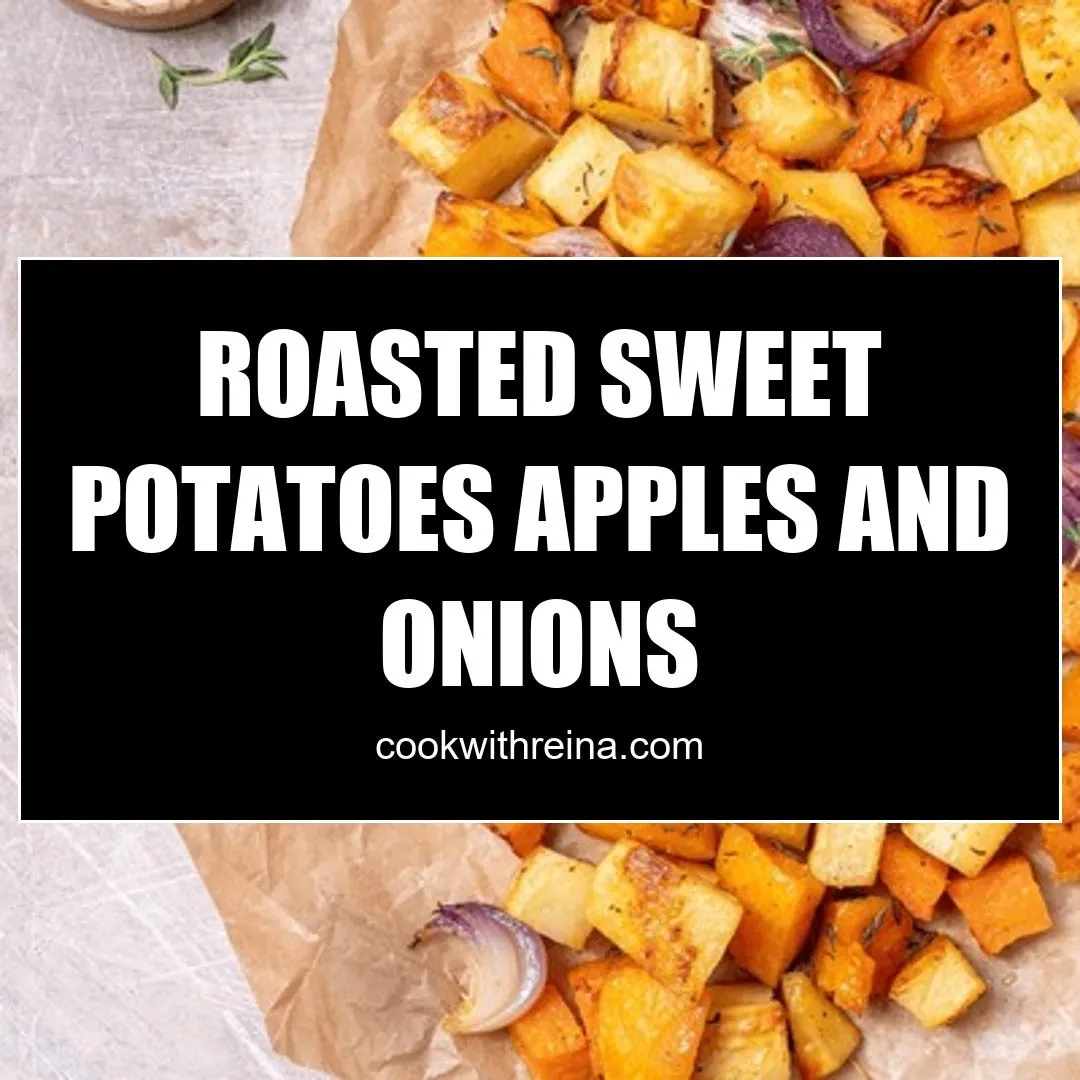
I often share recipes that make healthy eating simple and enjoyable. Roasted sweet potatoes, apples, and onions combine everyday ingredients into a nutritious dish. This mix offers a balance of flavors that’s great for any meal.
It’s easy to prepare with items you likely have at home. The roasting process highlights the natural goodness of each component. Plus, it’s a flexible recipe that fits various dietary needs without much effort.
This dish is perfect for adding more vegetables to your plate. I appreciate how it uses seasonal produce for maximum freshness. Let’s dive into making this tasty side that’s both hearty and light.
How to Make Roasted Sweet Potatoes, Apples, and Onions
I’m excited to walk you through this easy recipe for roasted sweet potatoes, apples, and onions. It’s a favorite of mine for its simplicity and health benefits, and I’ll cover everything from prep to serving. Let’s get started with the details to help you succeed in the kitchen.
Recipe Details
- Prep Time: 15 minutes
- Cook Time: 30 minutes
- Servings: 4
- Course: Side Dish
- Cuisine: American
- Diet: Vegan, Gluten-Free
Ingredients
- 2 large sweet potatoes, peeled and cubed
- 2 apples, cored and sliced (use firm varieties like Granny Smith)
- 1 large onion, sliced
- 2 tablespoons olive oil
- Salt and pepper to taste
- Optional: 1 teaspoon cinnamon for added warmth
When picking ingredients, choose sweet potatoes that are firm and free of blemishes for even roasting. Look for apples that are crisp to avoid them becoming too soft, and select onions with dry, papery skin to ensure freshness. I suggest buying organic if available, as it reduces exposure to chemicals and supports better flavor.
Each ingredient plays a key role in health. Sweet potatoes provide vitamin A and fiber for good vision and digestion, while apples offer pectin to aid heart health. Onions add antioxidants that fight inflammation, making the dish balanced and nutrient-dense. This recipe is naturally vegan and gluten-free, but be cautious if you have sensitivities—onions can cause gas in some people, so consider swaps like leeks if needed.
For inclusivity, if you’re on a low-FODMAP diet, omit onions or use green onion tops. Diabetics might prefer tart apples to lower sugar content. Common mistakes include using overripe fruit, which can lead to sogginess; always check ripeness before starting. For variations, try adding herbs like rosemary or nuts for crunch, adjusting based on your taste or dietary goals.
Instructions
- Preheat your oven to 400°F (200°C) to ensure even cooking.
- Wash and prepare the vegetables: peel and cut sweet potatoes into even cubes, core and slice apples, and thinly slice the onion.
- In a large bowl, combine all the ingredients and toss with olive oil, salt, and pepper until evenly coated.
- Spread the mixture on a baking sheet in a single layer to promote caramelization and avoid steaming.
- Roast in the oven for 25-30 minutes, stirring halfway through, until the vegetables are tender and golden brown.
Stirring midway prevents burning and ensures uniform doneness—a frequent error is forgetting this step. The roasting technique uses dry heat to caramelize natural sugars, enhancing flavor through the Maillard reaction, which is why spacing out the ingredients is key. If apples brown too quickly, cover with foil to protect them.
Nutrition
- Calories: 180 kcal per serving
- Protein: 2 g
- Fat: 7 g
- Carbohydrates: 28 g
- Sugar: 10 g
- Fiber: 5 g
- Sodium: 150 mg
- Cholesterol: 0 mg
Cooking Method
- Oven Roasting
Tools Needed
- Baking sheet
- Sharp knife
- Cutting board
- Mixing bowl
Variations and Adaptations
You can easily tweak this recipe to suit different preferences. For a spicier version, add chili powder or garlic. If you’re aiming for lower calories, reduce the oil or use a spray. This dish adapts well to various diets, like making it paleo-friendly by sticking to whole ingredients.
Common pitfalls include over-seasoning, so start light and taste as you go. The cultural roots of roasting trace back to ancient methods for preserving food, often seen in harvest festivals across cultures. It’s a timeless way to enjoy seasonal produce like these fall favorites.
Serving Suggestions
Pair this dish with proteins like grilled chicken or fish for a balanced meal. It works well as a side for BBQs or even in salads for added texture. I like serving it warm to highlight the caramelized flavors.
For a cozy atmosphere, present it in a family-style bowl with fresh herbs on top. This makes mealtime more inviting and nutritious.
Storage and Reheating
Store leftovers in an airtight container in the refrigerator for up to 3 days to keep freshness. Avoid leaving it at room temperature too long to prevent bacterial growth. For reheating, use the oven at 350°F for 10 minutes to retain crispness.
Microwaving can make it soft, so I prefer oven reheating. This method helps maintain the dish’s nutritional value and taste.
Frequently Asked Questions
What type of apples work best for this recipe?
Firm apples like Granny Smith or Honeycrisp are ideal as they hold their shape during roasting and provide a nice tart contrast. Avoid very soft varieties to prevent mushiness. This choice balances the sweetness of the sweet potatoes and adds fiber for better digestion. I always suggest tasting the apple first to ensure it complements the other flavors.
Can I prepare this dish in advance?
Yes, you can chop the vegetables a day ahead and store them in the fridge to save time. Roast fresh for the best texture, or reheat leftovers within three days. This makes it great for meal prep, as the flavors often deepen overnight. Just ensure everything is dry before roasting to avoid excess moisture.
Is this recipe suitable for people with diabetes?
This dish is relatively low in added sugars and high in fiber, which can help manage blood sugar levels. Sweet potatoes and apples provide natural carbs, but choose tart apples to reduce sugar content. Always consult a healthcare provider for personalized advice. Portions can be adjusted, and adding more veggies can make it even more diabetes-friendly.
How can I add more protein to this recipe?
To boost protein, incorporate nuts like almonds or seeds such as chia for added crunch and nutrients. You could also serve it alongside plant-based proteins like tofu or lentils. This keeps the dish vegan while enhancing satiety. Aim for about 5-10 grams per serving by making simple additions, ensuring a balanced meal.
What are good substitutes if I don’t like onions?
If onions upset your stomach, use leeks or shallots as milder alternatives that still add flavor. Bell peppers can work for a sweet swap, but they change the taste. Always consider your dietary needs, and start with small amounts to test. This ensures the dish remains enjoyable and inclusive for everyone.
How do I know when the dish is fully cooked?
The vegetables are done when they’re tender and have a golden-brown color, usually after 25-30 minutes. Pierce a sweet potato cube with a fork to check for softness. Avoid overcooking to prevent dryness, and remember stirring halfway helps even cooking. This simple test ensures perfect results every time.
Can this recipe be made in an air fryer?
Yes, an air fryer works well for a quicker version—use the same ingredients and cook at 375°F for 15-20 minutes, shaking the basket midway. This method uses less oil and cuts down cook time, making it even healthier. Adjust based on your air fryer’s model for best results, maintaining that caramelized goodness.