
Struggling to find meals that support weight loss without sacrificing flavor or leaving you hungry is a common frustration. I faced this myself years ago, and it was during a visit to a PHD Weight Loss clinic in Greenville that I discovered a recipe approach that changed everything. The concept of transforming everyday ingredients into satisfying, nutrient-dense dishes resonated with my background in dietetics and culinary history.
This Egg Roll in a Bowl recipe became a personal favorite, reminiscent of the hearty, simple meals my family enjoyed, yet perfectly aligned with modern nutritional science. In this article, I will guide you through making this dish, explaining not just the “how” but the “why” behind its effectiveness. You will learn how to create a meal that manages blood sugar, promotes satiety, and fits into a busy lifestyle.
By the end, you will have a complete understanding of how to utilize such recipes for lasting results.
How to Make PhD Weight Loss Recipes
This section provides the complete recipe for Egg Roll in a Bowl, a foundational dish in the PHD Weight Loss program. Follow these steps for a consistent, delicious outcome every time.
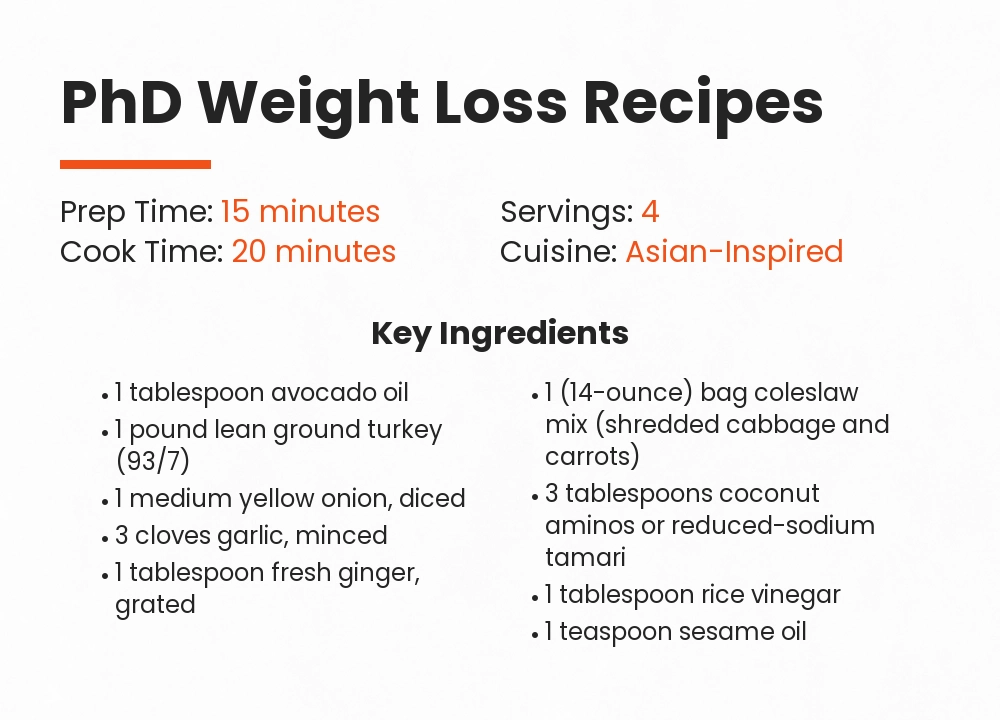
Recipe Details
- Prep Time: 15 minutes
- Cook Time: 20 minutes
- Servings: 4
- Course: Main Course
- Cuisine: Asian-Inspired
- Diet: Low-Carb, Gluten-Free
Ingredients
- 1 tablespoon avocado oil
- 1 pound lean ground turkey (93/7)
- 1 medium yellow onion, diced
- 3 cloves garlic, minced
- 1 tablespoon fresh ginger, grated
- 1 (14-ounce) bag coleslaw mix (shredded cabbage and carrots)
- 3 tablespoons coconut aminos or reduced-sodium tamari
- 1 tablespoon rice vinegar
- 1 teaspoon sesame oil
- 4 green onions, sliced
- 1 teaspoon toasted sesame seeds for garnish
Instructions
- Heat the avocado oil in a large skillet or wok over medium-high heat.
- Add the ground turkey and cook for 5-7 minutes, breaking it apart with a spoon, until it is no longer pink.
- Add the diced yellow onion to the skillet and sauté for 4-5 minutes until it becomes translucent.
- Stir in the minced garlic and grated ginger, cooking for one more minute until fragrant.
- Add the entire bag of coleslaw mix to the skillet. Cook for 5-7 minutes, stirring frequently, until the cabbage has wilted.
- Pour in the coconut aminos, rice vinegar, and sesame oil. Stir everything together until well combined and heated through.
- Remove the skillet from the heat and mix in the sliced green onions.
- Garnish with toasted sesame seeds before serving.
Nutrition
- Calories: 245 kcal
- Protein: 28 g
- Fat: 10 g
- Carbohydrates: 9 g
- Sugar: 4 g
- Fiber: 3 g
- Sodium: 420 mg
- Cholesterol: 85 mg
Cooking Method
This recipe uses a straightforward sauté technique. The process begins with browning the protein to develop flavor. Vegetables are then added sequentially based on their required cooking times. A quick sauce is incorporated at the end to coat everything evenly without overcooking. This method preserves texture and nutrient integrity.
Tools Needed
- Large skillet or wok
- Wooden spoon or spatula
- Measuring spoons
- Chef’s knife
- Cutting board
- Grater for ginger
Nutritional Breakdown of PhD Weight Loss Recipes
Understanding the nutritional profile of this dish is key to appreciating its role in weight management. Each component is selected for its specific metabolic benefits.
How It Supports Weight Management
This recipe is designed with a high protein-to-carbohydrate ratio. Protein from the ground turkey increases thermogenesis, the body’s energy expenditure during digestion. It also promotes feelings of fullness, reducing the likelihood of snacking on high-calorie foods later. The modest carbohydrate content, primarily from fibrous vegetables, prevents significant blood sugar spikes.
Stable blood glucose levels are crucial for minimizing fat storage. This approach aligns with the principles often discussed in PHD Weight Loss consultations, whether you are in Asheville or accessing the program nationwide. By focusing on whole foods, the recipe supports a sustainable caloric deficit without deprivation.
Key Nutrients and Their Benefits
The cabbage in the coleslaw mix provides a significant amount of vitamin K and vitamin C. These nutrients support immune function and bone health. Ginger and garlic contain bioactive compounds like gingerol and allicin, which have anti-inflammatory properties. Avocado oil is rich in monounsaturated fats, which are heart-healthy and aid in the absorption of fat-soluble vitamins.
Using coconut aminos instead of traditional soy sauce reduces the sodium content, which is important for managing blood pressure. Each ingredient serves a dual purpose of flavor and function, creating a meal that nourishes the body while aiding weight loss efforts.
Ingredient Analysis
Selecting the right ingredients is fundamental to the success of this recipe. Let’s examine the core components and their attributes in detail.
Core Ingredients and Their Attributes
Ground Turkey
Lean ground turkey, specifically a 93/7 lean-to-fat ratio, is the primary protein source. It is lower in saturated fat compared to ground beef. Look for brands that do not add fillers or excessive sodium. The quality of the protein affects the dish’s satiety value and overall calorie count.
Cabbage
Cabbage is a cruciferous vegetable high in fiber and water content. It adds bulk to the meal without many calories. The type of cabbage matters; green cabbage is standard, but red cabbage can be used for additional antioxidants. Its mild flavor allows it to absorb the seasonings well.
Coconut Aminos
Coconut aminos are a fermented product made from coconut sap. They provide a savory, umami flavor similar to soy sauce but with approximately 65% less sodium. They are naturally gluten-free and contain amino acids and minerals like potassium. This makes them an excellent choice for those monitoring salt intake.
Sourcing and Selection Tips
When purchasing ground turkey, check the label for added hormones or antibiotics. Opt for organic or free-range options if possible. For the coleslaw mix, pre-shredded bags save time, but you can shred fresh cabbage and carrots for a crisper texture. Fresh ginger should have smooth, taut skin without wrinkles.
In regions like Durango or Farmington, where access to fresh produce may vary, frozen coleslaw mixes are a viable alternative. They retain most of their nutrients and can be used directly from the freezer. Always taste your coconut aminos, as brand profiles can differ slightly in sweetness and saltiness.
Dietary Adaptations for PhD Weight Loss Recipes
This recipe is highly adaptable to various dietary needs. Here are practical substitutions to maintain the nutritional integrity while accommodating restrictions.
Gluten-Free Options
The recipe is inherently gluten-free when using coconut aminos or tamari labeled gluten-free. Ensure that all packaged ingredients, like the coleslaw mix, are certified gluten-free if cross-contamination is a concern. This adaptation is straightforward and does not alter the flavor profile.
Vegan and Dairy-Free Variations
For a plant-based version, replace the ground turkey with one pound of crumbled firm tofu or two cups of cooked brown lentils. Tofu should be pressed and crumbled to mimic the texture of ground meat. Lentils provide a similar protein and fiber content. Use an additional tablespoon of avocado oil to compensate for the leaner nature of these proteins.
The sauce and other ingredients are already dairy-free. This variation is popular in areas with diverse dietary preferences, such as Charlotte, and aligns with the PHD program’s flexibility.
The Science Behind PhD Weight Loss Recipes
The effectiveness of this recipe is rooted in nutritional biochemistry. It leverages several physiological mechanisms to support weight loss.
Blood Sugar Regulation
The low glycemic load of this meal is critical. Fiber from the cabbage slows down carbohydrate digestion, preventing rapid glucose absorption into the bloodstream. This avoids the insulin spikes that can promote fat storage. Consistent blood sugar levels help reduce cravings and maintain energy throughout the day.
This principle is a cornerstone of the “5 Steps to Reset the Scale” methodology, which emphasizes controlling glucose as a primary step in metabolic health.
Metabolism Boost
Protein has a higher thermic effect of food compared to fats and carbohydrates. This means your body uses more energy to digest and process the turkey in this recipe. Ingredients like ginger may slightly increase metabolic rate through their thermogenic properties. A combination of protein, fiber, and spices creates a synergistic effect that can enhance daily energy expenditure.
This scientific backing is why such recipes are recommended by experts like Dr. Ashley, who focus on the art and science of healthy living.
Common Mistakes and Expert Tips
Avoiding common errors will ensure you get the best results from this recipe. Here are pitfalls to watch for and professional advice.
Overcrowding the skillet is a frequent issue. If the pan is too full, the vegetables will steam instead of sauté, resulting in a soggy texture. Cook in batches if necessary. Another mistake is overcooking the garlic and ginger, which can make them bitter. Add them towards the end of the vegetable sautéing process.
Do not skip toasting the sesame seeds. Toasting enhances their nutty flavor and makes them more digestible. For a deeper flavor, you can deglaze the pan with a splash of chicken or vegetable broth after cooking the turkey. This lifts the browned bits from the bottom of the pan, incorporating more flavor into the dish.
If you find the mixture too dry, a tablespoon of broth or water can be added when combining the sauce. Taste and adjust seasoning before serving, as the saltiness of coconut aminos can vary by brand.
Serving, Pairing, and Storage
How you serve and store this dish impacts its enjoyment and nutritional value. Here is comprehensive guidance.
Serve the Egg Roll in a Bowl immediately after cooking for the best texture. It can be garnished with additional green onions, cilantro, or a squeeze of lime juice for freshness. For a complete meal, pair it with a side of steamed edamame or a simple cucumber salad.
Leftovers can be stored in an airtight container in the refrigerator for up to three days. Reheat gently in a skillet over medium heat to maintain texture. Avoid microwaving, as it can make the cabbage mushy. This dish does not freeze well due to the high water content of the cabbage, which becomes watery upon thawing.
This recipe is ideal for meal prepping. You can double the ingredients and portion it out for lunches throughout the week, ensuring you have a healthy option readily available.
Cultural and Historical Context
The Egg Roll in a Bowl is a modern deconstruction of a traditional Chinese-American appetizer. Egg rolls typically consist of a wheat flour wrapper filled with shredded cabbage, meat, and other vegetables, then deep-fried. This recipe eliminates the deep-frying and the wrapper, focusing on the flavorful filling.
It reflects a contemporary culinary trend towards “bowl” meals that prioritize convenience and health. The adaptation aligns with a growing consumer interest in low-carb and gluten-free diets. While not authentic to any specific Asian cuisine, it draws inspiration from the flavors and techniques of East Asian cooking.
This evolution mirrors how recipes in programs like PHD Weight Loss are developed—taking familiar concepts and refining them for specific health outcomes without losing their essence.
Frequently Asked Questions
What is PhD weight loss recipes?
PhD weight loss recipes are specially formulated meals from the PHD Weight Loss program. They are designed to be nutrient-dense, low in calories, and supportive of metabolic health. These recipes often feature lean proteins, high-fiber vegetables, and healthy fats to promote satiety and stable blood sugar levels.
Why is PhD weight loss recipes important?
These recipes are important because they provide a practical, sustainable way to achieve weight loss without extreme dieting. They teach portion control, balanced nutrition, and how to make food choices that support long-term health. This approach helps individuals reset their eating habits and manage their weight effectively.
How does PhD weight loss recipes work?
They work by creating a caloric deficit through high-volume, low-energy-dense foods. The combination of protein and fiber increases fullness, reducing overall calorie intake. Additionally, the recipes are structured to minimize blood sugar spikes, which can reduce fat storage and cravings.
Can I make this recipe ahead of time?
Yes, you can prepare this recipe ahead of time. Cook the dish completely, let it cool, and store it in the refrigerator for up to three days. Reheat it in a skillet for the best texture. It is an excellent option for meal prepping.
What can I use instead of ground turkey?
You can substitute ground turkey with an equal amount of ground chicken, lean ground pork, or beef. For a plant-based option, use crumbled tofu, tempeh, or cooked lentils. The cooking time may need slight adjustment based on the protein used.
Is this recipe suitable for a keto diet?
This recipe is low in carbohydrates, with only 9 grams of net carbs per serving, making it suitable for a ketogenic diet. Ensure that any substitutions, like the coconut aminos, align with your specific macronutrient goals.
How can I reduce the sodium content further?
To reduce sodium, use low-sodium coconut aminos or tamari. You can also make your own sauce using vinegar, a small amount of salt, and herbs. Avoid adding extra salt during cooking and rely on aromatics like garlic and ginger for flavor.
Where can I find more PhD weight loss recipes?
More recipes are available through the PHD Weight Loss program, which offers resources online and at their locations, including in cities like Asheville, Greenville, and Durango. Their website and client portals often feature updated recipe archives and guides.