
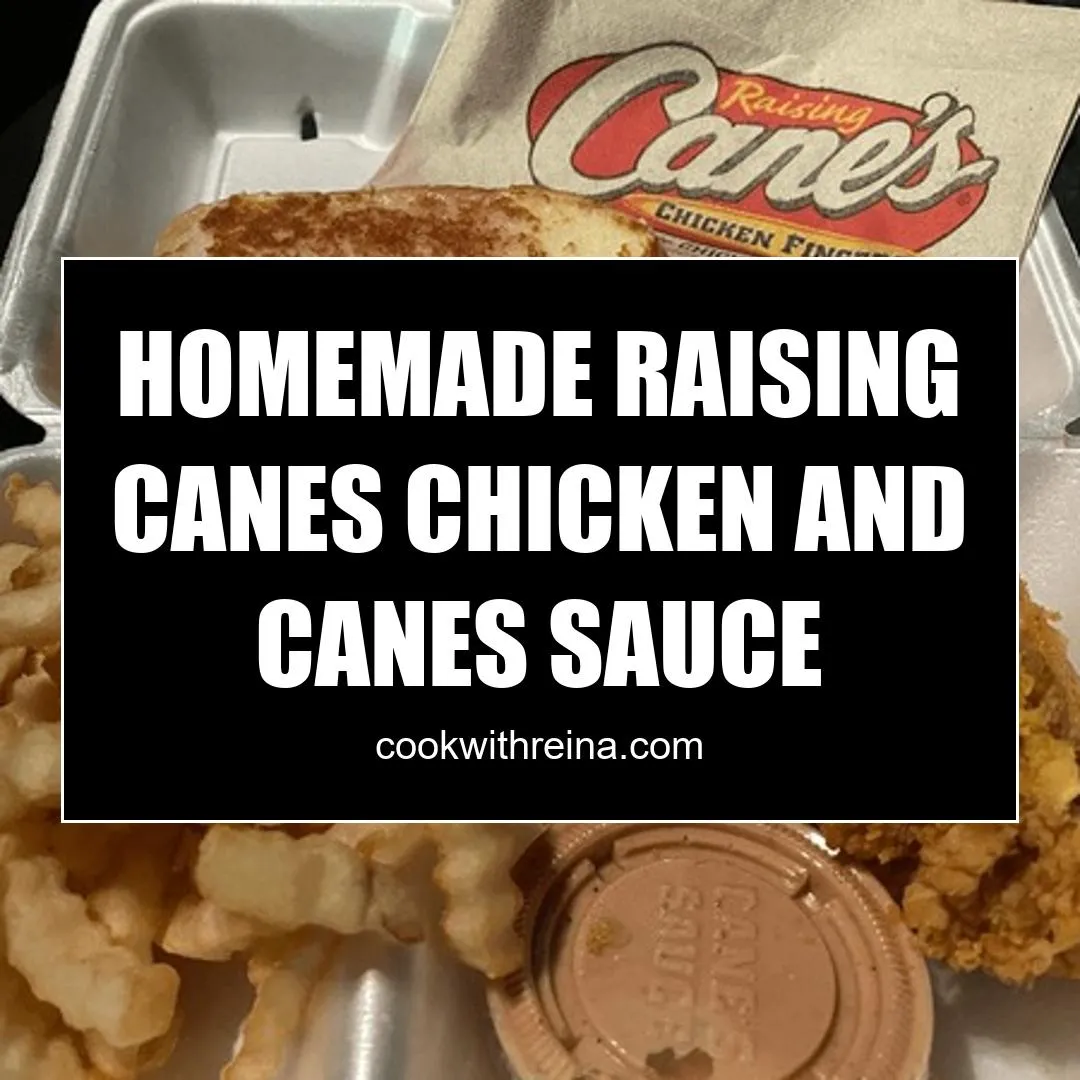
Recreating the crispy chicken tenders and signature sauce from Raising Cane’s at home lets you enjoy that fresh, flavorful bite without leaving your kitchen. This version uses simple ingredients for an authentic taste. Below, you’ll find the full recipe to get started right away.
The tenders come out golden and juicy, paired with a tangy sauce that ties everything together. It’s a straightforward process that takes about 45 minutes total. Whether you’re feeding a family or meal prepping, this setup delivers consistent results.
How to Make Homemade Raising Cane’s Chicken Tenders and Cane’s Sauce
This recipe yields crispy tenders with a light buttermilk brine for tenderness and a special sauce that’s creamy with a hint of spice. It serves four and focuses on balance for everyday meals.
Recipe Details
- Prep Time: 20 minutes
- Cook Time: 25 minutes
- Servings: 4
- Course: Main Dish
- Cuisine: American Fast Food
- Diet: Contains gluten and dairy; adaptable for others
Ingredients
- 1 lb chicken breast tenders (fresh, boneless, about 8-10 pieces)
- 1 cup buttermilk (whole milk for richness)
- 1 tsp hot sauce (like Frank’s for mild heat)
- 1.5 cups all-purpose flour (for dredging)
- 1 tsp garlic powder (fine ground)
- 1 tsp onion powder (adds savory depth)
- 1 tsp black pepper (freshly ground)
- 1 tsp salt (kosher for even seasoning)
- Vegetable oil (for frying, about 4 cups)
- For the sauce: 1/2 cup mayonnaise (full-fat for creaminess)
- 1/4 cup ketchup (standard for tang)
- 1/2 tsp Worcestershire sauce (for umami)
- 1/2 tsp black pepper (freshly ground)
- 1/2 tsp garlic powder
- 1 tsp lemon juice (fresh squeezed for brightness)
Instructions
- Prepare the brine. In a bowl, mix buttermilk and hot sauce. Add chicken tenders, coat well, and refrigerate for 15 minutes. This step tenderizes the meat with acidity.
- Mix the dry coating. In a shallow dish, combine flour, garlic powder, onion powder, black pepper, and salt. Stir evenly to distribute seasonings.
- Heat the oil. Pour vegetable oil into a deep skillet or Dutch oven to 350°F (use a thermometer for precision). This temperature ensures crispiness without sogginess.
- Bread the chicken. Remove tenders from brine, letting excess drip off. Dredge each piece in the flour mixture, pressing lightly for even coverage. Shake off extras.
- Fry the tenders. Add to hot oil in batches, cooking 3-4 minutes per side until golden brown and internal temperature reaches 165°F. Drain on paper towels.
- Make the sauce. In a small bowl, whisk together mayonnaise, ketchup, Worcestershire sauce, black pepper, garlic powder, and lemon juice until smooth. Refrigerate until serving.
- Serve hot tenders with a side of sauce for dipping.
Nutrition
- Calories: 450 kcal per serving (based on 2 tenders and 2 tbsp sauce)
- Protein: 28 g
- Fat: 22 g
- Carbohydrates: 35 g
- Sugar: 4 g
- Fiber: 1 g
- Sodium: 850 mg
- Cholesterol: 85 mg
Cooking Method
Frying is the core method here, as it creates the signature crunch through the Maillard reaction—browning proteins and sugars in the flour at high heat. Buttermilk’s lactic acid breaks down proteins for juiciness. For the sauce, emulsification from whisking binds fats and acids into a stable dip.
If you prefer baking, preheat your oven to 425°F and place breaded tenders on a wire rack over a baking sheet. Bake for 20-25 minutes, flipping halfway. This cuts oil use while keeping texture decent, though not as crisp.
Tools Needed
- Mixing bowls (two medium sizes)
- Shallow dish for dredging
- Deep skillet or fryer
- Thermometer (candy or instant-read)
- Tongs for handling hot chicken
- Paper towels for draining
- Whisk for sauce
Understanding the Ingredients
Each component in this recipe plays a specific role in flavor and texture. Let’s break them down to help you select and substitute wisely.
Chicken Tenders
Fresh chicken breast tenders provide lean protein with natural moisture. Source antibiotic-free cuts from your local butcher for better quality. The 1 lb amount works for four, yielding about 2 oz per person—ideal for balanced plates.
Buttermilk soaks in, adding subtle tang and helping the coating adhere. If you lack it, mix milk with 1 tbsp vinegar; it curdles similarly for the same effect.
Seasonings and Flour
Garlic and onion powders are dehydrated staples, offering concentrated savory notes without fresh chopping. Black pepper adds subtle bite, while salt enhances all flavors. All-purpose flour forms the base, absorbing brine for a craggy crust—cake flour makes it lighter but less sturdy.
Sauce Components
Mayonnaise forms the creamy base, with ketchup bringing acidity and sweetness. Worcestershire adds depth from fermented ingredients like anchovies and tamarind. Lemon juice cuts richness, preventing the sauce from feeling heavy.
For variations, swap mayo for Greek yogurt to lower fat while keeping creaminess.
Nutritional Breakdown
This dish balances protein from chicken with moderate carbs from flour, making it suitable for active lifestyles. At 450 calories per serving, it fits into a 2,000-calorie day without overwhelming portions.
Protein hits 28 g, supporting muscle repair—chicken’s complete amino acids make it efficient. Fats at 22 g come mostly from frying oil, providing satiety, but choose canola for healthier monounsaturated types. Carbs provide quick energy at 35 g, with low sugar (4 g) avoiding spikes.
Sodium at 850 mg requires mindful pairing with low-salt sides. Overall, it aids weight management when portioned, as the protein curbs hunger. As a dietitian, I note its fiber is low, so add veggies to boost it.
Dietary Adaptations
Adapt this recipe for various needs without losing essence. Start with the base and tweak as follows.
For gluten-free, use a 1:1 gluten-free flour blend like Bob’s Red Mill. It mimics wheat’s structure, ensuring crispiness—test a small batch first for binding.
Vegan version: Swap chicken for seitan or tofu slabs. Marinate in plant-based buttermilk (almond milk plus vinegar) and fry similarly. For sauce, use vegan mayo and skip Worcestershire or use a soy-based alternative.
Dairy-free is straightforward—use the vinegar-milk hack for brine and vegan mayo in sauce. Low-sugar? Reduce ketchup to 2 tbsp and add tomato paste for depth without sweetness.
These changes keep nutrition close: vegan tenders drop to 350 kcal with 20 g protein from plant sources.
The Story and History Behind Raising Cane’s Style
Back in 1996, Todd Graves started Raising Cane’s in Baton Rouge, Louisiana, with a simple menu: chicken fingers, fries, coleslaw, Texas toast, and that famous sauce. He drew from Southern frying traditions, where buttermilk and spices create everyday comfort food.
I first tried it during a road trip through the South, struck by how the sauce elevated basic tenders into something memorable. The chain grew by focusing on quality chicken and consistency, now with over 600 locations. Homemade lets you capture that without the drive-thru line.
Culturally, it nods to American fast-casual evolution, blending Cajun influences with broad appeal. The sauce recipe, kept secret, inspires copycats like this one, rooted in classic mayo-based dips from mid-20th-century diners.
Common Mistakes and Expert Tips
Avoid overcrowding the fryer—too many tenders drop the oil temperature, leading to greasy results. Fry in small batches and maintain 350°F.
Don’t skip the brine; it prevents dry chicken. If tenders stick to the pan, ensure enough oil depth (at least 1 inch). For sauce, taste and adjust pepper—it’s the key to that zesty kick.
As a culinary historian, I recommend seasoning flour batches ahead for even flavor. Pat chicken dry before dredging to avoid clumps. Store-bought tenders work in a pinch but fresh ones yield better texture.
The Science of Crispy Tenders and Tangy Sauce
Heat transforms the flour coating via starch gelatinization, trapping steam for puffiness. Buttermilk’s proteins denature, locking in juices during frying.
In the sauce, mayo’s emulsifiers hold oil and water, while acids from ketchup and lemon denature proteins for smoothness. Pepper’s piperine activates taste buds, amplifying flavors chemically.
This combo explains the addictive quality: crunch satisfies texture needs, while balanced acids and salts trigger satisfaction responses in the brain.
Serving, Pairing, and Storage
Serve tenders hot with sauce on the side for dipping—aim for 2-3 per person. Pair with crinkle-cut fries, coleslaw, or Texas toast to mimic the original combo. Add a fresh salad for nutrition balance.
For drinks, iced tea or lemonade cuts the richness. Leftovers? Cool completely, then store in an airtight container in the fridge for up to 3 days. Reheat in a 375°F oven for 10 minutes to restore crispness—microwaving makes them soggy.
Freeze uncooked breaded tenders for up to a month; thaw before frying. Sauce keeps in the fridge for a week—stir before use.
Frequently Asked Questions
Can I bake instead of fry the chicken tenders?
Yes, preheat to 425°F and bake on a wire rack for 20-25 minutes, flipping once. Brush with oil for crispiness, though frying gives the best texture.
What’s the best oil for frying?
Vegetable or canola oil works well due to high smoke points around 400°F. Avoid olive oil, as it burns easily and alters flavor.
How do I make the sauce spicier?
Add 1/4 tsp cayenne pepper or more hot sauce to the mix. Start small and taste, as heat builds with storage.
Is this recipe kid-friendly?
Absolutely, the mild flavors appeal to children. Cut tenders smaller for little hands and serve sauce separately to control portions.
Can I prepare the tenders in advance?
Bread and refrigerate up to 4 hours before frying. For longer, freeze breaded and uncooked—fry from frozen, adding 2-3 minutes to cook time.
How does this compare nutritionally to the restaurant version?
Homemade is similar at 450 kcal but lower in sodium if you adjust salt. It allows control over oils for healthier fats.
What if I don’t have buttermilk?
Mix 1 cup milk with 1 tbsp lemon juice or vinegar; let sit 5 minutes to curdle. It replicates the tang and tenderness.
Can this recipe be scaled for a crowd?
Double ingredients for 8 servings, but fry in batches to keep oil hot. Prep brine and coating ahead for efficiency.