
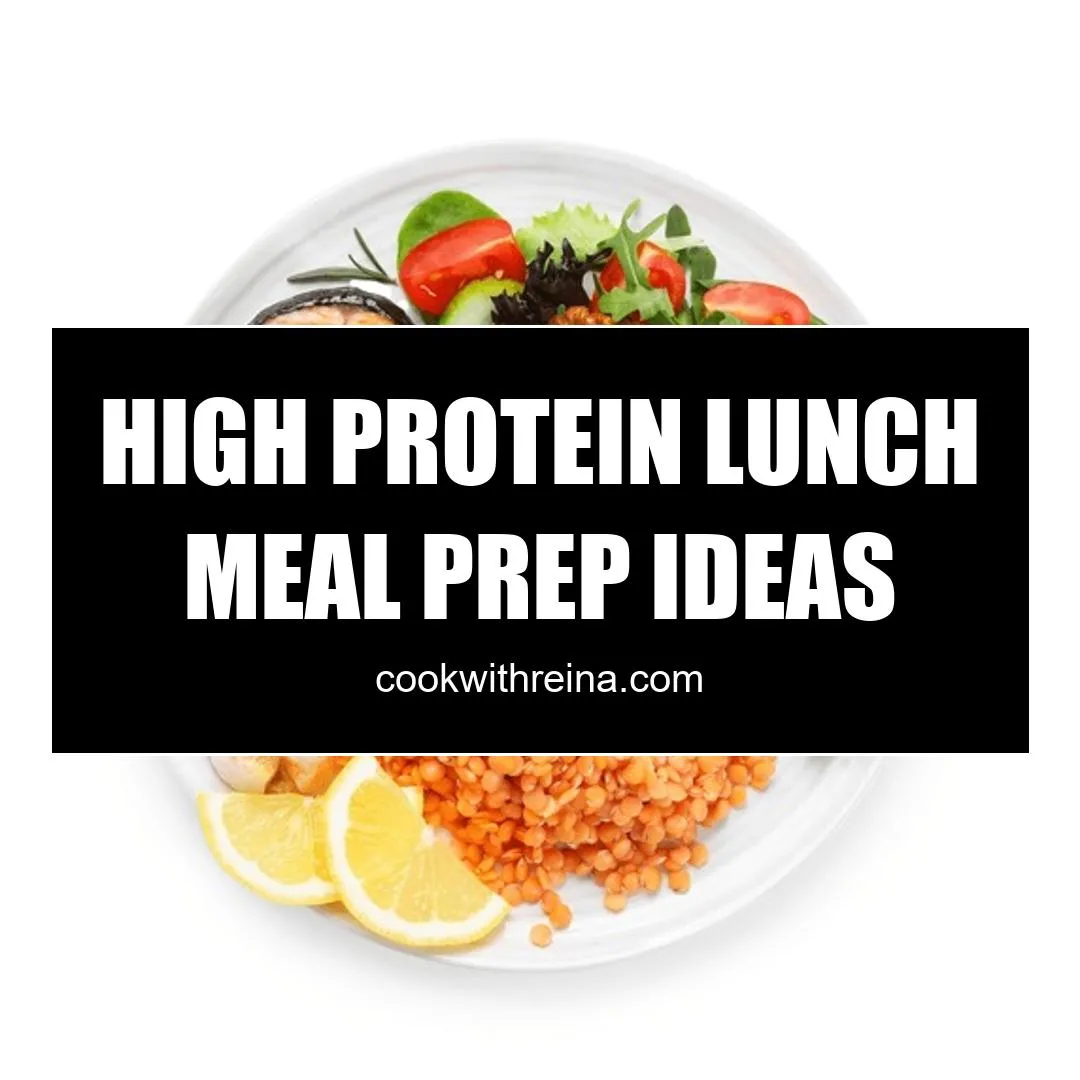
Working long hours in the kitchen, experimenting with countless recipes, I often found myself facing the same dilemma many of you do: what to eat for lunch that is both nutritious and sustains you through a busy afternoon? I remember the days of rushing, grabbing something convenient but ultimately unsatisfying, leaving me sluggish by 3 PM. It was this recurring challenge, this midday energy dip, that truly ignited my focus on practical, high-protein lunch solutions.
This journey led me to embrace meal prepping as a fundamental strategy. It transformed not just my own eating habits but also how I guide my clients toward better health. This article offers a definitive guide to high protein lunch meal prep ideas, ensuring you have delicious, nourishing meals ready to fuel your week without compromise.
How to Make a High-Protein Power Bowl for Meal Prep
This versatile High-Protein Power Bowl serves as an excellent foundation for your weekly meal prep. It combines lean protein, complex carbohydrates, healthy fats, and a bounty of vegetables, offering balanced nutrition and sustained energy. We are building a Chicken & Quinoa Mediterranean Power Bowl today, a favorite that can be easily adapted to your preferences.
Recipe Details
- Prep Time: 30 minutes
- Cook Time: 25 minutes
- Servings: 4
- Course: Main Dish
- Cuisine: Mediterranean-inspired
- Diet: High Protein, Gluten-Friendly (with certified gluten-free quinoa)
Ingredients
- 1.5 lbs boneless, skinless chicken breast or thighs, cut into 1-inch cubes
- 2 tablespoons olive oil, divided
- 1 teaspoon dried oregano
- 1/2 teaspoon garlic powder
- 1/4 teaspoon black pepper
- 1 cup uncooked quinoa
- 2 cups water or low-sodium chicken broth
- 1 large cucumber, diced
- 1 pint cherry tomatoes, halved
- 1/2 red onion, thinly sliced
- 1/2 cup Kalamata olives, pitted and halved
- 1/4 cup fresh parsley, chopped
- 4 tablespoons feta cheese, crumbled (optional)
- Lemon-Tahini Dressing:
- 1/4 cup tahini
- 2 tablespoons fresh lemon juice
- 2 tablespoons water (or more, for desired consistency)
- 1 clove garlic, minced
- 1/4 teaspoon salt
Instructions
- Rinse the quinoa thoroughly under cold water using a fine-mesh sieve. In a medium saucepan, combine the rinsed quinoa and 2 cups of water or broth. Bring to a boil, then reduce heat to low, cover, and simmer for 15 minutes, or until all liquid is absorbed. Remove from heat and let stand, covered, for 5 minutes, then fluff with a fork.
- While the quinoa cooks, prepare the chicken. Pat the chicken pieces dry with paper towels. In a medium bowl, toss the chicken with 1 tablespoon of olive oil, oregano, garlic powder, and black pepper until evenly coated.
- Heat the remaining 1 tablespoon of olive oil in a large non-stick skillet over medium-high heat. Add the seasoned chicken and cook for 6-8 minutes, stirring occasionally, until browned and cooked through. Remove chicken from the skillet and set aside.
- Prepare the vegetables: dice the cucumber, halve the cherry tomatoes, thinly slice the red onion, halve the pitted Kalamata olives, and chop the fresh parsley.
- For the Lemon-Tahini Dressing, whisk together the tahini, lemon juice, water, minced garlic, and salt in a small bowl until smooth and creamy. Add more water, a teaspoon at a time, if a thinner consistency is preferred.
- Assemble the power bowls: Divide the cooked quinoa evenly among four meal prep containers. Top each with equal portions of cooked chicken, diced cucumber, halved cherry tomatoes, sliced red onion, and Kalamata olives. Sprinkle with fresh parsley.
- If using feta cheese, add it to the bowls now, or keep it separate if you prefer. Store the Lemon-Tahini dressing in small, separate containers to prevent the salad from becoming soggy.
- When ready to eat, drizzle the dressing over your power bowl and toss gently to combine.
Nutrition
- Calories: 520 kcal
- Protein: 45 g
- Fat: 24 g
- Carbohydrates: 30 g
- Sugar: 4 g
- Fiber: 6 g
- Sodium: 650 mg
- Cholesterol: 105 mg
Cooking Method
This recipe primarily utilizes stovetop cooking for the quinoa and chicken, with raw vegetable assembly. This combination keeps the cooking active but manageable, allowing you to prepare multiple components simultaneously for efficient meal prepping.
Tools Needed
- Large non-stick skillet
- Medium saucepan with lid
- Fine-mesh sieve
- Mixing bowls (2-3)
- Whisk
- Sharp knife and cutting board
- Four airtight meal prep containers
- Small dressing containers (optional, but recommended)
The Core of Your Fuel: Understanding Protein Sources
Protein is the cornerstone of any effective high-protein lunch meal prep strategy. It keeps you feeling full, supports muscle repair, and stabilizes blood sugar. Understanding the diverse range of protein sources available allows you to create varied and exciting meals throughout your week.
Animal Proteins for Robust Meals
When you think of traditional high-protein options, animal sources often come to mind. These provide complete proteins, meaning they contain all nine essential amino acids your body cannot produce on its own.
- Chicken: Versatile and lean, chicken breast is a go-to. Thighs offer more flavor and moisture. Consider baking, grilling, or shredding for different meal textures.
- Beef: Lean cuts like sirloin or flank steak can be excellent. Slow-cooked shredded beef or finely diced steak add a hearty element to bowls and wraps.
- Fish: Salmon, cod, or tuna provide not just protein but also beneficial omega-3 fatty acids. Canned tuna is a convenient, budget-friendly option for quick prep.
- Eggs: Hard-boiled eggs are a meal prep champion. They are incredibly versatile, inexpensive, and packed with nutrients, perfect for adding to salads or having as a quick snack.
Plant-Based Powerhouses
For those following plant-based diets or simply looking to diversify their protein intake, the plant kingdom offers an abundance of options. These often come with the added benefit of fiber and various micronutrients.
- Legumes: Lentils, chickpeas, and black beans are incredibly economical and versatile. They absorb flavors well and provide a significant protein and fiber punch. Consider cooking a large batch at the start of the week.
- Tofu and Tempeh: These soy-based products are excellent for absorbing marinades. Tofu can be baked, pan-fried, or scrambled, while tempeh offers a firmer, nuttier texture, often used in stir-fries or as a ground meat alternative.
- Edamame: Whole, shelled edamame beans are perfect for quick additions to salads, grain bowls, or as a vibrant side. They are rich in protein and fiber.
Dairy and Beyond
Dairy products and some unique animal-derived options also contribute significantly to your protein goals, offering distinct textures and nutritional profiles.
- Cottage Cheese: High in casein protein, which digests slowly, keeping you full for longer. It can be enjoyed plain, with fruit, or as a savory base for bowls.
- Greek Yogurt: Denser and higher in protein than regular yogurt, it serves as a fantastic base for dressings, parfaits, or even savory dips.
Building a Balanced, Nutrient-Dense High Protein Lunch
While protein is essential, a truly effective meal prep strategy incorporates a variety of macronutrients and micronutrients. Creating a balanced plate ensures sustained energy, optimal digestion, and overall wellness. Your lunch should be a symphony of flavors and textures, not just a single-note performance.
Complex Carbohydrates: Sustained Energy
Complex carbohydrates are your body’s preferred energy source. They release glucose slowly, providing stable blood sugar levels and preventing energy crashes.
- Quinoa: A complete protein itself, quinoa is also a superb complex carbohydrate. Its slightly nutty flavor and fluffy texture make it ideal for power bowls.
- Brown Rice: Offers a chewier texture and a good source of fiber. It pairs well with a variety of global cuisines.
- Sweet Potatoes: Rich in vitamins and fiber, roasted sweet potatoes add a natural sweetness and creamy texture to your meals.
- Whole Grains: Farro, barley, or whole-wheat pasta can also be incorporated as diverse complex carbohydrate bases.
Healthy Fats: Satiety and Flavor
Healthy fats are crucial for hormone production, nutrient absorption, and increasing satiety. They add a richness to your meals that makes them more enjoyable.
- Avocado: Creamy and packed with monounsaturated fats, avocado adds a luxurious texture and healthy boost. Add it right before serving to prevent browning.
- Nuts and Seeds: Almonds, walnuts, chia seeds, flax seeds, and pumpkin seeds are easy additions for crunch and healthy fats. They also contribute fiber and some protein.
- Olive Oil: The base for many dressings and a staple for cooking, extra virgin olive oil offers heart-healthy fats and robust flavor.
Vibrant Vegetables: Fiber and Micronutrients
Vegetables are often overlooked but are vital for a balanced meal. They provide essential vitamins, minerals, and dietary fiber, which aids digestion and promotes fullness.
- Leafy Greens: Spinach, kale, mixed greens, or arugula form a fantastic base for any bowl or salad, providing a wealth of nutrients with minimal calories.
- Bell Peppers: Colorful and crisp, bell peppers add a refreshing crunch and vitamin C. They hold up well in meal prep.
- Broccoli and Cauliflower: These cruciferous vegetables are nutrient powerhouses. Roasting them brings out their natural sweetness and tenderness, making them perfect for prepped meals.
- Other Options: Zucchini, carrots, snap peas, and green beans are all excellent choices that contribute varied textures and nutrients.
The Science Behind Your High Protein Meal Prep
Meal prepping with a focus on protein is not just a trend; it is backed by solid nutritional science. Understanding the mechanisms at play can help you appreciate the profound impact these meals have on your body.
Protein and Satiety: Managing Your Appetite
Protein has a higher thermic effect of food (TEF) compared to carbohydrates and fats, meaning your body expends more energy to digest and metabolize it. This, combined with its effect on satiety hormones like ghrelin and GLP-1, means protein keeps you feeling fuller for longer. A high-protein lunch reduces the likelihood of midday snacking and helps manage your overall calorie intake effectively.
Muscle Maintenance and Metabolism Support
Amino acids, the building blocks of protein, are essential for muscle repair and growth. Regularly consuming adequate protein ensures your body has the necessary resources to maintain muscle mass, especially important if you are active. Muscle tissue is more metabolically active than fat tissue, meaning it burns more calories at rest, thus supporting a healthy metabolism.
Stabilizing Blood Sugar for Consistent Energy
Unlike simple carbohydrates, protein has a minimal impact on blood sugar levels. When paired with complex carbohydrates and healthy fats, protein helps slow down glucose absorption, preventing rapid spikes and subsequent crashes. This leads to more stable energy throughout your afternoon, enhancing focus and productivity and eliminating that dreaded post-lunch slump.
Tailoring Your Meal Prep: Dietary Adaptations and Culinary Variations
One of the great strengths of meal prepping is its adaptability. You can easily adjust recipes to fit specific dietary needs or simply to keep your meals exciting. Our Mediterranean Power Bowl serves as a perfect template for these adjustments.
Gluten-Free Adjustments
For individuals with gluten sensitivities or celiac disease, ensuring all ingredients are gluten-free is paramount. Quinoa is naturally gluten-free, but always check labels on broths, spices, and dressings for hidden gluten-containing additives. Opt for certified gluten-free products to be entirely safe. You can also substitute the quinoa with brown rice or even a base of mixed greens.
Vegan and Vegetarian Options
Transforming our Chicken & Quinoa Mediterranean Power Bowl into a plant-based delight is straightforward. Replace the chicken with baked or pan-fried seasoned tofu, tempeh, or a generous portion of roasted chickpeas. Ensure your dressing uses a plant-based yogurt or tahini and avoid any dairy-derived components like feta cheese, opting for a vegan alternative or nutritional yeast for a cheesy flavor.
Dairy-Free Considerations
If you avoid dairy, simply omit the feta cheese from the recipe. Most tahini dressings are naturally dairy-free. Always double-check ingredient lists on any pre-made components or sauces to ensure no hidden dairy. You can enhance flavor with extra herbs, a squeeze of lemon, or a sprinkle of nutritional yeast.
Low-Sugar Approaches
This power bowl recipe is inherently low in added sugars, relying on natural flavors from vegetables and lemon. To maintain a low-sugar profile, avoid sugary marinades or pre-made dressings. When selecting other meal prep ideas, be mindful of sauces, as they often contain significant amounts of hidden sugars. Focus on fresh herbs, spices, vinegar, and healthy fats for flavor.
Mastering Meal Prep: Expert Tips and Common Mistakes to Avoid
Effective meal prepping is a skill that develops over time. As a chief and dietitian, I have learned numerous strategies that make the process smoother and more successful. Avoiding common pitfalls ensures your efforts are rewarded with delicious and nutritious meals all week.
Batch Cooking Strategies for Efficiency
The key to successful meal prep is efficiency. Dedicate a specific block of time, typically 2-3 hours on a weekend, to cook multiple components. Cook large batches of grains like quinoa or brown rice. Roast a sheet pan full of vegetables. Prepare your protein source, whether it is chicken, fish, or plant-based alternatives, in bulk. Then, assemble your meals into individual containers, making grab-and-go lunches effortless.
Flavor Layering and Seasoning Techniques
Monotony is the enemy of meal prep. To combat this, focus on flavor layering. Use a variety of herbs and spices during cooking. Create different dressings or sauces to add a fresh twist to similar base ingredients throughout the week. A simple squeeze of lime, a sprinkle of fresh cilantro, or a drizzle of a spicy vinaigrette can completely change the profile of a meal.
Smart Storage for Freshness and Safety
Proper storage is critical for both the freshness and safety of your prepped meals. Use airtight containers to prevent spoilage and freezer burn. Allow hot food to cool completely before sealing and refrigerating to prevent condensation buildup, which can lead to sogginess and bacterial growth. Store dressings separately to maintain the crispness of greens and other vegetables.
Preventing Common Prep Pitfalls
- Soggy Salads: Always keep dressings separate until serving. Layer wet ingredients (like tomatoes) on the bottom, followed by grains, protein, and then greens on top.
- Dry Protein: Overcooking is a common issue. Cook proteins just until done. For reheating, a splash of broth or water can help rehydrate.
- Lack of Variety: Do not prep the exact same meal for five days straight unless you enjoy it. Vary your components or dressings slightly to keep things interesting.
- Overwhelm: Start small. Prep only 2-3 days worth of meals initially. As you become more comfortable, gradually increase the quantity.
Serving, Pairing, and Elevating Your Protein-Packed Lunches
Meal prep does not mean sacrificing the enjoyment of your food. Thoughtful serving, pairing, and a few finishing touches can elevate your high-protein lunches from functional to truly delightful.
Creative Serving Suggestions
While power bowls are fantastic, you can repurpose prepped ingredients. Turn your chicken and quinoa into wraps using whole-wheat tortillas, add them to a large salad, or even create lettuce cups for a lighter option. The versatility of your base ingredients allows for multiple presentations, keeping your taste buds engaged.
Complementary Sides and Garnishes
Enhance your meal prep with simple additions. A side of fresh fruit, a handful of raw nuts, or a small portion of plain Greek yogurt can complete your lunch. Garnishes like fresh herbs, a sprinkle of sesame seeds, or a dash of chili flakes add visual appeal and an extra layer of flavor and texture, transforming a simple meal into something special.
Optimal Storage and Reheating Practices
Most high-protein meal prep lunches, especially those with cooked components, will last 3-4 days in the refrigerator when stored in airtight containers. If you plan to prep for longer, consider freezing portions. For reheating, remove any fresh elements like avocado or delicate greens. Microwave until heated through, stirring halfway to ensure even temperature distribution. For crispier textures, some components like roasted vegetables or chicken can be reheated in a toaster oven or air fryer.
Frequently Asked Questions
How long do high-protein meal prep lunches last in the refrigerator?
Most high-protein meal prep lunches, when stored in airtight containers and properly cooled before refrigeration, are safe and fresh for 3-4 days. This timeframe applies to cooked meats, grains, and most vegetables.
Can I freeze prepped high-protein lunches?
Yes, many high-protein meal prep components freeze well. Cooked chicken, lean ground meats, beans, lentils, and sturdy grains like quinoa or brown rice can be frozen for up to 2-3 months. Avoid freezing ingredients with high water content, such as delicate greens or tomatoes, as they tend to become soggy upon thawing.
What are the best protein sources for beginners in meal prepping?
For beginners, excellent protein sources include pre-cooked chicken breast, hard-boiled eggs, canned tuna, and canned chickpeas or black beans. These require minimal preparation and are versatile, making them easy to incorporate into various meal ideas.
How do I ensure my high-protein lunches are not dry?
Prevent dryness by not overcooking your protein. Utilize marinades or sauces to add moisture and flavor. When reheating, a small splash of water or broth can help, and storing dressings separately to add just before eating keeps your components from becoming soggy.
Is high-protein lunch meal prepping suitable for weight loss?
Yes, high-protein lunch meal prepping can be highly effective for weight loss. Protein promotes satiety, which helps reduce overall calorie intake by minimizing hunger and snacking. When combined with complex carbohydrates, healthy fats, and plenty of vegetables, these meals provide balanced nutrition essential for a healthy metabolism.
What if I don’t have much time for elaborate meal prep?
Even with limited time, you can still achieve high-protein lunches. Focus on “mini-prep” by cooking one batch protein (e.g., roast a chicken) and one batch grain (e.g., cook quinoa) to mix with pre-washed greens and store-bought hummus or dressing. Utilizing pre-cut vegetables or canned legumes also saves significant time.
How can I vary my flavors to avoid meal prep fatigue?
Varying flavors is crucial to preventing meal prep fatigue. Rotate your protein sources (chicken, fish, tofu). Experiment with different spice blends (e.g., Mediterranean, Mexican, Asian). Prepare 2-3 distinct dressings or sauces each week to pair with your base components, offering a fresh taste experience each day.