
Finding a condiment that elevates everything from a simple cracker to a prime beef tenderloin can feel like a culinary quest. Many sauces are one-dimensional, but a truly great one adds a complex layer of flavor that makes each bite more interesting. This search for a versatile, deeply flavorful sauce is what led me to the legendary Henry Bain Sauce.
My first encounter with this Kentucky classic was at a friend’s autumn gathering. A small bowl of a dark, richly aromatic sauce sat near a platter of steaks. Its unique, tangy, and slightly spicy profile was unlike any other steak sauce I had tasted. It was immediately clear this was something special, a condiment with a history and a purpose.
This Henry Bain Sauce recipe is more than a list of ingredients. It is a journey into a century-old American culinary tradition. We will explore its origins at the famed Pendennis Club in Louisville, break down the science behind its unique flavor, and provide you with the knowledge to make it perfectly in your own kitchen.
How to Make Henry Bain Sauce Recipe
This is the core method for creating an authentic Henry Bain Sauce. The process is straightforward, but the ingredient selection is paramount. I recommend gathering all your components before you begin to ensure a smooth workflow.
Recipe Details
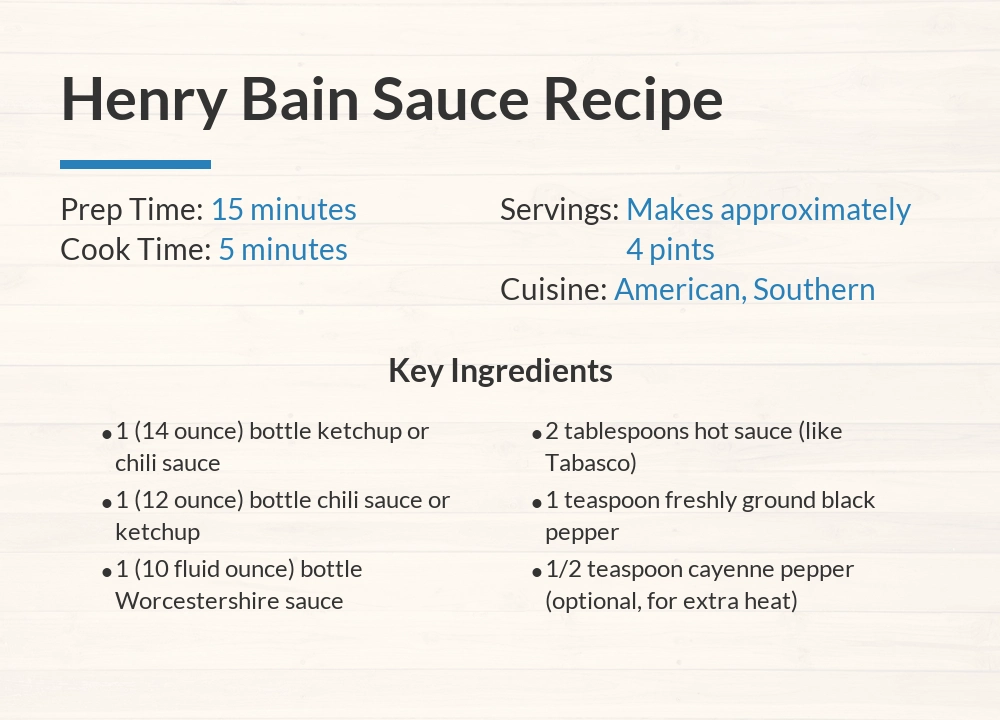
- Prep Time: 15 minutes
- Cook Time: 5 minutes
- Servings: Makes approximately 4 pints
- Course: Condiment, Sauce
- Cuisine: American, Southern
- Diet: Gluten-Free, Vegetarian
Ingredients
- 1 (14 ounce) bottle ketchup or chili sauce
- 1 (12 ounce) bottle chili sauce or ketchup
- 1 (10 fluid ounce) bottle Worcestershire sauce
- 1 (10 fluid ounce) bottle steak sauce (like A1)
- 4 tablespoons pickled walnuts, chopped (from a 4 1/2 ounce jar)
- 2 tablespoons hot sauce (like Tabasco)
- 1 teaspoon freshly ground black pepper
- 1/2 teaspoon cayenne pepper (optional, for extra heat)
- 4 tablespoons bourbon (optional, but traditional)
Instructions
- Gather all your ingredients. If using pickled walnuts, remove them from their liquid and chop them finely. This ensures their flavor distributes evenly throughout the sauce.
- In a medium-sized non-reactive pot or bowl, combine the ketchup, chili sauce, Worcestershire sauce, and steak sauce. Whisk them together until the mixture is smooth and uniform in color.
- Add the chopped pickled walnuts, hot sauce, black pepper, and optional cayenne to the base mixture. Stir thoroughly to incorporate all elements.
- For a traditional preparation, you can serve the sauce immediately without cooking. For a more melded, deeper flavor, gently heat the mixture in a pot over low heat for 5 minutes, stirring constantly. Do not allow it to boil.
- If using bourbon, stir it in after you have removed the sauce from the heat. This preserves the bourbon’s distinct character.
- Allow the sauce to cool completely before transferring it to clean glass jars or bottles. This resting period allows the flavors to marry and develop fully.
Nutrition
- Calories: 25 kcal
- Protein: 0.5 g
- Fat: 0.1 g
- Carbohydrates: 5 g
- Sugar: 4 g
- Fiber: 0.2 g
- Sodium: 350 mg
- Cholesterol: 0 mg
Cooking Method
The primary method for this sauce is blending and optional simmering. It is a cold-processed condiment at its heart, meaning the ingredients are combined without heat. A brief, gentle heat application is used only to meld flavors more quickly, not to cook the ingredients through.
You are essentially creating a sophisticated blend of prepared sauces and aromatics. The key is balance, ensuring no single component overpowers the others. The slow integration of flavors over time is what makes this sauce exceptional.
Tools Needed
- Medium-sized mixing bowl or non-reactive pot (stainless steel or enamel)
- Whisk
- Measuring cups and spoons
- Sharp knife and cutting board (for chopping walnuts)
- Funnel (for easy bottling)
- Glass jars or bottles with airtight lids for storage
The Story Behind the Sauce
Henry Bain was a head waiter at Louisville’s prestigious Pendennis Club in the early 20th century. His role was not just service; he was a curator of the dining experience. The story goes that he created this distinctive sauce to complement the game meats that were popular among the club’s members at the time.
He aimed for a condiment that could stand up to robust flavors like venison and wild fowl. The original concoction was likely a house secret, mixed in the club’s kitchen and served tableside. It was never intended for commercial sale, which added to its mystique and allure.
Over the decades, the sauce became synonymous with the Pendennis Club and Kentucky Derby celebrations. Its popularity ensured the recipe was shared and adapted, moving from a private club specialty to a beloved regional staple. Understanding this history gives context to the sauce’s bold, unapologetic flavor profile.
Ingredient Deep Analysis
Each component in Henry Bain Sauce plays a specific role. Altering one can shift the entire balance of the final product. Let’s examine why these particular ingredients were chosen and how they interact.
Chutney and Pickled Walnuts
This is the most distinctive element. Pickled walnuts are immature walnuts brined in spiced vinegar. They provide a unique tangy, slightly sour, and complex flavor that is irreplaceable. Their texture also adds a subtle body to the sauce.
If you cannot find pickled walnuts, a good quality Major Grey’s style mango chutney is the most common and acceptable substitute. The chutney provides the necessary sweet and sour fruit notes, though the flavor profile will be different, leaning sweeter.
Ketchup and Chili Sauce
These form the sweet and tangy tomato base of the sauce. Ketchup provides a consistent sweetness and viscosity. Chili sauce, which is typically a bit chunkier and spicier than ketchup, adds another layer of tomato flavor and a subtle heat.
Many recipes use a combination of both to achieve a balanced sweetness and acidity. The brand can matter here; Heinz ketchup is a standard for its consistent flavor and texture, which helps in replicating the classic taste.
Worcestershire and Steak Sauce
Worcestershire sauce is the umami engine. Its fermented anchovies, tamarind, and spices deliver a deep, savory flavor that forms the backbone of the sauce’s complexity. Steak sauce, like A1, contributes its own blend of spices, vinegar, and raisin or tomato paste, reinforcing the savory-sweet profile.
Using a high-quality, bourbon-barrel-aged Worcestershire sauce can add an incredible depth of flavor, tying in beautifully if you choose to add bourbon to the recipe.
Hot Sauce and Pepper
Heat is a supporting actor, not the star. A vinegar-based hot sauce like Tabasco or a dash of habanero sauce provides a sharp, clean heat that cuts through the richness. Freshly ground black pepper and a pinch of cayenne offer a warmer, earthier spice.
The goal is a gentle warmth that builds on the palate, not an overwhelming burn. This layered approach to heat is a hallmark of well-crafted savory sauces.
Bourbon
While optional in some modern home recipes, bourbon is a natural addition given the sauce’s Kentucky roots. It introduces a sweet, oaky, and slightly smoky note. The alcohol itself evaporates or integrates, leaving behind its characteristic flavor.
Add it off the heat to preserve its aromatic qualities. It acts as a flavor bridge, connecting the sweet, sour, and savory elements into a harmonious whole.
Nutritional Perspective
As a condiment, Henry Bain Sauce is used in small quantities, but its nutritional impact is worth understanding. The primary consideration is sodium content, derived from the Worcestershire, steak, and chili sauces.
Using low-sodium versions of these base sauces can significantly reduce the overall sodium level without sacrificing too much flavor. The sauce contains a small amount of sugar from the ketchup and chutney, but again, portion control is key.
From a positive standpoint, the inclusion of ingredients like Worcestershire sauce can contribute trace minerals, and the spices may offer minor metabolic benefits. View this sauce as a flavor enhancer that allows you to enjoy lean proteins like chicken and beef without relying on heavy creams or butter-based sauces.
Dietary Modifications
This classic recipe is adaptable to various dietary needs without losing its essential character.
Gluten-Free Adaptation
The main concern is the Worcestershire sauce, as traditional brands often contain malt vinegar from barley. Ensure you use a certified gluten-free Worcestershire sauce. Most major brands now offer a gluten-free version. Check the steak sauce label as well.
Vegan and Vegetarian Adaptation
Standard Worcestershire sauce contains anchovies. To make the sauce vegetarian or vegan, you must use an anchovy-free Worcestershire sauce. These are widely available in health food stores and many supermarkets. All other core ingredients are typically plant-based.
Low-Sugar Version
For a reduced-sugar profile, seek out no-sugar-added ketchup and chili sauce. Be aware that this will alter the sweet-tangy balance, so you may need to adjust with a touch more vinegar or a non-caloric sweetener that holds up to heating.
Common Preparation Errors
Avoiding these simple mistakes will ensure your sauce turns out perfectly every time.
Do not boil the sauce if you choose to heat it. Boiling can cause the sugars in the ketchup and chili sauce to caramelize too quickly and can make the sauce taste bitter. A gentle warm-through is all that is required.
Do not skip the chopping of the pickled walnuts. Large pieces will create an inconsistent texture and can be overwhelming in a single bite. A fine chop ensures their flavor is distributed evenly.
Allow the sauce to rest. Using it immediately after mixing is possible, but the flavor will be disjointed. Allowing it to sit, refrigerated, for at least a few hours or up to a week lets the sharp edges of the vinegar and spices soften and meld together.
Serving and Pairing Ideas
Henry Bain Sauce’s versatility is its greatest strength. It transcends its original purpose as a game sauce.
With Meats
It is a natural companion for beef. Serve it with steak, prime rib, or beef tenderloin. It also works wonderfully as a baste or finishing glaze for grilled chicken, pork chops, or even roasted turkey, making it a fantastic addition to a Thanksgiving table.
As an Appetizer Component
This is where the sauce truly shines. A block of cream cheese topped with a generous layer of Henry Bain Sauce, served with crackers or crostini, is a classic and effortless appetizer. The cool, rich cheese provides a perfect canvas for the tangy, spicy sauce.
You can also use it as a dip for meatballs, a spread on a roast beef sandwich, or a burger sauce. Try it with a bagel topped with cream cheese and a thin layer of the sauce for a unique savory breakfast.
Storage and Shelf Life
Due to its high vinegar and sugar content, this sauce preserves well. Store it in airtight containers in the refrigerator. Properly stored, it will keep for up to three weeks.
The flavors will continue to develop and deepen over the first few days. For longer storage, it can be frozen for up to three months. Thaw it overnight in the refrigerator before use.
Frequently Asked Questions
What is Henry Bain Sauce?
Henry Bain Sauce is a piquant, tangy condiment originating from the Pendennis Club in Louisville, Kentucky. It is a blend of various sauces, pickled walnuts, and spices, known for its complex flavor that pairs with meats and appetizers.
Why is this sauce important?
It is a piece of American culinary history, representing the sophisticated “club cuisine” of the early 1900s. Its enduring popularity, especially around the Kentucky Derby, has made it a cultural touchstone in the South.
I can’t find pickled walnuts. What can I use?
The most common and effective substitute is 4 to 5 tablespoons of a good mango chutney, finely chopped. While the flavor will be different, it provides the necessary sweet, sour, and fruity element that defines the sauce’s character.
Does the sauce need to be cooked?
No, it does not require cooking. The original was likely a cold-mixed sauce. Gently heating it simply helps the flavors meld more quickly. For the best results, mix it cold and let it rest in the refrigerator for at least 12 hours before serving.
How long can I keep homemade Henry Bain Sauce?
When stored in a clean, airtight jar in the refrigerator, the sauce will maintain its best quality for about three weeks. Always use clean utensils when scooping it out to prevent contamination.
Can I make a large batch for a party?
Absolutely. This recipe scales very easily. It is an excellent make-ahead option for entertaining, as its flavor improves over time. Simply multiply the ingredients proportionally and mix in a large bowl.
Is Henry Bain Sauce spicy?
It has a mild to moderate level of heat, which is more of a warm background note than a prominent burn. You can easily control the spice level by adjusting the amount of hot sauce and cayenne pepper to suit your preference.