
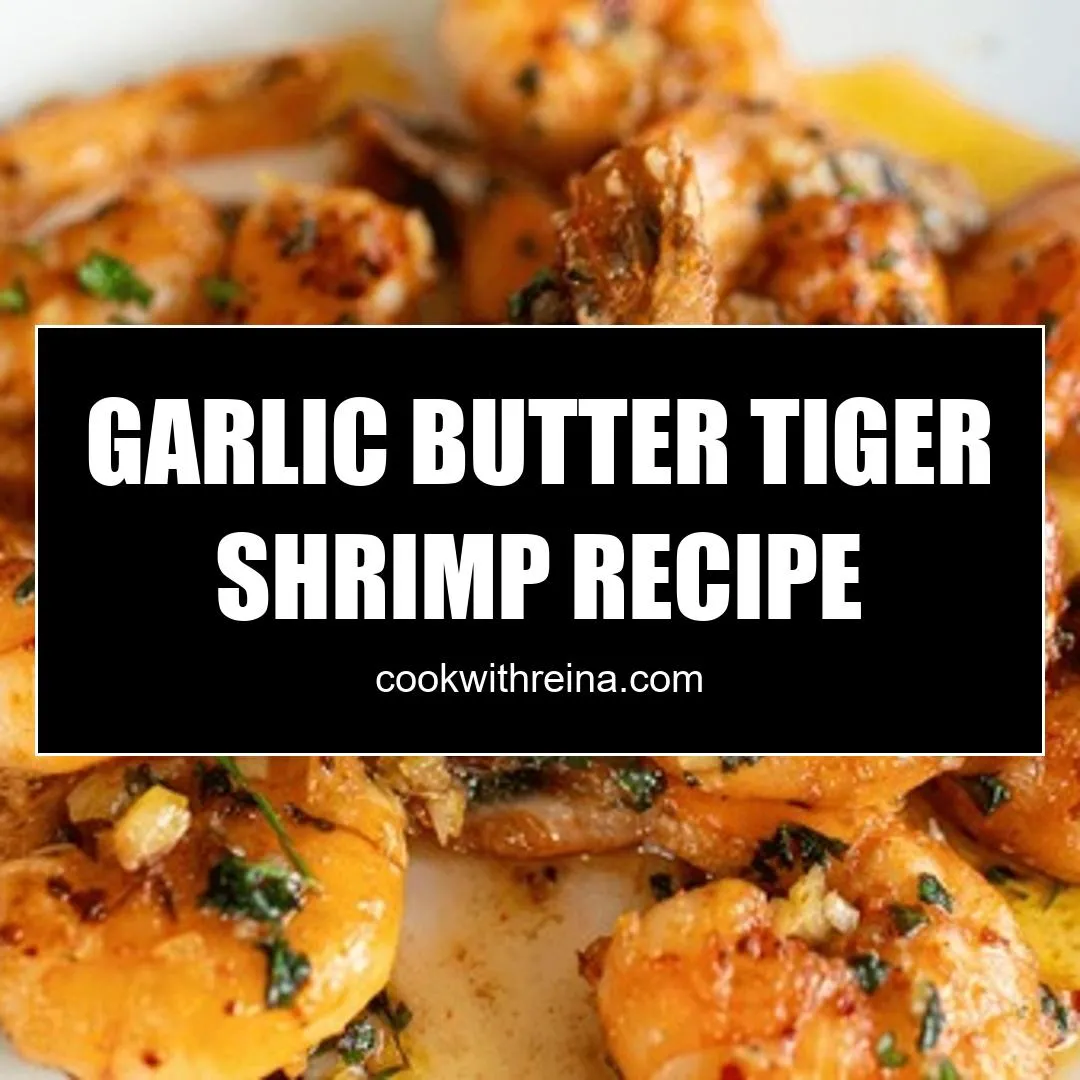
I remember the first time I tried garlic butter tiger shrimp. It was at a seaside spot, and the flavors hit just right—simple yet bold. If you want a quick dinner that packs protein and tastes amazing, this recipe delivers.
We’ll start with the full recipe right here. It uses fresh tiger shrimp, garlic, and butter for that rich sauce. Follow the steps, and you’ll have a meal ready in under 20 minutes.
How to Make Garlic Butter Tiger Shrimp
Recipe Details
- Prep Time: 10 minutes
- Cook Time: 10 minutes
- Servings: 4
- Course: Main Dish
- Cuisine: Seafood
- Diet: Gluten-Free, Low-Carb
Ingredients
- 1 lb (450 g) fresh tiger shrimp, peeled and deveined
- 4 tablespoons unsalted butter
- 4 cloves garlic, minced
- 2 tablespoons fresh lemon juice
- 1/4 cup chopped fresh parsley
- Salt and black pepper to taste
- 1 tablespoon olive oil
- Optional: 1/4 teaspoon red pepper flakes for heat
Instructions
- Pat the shrimp dry with paper towels. Season with salt and pepper on both sides.
- Heat olive oil in a large skillet over medium-high heat. Add the shrimp in a single layer. Cook for 1-2 minutes per side until pink and opaque. Remove shrimp and set aside.
- In the same skillet, melt the butter over medium heat. Add minced garlic and cook for 1 minute until fragrant, stirring often to avoid burning.
- Stir in lemon juice and red pepper flakes if using. Return the shrimp to the skillet. Toss to coat evenly, cooking for another 1-2 minutes.
- Remove from heat. Sprinkle with chopped parsley. Serve immediately.
Nutrition
- Calories: 250 kcal per serving
- Protein: 24 g
- Fat: 16 g
- Carbohydrates: 3 g
- Sugar: 0 g
- Fiber: 0 g
- Sodium: 450 mg
- Cholesterol: 220 mg
Cooking Method
This recipe uses pan-searing for a quick sear that locks in juices. The butter and garlic infuse flavor as they melt together. Lemon adds brightness to balance the richness.
Tools Needed
- Large skillet
- Spatula or tongs
- Knife and cutting board for garlic and parsley
- Measuring spoons and cups
Choosing Your Ingredients
Selecting Tiger Shrimp
Tiger shrimp come from warm waters in the Indo-Pacific. They have distinctive dark stripes and a firm texture that holds up in cooking. Look for fresh ones with a slight sea smell, not fishy. If buying frozen, thaw them in cold water to keep the meat tender. Size matters—larger shrimp (16-20 count per pound) give a meatier bite in this dish.
Understanding Garlic and Butter
Garlic brings a pungent, earthy note that mellows when cooked in butter. Use fresh bulbs for the best aroma; avoid pre-minced jars, as they lack intensity. Unsalted butter lets you control salt levels and prevents the sauce from becoming too salty. Grass-fed butter adds a subtle nutty flavor that pairs well with seafood.
Parsley and lemon provide freshness. Opt for flat-leaf parsley over curly for bolder taste. Fresh lemons yield more juice and zest if you want extra citrus punch.
The Nutrition Behind Garlic Butter Tiger Shrimp
This dish shines in a balanced diet because of its high protein from shrimp. Each serving gives about 24 grams, which supports muscle repair and keeps you full. The healthy fats in butter and olive oil aid absorption of fat-soluble vitamins.
Garlic offers antioxidants like allicin, which may support heart health by lowering blood pressure. Shrimp provides selenium and omega-3s for immune function. Overall, it’s low in carbs, making it suitable for keto or low-glycemic plans. Watch portions if sodium intake is a concern due to natural levels in shrimp.
From my experience as a dietitian, pairing this with veggies boosts fiber and micronutrients without adding many calories.
Adapting for Your Diet
Gluten-Free and Dairy-Free Options
This recipe is naturally gluten-free. For dairy-free, swap butter for a plant-based alternative like coconut oil or vegan butter. It keeps the richness without lactose.
Low-Carb and Vegan Swaps
It’s already low-carb. For vegan, replace shrimp with king oyster mushrooms or tofu, sliced to mimic texture. Use vegetable broth instead of butter for sautéing to maintain moisture.
Lower-Calorie Adjustments
Reduce butter to 2 tablespoons and add more lemon for flavor. Use Greek yogurt in place of some butter for creaminess with less fat. These changes cut calories while preserving taste.
The Story of Garlic Butter Tiger Shrimp
Garlic butter sauces trace back to French and Italian coastal cooking, where butter enhanced fresh catches. Tiger shrimp, native to Southeast Asia, gained popularity in the 20th century through global trade. This recipe blends those influences into a modern staple, often seen in Mediterranean-inspired seafood dishes. In places like Thailand, similar preparations use local prawns with garlic and herbs, showing how simple ingredients adapt across cultures.
Common Mistakes and Expert Tips
Avoiding Overcooking
Shrimp cook fast—overdo it, and they turn rubbery. Check for pink color and a C-shape; an O-shape means they’re tough. I always pull them off heat early and let residual warmth finish the job.
Expert Tips for Flavor
Minced garlic burns easily, so add it after oil heats but before butter melts fully. Taste the sauce before serving and adjust lemon for acidity. For deeper flavor, marinate shrimp in garlic and oil for 15 minutes beforehand.
Don’t crowd the pan; cook in batches if needed to maintain heat and prevent steaming.
Serving, Pairing, and Storage
Serving Suggestions
Serve over rice or with crusty bread to soak up the sauce. Add a side of steamed broccoli or asparagus for color and crunch.
Pairing Ideas
A crisp white wine like Sauvignon Blanc cuts through the buttery richness. For non-alcoholic, try sparkling water with lemon. If you’re into beers, a light pilsner works.
Storage and Reheating
Store leftovers in an airtight container in the fridge for up to 2 days. Reheat gently in a skillet over low heat with a splash of water to revive the sauce. Avoid microwaving to prevent tough shrimp.
The Science of Garlic Butter Tiger Shrimp
When garlic meets heat, allicin forms, releasing that signature aroma. Butter’s milk solids brown slightly, creating depth via the Maillard reaction. Shrimp proteins denature quickly at 140°F (60°C), which is why high heat sears without drying. Lemon’s acid denatures proteins too, tenderizing the shrimp in the sauce.
Understanding this helps you time steps precisely for the best texture.
Frequently Asked Questions
Can I use frozen tiger shrimp for this recipe?
Yes, thaw them in cold water for 10-15 minutes first. Pat dry to remove excess moisture, which prevents splattering and ensures a good sear.
Is garlic butter tiger shrimp keto-friendly?
It is, with under 3 grams of carbs per serving. The high protein and fats fit keto macros well.
How do I know when the shrimp are done cooking?
They’re done when pink and firm, curling into a C-shape. Internal temperature should reach 145°F (63°C). Overcooking makes them curl tightly like an O.
Can I make this recipe ahead of time?
Prep ingredients up to a day ahead, but cook fresh. The sauce doesn’t reheat as well if made in advance.
What if I don’t have fresh parsley?
Use dried parsley (1 teaspoon per 1/4 cup fresh) or skip it. Cilantro works as a substitute for a different herb note.
Is this recipe spicy?
Not by default, but add red pepper flakes for heat. Start with 1/4 teaspoon and adjust to taste.
How many calories are in the full recipe?
About 1,000 kcal total for 4 servings, mainly from butter and shrimp. It varies slightly with exact measurements.
Can I grill the shrimp instead of pan-searing?
Yes, preheat grill to medium-high. Thread shrimp on skewers and grill 2 minutes per side, then toss in garlic butter off heat.