
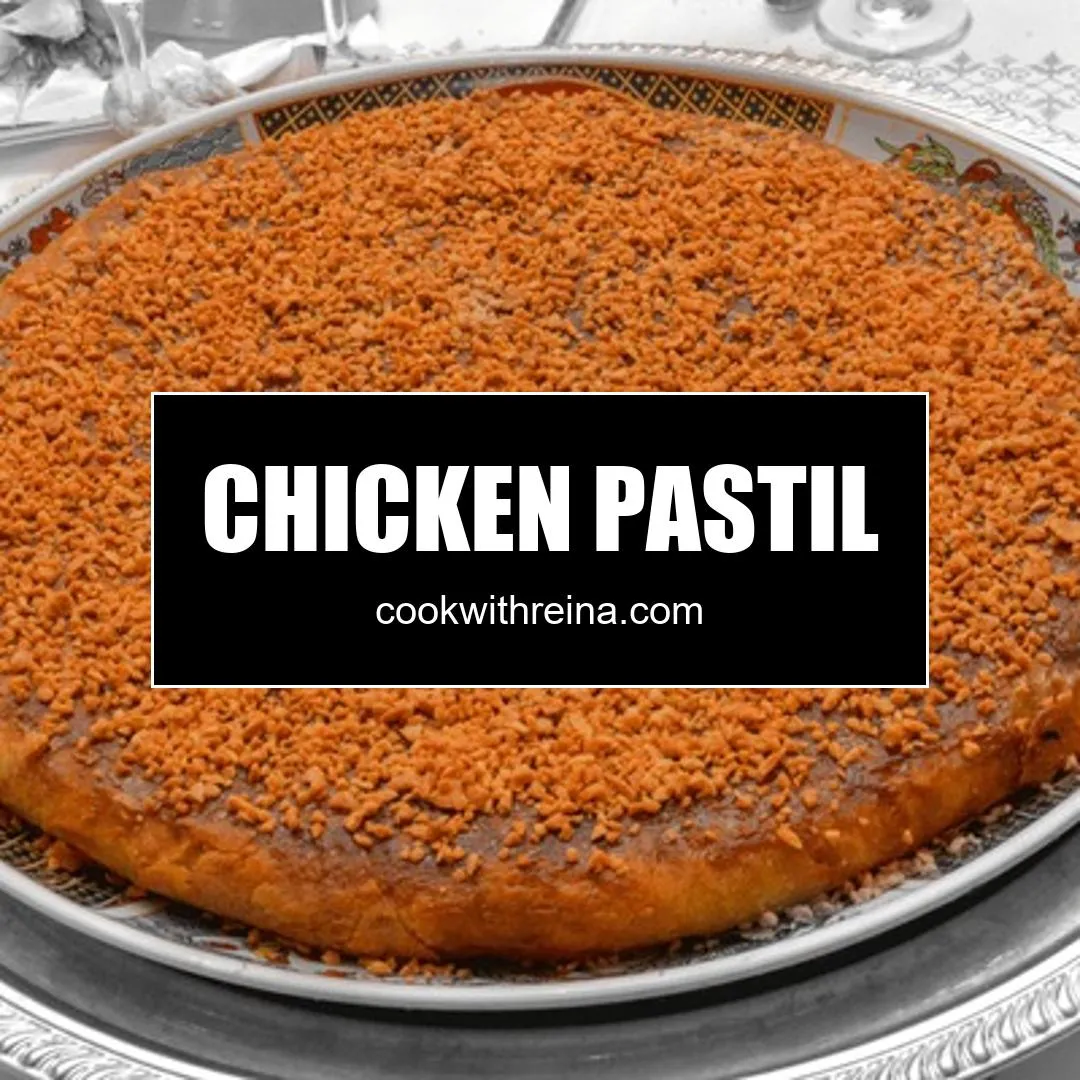
You might need a quick, filling meal that’s easy on your schedule but packed with flavor. Chicken pastil fits that bill perfectly—it’s a Filipino wrapped chicken dish that comes together in under an hour. I’ll walk you through the full recipe right here so you can get started without delay.
This version uses tender chicken, aromatic rice, and simple spices, all bundled in banana leaves for that authentic touch. It’s balanced for everyday eating, with lean protein and whole grains to keep you satisfied.
How to Make Chicken Pastil
Recipe Details
- Prep Time: 20 minutes
- Cook Time: 30 minutes
- Servings: 4
- Course: Main Dish
- Cuisine: Filipino
- Diet: Gluten-Free (if using tamari instead of soy sauce)
Ingredients
- 2 cups cooked jasmine rice, cooled
- 2 boneless, skinless chicken breasts (about 1 lb), diced
- 1 tablespoon vegetable oil
- 1 onion, finely chopped
- 3 cloves garlic, minced
- 1 tablespoon soy sauce
- 1 teaspoon calamansi juice (or lemon juice)
- 1/2 teaspoon ground black pepper
- 4 large banana leaves, cut into 12-inch squares and softened over heat
- 2 hard-boiled eggs, sliced (optional)
- 1/4 cup raisins (optional, for subtle sweetness)
- Salt to taste
Instructions
- Heat the oil in a large pan over medium heat. Add the chopped onion and garlic, and sauté until soft and fragrant, about 3 minutes.
- Add the diced chicken to the pan. Cook, stirring often, until the chicken turns golden and is no longer pink inside, around 8-10 minutes. Season with soy sauce, calamansi juice, black pepper, and salt.
- Mix in the cooked rice, stirring to coat everything evenly. If using raisins, add them now and cook for another 2 minutes to blend the flavors. Remove from heat and let it cool slightly.
- Prepare the banana leaves by passing them quickly over a gas flame or in hot water to make them pliable. Lay one square flat.
- Scoop about 1/2 cup of the chicken-rice mixture onto the center of each leaf. Top with a slice of hard-boiled egg if desired.
- Fold the sides of the banana leaf over the filling to form a neat packet, securing with kitchen twine if needed. Repeat for all servings.
- Steam the packets in a steamer basket over boiling water for 10-15 minutes to meld the flavors. Serve hot, unwrapped at the table.
Nutrition
- Calories: 350 kcal per serving
- Protein: 25 g
- Fat: 10 g
- Carbohydrates: 45 g
- Sugar: 2 g
- Fiber: 3 g
- Sodium: 450 mg
- Cholesterol: 120 mg
Cooking Method
The method relies on stir-frying for quick cooking and steaming in banana leaves to infuse subtle earthy notes without added fats. This keeps the dish light while locking in moisture.
Tools Needed
- Large skillet or wok
- Steamer basket or pot with lid
- Sharp knife and cutting board
- Kitchen twine (optional)
- Measuring cups and spoons
Choosing Your Ingredients
Picking the Best Chicken
Go for fresh, boneless chicken breasts to ensure even cooking and tenderness. Free-range options add a richer flavor from varied diets, and they often have higher nutrient density, like more omega-3s. Avoid frozen if possible—thaw fully to prevent uneven texture in the filling.
Chicken thighs work as a swap for juicier results, though they bump up the fat content slightly. Always pat dry before cooking to get that nice sear.
Rice and Wrappers: What Matters
Jasmine rice brings a soft, fragrant base that absorbs seasonings well—its medium grain holds up during steaming without turning mushy. Cook it ahead and fluff to avoid clumps.
Banana leaves are key for authenticity; they impart a mild, grassy aroma that aluminum foil can’t match. Source fresh ones from Asian markets, or use parchment paper as a backup, though it misses the natural infusion.
Seasonings and Add-Ins
Soy sauce provides umami depth, but low-sodium versions cut salt without losing taste. Calamansi juice adds bright acidity to balance richness—lime works in a pinch but brings a sharper edge.
For extras like eggs or raisins, choose organic eggs for better yolks and unsulfured raisins to keep sugars natural. These boost protein or add chew without overpowering the dish.
The Nutrition Behind Chicken Pastil
This dish delivers a solid mix of protein from chicken and carbs from rice, making it ideal for steady energy. The lean meat supplies about 25 grams of protein per serving, which supports muscle repair and keeps you full longer.
Vegetable oil keeps fats in check at 10 grams, mostly unsaturated for heart health. Banana leaves contribute trace antioxidants during steaming, enhancing the overall nutrient profile without extra calories.
Fiber from the rice and optional raisins aids digestion, while the low sugar (just 2 grams) suits balanced eating. It’s naturally low in processed ingredients, so it fits into plans focused on whole foods.
The Story of Chicken Pastil
Chicken pastil traces back to Mindanao in the southern Philippines, where it’s tied to Maranao culture. It started as a portable meal for travelers, wrapped in banana leaves to stay fresh in the tropical heat.
The name comes from the local way of bundling food, evolving from simple rice and meat packs to include flavors like soy and citrus. Over time, it spread across Filipino communities, adapting to available ingredients while keeping its wrapped, on-the-go essence.
In history, these packets fueled long journeys and communal gatherings, reflecting resourcefulness in using local leaves for both cooking and serving.
Adapting for Your Diet
Gluten-Free and Vegan Options
Swap soy sauce for tamari to make it gluten-free—most brands are naturally without gluten. For vegan, use tofu or tempeh instead of chicken, marinated in the same seasonings for similar texture.
Keep the rice base intact; it’s naturally gluten-free. These changes maintain the 350 kcal range while preserving flavor.
Low-Sodium or Dairy-Free Tweaks
Reduce sodium by halving the soy sauce and relying on garlic for punch—aim for under 300 mg per serving. It’s already dairy-free, but if adding eggs, skip for an egg-free version too.
For lower carbs, cut rice to 1 cup and add more veggies like diced carrots, dropping carbs to 30 grams.
Common Mistakes and Expert Tips
One frequent issue is overcooking the chicken, which dries it out—stick to medium heat and check doneness early. Another is skipping the banana leaf softening; rigid leaves tear easily, so heat them gently.
For best results, season the rice mixture while warm so flavors penetrate fully. If steaming, ensure water doesn’t touch the packets to avoid sogginess.
I find adding a dash of turmeric enhances color and anti-inflammatory benefits without altering taste. Test doneness by gently pressing a packet—it should feel firm but yielding.
Serving, Pairing, and Storage
Serve chicken pastil straight from the steamer for maximum aroma, unwrapping at the table to reveal the neat bundle. Pair it with a fresh cucumber salad or atchara (pickled papaya) to cut richness with acidity.
For drinks, iced green tea complements the savory notes, or try coconut water for hydration in hot weather.
Store leftovers in the fridge, still wrapped, for up to 3 days—reheat by steaming to restore moisture. Freeze for a month by double-wrapping; thaw overnight before reheating.
The Science of Chicken Pastil
Steaming in banana leaves creates a micro-environment where vapors redistribute moisture, keeping the filling tender. The leaves’ tannins subtly tenderize proteins through mild acidity during heat exposure.
Stir-frying first caramelizes sugars in the onions, building depth via the Maillard reaction, which boosts savory compounds without high heat.
This combo ensures even nutrient retention—proteins stay intact, and rice’s starches gelatinize for better digestibility.
Frequently Asked Questions
What is chicken pastil?
Chicken pastil is a Filipino dish of seasoned chicken and rice wrapped in banana leaves, steamed for flavor. It’s a staple in Mindanao, known for its portability and balanced taste.
Can I make chicken pastil without banana leaves?
Yes, use parchment paper or foil as a substitute, though you’ll miss the earthy infusion. Steam as directed for similar results.
Is chicken pastil healthy?
It can be, with lean protein and whole grains providing 350 kcal and 25 g protein per serving. Opt for low-sodium swaps to keep it nutrient-dense.
How long does chicken pastil last in the fridge?
Up to 3 days when stored wrapped in an airtight container. Reheat by steaming to maintain texture.
What’s the difference between chicken pastil and lumpia?
Pastil focuses on rice and chicken in steamed leaf packets, while lumpia is a fried or fresh spring roll with veggies and meat. Pastil emphasizes steaming for subtlety.
Can I bake chicken pastil instead of steaming?
You can bake at 350°F for 20 minutes, but steaming preserves moisture better. Foil helps if baking.
Is chicken pastil spicy?
Traditional versions aren’t; it’s savory with mild tang. Add chili flakes if you want heat.
How do I soften banana leaves?
Pass them over a low flame or dip in hot water for 10 seconds until pliable. This prevents cracking during folding.