
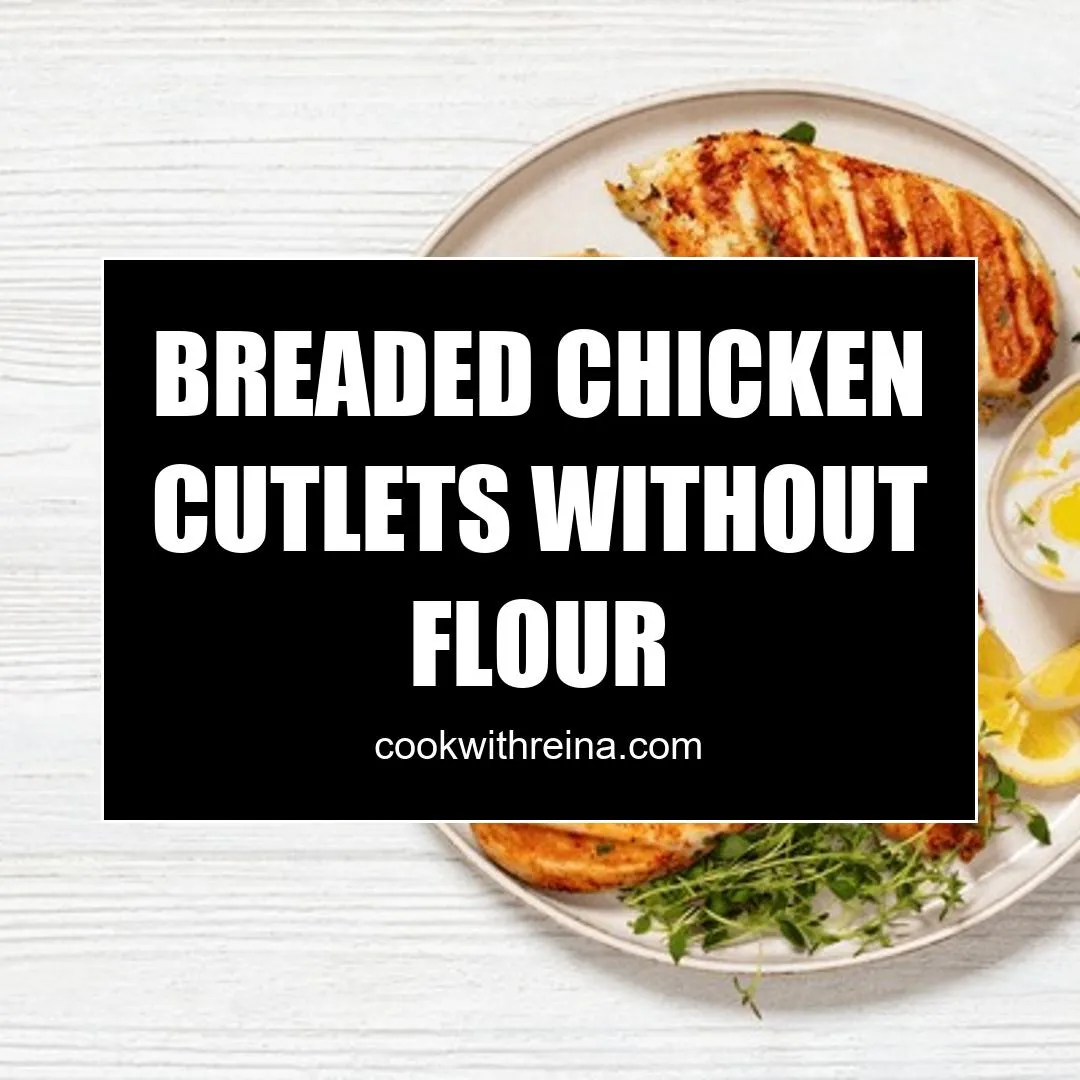
When you want crispy chicken but skip the flour, almond flour and crushed pork rinds do the trick. I use this method for a lighter take on the classic cutlet. It keeps the crunch without the gluten.
Here’s the basic recipe right up front. Pound chicken breasts thin, dip in egg, coat with the mix, and pan-fry. You’ll get golden results in under 30 minutes.
This approach fits many diets. It supports low-carb eating and avoids wheat. Let’s break it down step by step.
How to Make Breaded Chicken Cutlets Without Flour
I start with fresh chicken and simple coatings. This keeps things straightforward in the kitchen. You end up with tender meat and a satisfying crust.
Recipe Details
- Prep Time: 10 minutes
- Cook Time: 15 minutes
- Servings: 4
- Course: Main Dish
- Cuisine: American
- Diet: Gluten-Free, Low-Carb, Keto-Friendly
Ingredients
- 4 boneless, skinless chicken breasts (about 1.5 pounds total)
- 2 large eggs
- 1 cup almond flour
- 1/2 cup crushed pork rinds
- 1 teaspoon garlic powder
- 1 teaspoon paprika
- 1/2 teaspoon salt
- 1/4 teaspoon black pepper
- 2 tablespoons olive oil or avocado oil (for frying)
Instructions
- Pound the chicken breasts to 1/4-inch thickness between two sheets of plastic wrap using a meat mallet. This ensures even cooking.
- In a shallow bowl, beat the eggs until smooth.
- In another shallow bowl, mix the almond flour, crushed pork rinds, garlic powder, paprika, salt, and pepper.
- Dip each chicken piece in the egg, letting excess drip off, then coat thoroughly in the almond flour mixture. Press gently to adhere.
- Heat the oil in a large skillet over medium heat. Fry the cutlets for 4-5 minutes per side until golden and the internal temperature reaches 165°F.
- Drain on paper towels and serve hot.
Nutrition
Per serving (one cutlet):
- Calories: 320 kcal
- Protein: 35 g
- Fat: 18 g
- Carbohydrates: 4 g
- Sugar: 1 g
- Fiber: 2 g
- Sodium: 450 mg
- Cholesterol: 180 mg
Cooking Method
Pan-frying gives the best crisp. The oil should shimmer but not smoke. For a healthier option, bake at 400°F for 20 minutes, flipping halfway. Air frying at 375°F for 12-15 minutes works too—spray with oil for crunch.
Tools Needed
- Meat mallet or rolling pin
- Shallow bowls (two for dredging)
- Large skillet or frying pan
- Tongs
- Meat thermometer
- Paper towels
Understanding the Key Ingredients
Each part of this coating plays a role. I choose almond flour for its mild nutty taste and fine texture. It binds well without adding carbs.
Almond Flour: The Base Coating
Almond flour comes from ground blanched almonds. It’s naturally gluten-free and packs vitamin E and healthy fats. In this recipe, it creates a light breading that browns evenly. Finer grinds work best—coarser ones can make the crust grainy.
Crushed Pork Rinds: For Extra Crunch
Pork rinds are fried pork skin, zero-carb and high-protein. I crush them fine for texture like panko but without grains. They add a savory umami flavor. If you prefer, swap with crushed nuts for a different bite.
Eggs and Seasonings: Binding and Flavor
Eggs act as the glue, helping the coating stick. I season with basics like garlic powder for depth and paprika for color. Salt and pepper balance it all. Fresh herbs can elevate the taste if you have them.
Nutritional Benefits of This Approach
This version cuts carbs while keeping protein high. Chicken provides lean muscle-building amino acids. The almond flour adds fiber to aid digestion.
From a dietitian’s view, it supports blood sugar control. No flour means fewer refined carbs, which helps with steady energy. Fats from the coating and oil promote satiety. Overall, one serving delivers balanced macros for a meal.
I recommend pairing it with veggies for full nutrition. The low glycemic load makes it suitable for diabetes management.
Dietary Adaptations and Swaps
This base recipe adapts easily. For paleo, use coconut flour instead of almond—it absorbs more, so add an extra egg. Keto stays the same, as it’s already low-carb.
Gluten-free is built-in, but double-check labels on pork rinds. For dairy-free, no changes needed since there’s none here. Vegan? Use tofu slabs, aquafaba for egg wash, and crushed nuts or seeds for coating.
Low-sodium option: Cut salt in half and use herbs. Nut-free? Switch to sunflower seed flour.
The History of Breaded Chicken Cutlets
Breaded cutlets trace back to Europe in the 18th century. Wiener schnitzel from Austria used veal with flour and breadcrumbs. Italian cotoletta followed suit.
In America, chicken versions emerged in the 20th century, often with wheat flour for Southern fried styles. Skipping flour nods to modern low-carb trends, but the crispy concept remains timeless. I see it as an evolution for today’s kitchens.
Common Mistakes and Tips for Success
Don’t skip pounding the chicken—it cooks evenly and stays juicy. If the coating falls off, your oil might be too hot; medium heat prevents that.
I always pat the chicken dry before egg dipping for better adhesion. Use fresh oil to avoid burnt flavors. For crispier results, let coated pieces rest 5 minutes before frying.
Avoid overcrowding the pan; it drops the temperature and steams the cutlets. Test doneness with a thermometer, not just color.
The Science Behind the Crisp
The Maillard reaction happens when proteins and sugars in the coating meet heat, creating that golden brown. Almond flour’s fats speed this up without burning.
Egg proteins set during frying, locking in the crust. Pork rinds release air pockets for lightness. Understanding this helps tweak for perfect texture every time.
Serving Suggestions, Pairings, and Storage
Serve with a green salad or roasted broccoli. Lemon wedges brighten the flavors. For sides, try quinoa if carbs fit your plan.
Pair with a light white wine or iced tea. Leftovers store in an airtight container in the fridge for 3 days. Reheat in an oven at 350°F to restore crunch—microwaving makes it soggy.
Freeze uncooked coated cutlets for up to a month. Thaw before frying. This way, you always have a quick meal ready.
Frequently Asked Questions
Can I bake breaded chicken cutlets without flour?
Yes, preheat to 400°F and bake on a lined sheet for 20 minutes, flipping once. Brush with oil for crispiness.
What can replace pork rinds in the coating?
Crushed pork rinds add crunch; use crushed nuts, seeds, or coconut flakes as alternatives for similar texture.
Is almond flour the same as almond meal?
Almond flour is finer and blanched; almond meal is coarser with skins. Use flour for smoother coating.
How do I make this recipe low-fat?
Use cooking spray in an air fryer or bake instead of frying. It reduces oil while keeping the crust.
Can I prepare this ahead of time?
Bread and refrigerate up to 4 hours before cooking, or freeze for longer storage. Fry fresh for best results.
Why use eggs in the breading process?
Eggs provide moisture and help the dry coating stick to the chicken during frying.
Is this recipe suitable for weight loss?
With lower carbs and high protein, it fits calorie-controlled plans. Portion size matters for your goals.
What if my coating isn’t sticking well?
Pat chicken dry and let excess egg drip off. Press the coating firmly to ensure it adheres.