Reina
Reina 
As an Amazon Associate, I may earn a small commission from qualifying purchases at no extra cost to you. This helps me create more valuable, tested content for you.
Grinding meat in a blender isn’t the same as blending frozen fruit, and most machines marketed as “powerful smoothie makers” will struggle with raw beef without proper motor design, blade geometry, and thermal management. Finding the best blender for grinding meat means understanding what separates a machine that pulverizes protein from one that just chops it into uneven pieces.
However, before you commit money to any blender, understand this: a blender engineered for smoothies can grind meat, but it wasn’t built specifically for that job. You’re adapting a tool, not buying a specialized grinder.
Top Picks: Best Blenders for Grinding Meat
What Makes a Blender Suitable for Grinding Meat
Grinding meat demands something different than what a typical blender is optimized for—it requires sustained torque, not peak bursts of speed. Most blenders are engineered to liquefy soft ingredients like spinach or frozen berries; they handle those tasks by liquefying fibers into juice or smooth paste.
Still, meat grinding is tougher because it involves breaking down dense protein tissue without generating heat that would cook or discolor the meat. The difference between a blender that works for soups and one that handles meat comes down to motor endurance, blade design, container shape, and how the machine manages thermal buildup during continuous operation.
Motor Power and Sustained Performance
The horsepower rating alone doesn’t tell you whether a motor can handle meat grinding, but it’s a useful starting point. A 2 HP motor driving continuous grinding for 60–90 seconds will heat up differently than the same motor pulsing in 5-second bursts to make a smoothie.
But what matters more is whether the motor maintains torque without stalling as internal friction builds. A blender that self-cleans by running hot water for 60 seconds can tolerate brief heat spikes; grinding 1–2 lbs of raw meat creates sustained friction that can push a budget motor into thermal throttling or permanent damage if it wasn’t designed for that workload.
Blade Design and Pulse Control
Standard blender blades are optimized for liquefying produce, not breaking down protein structure evenly. Vitamix and Blendtec both use laser-cut stainless-steel blades, but those blades create a vortex effect that works beautifully for soups—it sucks everything toward the center and forces it downward.
However, ground meat doesn’t flow like liquid, and that iconic vortex can trap already-ground meat and cause uneven texture or clumping. That’s why pulse control is essential: stopping and restarting lets you shake the container and break apart clumps, which mimics how a dedicated meat grinder’s auger pushes meat through in stages.
Container Capacity and Heat Buildup
A 48 oz container is standard across most home blenders, but it becomes a liability when grinding 2–3 lbs of meat. Meat batches that size mean running multiple rounds, and each round heats up the motor and the preceding batch.
Although a larger container spreads the workload across more volume, it reduces friction per unit and allows better air circulation inside the jar. That’s where a 75 oz container—like the Blendtec’s—offers a real advantage for occasional home grinding without dramatically increasing the size or weight of the machine.
Vitamix Ascent X5: Premium Control for Frequent Grinding
Check Price on Amazon
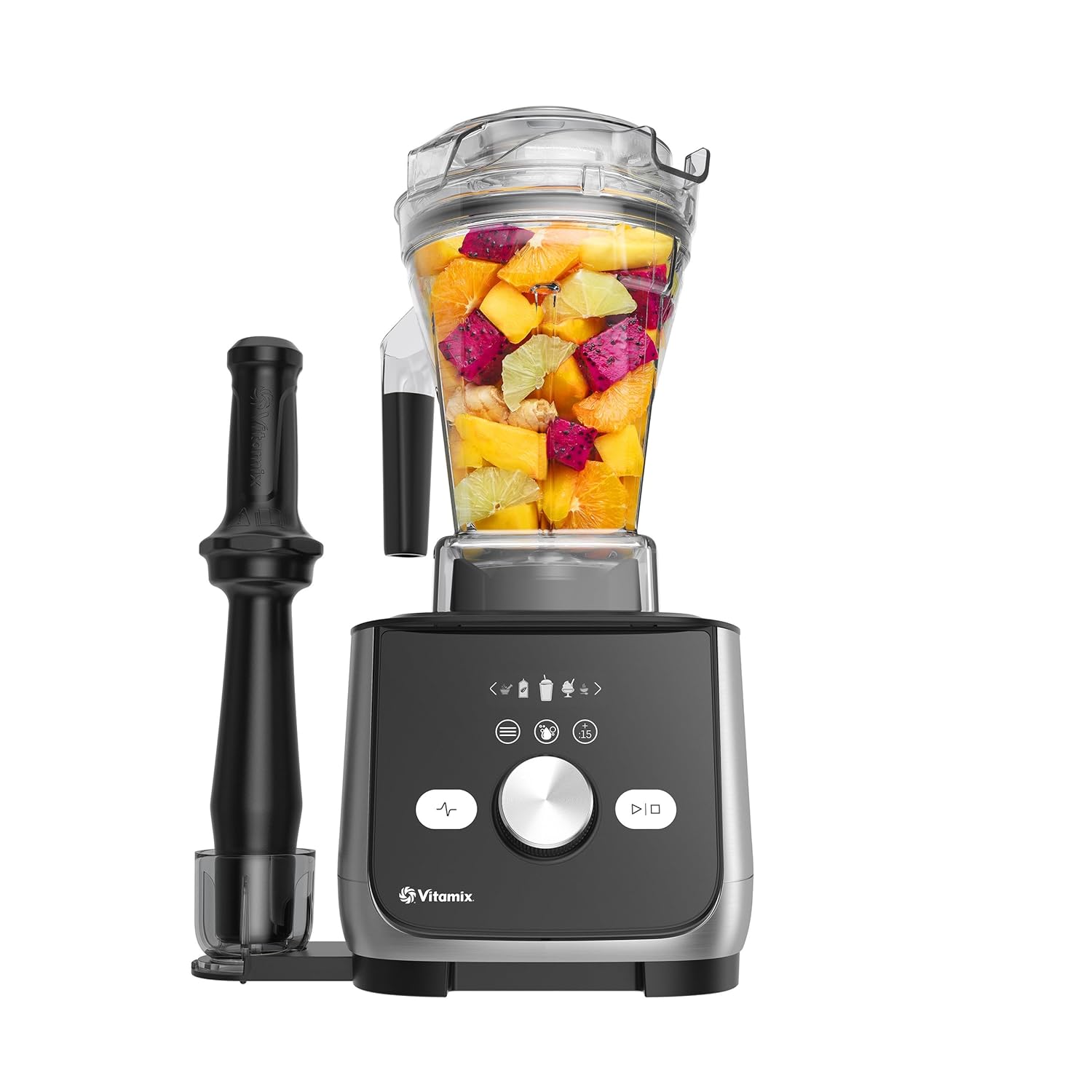
The Ascent X5 is the flagship among these three machines, and it shows in the attention to user feedback systems. The on-screen tamper indicator tells you exactly when to intervene—it alerts you to push ground meat back toward the blades instead of letting it settle and clump.
Still, this isn’t a game-changer for meat grinding specifically; it’s useful for any blending task that requires manual input. Ten automatic programs cover smoothies, soups, frozen treats, and other tasks, but there’s no dedicated meat grinding cycle—you’ll use variable speed control and pulse to figure out your own timing.
What Works for Meat Grinding
The 10-speed variable dial gives you granular control; you can dial down to speed 2 for gentle initial mixing or ramp up to speed 8 for final pulverization. The pulse function lets you do short bursts, which is exactly what meat grinding needs to avoid overheating and clumping.
Additionally, the “Add 15 Seconds” extension button means you don’t have to stop, restart, and lose momentum mid-grind. The stainless-steel blades are laser-cut and durable, and Vitamix backs the unit with a 10-year warranty—the longest protection period of the three machines here.
Where It Falls Short for Meat
The 48 oz container is tight for grinding 2+ lbs efficiently, and you’ll need to run multiple batches. The premium price reflects Vitamix’s brand reputation and smoothie engineering, not any specialized meat-grinding advantage.
Moreover, the self-cleaning program is a nice feature for smoothie users but irrelevant for meat grinding—bacteria concerns mean you’ll hand-wash with hot water and sanitizer anyway. If you only grind meat occasionally, paying extra for a tamper indicator and 10-year warranty feels like overbuying for a secondary use case.
Vitamix Explorian E310: Best Value for Occasional Grinding

Check Price on Amazon
The Explorian E310 strips away the touchscreen, automatic programs, and tamper indicator to hit a lower price point while keeping the core Vitamix DNA. It has a 2 HP motor, 10 variable speeds, pulse control, stainless-steel blades, and a 48 oz container—everything you actually need for meat grinding without the premium extras.
However, those missing features reveal themselves during your first grinding session. The analog speed dial is harder to repeat consistently across batches; you’re eyeballing the speed rather than hitting a digital number and trusting the machine to calibrate.
Why It Works for Meat Grinding
The 2 HP motor is sufficient for occasional meat grinding, and the 10 variable speeds and pulse function give you enough control to experiment. Stainless-steel blades handle dense protein without dulling quickly, and the build quality carries Vitamix’s reputation for durability.
Plus, the 5-year limited warranty still covers you longer than most budget alternatives. If you grind meat 2–4 times per month as a secondary use, the E310 delivers everything the Ascent X5 does for meat—minus the digital feedback and the premium cost.
What’s Missing
There’s no tamper indicator, so you’re flying blind on when to intervene with the mini tamper. The analog dial means you’re adjusting by feel rather than stopping and restarting consistently, which leads to a learning curve for dialing in the right texture.
Additionally, there’s no “Add 15 Seconds” button—you’ll restart manually, which means losing momentum and having to listen for when the meat reaches the texture you want. The 48 oz container is the same as the Ascent X5, so you’re still looking at multiple batches for large grinding sessions.
Blendtec Total Classic: Largest Jar, Lowest Clarity

Check Price on Amazon
The Blendtec Total Classic comes with a 75 oz FourSide jar—genuinely larger than the Vitamix containers and a real advantage for batch efficiency. The machine boasts 3,124 customer reviews on Amazon, which means real-world feedback from a huge user base across many different blending tasks.
But here’s the catch: the product description is vague about motor specifications, variable speed control, and whether preprogrammed cycles actually suit meat grinding or are optimized for drinks and batters only. The marketing language promises simplicity and effectiveness, but that simplicity might be a euphemism for limited manual control.
The Capacity Advantage
That 75 oz FourSide jar is a genuine benefit for grinding meat at home. Instead of doing two batches of 1.5 lbs each, you can grind 2–3 lbs in one run, reducing cumulative heat buildup and saving time.
Moreover, the larger volume means ground meat has more room to move around inside the jar, reducing clumping and allowing better air circulation. For someone who plans to grind meat frequently (2–3 times per week), the container size could reduce motor strain and extend lifespan compared to smaller jars.
The Transparency Problem
Blendtec doesn’t clearly state whether the machine has variable speed control or only preset cycles. If it’s preset-only, you’re locked into predetermined blend times and speeds—not ideal for grinding meat, where you need to stop, shake, and restart based on texture.
Furthermore, there’s no mention of a tamper indicator or pulse control. The marketing emphasizes preprogrammed cycles for batters, mixed drinks, smoothies, frozen treats, whole juices, and hot soups—but meat grinding isn’t listed as a built-in program, which suggests you’ll be improvising with whatever presets exist.
Real Customer Volume, Real Questions
With 3,124 reviews, the Blendtec has genuine user feedback across many applications. However, very few of those reviews specifically address meat grinding, so you’re extrapolating from people using it for soups, nut butters, and other tasks.
For a dedicated look at machines built to handle this dense load, see our Best Blender for Chicken: Tested & Ranked guide.
Still, if you dig through reviews, you’ll find users experimenting with meat grinding and reporting mixed results—some say it works fine for occasional grinding, while others mention uneven texture or thermal concerns. The lack of official guidance means you’re betting on whether this machine’s design happens to work for meat rather than knowing it was tested for it.
Head-to-Head: Which Blender to Choose
Vitamix Ascent X5 vs. Vitamix Explorian E310
The Ascent X5 costs about 97% more than the Explorian E310, and that money buys you touchscreen controls, automatic programs, a tamper indicator, and an “Add 15 Seconds” button. For meat grinding specifically, the tamper indicator is the most relevant feature—it tells you when clumping is happening so you can intervene before texture suffers.
But if you grind meat fewer than four times per month, the E310’s learning curve is manageable, and you’ll save money without sacrificing the core grinding capability. The gap widens if you do other tasks like nut butters or ice crushing, where the Ascent X5’s automatic programs and digital feedback become genuinely useful.
Either Vitamix vs. Blendtec Total Classic
Vitamix gives you documented motor specs (both models clearly state a 2 HP or equivalent motor), variable speed control, and a clear user experience. Blendtec offers a larger 75 oz container and significantly more customer reviews, but less transparency about how the machine handles manual control for grinding.
The Blendtec’s advantage is capacity and price; the disadvantage is uncertainty. If you’re comfortable researching recent reviews specifically mentioning meat grinding and you plan to grind in larger batches, the Blendtec could work out cheaper and more efficient per batch. If you want documented performance specs and clear control options, Vitamix wins even at a higher price point.
What These Blenders Can and Cannot Do
What They Will Do
All three machines can grind meat into a usable, reasonably consistent texture in 30–90 seconds per batch without catastrophic failure. They’ll handle occasional use (1–2 times per month) without overheating or breaking down prematurely, and they’re designed to last years under normal smoothie-blending workloads.
Additionally, they can grind different meat types—beef, pork, chicken—though you’ll get a paste-like texture rather than the distinct fiber separation you’d get from a dedicated meat grinder or butcher grinder.
What They Won’t Do
Don’t expect these machines to match a dedicated meat grinder for speed, consistency, or ease of cleanup. A electric meat grinder or hand-cranked grinder separates meat through an auger and die rather than chopping it in a jar, which produces a different grain structure and texture.
Moreover, if you plan high-volume grinding (making sausage for 20+ people in one session), these blenders will either overheat mid-session or require so many pauses to let the motor cool that you’ll waste the time advantage. Food safety is also a real concern—blender crevices and seals trap bacteria in ways a dedicated meat grinder doesn’t, so you need extra sanitizing steps beyond what you’d use for a smoothie.
The Hidden Cost of Heavy Use
Grinding meat is harder on a blender motor than any smoothie recipe because the load is constant and dense. You’re reducing the machine’s useful lifespan by using it for a task it wasn’t primarily engineered for, and you won’t know how much you’ve shortened that lifespan until it fails.
Additionally, meat dulls blades differently than produce; replacement blades are expensive, and most manufacturers don’t sell cheap aftermarket options like they do for smoothie containers. If you grind meat more than three times per week, buy a dedicated meat grinder for $80–200 and save your blender for what it actually excels at.
Ranking: Which Blender Actually Wins for Meat Grinding
First Place: Vitamix Ascent X5
The Ascent X5 earns the top ranking for frequent meat grinders who want documented performance and user feedback. The tamper indicator, 10-speed digital control, “Add 15 Seconds” button, and stainless-steel blades reduce guesswork and heat risk during grinding.
This machine is overkill if you grind meat once a month, but it’s the right choice if you’re grinding twice a week and you want consistent results without a learning curve. The 10-year warranty backs up Vitamix’s engineering, and you know exactly how the machine will behave because thousands of users have published honest feedback.
Second Place: Vitamix Explorian E310
The E310 lands in second because it delivers the essential capabilities for occasional grinding at a lower price. The 2 HP motor, 10 variable speeds, and pulse function work fine for 2–4 monthly grinds, and the trade-off—no tamper indicator, no automatic programs—matters less if meat grinding is your secondary use.
However, the analog speed dial and lack of the “Add 15 Seconds” extension add friction to your workflow. You’re learning through trial and error rather than relying on digital feedback, which is fine if you’re patient but frustrating if you’re grinding under time pressure.
Third Place: Blendtec Total Classic
The Blendtec ranks third not because it can’t grind meat—it probably can—but because the vague product description leaves too many questions unanswered. The 75 oz container is genuinely larger and better for batch efficiency, and the price is competitive with the Explorian E310.
But without documented variable speed control, a clear pulse function, or published motor specs, you’re guessing whether Blendtec’s design happens to work for your use case or whether those preprogrammed cycles are a workaround that happens to succeed for some users and fail for others. If Blendtec published the same level of detail as Vitamix, this ranking might flip based on that larger container alone.
Final Recommendation: Which Blender to Buy
Buy the Ascent X5 If:
You’re grinding meat two or more times per week and you want consistent results without trial-and-error. The tamper indicator and digital controls pay for themselves in time saved and texture improvement, and the 10-year warranty gives you peace of mind on a premium investment.
Additionally, if you use your blender for soups, nut butters, and other tasks beyond meat, the Ascent X5’s automatic programs and intuitive interface make it the best all-around performer. You’re paying for reliability and documented performance, which matters if you’re relying on the machine to work the same way every time.
Buy the Explorian E310 If:
You grind meat occasionally (2–4 times per month) and want solid Vitamix quality without the premium price tag. The E310 has everything you need for meat grinding, and the money you save can go toward a dedicated meat grinder if you decide you want one later.
Moreover, if you’re primarily a smoothie user and meat grinding is an afterthought, the E310 is the obvious choice—you’re not paying for features (tamper indicator, touchscreen, automatic programs) that don’t matter for grinding. The 5-year warranty and 2 HP motor are reliable, and the learning curve is shallow if you’re patient.
Buy the Blendtec Total Classic If:
Price is your primary concern and you’re willing to research recent user reviews specifically mentioning meat grinding before buying. The 75 oz container is genuinely larger, which is a real advantage for batch efficiency and heat management.
However, before purchasing, read recent reviews from actual meat-grinding users, not just people making smoothies or soups. If you find consistent positive feedback on meat grinding, the Blendtec’s price and capacity make it competitive—but if reviews are silent on meat grinding or mixed, the risk of guessing wrong isn’t worth the savings.
Don’t Buy Any of These If:
You plan to grind meat more than three times per week. A dedicated meat grinder ($80–200) will outlast any of these blenders for that workload, produce better texture, and won’t compromise your blender’s lifespan for heavy grinding duty.
Additionally, if food safety for ground meat is your top concern, these blenders create sanitation challenges that dedicated meat grinders don’t. Bacteria hiding in blender seals and corners requires extra precautions; if you’re grinding meat for vulnerable people or commercial purposes, buy equipment designed for that task instead of repurposing a smoothie machine.
Frequently Asked Questions
Can you grind meat in any blender?
No. You need a blender with sustained motor torque, variable speed control, and ideally a pulse function to avoid overheating and clumping. Budget blenders designed for only high-speed pulsing will struggle or fail.
Will grinding meat damage a blender motor?
Grinding meat is harder on a blender motor than smoothie blending because the load is constant and dense rather than brief and soft. Heavy or frequent grinding will shorten the machine’s lifespan; occasional grinding (1–2 times per month) won’t cause noticeable damage.
What texture will ground meat have in a blender?
Blender-ground meat will be more paste-like and finely pulverized than meat from a dedicated grinder, which preserves more fiber separation. Some people prefer the texture; others find it too processed for certain recipes like sausage or meatballs.
How do you prevent clumping when grinding meat in a blender?
Use the pulse function to grind in short bursts rather than continuous blending; this lets you stop, shake the container to break apart clumps, and resume. Stop before the meat turns into a paste, and consider briefly freezing the meat (but not solid) to reduce its oils from binding into a ball.
Is grinding meat in a blender safe?
Yes, for home use with proper sanitizing afterward. However, blender crevices trap bacteria differently than a dedicated meat grinder, so hand-wash with hot water and sanitizer rather than relying on self-cleaning programs. If grinding meat for vulnerable people or commercial purposes, use equipment specifically designed for that.
How long does it take to grind meat in a blender?
A 1–2 lb batch typically takes 30–90 seconds per grind, depending on your desired texture and whether you pulse or blend continuously. Multiple batches mean multiple rounds of grinding and motor rest time.
Which brand is better for meat grinding: Vitamix or Blendtec?
Vitamix provides clearer performance specs, documented variable speed control, and more user feedback on meat grinding specifically. Blendtec offers a larger container but less transparency about meat-grinding capabilities, making Vitamix the safer choice if you prioritize predictability.
Do you need a meat-specific grinder setting?
No, but variable speed control and pulse function are essential. Neither Vitamix nor Blendtec has a dedicated meat-grinding program; you use variable speed and pulse to find what works for your desired texture and meat type.
Can you grind frozen meat in a blender?
Yes, but partially frozen meat (chilled but not solid) works better than both room-temperature and fully frozen. Partially frozen meat grinds faster, generates less heat, and produces a more consistent texture than warm meat, which turns into a clumpy paste.
What’s the difference between grinding and chopping meat in a blender?
Grinding uses continuous blending or pulse cycles to break meat into uniformly small pieces, while chopping typically means a few quick pulses that leave larger, uneven chunks. Grinding produces a paste-like texture suitable for burgers or meatloaf; chopping produces chunks suitable for stews.