
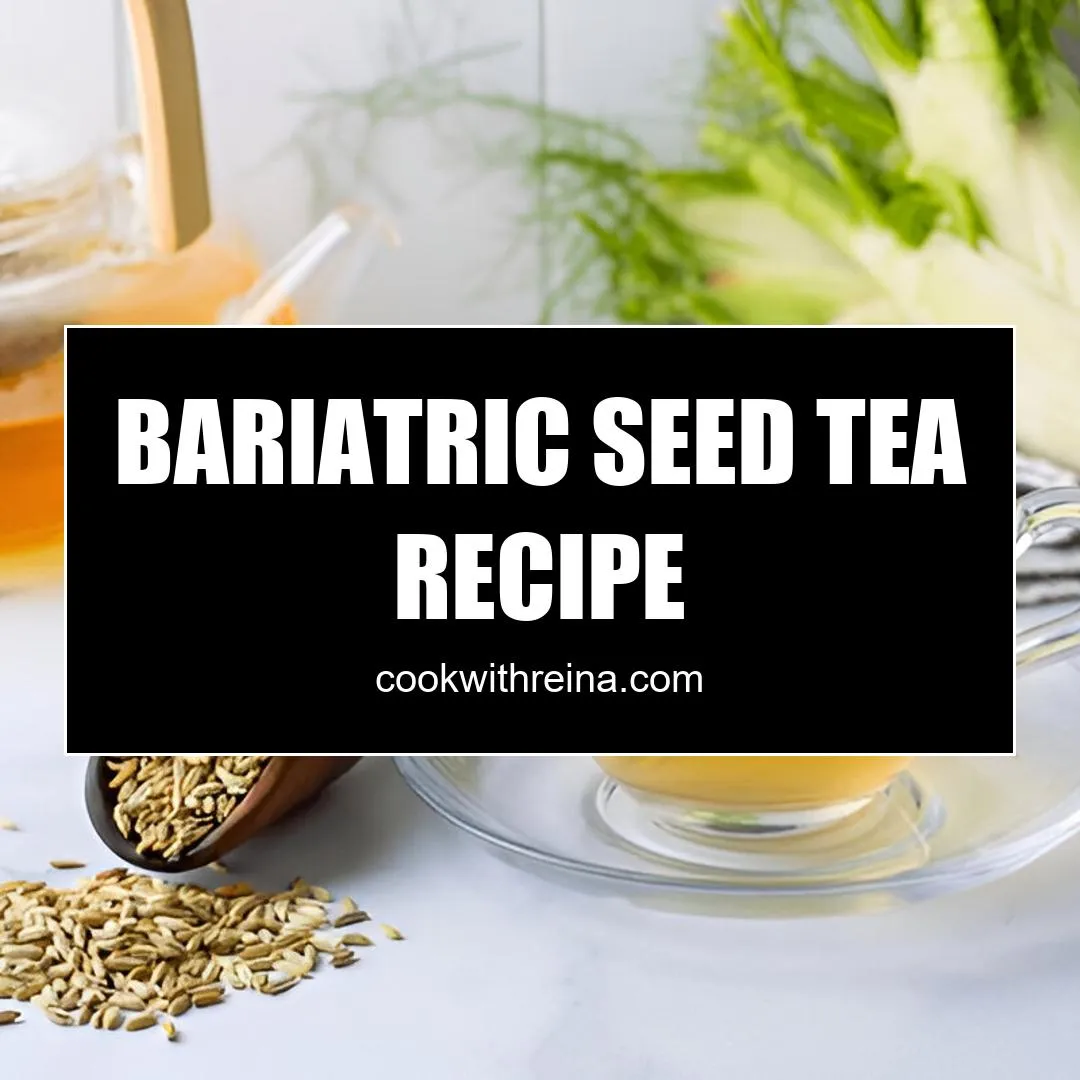
Years ago, during my early days as a dietitian working with weight-loss surgery patients, I discovered a simple herbal blend that helped many stay on track with their new eating habits. You know those moments when you need a warm, soothing drink that fits your post-bariatric lifestyle without derailing your progress? This seed tea, made from nutrient-packed seeds like flax and chia, became a staple in my recommendations.
It’s gentle on the stomach, supports digestion, and packs fiber to help with satiety. Today, I’ll share the exact recipe I refined over time, along with everything you need to know to make it your own. Stick around, and you’ll see why this has transformed afternoon routines for so many.
How to Make Bariatric Seed Tea
This straightforward recipe yields a mild, earthy infusion perfect for bariatric diets. It takes minutes to prepare and serves as a low-calorie alternative to sugary drinks. Follow along, and you’ll have a batch ready in no time.
Recipe Details
- Prep Time: 5 minutes
- Cook Time: 10 minutes
- Servings: 2
- Course: Beverage
- Cuisine: Modern Wellness
- Diet: Gluten-free, Vegan, Low-calorie, Post-bariatric
Ingredients
- 1 tablespoon ground flaxseeds
- 1 tablespoon chia seeds
- 1 teaspoon fennel seeds
- 1 teaspoon cumin seeds
- 2 cups water
- Optional: A squeeze of fresh lemon juice for brightness
- Optional: A dash of stevia or monk fruit sweetener, if desired
Instructions
- Combine the ground flaxseeds, chia seeds, fennel seeds, and cumin seeds in a small saucepan.
- Add 2 cups of water to the pan and stir well to mix the seeds evenly.
- Place the saucepan over medium heat and bring the mixture to a gentle boil, stirring occasionally to prevent clumping.
- Once boiling, reduce the heat to low and let it simmer for 8-10 minutes, allowing the seeds to release their flavors and nutrients.
- Remove from heat and strain the tea through a fine-mesh sieve into two mugs, pressing lightly on the seeds to extract more liquid.
- Add a squeeze of lemon juice or a dash of natural sweetener to each mug, if using. Stir and serve warm.
Nutrition
- Calories: 60 kcal per serving
- Protein: 3 g
- Fat: 4 g
- Carbohydrates: 5 g
- Sugar: 0 g
- Fiber: 6 g
- Sodium: 10 mg
- Cholesterol: 0 mg
Cooking Method
The method relies on infusion and light simmering to draw out the soluble fibers and oils from the seeds without over-extracting bitter compounds. This keeps the tea smooth and easy to digest, ideal for sensitive post-surgery stomachs. Dry-toasting the whole seeds briefly before grinding can enhance aroma, but it’s not essential for beginners.
Tools Needed
- Small saucepan
- Wooden spoon or whisk for stirring
- Fine-mesh strainer or cheesecloth
- Measuring spoons
- Two mugs for serving
Understanding the Ingredients in Bariatric Seed Tea
Each seed in this blend brings specific benefits tailored to bariatric needs, like promoting gut health and steady energy. Let’s break them down so you can select the best options and understand their roles.
Flaxseeds: The Fiber Powerhouse
Flaxseeds, derived from the Linum usitatissimum plant native to the Mediterranean and now grown worldwide, offer omega-3 fatty acids and lignans. Ground flax provides a nutty base that thickens the tea slightly, aiding hydration and bowel regularity essential after bariatric procedures.
Use golden or brown varieties; golden flax has a milder taste that blends seamlessly. Store them in the fridge to preserve their oils, which can turn rancid if exposed to air.
Chia Seeds: Hydration and Satiety Boosters
Originating from Central America, chia seeds from Salvia hispanica expand in liquid, forming a gel that supports portion control by making you feel fuller longer. In this tea, they add a subtle crunch if not fully strained, but their main job is delivering antioxidants and calcium for bone health post-surgery.
Black chia seeds are more common and nutrient-dense; soak them briefly if you prefer a smoother texture. They hold up to 12 times their weight in water, which helps with fluid intake goals.
Fennel and Cumin Seeds: Digestive Aids
Fennel seeds, from the Foeniculum vulgare herb used in ancient Egyptian and Roman cuisines, impart a licorice-like sweetness that soothes bloating. Cumin seeds, harvested from Cuminum cyminum in the Middle East, add warmth and antimicrobial properties to ease gut discomfort.
Both are whole spices here to release essential oils slowly during simmering. Crush them lightly beforehand for stronger flavor infusion without overpowering the blend.
Nutritional Science Behind Bariatric Seed Tea
This tea supports weight management by leveraging high soluble fiber, which slows digestion and stabilizes blood sugar—key for those adjusting to smaller meals after bariatric surgery. The omega-3s from flax reduce inflammation, while the seeds’ mucilage coating protects the stomach lining during recovery.
From a scientific angle, the gel-forming properties of chia and flax bind to bile acids, potentially lowering cholesterol. Studies, like those in the Journal of Nutrition, show such fiber intakes improve satiety hormones like GLP-1, helping you eat less without hunger pangs.
You’ll notice steady energy without caffeine crashes, as the low glycemic index prevents spikes. For bariatric patients, this means better adherence to protein and fluid goals without empty calories.
Dietary Adaptations for Seed Tea
Adapt this base recipe to fit various needs by swapping elements while keeping the core fiber benefits intact. These changes ensure it remains suitable for restrictions common in post-bariatric life.
Low-Sugar and Keto-Friendly Versions
Omit any sweetener entirely, or use erythritol for a keto twist that keeps carbs under 5g per serving. Add a pinch of cinnamon from Cinnamomum verum, known for its blood sugar-regulating compounds, to enhance flavor without sugar.
Vegan and Dairy-Free Options
The recipe is already vegan, but if you want creaminess, stir in a splash of unsweetened almond milk from blanched almonds after straining. This adds vitamin E without lactose, which some bariatric patients avoid due to intolerance risks.
Gluten-Free and Allergy Adjustments
All seeds here are naturally gluten-free, but check for cross-contamination in bulk bins. For nut allergies, skip any seed swaps involving sesame; instead, double the fennel for an anise-forward profile that’s still digestive-friendly.
Historical and Cultural Context of Seed Teas
Seed-based infusions trace back to ancient Ayurvedic practices in India, where cumin and fennel teas aided digestion during monsoons. Flax, praised by Hippocrates around 400 BCE for its laxative effects, spread through medieval European herbalism.
In modern bariatric care, these traditions meet science—my version draws from global wellness recipes adapted for surgical recovery. Think of it as a bridge between old herbal wisdom and today’s nutrient-focused diets, used in wellness retreats from Mexico to the Middle East.
Avoiding Common Mistakes and Expert Tips
New to seed teas? Over-boiling can make the brew bitter, so watch the timer closely. If the mixture clumps, whisk vigorously before heating—chia especially loves to gel quickly.
For best results, grind flax fresh with a coffee grinder to maximize nutrient absorption; pre-ground loses potency fast. Start with half portions if your stomach is still adjusting post-surgery, and always sip slowly to aid digestion.
Pro tip: Experiment with ratios, like more fennel for sweetness, but track how your body responds. Hydrate extra, as the fiber pulls water into your system.
Serving, Pairing, and Storage Guidance
Serve this tea warm in the morning to kickstart digestion or mid-afternoon for a hydration break. Pair it with a small protein snack, like Greek yogurt or boiled eggs, to balance your bariatric meal plan.
For storage, keep brewed tea in an airtight glass container in the fridge for up to 24 hours—reheat gently to avoid separating. Dry seed mixes last months in a cool pantry; portion them into jars for weekly prep.
If making iced versions, chill and dilute slightly with cold water to refresh without losing benefits. It pairs well with light salads or fruit, enhancing nutrient uptake.
Frequently Asked Questions
Can I drink bariatric seed tea daily?
Yes, one to two cups per day fits most post-bariatric plans, providing fiber without excess calories. Consult your doctor to align with your specific recovery stage.
Is this tea safe right after bariatric surgery?
Wait until the pureed food phase, around 2-4 weeks post-op, when clear liquids expand. Its gentle nature makes it ideal, but start diluted.
What if I don’t like the earthy taste?
Add fresh ginger slices during simmering for spice, or a hint of peppermint leaves to mask it. Over time, your palate adjusts to the natural flavors.
Does seed tea help with constipation after surgery?
Absolutely—the high fiber from flax and chia promotes regularity by softening stools. Combine with adequate water intake for best results.
Can I use this recipe for weight loss without surgery?
It supports general weight management through satiety and low calories, but pair it with a balanced diet and exercise for optimal effects.
How do I know if the seeds are fresh?
Fresh seeds smell nutty, not musty. Test by chewing one: it should be crisp, not rancid. Buy in small batches and store cool and dry.
Is there a cold version of this tea?
Yes, steep the seeds in cold water overnight in the fridge, then strain. This preserves more heat-sensitive nutrients like omega-3s.
Can pregnant women or kids use this recipe?
Pregnant women should limit to one cup due to fennel’s estrogen-like effects; consult a doctor. For kids, halve portions and omit strong spices.