
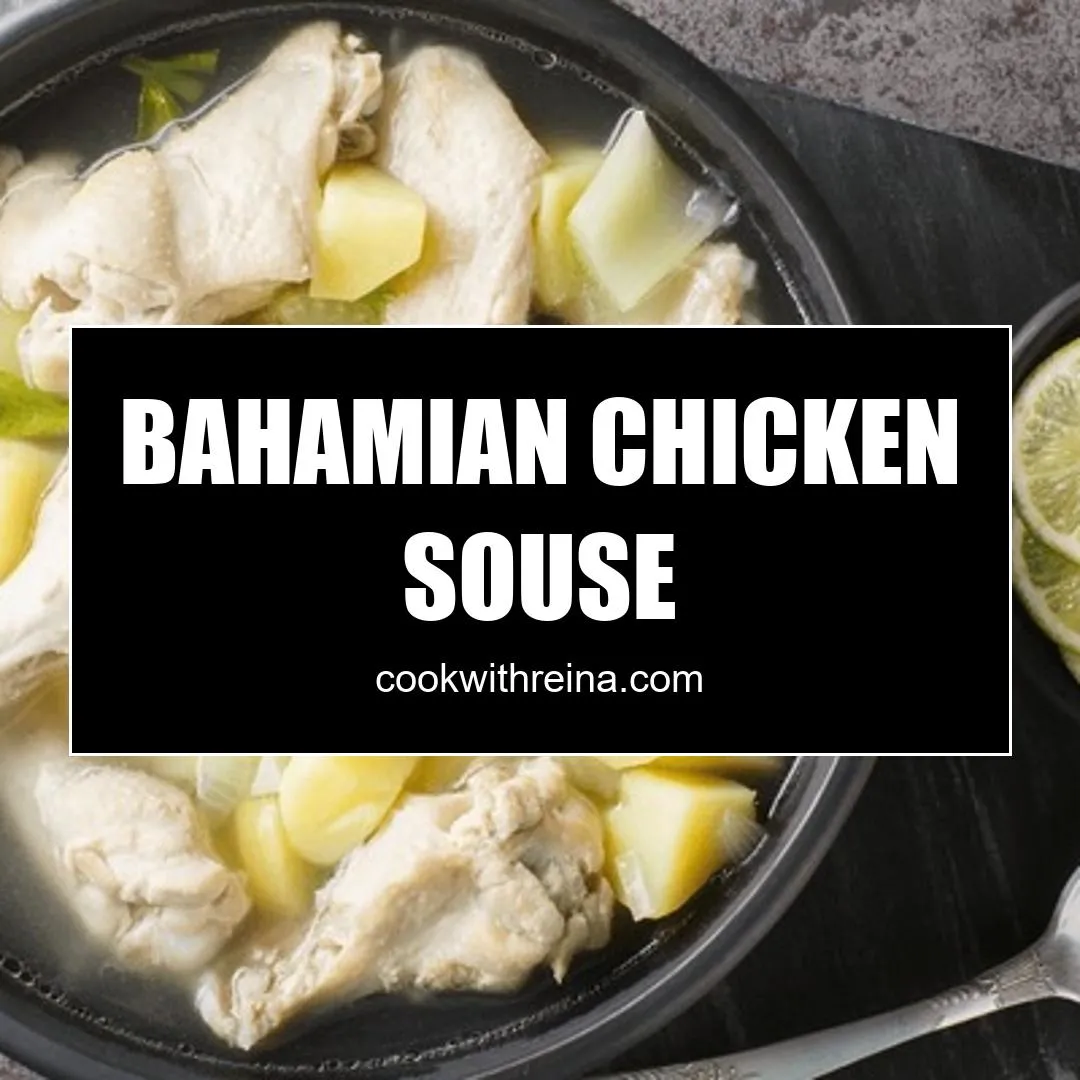
Making Bahamian chicken souse at home gives you a hearty, flavorful soup that’s perfect for any meal. This traditional Bahamian dish uses simple ingredients like chicken, potatoes, and lime to create a brothy delight that warms you up. I often turn to it when I want something nourishing yet quick to prepare.
The recipe below serves four and takes about an hour total. It highlights the fresh, tangy notes that define this Bahamian staple. Follow these steps, and you’ll have a pot of souse ready to enjoy right away.
How to Make Bahamian Chicken Souse
Recipe Details
- Prep Time: 15 minutes
- Cook Time: 45 minutes
- Servings: 4
- Course: Main Dish
- Cuisine: Bahamian
- Diet: Gluten-Free
Ingredients
- 2 lbs chicken thighs, bone-in and skin-on, cut into pieces
- 4 medium potatoes, peeled and diced
- 2 carrots, peeled and sliced
- 1 large onion, chopped
- 4 garlic cloves, minced
- 2 limes, juiced (plus extra wedges for serving)
- 1 scotch bonnet pepper, whole (adjust for heat)
- 6 cups water or chicken broth
- 2 sprigs fresh thyme
- 1 bay leaf
- Salt and black pepper to taste
- 2 tbsp vegetable oil
Instructions
- Heat the vegetable oil in a large pot over medium heat. Add the chicken pieces and brown them on all sides for about 5-7 minutes. This step seals in the juices and adds depth to the broth.
- Add the chopped onion and minced garlic to the pot. Sauté for 2-3 minutes until the onion softens and the aroma builds.
- Pour in the water or chicken broth. Add the potatoes, carrots, whole scotch bonnet pepper, thyme sprigs, and bay leaf. Bring everything to a boil.
- Reduce the heat to a simmer. Cover the pot and cook for 30-35 minutes, until the chicken is tender and the vegetables are soft.
- Stir in the lime juice. Season with salt and black pepper. Simmer uncovered for another 5 minutes to blend the flavors. Remove the pepper, thyme, and bay leaf before serving.
- Ladle into bowls and serve hot with lime wedges on the side for extra zest.
Nutrition
- Calories: 450 kcal
- Protein: 35 g
- Fat: 20 g
- Carbohydrates: 30 g
- Sugar: 4 g
- Fiber: 4 g
- Sodium: 800 mg
- Cholesterol: 120 mg
Cooking Method
The method relies on simmering to extract flavors from the chicken bones and herbs. Browning the meat first creates a flavorful base through the Maillard reaction, which enhances taste without extra fats. Lime juice added at the end preserves its bright acidity, cutting through the richness.
Tools Needed
- Large pot or Dutch oven
- Wooden spoon for stirring
- Knife and cutting board
- Colander for draining if needed
- Ladle for serving
Understanding the Ingredients in Bahamian Chicken Souse
Chicken: The Protein Base
Chicken thighs provide the hearty foundation for souse. Bone-in pieces release collagen during cooking, thickening the broth naturally. They offer a balance of lean meat and fat, contributing about 35 grams of protein per serving. I recommend fresh, local chicken for the best texture and flavor absorption.
Potatoes and Carrots: Hearty Vegetables
Potatoes add starch that makes the soup filling, while carrots bring natural sweetness and beta-carotene for eye health. Dice them evenly so they cook uniformly in 30 minutes. These root vegetables absorb the lime’s tang, creating a layered taste profile.
Lime and Scotch Bonnet: The Flavor Brighteners
Fresh lime juice delivers vitamin C and a citrus punch that cuts the soup’s richness. Use key limes if available for authentic tartness. The scotch bonnet pepper infuses subtle heat; its capsaicin aids digestion. Pierce it once for controlled spice.
Herbs and Aromatics: Onion, Garlic, Thyme
Onion and garlic build savory depth through sulfur compounds that mellow during cooking. Thyme adds an earthy note, common in Caribbean recipes. Fresh sprigs work best, but dried thyme can substitute at half the amount.
Nutritional Breakdown of Bahamian Chicken Souse
This dish packs balanced nutrition in one bowl. The chicken supplies high-quality protein for muscle repair, while vegetables contribute fiber to support digestion. At 450 calories per serving, it fits moderate diets, with healthy fats from the skin aiding vitamin absorption.
Lime boosts immunity with its antioxidants, and the low sugar content keeps blood sugar stable. High sodium comes from the broth, so adjust salt for heart health. Overall, souse supports energy needs without excess carbs, making it suitable for active lifestyles.
Dietary Adaptations for Bahamian Chicken Souse
For gluten-free eaters, this recipe is naturally compliant since it uses no wheat products. To make it low-sodium, use unsalted broth and limit added salt; this cuts intake by up to 50%.
Vegan versions swap chicken for firm tofu or chickpeas, simmered the same way for 20 minutes. Add coconut milk for creaminess if dairy-free is a concern, though the original avoids dairy. For low-carb, reduce potatoes and double carrots to maintain volume.
The History and Cultural Role of Bahamian Chicken Souse
Bahamian souse traces roots to West African influences brought by enslaved people in the 18th century. It evolved as a one-pot meal using available ingredients like chicken and limes from the islands’ citrus groves. In Bahamian culture, souse appears at family gatherings and holidays, often served with grits or bread for breakfast.
Historically, it sustained fishermen and laborers with its portable, nourishing broth. Today, variations include pork or fish souse, reflecting the archipelago’s seafood abundance. This dish embodies resilience and community in Bahamian kitchens.
Common Mistakes and Expert Tips for Perfect Souse
A frequent error is overcooking the lime, which turns bitter; add it late. Don’t discard the chicken skin—it adds essential flavor and nutrients. If the broth tastes flat, simmer longer to concentrate the bones’ essence.
For best results, use room-temperature water to avoid shocking the pot. Taste before serving and adjust lime for your preferred acidity. Store leftovers in airtight containers to preserve freshness up to three days.
Serving, Pairing, and Storage for Bahamian Chicken Souse
Serve souse piping hot in deep bowls to capture steam’s aroma. Pair it with johnnycakes or white rice to soak up the broth. For beverages, ginger beer complements the spice without overpowering.
Store in the fridge for up to four days; reheat gently on the stove to avoid toughness. Freeze portions in bags for two months—thaw overnight before warming. This keeps the vegetables intact and flavors vibrant.
The Science Behind Bahamian Chicken Souse
Simmering breaks down chicken connective tissues into gelatin, creating a silky broth. Lime’s citric acid tenderizes proteins mildly and prevents bacterial growth. The scotch bonnet’s heat triggers endorphin release, enhancing enjoyment.
Potatoes release starches that emulsify fats, improving mouthfeel. This combination ensures even nutrient distribution, making each bite balanced.
Frequently Asked Questions
What is Bahamian chicken souse?
Bahamian chicken souse is a traditional soup featuring chicken, potatoes, and lime in a light, spicy broth. It originated in the Bahamas as a simple, comforting meal.
Can I make Bahamian chicken souse less spicy?
Yes, remove the scotch bonnet seeds or omit it entirely. Add a milder pepper like bell for flavor without heat.
Is Bahamian chicken souse healthy?
It provides protein and vegetables for a balanced meal. At 450 calories per serving, it’s nutritious but watch sodium levels.
How do I store leftovers of Bahamian chicken souse?
Keep in the refrigerator for up to four days. Reheat on the stove with a splash of water to loosen the broth.
What can I substitute for chicken in souse?
Use turkey, pork, or tofu for adaptations. Simmer times may vary—reduce for tofu to 15 minutes.
Why add lime to Bahamian chicken souse?
Lime adds acidity to balance richness and provides vitamin C. Squeeze it fresh at the end for maximum brightness.
Can I freeze Bahamian chicken souse?
Yes, portion into freezer bags for up to two months. Thaw in the fridge before reheating slowly.
What sides go with Bahamian chicken souse?
Pair with grits, rice, or bread. Fresh lime wedges enhance the dish.