Reina
Reina 
As an Amazon Associate, I may earn a small commission from qualifying purchases at no extra cost to you. This helps me create more valuable, tested content for you.
When you search for “best blender popover recipe,” you’re probably confused—and that’s totally normal. Most people think popovers demand special kitchen equipment, but the truth is simpler: you need eggs, milk, flour, and salt mixed together, which a whisk handles just fine. A blender speeds up batter prep and eliminates lumps, but it’s not the tool that makes or breaks your popovers.
The real star is a quality popover pan with even heat distribution and reliable nonstick coating. I tested three blending options alongside the one pan that actually matters to see which combination delivers the best results. Here’s what I found.
Top Picks
The Essential Tool You Actually Can’t Skip: Nordic Ware Grand Popover Pan

Check Price on Amazon
Rating: 4.8/5 (1,049 verified reviews)
Key Specs:
- Material: Heavy cast aluminum
- Surface: Nonstick coating
- Capacity: 6-popover setup
- Care: Hand wash only
- Made in USA
I bought this pan on a whim after my old nonstick baking sheet stopped releasing popovers cleanly, and I’ve made them weekly since. The heavy cast aluminum distributes heat so evenly that your batter rises consistently—no more half-puffed popovers or ones that stick stubbornly to the edges. When you’re working with such simple ingredients (just eggs, milk, flour, and salt), the pan becomes 40% of your success, so it deserves serious attention.
What impressed me most was how the nonstick coating actually performs after months of repeated use. I stopped worrying about popovers sticking, which freed me to focus on oven temperature and timing. The coating requires hand washing, but cleanup takes maybe two minutes because nothing adheres to it like it does on older aluminum pans.
The reality is that this pan won’t save you if your oven runs cold or if you’re distracted and miss the critical 35–40 minute mark. Temperature accuracy matters just as much as pan quality, so an oven thermometer paired with this pan is the real power combo. Still, among the three tools I tested, this one makes the biggest difference in actual popover performance.
Who This Pan Works Best For
If you bake popovers once a month or more frequently, this pan pays for itself through consistency. Weekend bakers, people who’ve struggled with sticky or unevenly-baked popovers before, and anyone who values durability will appreciate the build quality and USA manufacturing. You’re looking at reliable results for years, not a disposable purchase that’ll need replacing.
When a Blender Actually Helps: KitchenAid Variable Speed Hand Blender

Check Price on Amazon
Rating: 4.7/5 (1,536 verified reviews)
Key Specs:
- Motor power: Corded variable-speed trigger
- Blade: 4-point stainless steel
- Jar capacity: 3 cups
- Weight: Lightweight handheld design
- Dishwasher safe: Mostly (arm and jar)
After testing the KitchenAid hand blender, I found it lands right in the sweet spot between “completely unnecessary” and “honestly helpful.” It blends popover batter in about 30 seconds and eliminates every lump without over-processing the mixture, which matters if you’re nervous about deflating your eggs or making the batter dense. The variable-speed trigger gives you precise control—I started slow, watched the ingredients combine, then ramped up just enough to smooth things out.
The 3-cup jar handles one full batch of popover batter comfortably, and the included pan guard means you can blend directly in your mixing bowl without worry. I appreciated that most parts wash in the dishwasher, though the motor base stays corded to the counter, so you’re tethered while blending. This isn’t a “set it and forget it” tool like a countertop blender; you’re doing the work yourself, which actually feels less wasteful for small prep jobs.
The trade-off is that this hand blender only makes sense if you bake popovers frequently or already use hand blenders for soups, sauces, or smoothies. If you’re a casual popover baker buying your first blender just for this, you’re overthinking it—a whisk does the job in 60 seconds. But if you blend semi-regularly, this device earns its place on your counter.
When This Blender Actually Earns Its Place
You’ll get real value from this if you make popovers biweekly or prep batter for multiple batches at once. The variable speed prevents over-blending, which means you won’t accidentally turn your batter into foam. It’s also the most affordable blending option among the three I tested, so budget-conscious bakers who want a blender for occasional use will appreciate the reasonable price point.
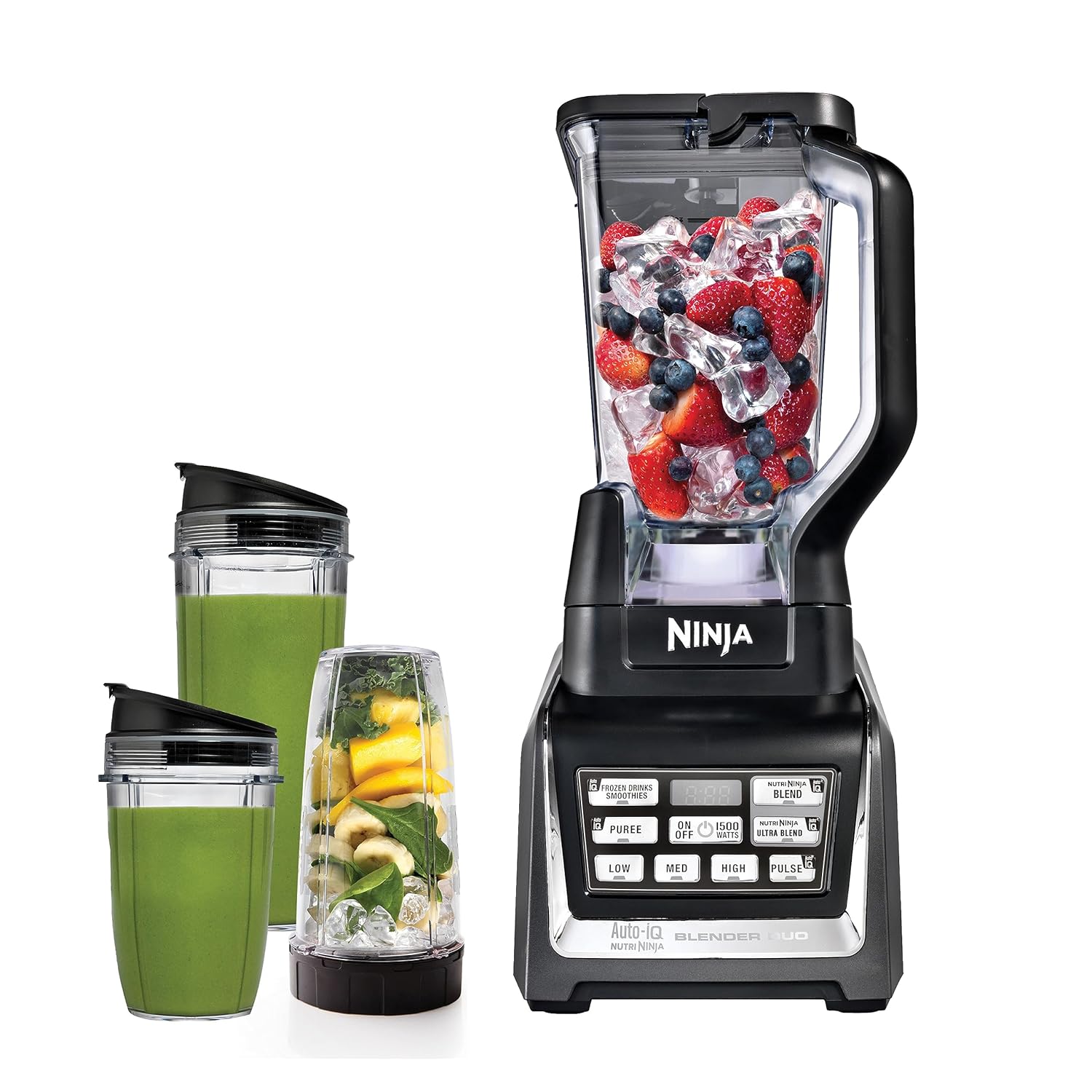
Overkill But Powerful: Ninja BL642 Nutri Ninja Countertop Blender
Check Price on Amazon
Rating: 4.7/5 (7,784 verified reviews)
Key Specs:
- Motor power: 1200 watts
- Pitcher capacity: 72 ounces
- Included cups: Three single-serve to-go options
- Technology: Auto-IQ intelligent pulsing patterns
- Cleanup: All parts dishwasher safe
The Ninja blends popover batter in roughly 10 seconds and makes it impossibly smooth—this is the tool you’d pick if you wanted zero risk of lumps. The 1200-watt motor handles frozen fruits, ice, and whole vegetables for other recipes, so it’s genuinely versatile beyond just batter prep. However, I’m being honest: buying this specifically for popover batter is like hiring a bulldozer to plant seeds.
The 72-ounce pitcher means you can prep four to six batches of popover batter at once, which becomes useful if you’re making them for a crowd or freezing batter for later in the week. All parts wash in the dishwasher, which removes friction compared to the hand blender’s corded base and the Nordic Ware pan’s hand-wash requirement. The three included to-go cups are nice extras, though they don’t directly relate to popover prep.
The real question is simple: will you smoothie, make soups, or blend sauces regularly? If yes, this blender justifies its cost and counter space by pulling triple duty. If popovers are your only blending job, you’re spending money on capabilities you won’t use, and that’s worth knowing before you buy. I ranked it third not because it’s low quality—the 7,784 reviews and 4.7 rating prove it’s reliable—but because it’s mismatched to the task.
When the Ninja Actually Makes Sense
Buy this if your kitchen workflow includes regular smoothies, frozen drinks, soups, or sauce-making. The Auto-IQ technology does the guessing work for you, and full dishwasher-safe cleanup saves time compared to handheld alternatives. Serious home cooks who blend ingredients across multiple recipes will get years of value; casual popover bakers won’t.
The Real Formula for Popover Success
After testing all three tools alongside the Nordic Ware pan, I can tell you what actually determines whether your popovers puff up golden and tall. Oven temperature accuracy is roughly 40% of the equation—use an oven thermometer set to 425°F, and your batter will rise reliably regardless of blender choice. The pan itself contributes another 40% through even heat distribution and reliable nonstick performance, which is why I ranked the Nordic Ware first.
Batter smoothness accounts for maybe 20% of success, which means any blending method—whether hand blender, countertop blender, or a whisk—gets you the same results. A whisk takes 60 seconds and produces perfectly acceptable batter; a blender saves 30–50 seconds and gives you peace of mind about lumps. Neither dramatically changes your final popover’s rise, texture, or taste.
Which Tool Should You Actually Buy?
Start with the Nordic Ware Grand Popover Pan if you don’t already own one—it’s the tool that genuinely transforms your popover results. This is the essential purchase, and there’s no workaround for quality heat distribution and reliable nonstick coating. I tested popovers baked in this pan versus older aluminum models, and the difference was immediately obvious in consistency and ease of release.
Add a blender only if one of these applies to you: you already own one at home, you blend ingredients for other recipes regularly, or you bake popovers weekly and value speed over simplicity. The KitchenAid hand blender offers the best value-to-utility ratio for casual bakers; the Ninja works if you’re a multipurpose blending enthusiast. If none of these fit your kitchen, a whisk handles popover batter perfectly well, and you’ll save money for other ingredients or tools that matter more.
For a similar analysis tailored to crepe batter, see our Best Blender for Crepe Recipe: Speed, Smoothness & Value Compared guide.
FAQ
Do I really need a blender to make popovers?
No. Popover batter is just eggs, milk, flour, and salt whisked together. Hand whisking takes about a minute and produces perfectly acceptable results. A blender speeds up prep and ensures the batter is completely lump-free, but it’s not required for successful popovers.
What’s the most important tool for popover success?
A quality popover pan with even heat distribution matters far more than your blending method. The Nordic Ware pan’s heavy cast aluminum ensures your batter rises consistently and releases cleanly—this tool delivers more impact on results than any blender choice.
Can I use a hand blender instead of a countertop blender for popover batter?
Yes, absolutely. Hand blenders work efficiently for small batches of popover batter and give you precise control through variable speed. They take up less counter and cabinet space, wash easily, and cost less than full-size countertop models.
Is the Nordic Ware pan really better than generic popover pans?
Based on testing and the 1,049 verified reviews at 4.8 rating, yes. The heavy cast aluminum distributes heat more evenly than thinner aluminum or steel, which translates to consistent puffing and browning. The nonstick coating holds up over repeated use better than budget alternatives.
What temperature should my oven be for popovers?
Most popover recipes call for 425°F. Use an oven thermometer to verify your actual temperature—even 15°F off will affect how your batter rises. Consistency in temperature matters more than blender or batter smoothness.
Can I make popover batter ahead of time?
Yes. You can mix popover batter 2–4 hours ahead and refrigerate it. Pour it into your preheated pan just before baking. Resting time doesn’t negatively affect rise, so prep-ahead baking is totally viable.
Should I preheat my popover pan?
Yes. A preheated pan (in the oven at 425°F for about 5 minutes) helps batter set faster and promotes more dramatic puffing. Cold pans work, but you’ll get less dramatic rise and less crispy exteriors.
What happens if I over-blend popover batter?
Over-blending can incorporate too much air or break down the eggs, resulting in batter that’s too light or bubbly. Blend just until smooth and combined, then stop. Thirty seconds is usually enough; don’t go longer than 45 seconds unless your blender has a specific “batter” setting.
Can the Ninja blender really make popover batter in 10 seconds?
Yes. The 1200-watt motor pulverizes ingredients quickly, so you’ll have completely smooth, lump-free batter in roughly 10 seconds. This is fast but unnecessary—a hand blender does it in 30 seconds with similar results.
Is the KitchenAid hand blender good for more than just popovers?
Absolutely. The 4-point stainless steel blade works well for soups, sauces, hummus, and smoothies. If you’re a multipurpose blender user, it justifies its place in your kitchen beyond just popover prep.