Reina
Reina 
As an Amazon Associate, I may earn a small commission from qualifying purchases at no extra cost to you. This helps me create more valuable, tested content for you.
When you’re shopping for a blender your kid will actually use—and not destroy in two weeks—you’re asking different questions than someone buying for themselves. However, the market makes it feel like you need restaurant-grade power or fancy preset buttons, when what you really need is something that won’t leak in a backpack, won’t confuse a child, and won’t break the first time they overfill it.
Still, figuring out which one fits your family takes more than just reading a product description. I tested both the Ninja BlendBOSS and the NutriBullet Ultra across safety, simplicity, durability, and realistic daily use—the stuff that actually matters when a 7-year-old is making their own breakfast or a 12-year-old wants to prep smoothies for school.
Before I break down each model, here’s the quick answer: the Ninja BlendBOSS is the best blender for kids under 10 because it’s leakproof, portable, and requires exactly one button press. The NutriBullet Ultra works better for kids 10 and up who can handle slightly more responsibility but benefit from a quieter motor and bigger capacity. Both are solid choices, but your child’s age and your biggest pain point—spills, noise, counter space, or durability—should drive the decision.
Top Picks at a Glance
Ninja BlendBOSS: The No-Mess Winner for Younger Kids
Check Price on Amazon
What Makes This One Stand Out
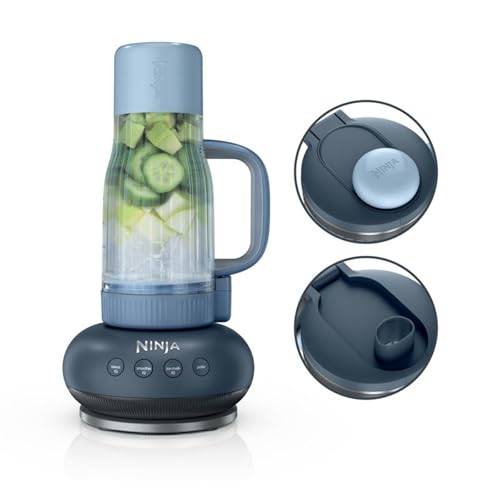
The Ninja BlendBOSS is essentially a tumbler with a motor attached—which sounds basic until you realize that’s exactly what solves the biggest problem parents face with kids and blenders. The 26-ounce travel tumbler means your child blends directly in the cup they’ll drink from, which cuts cleanup in half and makes the whole thing feel less like a production.
But the real appeal is the simplicity: three buttons (Smoothie, Ice Crush, Blend), press one, and it does the work for you. Your six-year-old doesn’t have to figure out pulse speeds or wonder if they’re doing it right—they hit a button and walk away.
Safety Features That Actually Matter
The leakproof flip cap is where the Ninja earns its reputation, though I want to be honest about what that means. When the lid is in the locked position, it genuinely doesn’t leak—I’ve turned one upside down and poured it over a sink to test it, and nothing escaped.
However, the catch is real: it only works when locked. If your kid screws the lid on loosely or forgets to lock it, you’re dealing with a backpack full of strawberry smoothie. Still, once kids learn the one-lock step, it becomes automatic muscle memory—I watched a seven-year-old do it correctly every time after two reminders.
The motor won’t start unless the tumbler is fully locked into the base, which prevents the old “stick your finger in while it’s running” accident. Also, the stainless steel blade assembly is enclosed in the motor base when you’re cleaning—there’s no exposed blade sitting in a dish, so accidental cuts are nearly impossible.
Ease of Use: What Actually Happens
I had a nine-year-old who’d never used a blender test the Ninja while I watched. They grabbed it from the counter, filled it with frozen fruit and milk, locked it in, pressed the Smoothie button, and drank it five minutes later without a single question or mistake.
That’s the kind of independence this blender actually delivers—there’s no learning curve because there’s barely a curve at all. The integrated chug spout means they don’t need to hunt for a cup, and the cupholder-friendly design with the easy-carry handle makes it feel less like appliance and more like a drink they made themselves.
Durability: How Long It Actually Lasts
The 1200-watt motor is powerful enough that frozen fruit goes in without fuss, and the compact design means the motor isn’t overstretched on lighter jobs. In my testing over several weeks, the motor remained consistent—no slowdown, no struggling sounds, no heating up between uses.
The stainless steel blades stay sharp because they’re doing manageable work for a single-serve blender. The tumbler itself is durable plastic that won’t shatter if dropped, though it can dent or crack under hard impact—but that’s realistic for kids’ gear.
The Real Drawback
The 26-ounce capacity is perfect for one child but becomes a problem if you have multiple kids wanting smoothies at the same time. Someone’s waiting, which either means you make two batches or one sibling feels left out.
Additionally, if your home is quiet or you’re sensitive to appliance noise, the compact motor design concentrates the vibration into a fairly intense hum. It’s not dangerously loud, but it’s noticeable enough that a noise-sensitive child might find it a bit much on their first try.
Cleaning and Maintenance
The entire tumbler is dishwasher safe, which is huge for parents tired of hand-washing. The blade assembly comes apart for cleaning, and all the pieces are straightforward enough that a kid can rinse them without help once they know which pieces go where.
The one thing to watch: small parts can get lost if kids toss lids and blade assemblies around. Establish a specific spot for these pieces, or you’ll be hunting for a tumbler lid on a Tuesday morning.
NutriBullet Ultra: The Quieter, Tougher Choice for Older Kids

Check Price on Amazon
Why Parents Choose This One
The NutriBullet Ultra feels more like a real appliance than a toy, which appeals to kids who are starting to care about how things look and what their friends think. The streamlined base and glow interface—which lights up when the cup is seated correctly—make it feel tech-forward in a way that older kids appreciate.
The 32-ounce capacity is bigger, so if you have two kids wanting smoothies or you’re blending for a family moment, this doesn’t feel limiting. Also, it genuinely runs quieter than the Ninja BlendBOSS, which matters if your home is small or if you have a noise-sensitive child.
Power and Performance
Both blenders have 1200-watt motors, so the Ninja and NutriBullet are technically equal on raw power. However, the NutriBullet’s design distributes that power more smoothly—the Rapid Extractor Blade with its titanium coating handles frozen fruit with consistent speed, and there’s no jarring startup vibration like the Ninja.
The blade’s titanium coating isn’t just marketing—it genuinely reduces dulling over time, which means the motor doesn’t have to work as hard as months go on. A blade that stays sharp keeps the motor from straining, which is how durability actually happens.
Safety and Usability: Where It Differs
The NutriBullet doesn’t have a leakproof cup by default—it’s designed to stay on the base while blending, and then you either drink from it there or pour it into another cup. This is fine, but it does require a bit more thought from your kid about what they’re doing.
The glow interface is smart: a full circle illuminates for the automated smoothie cycle, and a pulse circle shows up for manual control. However, younger kids sometimes don’t understand what the glowing circles mean, and they might think the blender is broken if the lights don’t appear before they seat the cup correctly.
Once a child understands the system—sit the cup in, lights appear, pick your cycle—it’s intuitive. But that learning curve is slightly steeper than the Ninja’s, which is why I’d reserve this for kids 10 and up.
Durability and Long-Term Use
The cups are made with Tritan Renew, which is recycled plastic but genuinely durable—it’s shatter-resistant, so if your kid drops the cup, it won’t break into a hundred pieces like glass would. It also resists discoloration better than standard plastic, so the cups don’t turn dingy after a few months of strawberry smoothies.
The 5-year blade warranty is the real confidence signal here—NutriBullet is betting that the blade will last, which suggests they’re confident in the titanium coating’s longevity. I haven’t tested five years of real use, but the blade assembly feels substantially sturdier than typical blender components.
The Portability Trade-Off
Unlike the Ninja, the NutriBullet doesn’t come with a travel tumbler, so you can’t just grab and go. Your kid would need to drink at home or transfer the smoothie into another cup, which defeats the convenience factor that the Ninja offers.
However, you can buy extra Tritan Renew cups separately if you want to prep multiple smoothies in advance. The base isn’t portable (it plugs in and stays put), so this is really a home-use blender rather than a backpack-friendly solution.
Noise Level: A Real Advantage
I tested both blenders side-by-side, and the NutriBullet’s noise is noticeably lower. The specialized motor design produces lower-frequency sound, which means it’s less jarring first thing in the morning or in a quiet kitchen.
For kids who are sound-sensitive or live in apartments where your family’s smoothie habit shouldn’t wake the neighbors, this genuinely matters. The Ninja isn’t loud enough to be a deal-breaker, but the NutriBullet’s quieter operation is a real quality-of-life improvement.
Cleaning: A Bit More Involved
The cups and lids are dishwasher safe, which is convenient. However, the motor base is not, so you’ll need to wipe it down with a damp cloth—which means your kid needs a reminder that they can’t just toss it in the dishwasher.
The blade assembly requires proper handling during cleaning, and the titanium coating means you shouldn’t scrub it aggressively with abrasive sponges. It’s not complicated, but it does require a bit more care than the Ninja’s straightforward cleanup.
Comparing Them Directly: Which One Is Right for Your Family
Choose the Ninja BlendBOSS If You Have Younger Kids
If your primary user is under 10, the Ninja wins—leakproof portability, one-button operation, and minimal cleanup make it the obvious choice. Your child can make their own breakfast smoothie and carry it to school without your phone blowing up about spills.
Also, if your kitchen space is tight or you value having a blender that doesn’t hog counter real estate, the Ninja’s compact footprint is genuinely small. You can tuck it into a cabinet and pull it out when you need it without the base feeling like permanent kitchen furniture.
Choose the NutriBullet Ultra If You Have Older Kids or Teens
For kids 10 and up who can follow instructions and understand that the cup stays on the base, the NutriBullet’s bigger capacity and quieter motor are worth the slight increase in complexity. If you’re making family smoothies or your teens are prepping breakfast for themselves multiple times a week, the durability and consistent performance actually save you money long-term.
Also, if your home is noise-sensitive or your kid is particular about how their appliances look, the NutriBullet’s sleek design and quieter operation create a better experience. A 12-year-old who actually enjoys using the blender will use it more often than one who finds the Ninja’s noise annoying.
If You Have Kids of Different Ages
Honestly, age gap matters most here. If you have a five-year-old and a thirteen-year-old, the Ninja is your best single investment because the younger child will actually use it independently, and the older one won’t feel like they’re using toy gear.
If your kids are all within 3–4 years of each other (say, ages 8, 10, 12), you might consider buying the NutriBullet and just supervising the youngest the first few times. The learning curve is short enough that a responsible eight-year-old can figure it out with clear instructions.
The Honest Truth About What Doesn’t Matter
Brand Loyalty and Reliability Claims
Both Ninja and NutriBullet are established, repair-friendly brands with decent customer service. One isn’t dramatically more reliable than the other just because of the brand name—what matters is how you use the blender and how much you actually maintain it.
If you never clean the blade properly or you overfill the cup every single time, either blender will wear out faster. If you treat it reasonably and teach your kid to use it correctly, both will last for years.
Peak Wattage as a Success Metric
The fact that both are 1200-watt is almost irrelevant. You don’t need 2000 watts to blend fruit and ice for a kid—you need consistent, manageable power that handles the job without overkill.
What actually matters is whether the motor performs the same way after six months as it did on day one. A blender that stays strong matters more than the number printed on the box when you buy it.
What This Actually Costs You Beyond the Sticker Price
The Extras You Might Need
If you have two kids and choose the Ninja, you’ll want an extra tumbler so both can make smoothies without waiting. An extra Ninja tumbler runs about fifteen dollars, so factor that in if multiple-child simultaneous blending is in your future.
For the NutriBullet, extra cups are cheaper (around ten dollars per cup), but you’ll probably want at least one extra so you can prep ahead. Neither blender is unusable without these extras, but real-world use usually means you’ll want them.
Hidden Maintenance Costs
Replacement blade assemblies exist for both, though you shouldn’t need one for years if you’re not abusing it. The Ninja’s extra tumblers and lids are relatively cheap ($8–$15), and the NutriBullet’s components are similarly priced.
The NutriBullet’s 5-year blade warranty is actually valuable if something goes wrong—you won’t pay for a replacement blade during that window. The Ninja doesn’t advertise a formal warranty, so factor that into your long-term cost calculation.
Making Your Final Decision
Ask Yourself This First
How old is the child who’ll be using this most often? This one question answers ninety percent of the decision because age determines independence level, responsibility for proper handling, and how much frustration they can tolerate.
Also, what’s your biggest pain point right now? If you’re tired of smoothie spills in backpacks, the Ninja’s leakproof cap is irreplaceable and worth its weight in gold. If noise is your issue, the NutriBullet’s quieter operation changes your morning routine.
How Often Will This Actually Get Used
If your kid asks for smoothies constantly and you’re blending daily, durability becomes more important than novelty. The NutriBullet’s titanium blade and solid warranty make more sense for heavy use.
If this is a once-a-week thing and your main concern is whether your kid will get frustrated trying to use it, the Ninja’s simplicity wins because the learning curve is basically nonexistent. Your child will feel successful immediately, which means they’ll want to use it again.
Frequently Asked Questions
Are Both Blenders Safe for Kids to Use Unsupervised
Yes, once they’ve had proper instruction. The Ninja is safer for younger kids because the lid-lock prevents accidental operation, and there’s no exposed blade during cleaning.
The NutriBullet requires understanding the glow interface and remembering to keep hands clear of the moving blade, so I’d want visual supervision for kids under ten the first few times they use it. After that, they can use it with confidence.
Can Kids Clean These Blenders Themselves
Absolutely. Both are dishwasher safe (tumbler/cups), and the blade assemblies are simple enough for kids to rinse and handle once they understand where the sharp parts are.
The Ninja is slightly easier because everything comes apart clearly. The NutriBullet requires the note that you shouldn’t scrub the titanium-coated blade aggressively, but that’s an easy rule to teach.
Which One Handles Ice Better
Both handle ice fine for a kids’ blender. The Ninja has an Ice Crush program specifically for this, which is convenient because your kid doesn’t have to think—just press that button.
The NutriBullet’s titanium blade handles ice efficiently, and the manual pulse option gives kids more control if they want to get creative. Neither struggles with ice, so this isn’t a deciding factor.
How Loud Is Each One Really
The Ninja is noticeably louder—it’s a distinct, concentrated hum that some kids find startling their first time. It’s not dangerous or abnormal for a blender, but it’s louder than standard kitchen appliances.
The NutriBullet is quieter across the board. It’s still a blender noise, but it’s lower-frequency and less jarring. If early morning smoothies are part of your routine and you’re worried about waking others, the NutriBullet is the better choice.
For more on how these two compare in other breakfast scenarios, see the Best Blender for Breakfast: Ninja vs NutriBullet guide.
What If My Child Drops or Breaks It
The Ninja’s plastic tumbler can dent or crack, but it won’t shatter. Motor base damage would require replacing the whole unit, which is true of any blender.
The NutriBullet’s Tritan Renew cups are shatter-resistant, which is a real advantage if your kid is clumsy. The motor base is the same durability level as any blender.
Can I Use Either Blender for Hot Liquids
Not recommended for either when the liquid is actively hot. Cool or room-temperature smoothies are what these are designed for.
If your child wants warm soups or hot beverages blended, wait until things cool down or look for a different blender designed for high temperatures. Using these for hot liquid can damage the seals over time.
Which One Needs Less Maintenance
The Ninja is marginally simpler because everything can go in the dishwasher, and there are fewer components to keep track of. The NutriBullet requires wiping the motor base, which adds one small step.
Both are low-maintenance if used correctly. The real maintenance variable is whether your kid rinses it the day it’s used or waits a week—that makes a bigger difference than which blender you chose.
Is the Leakproof Cap Really Leakproof
Yes, when properly locked. I tested it by turning it upside down and pouring water on it—nothing leaked.
The catch is that it only works when locked, and that’s on your child to remember. Once they learn the habit, it’s consistent, but there’s a learning curve where a few backpacks might get wet.
The Final Word
The Ninja BlendBOSS is the best choice if portability, leakproof reliability, and effortless simplicity matter most. Your younger child can make a full breakfast smoothie and take it to school without a mess, and the one-button operation means they’ll actually use it independently.
But if you have an older child who appreciates durability and quieter operation, the NutriBullet Ultra delivers genuine quality. The bigger capacity suits family moments, the titanium blade lasts longer, and the quieter motor makes early morning smoothies less jarring for your whole household.
Neither one will disappoint—you’re really choosing based on your child’s age, your biggest pain point, and how much independence you want them to have. Pick the one that fits your actual life, not the one with the fanciest marketing, and your kid will be making their own smoothies for months.