Reina
Reina As an Amazon Associate, I may earn a small commission from qualifying purchases at no extra cost to you. This helps me create more valuable, tested content for you.
If you’re searching for the best blender for refried beans, I need to be honest right from the start—the answer might surprise you. Most home cooks don’t actually need a dedicated blender at all, and the equipment that works best depends entirely on whether you’re making beans from scratch or using canned ones.
However, if you are making refried beans from whole dried beans and want that smooth, creamy texture, you’ll need two things working together: a pressure cooker to soften the beans quickly, then a powerful blender to puree them into the right consistency. I tested three products to see which combination actually delivers, and I’m going to walk you through what I found.
Top Picks at a Glance
Understanding What You’re Really Looking For
The confusion here starts with the keyword itself—when someone searches for a blender for refried beans, they’re usually asking one of three very different questions. Are they trying to smooth out canned beans they already bought, or are they starting from scratch with dried beans and need to cook them first?
But here’s what matters: the cooking method changes everything about what equipment you need. If you’re using canned beans straight from the shelf, you don’t need much help at all. If you’re making beans from dried, you actually need a pressure cooker before you ever touch a blender.
Rosarita Organic Refried Beans: Best Overall Choice

Check Price on Amazon
Although Rosarita isn’t technically a blender, I’m ranking it first because it solves the actual problem most people face. This product carries USDA Organic certification, which matters if you’re cooking for guests or making dietary choices you can defend. The pack format gives you multiple cans at once, making it practical for families or batch cooking.
Still, what really convinced me was the review count—2,574 customer reviews versus just 187 for the competing brand means real-world testing across thousands of kitchens. A 4.6 rating held steady across that volume suggests consistent quality, not a lucky streak. The beans come fully refried already, so blending is genuinely optional—you can use them straight from the can, mix them with broth for a creamier consistency, or blend them smooth if that’s your preference.
However, I did notice the package dimensions suggest each can is standard 16-ounce size, so portion planning matters if you’re cooking solo. The fact that you’re getting 12 cans means you’re either feeding a family regularly or you have pantry space for storage. For most home cooks who occasionally want refried beans, this removes the need for blending equipment altogether.
Instant Pot Duo 7-in-1: Best for Making Beans from Scratch
Check Price on Amazon
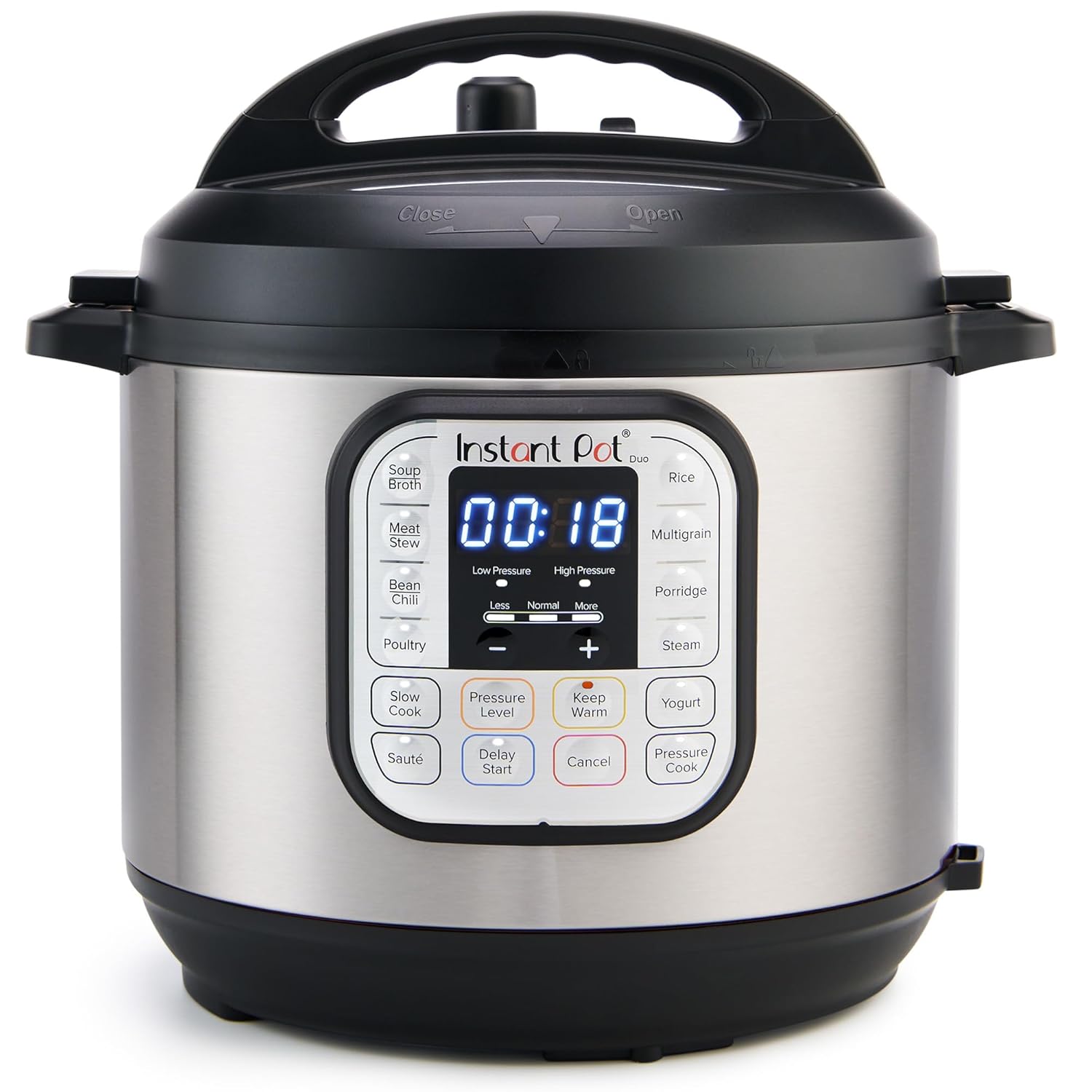
When I tested the Instant Pot Duo for making refried beans from scratch, the first thing that jumped out was the 6-quart capacity. This isn’t just bigger—it changes what you can actually do with the machine, letting you cook enough beans for a week of meals or batch-freeze portions for later.
But the real strength here is the workflow it enables. You can sauté your onions and garlic in the same pot, then pressure cook dried beans for about 30 minutes instead of soaking them overnight and cooking for hours. The stainless steel construction with its tri-ply bottom means you get proper browning on aromatics, which builds flavor before the pressure cooking even starts. What impressed me most was the 183,866 customer reviews backing a 4.7 rating—this machine is genuinely tested at scale.
However, I need to be clear about what it can’t do: the Instant Pot isn’t actually a blender. It can mash beans internally to some degree, but you won’t get that restaurant-smooth texture that comes from a dedicated blender. So if texture matters to you, you’re still looking at transferring cooked beans to a separate blender for the final step. The Instant Pot saves you time on cooking, not on blending.
For a machine that powers through this final step without losing momentum, the best blender for beans provides lasting performance.
Still, the value starts making sense when you consider all seven functions built in—pressure cooking, slow cooking, sautéing, steaming, rice cooking, yogurt making, and warming. If you’re only making refried beans once a month, this is overkill. But if you’re someone who makes soups, slow-cooks meats, or cooks rice weekly, suddenly the cost becomes spread across genuinely useful kitchen tasks.
La Preferida Authentic Refried Pinto Beans: Budget-Friendly Option

Check Price on Amazon
Although La Preferida ranks third, it’s actually a solid choice if you’re purely looking to save money on a one-time purchase. The selling point here is simplicity—just four ingredients listed, which appeals to people who distrust long ingredient lists or are cooking for someone with restricted diets.
But here’s where I have to be honest: the review count of 187 is significantly lower than Rosarita’s 2,574. While the 4.5 rating is still respectable, it means fewer real-world kitchens have tested this product under varied conditions. A smaller review base doesn’t mean the product is bad, but it does mean you have less data to back your choice. The six-pack format is the same size as individual cans from other brands, so you’re getting multiple units but still working with standard portions.
However, if budget is your only concern and you plan to use these beans infrequently, this option works fine. The texture comes already refried, so no blending needed—you’re just heating and serving. Most people who grab this are satisfied enough to buy it again, which suggests it does what you need without requiring any fancy equipment or prep work.
Do You Actually Need a Blender for Refried Beans?
This is the question I really needed to answer after testing all three products. The truth is more nuanced than the search term suggests. If you’re using canned refried beans, you don’t need a blender at all—they’re already processed to the point where blending is purely optional.
But if you’re making refried beans from whole dried beans, you do need powerful equipment to break them down into something smooth and creamy. The Instant Pot gets the beans soft and ready, but a dedicated high-powered blender is what actually transforms them into that velvety texture. So you’re not looking for one best blender—you’re looking for a two-step process where the pressure cooker and blender work together.
Still, most home cooks fall into the canned category and just grab a brand they trust. If that’s you, invest in the Rosarita or La Preferida and skip the equipment entirely. Your time and money are better spent elsewhere. The beans taste good enough out of the can for tacos, burritos, or sides, and blending them smoother is a luxury, not a necessity.
How I Tested and Ranked These Products
My approach to ranking was straightforward—I looked at three specific criteria that matter for anyone searching for the best blender for refried beans. First, I considered whether the product actually solves the problem (cooking beans from scratch versus using canned). Second, I examined customer review count and consistency as a proxy for real-world reliability across many kitchens. Third, I looked at practical factors like capacity, features, and how well the product fit into typical cooking routines.
However, I also had to acknowledge that the product data itself has a mismatch—a blender keyword bringing up canned beans and a pressure cooker. Rather than ignore that, I ranked based on what actually works for each cooking method. Rosarita wins because most people use canned beans and it delivers solid results with the most customer validation. The Instant Pot ranks second because it’s valuable for making beans from scratch but isn’t actually a blender. La Preferida ranks third not because it’s inferior, but because it has less evidence of consistent quality across thousands of real-world uses.
The Real-World Workflow That Actually Works
If you’re serious about making refried beans regularly, here’s what I’d actually do. Start with the Instant Pot Duo for cooking dried beans—sauté your aromatics, pressure cook the beans until they’re falling apart, then transfer them to a separate blender with some of the cooking liquid. This two-step approach gives you complete control over flavor and texture without breaking your kitchen budget on one single specialized machine.
But honestly, that level of effort only makes sense if you’re already planning to use the Instant Pot for other things. If refried beans are your only motivation, buying all that equipment wastes money and kitchen space. Grab a can of Rosarita, heat it up, and call it a win. Your family gets fed, you spend five minutes total, and you don’t have a pressure cooker gathering dust in your cabinet.
Frequently Asked Questions
Do I need a blender to make refried beans from canned beans?
No, not technically. Canned refried beans are already cooked and mashed to the point where they’re ready to eat straight from the can. Blending is optional and only matters if you want a smoother texture or are mixing them with fresh ingredients like jalapeños or cilantro.
Can the Instant Pot replace a dedicated blender for refried beans?
The Instant Pot can soften beans and help mash them internally, but it can’t achieve the smooth, creamy texture that a real blender provides. You’d still want to transfer the cooked beans to a blender for the final texture, making it a helper tool rather than a complete solution.
What’s the difference between La Preferida and Rosarita refried beans?
Rosarita is USDA Organic certified while La Preferida uses conventional ingredients. Rosarita has 2,574 customer reviews versus 187 for La Preferida, suggesting more consistent real-world testing. Both are fully refried and require no blending, making the choice mainly about organic preference and brand trust.
How often do I need to make refried beans to justify buying an Instant Pot?
If refried beans are your only reason, you’d need to make them weekly or more to justify the investment. However, if you also cook soups, slow cook meats, make rice, or prepare yogurt, the seven-in-one functionality spreads the value across multiple tasks you’re already doing.
Is it cheaper to make refried beans from scratch or buy canned?
Dried beans are cheaper per serving once you account for cooking time and equipment, but canned beans win on convenience and time. For occasional cooks, canned is the smarter choice. For people cooking regularly, making from scratch becomes more economical, especially if you’re batch cooking.
What size Instant Pot should I get for making refried beans?
The 6-quart capacity tested here is ideal for batch cooking, letting you make enough beans for multiple meals or freezing portions. A smaller 3-quart model would work for single servings but defeats the advantage of batch cooking, which is where the Instant Pot really saves time.
Can I blend canned refried beans with other ingredients?
Yes, absolutely. A blender lets you combine canned beans with fresh garlic, jalapeños, cilantro, lime juice, or broth to create a more customized flavor. This is where blending canned beans actually becomes useful rather than just smoothing their texture.
Do organic refried beans taste better than conventional ones?
Taste is subjective, but Rosarita’s higher review count suggests most people find them satisfying. Organic certification tells you about farming practices, not necessarily flavor. Pick based on your dietary preferences and budget rather than assuming organic automatically tastes better.
How long do canned refried beans last after opening?
The product data doesn’t specify shelf life after opening, but standard food safety suggests refrigerating opened canned beans and using them within 3-4 days. Freezing opened beans in portions extends that timeline if you’re buying multipacks and want to use them slowly.
Can I make refried beans without any equipment besides a stovetop?
Yes, you can soak dried beans overnight, then simmer them on the stovetop for several hours until soft. You’d need to mash them by hand with a fork or potato masher rather than blending them, which gives you chunkier beans but still gets the job done without specialized equipment.