Reina
Reina 
As an Amazon Associate, I may earn a small commission from qualifying purchases at no extra cost to you. This helps me create more valuable, tested content for you.
Beans are deceptively tough on blenders, and most budget models will struggle or overheat when faced with thick, cooked chickpeas or black beans. The best blender for beans combines sustained motor power, sharp blade geometry, and smart vortex design to turn dense ingredients into silky purée without burning out.
However, finding that blender means understanding what actually matters—wattage numbers are marketing noise, but laser-cut stainless-steel blades and friction heat management are the real deal. This guide walks you through what to listen for, what to ignore, and whether premium machines are worth the investment for your kitchen.
What Makes a Blender Good or Bad for Beans
Still, before we talk about specific products, you need to know what beans actually demand from a blender. Beans are fibrous, dense, and they generate serious friction heat during blending—this is where cheap motors start smoking and premium machines barely notice the work.
Although marketing teams throw around wattage numbers like confetti, what really matters is sustained torque—the ability to keep pushing through resistance without straining or overheating. A motor that can handle two minutes of continuous bean blending without complaint is what separates a tool from an expensive paperweight.
Motor Power and Sustained Blending
But here’s the trick: a “1000W” budget blender and a “1400W” professional blender aren’t directly comparable. The cheaper machine might have higher peak wattage on paper, yet its motor will strain, heat up, and eventually fail because it’s not engineered for sustained, heavy-duty work.
Meanwhile, a professional-grade motor is built to run continuously without complaint, which is exactly what you’re doing when you blend cooked beans into hummus or bean soup. The motor doesn’t get angry; it doesn’t complain; it just keeps going.
Blade Design Matters More Than You’d Think
Additionally, laser-cut stainless-steel blades are worth the cost when you’re blending beans regularly. Cheaper blenders use stamped blades that dull faster and create more friction heat because they’re less efficient at cutting through fibrous ingredients.
Still, blade geometry—how the blades are angled and sharpened—affects how beans move through the blender. Better blades create cleaner cuts, less heat buildup, and smoother results faster.
The Vortex and Container Design
However, even a powerful motor and sharp blades won’t help if the container forces you to stop and tamper every five seconds. A well-designed vortex creates a self-feeding motion that pulls beans down and around, keeping them moving without constant intervention.
Because of this, you spend less time manually pushing beans toward the blades and more time letting the machine do its job. For bean blending, this is the difference between frustration and flow.
Top Picks for Bean Blending
Vitamix Ascent X5: Professional-Grade Bean Blending
Check Price on Amazon
What It Actually Is
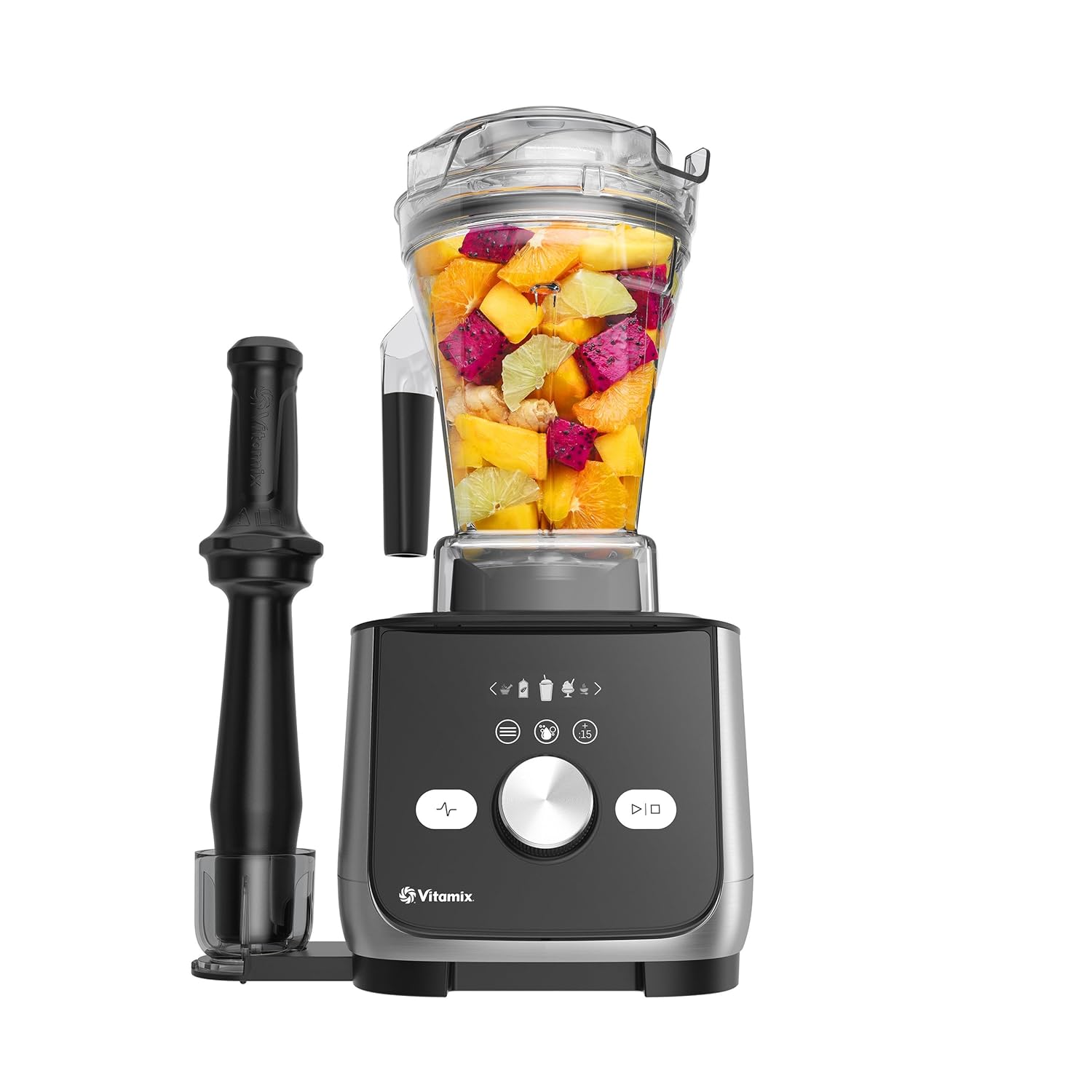
Moreover, the Vitamix Ascent X5 is a premium blender built for people who blend regularly and don’t want to buy a new machine in three years. This isn’t a specialty tool—it’s a workhorse designed for bean soups, hummus, refried beans, nut butters, and thick spreads.
Still, it’s positioned for serious home cooks, people who run small batch businesses, or anyone who’s been burned by cheap blenders before. If beans are your only use case, this might be overkill—but if you blend multiple times a week across different foods, this machine earns its place.
Motor and Blade Performance
However, the real story is under the hood: the Ascent X5 uses a professional-grade motor built for sustained, continuous use rather than five-minute bursts. This is why it doesn’t overheat or strain when you’re blending beans for five minutes straight.
Additionally, the laser-cut stainless-steel blades are specifically designed for fibrous produce and dense ingredients like beans. They cut cleanly, create minimal friction heat, and maintain their edge for years of regular use.
Container and Vortex Design
But the magic happens in the 48-ounce container, which is sized right for batch bean blending without being unwieldy. The vortex geometry means beans feed themselves into the blades, so you’re not constantly pausing to tamper and restart.
Still, that self-feeding motion isn’t just convenient—it’s actually faster. You hit start, let the machine work, and in most cases you’re done blending before you would’ve needed to intervene on a weaker blender.
Features That Actually Help With Beans
Moreover, the pulse function matters when you’re blending beans. It lets you control how much you break them down—keeping texture if you want chunky hummus, or going fully smooth if you prefer silky bean soup.
Meanwhile, variable speed settings let you manually dial in the exact moment when beans go from “lumpy” to “perfect,” which no preset program can do consistently. The tamper indicator tells you when thicker mixtures actually need help from the tamper, removing guesswork.
Additionally, the self-cleaning program is legitimately useful after blending thick bean paste. Just add warm water and a drop of dish soap, run the program for 60 seconds, and you’re done—no soaking, no scrubbing dried beans from the blades.
Real-World Bean Performance
However, real performance is what matters, and the Ascent X5 handles cooked beans effortlessly. Whether you’re blending black beans, chickpeas, pinto beans, or kidney beans, this machine produces smooth purée without heat issues or motor strain.
Still, sustained blending of beans won’t stress this motor—it’s honestly not the hardest job this blender does. Heat management is excellent, and durability is backed by a 10-year warranty, which tells you something about how confident Vitamix is in this machine.
Where It Falls Short for Bean Blending
But there are real trade-offs to consider. The price is steep for someone who only blends beans twice a month and doesn’t use a blender for much else.
Additionally, the 48-ounce capacity is generous if you cook for a family, but if you live alone or prefer smaller portions, a smaller Vitamix model would work equally well for beans. And the preset programs, while convenient, aren’t specifically tuned for beans—manual control produces better results anyway.
Is the Ascent X5 Worth It for Beans?
Actually, the answer depends entirely on how often you blend and what else you blend. If you’re making bean soups, hummus, or refried beans once a week or more, yes—this machine earns its cost through reliability and consistency.
However, if beans are occasional and you have no other blending needs, a mid-tier Vitamix or quality Ninja blender will handle beans fine without the premium price tag. The Ascent X5 is worth it if you’re blending regularly across different foods, not just because of beans.
Key Specs and Features Breakdown
- Motor Type: Professional-grade, engineered for sustained continuous use
- Blade Material: Laser-cut stainless steel for fibrous ingredients
- Container Size: 48 ounces, BPA-free and dishwasher-safe
- Blending Programs: 10 automatic programs including Nut Butters, Dips & Spreads, and Soups
- Variable Speed: Manual control from low to high with pulse function
- Tamper Indicator: On-screen prompt tells you when to use the tamper
- Self-Cleaning: 60-second program with warm water and soap
- Warranty: 10-year limited warranty
- Container Pairing: Compatible with self-detect containers and attachments
- Dimensions: 9.75″ deep × 7.75″ wide × 17″ tall
- User Rating: 4.5 out of 5 stars from 148 reviews
Should You Buy This Blender for Beans?
Still, let’s be direct: the Ascent X5 will not fail you at blending beans. It’s engineered for this work, and it performs consistently every time.
But here’s the honest question: are you buying this blender because beans alone demand it, or because you blend frequently enough to justify the investment? That’s where the real decision lives.
Additionally, if you make bean soups or hummus regularly, or if you blend multiple foods throughout the week, this is the baseline machine that earns its cost back in reliability and years of use. If beans are your only need and you blend sparingly, look at mid-tier Vitamix models or quality alternatives instead.
Frequently Asked Questions
What wattage do you really need for bean blending?
However, wattage numbers are misleading—what matters is sustained torque and motor design, not peak wattage. A professional motor rated for continuous use will handle bean blending better than a budget motor rated at higher wattage but engineered for short bursts. Look for motors built for sustained, heavy-duty work rather than chasing wattage numbers.
Will a cheap blender damage if I blend beans regularly?
Still, yes, budget blenders often overheat or burn out with regular bean blending because they’re not designed for sustained friction work. Beans generate serious heat through friction, and weak motors strain under that load. If you blend beans weekly, a cheap blender will likely fail within 1-2 years.
Do laser-cut blades really make a difference for beans?
Moreover, laser-cut stainless-steel blades cut more cleanly and generate less friction heat than stamped blades, which actually matters when you’re blending thick ingredients like beans. They dull more slowly and maintain their edge longer, producing better results over time.
How often do you need to tamper when blending beans?
Actually, it depends on the blender’s vortex design. A well-designed vortex pulls beans into the blades automatically, so you need fewer interruptions. The Ascent X5 requires minimal tamping because its vortex geometry does real work—cheaper blenders typically need more manual intervention.
Can you make both hummus and bean soup in the same blender?
However, yes, a quality blender handles both textures well. Hummus requires you to control how much you blend to keep some texture, while soups often need smoother results. Variable speed settings and pulse functions let you dial in the exact consistency you want for either recipe.
What’s the difference between the Ascent X5 and smaller Vitamix models for beans?
But the main differences are capacity, some preset programs, and the tamper indicator—not fundamental blending power. Smaller Vitamix models handle beans just as well if you’re blending in smaller batches. The X5 is overkill if you live alone or blend beans in small portions.
Is the self-cleaning program actually useful for bean blending?
Still, yes, it’s one of the most genuinely useful features after blending thick bean paste or hummus. Rather than soaking the container or scrubbing dried bean residue, you just add warm water and soap, run the program for 60 seconds, and the blades do the work for you.
How long does the Ascent X5 actually last with regular bean blending?
Additionally, the 10-year warranty reflects Vitamix’s confidence that this machine won’t fail. Bean blending isn’t even close to the hardest job this motor handles, so if it lasts through tougher tasks, beans won’t challenge it. Most users report these blenders lasting 10+ years with regular use across all food types.
Furthermore, investing in a professional-grade blender means you’re not replacing machines every few years—the Ascent X5 becomes a tool you’ll still use a decade from now.