Reina
Reina 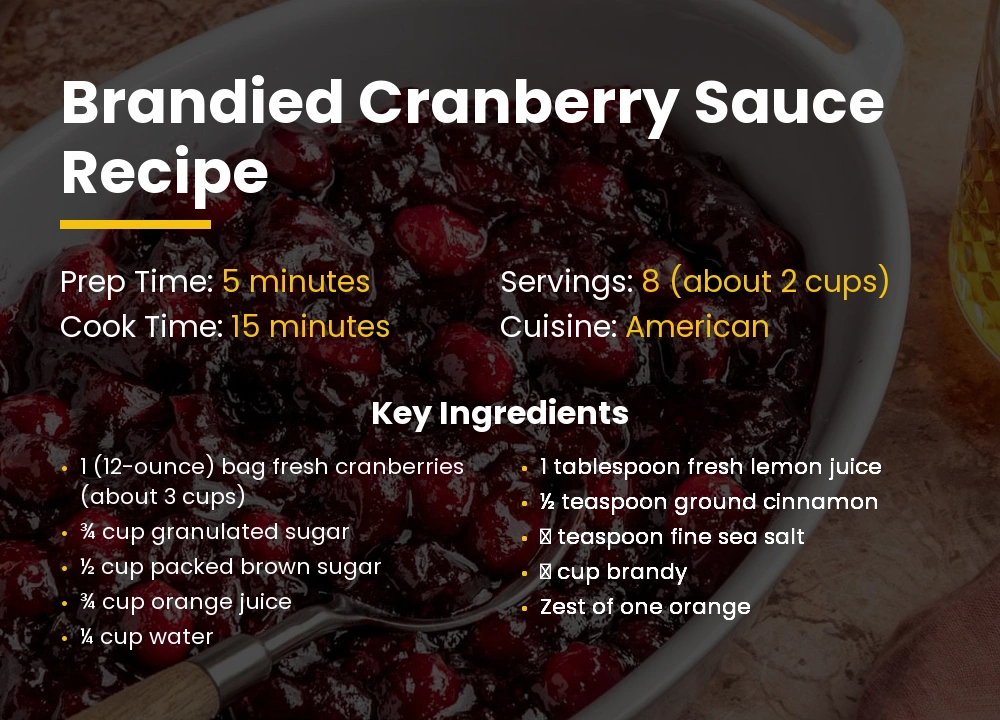
As an Amazon Associate, I may earn a small commission from qualifying purchases at no extra cost to you. This helps me create more valuable, tested content for you.
The jarred cranberry sauce is a reliable guest, but it rarely sparks a conversation. I found the solution years ago in my grandmother’s handwritten notes, where simple fresh cranberries were transformed by a splash of brandy. This brandied cranberry sauce recipe creates a condiment with a sophisticated depth that complements the entire holiday table.
It balances the fruit’s natural tartness with warmth and complexity. This guide will walk you through every step, from selecting the best berries to understanding the nutritional impact of your choices. Let’s make a sauce that becomes a new tradition in your home.
How to Make Brandied Cranberry Sauce Recipe
This process is straightforward, but attention to detail yields the best texture and flavor. You will combine ingredients in a specific order to control the sweetness and consistency. The active cook time is brief, making this an ideal last-minute side dish.
Your primary goal is to dissolve the sugar fully and coax the cranberries to burst at the right moment. Building on this, the brandy is added off the heat to preserve its aromatic character. The result is a glossy, jewel-toned sauce with a perfect balance of sweet, tart, and warm notes.
Recipe Details
- Prep Time: 5 minutes
- Cook Time: 15 minutes
- Total Time: 20 minutes
- Servings: 8 (about 2 cups)
- Course: Condiment, Side Dish
- Cuisine: American
- Diet: Vegetarian, Gluten-Free
Ingredients
- 1 (12-ounce) bag fresh cranberries (about 3 cups)
- ¾ cup granulated sugar
- ½ cup packed brown sugar
- ¾ cup orange juice
- ¼ cup water
- 1 tablespoon fresh lemon juice
- ½ teaspoon ground cinnamon
- ⅛ teaspoon fine sea salt
- ⅔ cup brandy
- Zest of one orange
Instructions
- Rinse the fresh cranberries under cool water and discard any stems or soft berries.
- In a medium saucepan over medium-high heat, combine the granulated sugar, brown sugar, orange juice, water, lemon juice, cinnamon, and salt.
- Stir continuously until the mixture comes to a boil and the sugars have completely dissolved, which takes about 3-4 minutes.
- Add all the rinsed cranberries to the boiling liquid, stirring to coat them evenly.
- Reduce the heat to medium and cook, stirring occasionally, for 8-10 minutes. You will hear the berries pop as they soften and the sauce thickens.
- Once most berries have burst and the sauce coats the back of a spoon, remove the pan from the heat.
- Carefully stir in the brandy and orange zest until fully incorporated. The sauce will sizzle slightly and become fragrant.
- Allow the sauce to cool in the pan for 30 minutes; it will continue to thicken as it cools. Transfer to an airtight container and refrigerate.
Nutrition
- Calories: 185 kcal
- Protein: 0.3 g
- Fat: 0.1 g
- Carbohydrates: 35 g
- Sugar: 32 g
- Fiber: 1.5 g
- Sodium: 40 mg
- Cholesterol: 0 mg
Cooking Method
This recipe uses the stovetop simmering method. Consequently, the direct, controllable heat is perfect for managing the cranberries’ transformation. You begin by creating a syrup to establish the sauce’s base flavor and sweetness.
The berries are then added to this hot liquid, which quickly penetrates their skins. This rapid heating causes them to burst open and release their natural pectin, which is the agent that thickens the sauce into a perfect, spoonable consistency without needing any extra thickeners.
Tools Needed
- A 3-quart medium saucepan
- Wooden spoon or silicone spatula
- Fine grater or zester
- Citrus juicer (optional)
- Measuring cups and spoons
- Airtight container for storage
Why These Ingredients Work
Each component has a specific role in building flavor, texture, and nutritional profile. Understanding these roles empowers you to make informed substitutions later. This is where culinary science meets practical kitchen craft.
Starting with the cranberries, their high pectin content is crucial for achieving a set texture. Furthermore, their signature tartness requires a thoughtful sweetening agent to create a palatable balance without masking the fruit’s character.
Fresh Cranberries and Sweeteners
Fresh cranberries are non-negotiable for superior texture and flavor. Frozen berries can be used without thawing, but they may release more water and require a slightly longer cook time. The bag typically holds 12 ounces, which is the ideal quantity for a standard recipe yield.
Using both white and brown sugar creates a more complex sweetness. The molasses notes in brown sugar introduce a caramel-like depth that plain granulated sugar lacks. This combination mitigates the one-dimensional sweetness found in many basic recipes.
The Role of Citrus and Spice
Fresh orange juice and zest provide a bright, aromatic acidity that elevates the cranberries. Bottled juice often contains preservatives that can impart a flat or metallic taste. The lemon juice sharpens the overall flavor profile, preventing the sauce from becoming overly cloying.
A small amount of cinnamon adds a warm, earthy background note without overwhelming the fruit. It complements the vanilla and oak notes present in the brandy. This spice should be a whisper, not a shout, in the final product.
Understanding Brandy’s Purpose
Brandy is a spirit distilled from wine or fermented fruit juice. In this recipe, it is not merely an alcoholic addition; it acts as a flavor extractor and carrier. The alcohol efficiently bonds with aromatic compounds in the cranberries and orange zest, amplifying their presence.
Adding it off the heat preserves these volatile aromatics and its distinctive character. While some alcohol cooks off, a pleasing essence remains. For a non-alcoholic version, substitute with additional orange juice and a teaspoon of pure vanilla or almond extract to mimic depth.
Mastering Texture and Flavor
Avoiding a runny or overly bitter sauce is a common concern. The key lies in the cooking technique and ingredient balance. A few simple practices guarantee success every time you prepare this condiment.
Always dissolve the sugar completely before adding the cranberries. This creates a stable syrup that cooks the berries evenly. If sugar granules remain, they can create a grainy texture and cause the berries to cook unevenly.
Controlling Consistency
The sauce will thicken significantly as it cools due to the pectin from the cranberries. Remove it from the heat when it has reduced to a syrupy state and coats your spoon. It should still look somewhat liquid in the pan, as it will set further.
If your sauce is too thin after cooling, return it to a simmer for a few more minutes. Conversely, if it becomes too thick, stir in a tablespoon of warm water or orange juice at a time until it reaches the desired consistency. The setting power of pectin is reliable but adjustable.
Balancing Sweetness and Tartness
Cranberries contain natural compounds called tannins, which contribute to a pleasant bitterness. An imbalance can make this taste overpowering. The combination of sugars and citrus juice directly counteracts this, creating a harmonious profile.
Always taste the cooled sauce before final seasoning. You can adjust it with a pinch more salt to enhance sweetness or a drop of lemon juice to brighten it. Remember that flavors meld and mellow after several hours in the refrigerator.
Nutritional Profile and Dietary Adaptations
As a condiment, this sauce is typically consumed in small portions, about a quarter-cup serving. It contributes carbohydrates primarily from natural and added sugars. However, it also provides valuable dietary fiber and vitamin C from the whole fruit.
Using the whole berry, including the skin, retains all the fiber. This is a nutritional advantage over smooth, strained sauces. The fiber helps moderate the absorption of sugars and contributes to digestive health.
Making Dietary Adjustments
For a vegan version, ensure your brandy is processed without animal-derived fining agents, which most major brands are. The recipe is naturally gluten-free, as none of the core ingredients contain gluten. Always check brandy labels if you have severe celiac disease, though distillation typically removes gluten proteins.
To reduce the sugar content, you can decrease the total sugar by a quarter cup. Be aware that this will result in a tarter, more piquant sauce, and it may slightly affect the gel set. Alternative sweeteners like monk fruit or erythritol can be used in a 1:1 replacement for granulated sugar.
Health Considerations and Benefits
Cranberries are a notable source of proanthocyanidins, compounds studied for supporting urinary tract health. They are also rich in antioxidants like vitamin C and phytonutrients. Cooking does degrade some heat-sensitive vitamins but makes other antioxidants more bioavailable.
The small amount of cinnamon may offer minor benefits for blood sugar regulation. Ultimately, this sauce is a flavorful way to incorporate a nutrient-dense fruit into your meal. Enjoy it as part of a balanced plate alongside protein, vegetables, and whole grains.
Serving, Pairing, and Storage
This sauce’s versatility extends far beyond the Thanksgiving turkey. Its complex flavor profile makes it a compelling accompaniment to both savory and sweet dishes. Think of it as a vibrant, textured relish rather than just a condiment.
It should be served chilled or at room temperature. Allowing it to sit for at least four hours, or preferably overnight, lets the flavors fully integrate. The brandy’s warmth will mellow, and the citrus will become more pronounced.
Perfect Pairings
Beyond roasted poultry, try it with pork tenderloin, baked brie, or a cheese board featuring sharp cheddar and goat cheese. It cuts through the richness of fatty meats and creamy cheeses beautifully. The acidity and sweetness provide a refreshing contrast.
For a dessert application, spoon it over vanilla ice cream, pound cake, or Greek yogurt. The sauce’s texture and bright flavor make it a superior topping compared to standard syrups or jams. It introduces a sophisticated, adult twist to simple desserts.
Storage and Shelf Life
Store the cooled sauce in an airtight container in the refrigerator for up to two weeks. The sugar and brandy act as natural preservatives, extending its freshness. You may notice it thickens further when chilled; this is normal.
This sauce can also be frozen for up to three months. Pour it into a freezer-safe container, leaving half an inch of space for expansion. Thaw it overnight in the refrigerator before using. The texture may be slightly softer after freezing but the flavor remains excellent.
Frequently Asked Questions
Does the alcohol cook off in brandied cranberry sauce?
Not all of it. Adding the brandy off the heat preserves its flavor, meaning some alcohol content remains. The exact amount retained depends on cooling time and evaporation, but the alcoholic “burn” dissipates, leaving only its rich essence.
Can I make this sauce without alcohol?
Yes, replace the brandy with an additional ⅔ cup of orange juice or cranberry juice and add one teaspoon of pure vanilla or almond extract. This substitution provides the missing depth and complexity that the brandy normally contributes.
How can I fix cranberry sauce that is too bitter?
Stir in an additional tablespoon of brown sugar or a teaspoon of maple syrup after cooking. Often, the bitterness mellows as the sauce cools, so allow it to rest in the refrigerator for a few hours before making final adjustments.
What type of brandy is best for this recipe?
A standard, affordable American brandy or a French cognac works perfectly. You do not need an expensive, aged bottle as the subtle nuances will be blended with other strong flavors. A smooth, clean-tasting brandy is the ideal choice.
Why did my cranberry sauce not thicken?
The berries may have been undercooked, not allowing enough pectin to release. Simmer the sauce for a few more minutes until more berries burst. Alternatively, the fruit might have been low in pectin; a pinch of citrus zest boiled with the sauce can help.
Can I use dried cranberries instead of fresh?
I do not recommend it. Dried cranberries are already sweetened and cooked, so they will not provide the necessary pectin or texture. The sauce will lack the fresh, bright flavor and the satisfying pop of the whole berries.
How far in advance can I make this sauce?
You can prepare it up to one week in advance. The flavors improve over time, making it an excellent make-ahead dish for holiday meals. Store it in the refrigerator in an airtight container until you are ready to serve.
What other spices can I add?
A small pinch of ground allspice, nutmeg, or cloves can complement the cinnamon. For a more complex warmth, add a single star anise pod or a small piece of fresh ginger during cooking, remembering to remove it before serving.