Reina
Reina 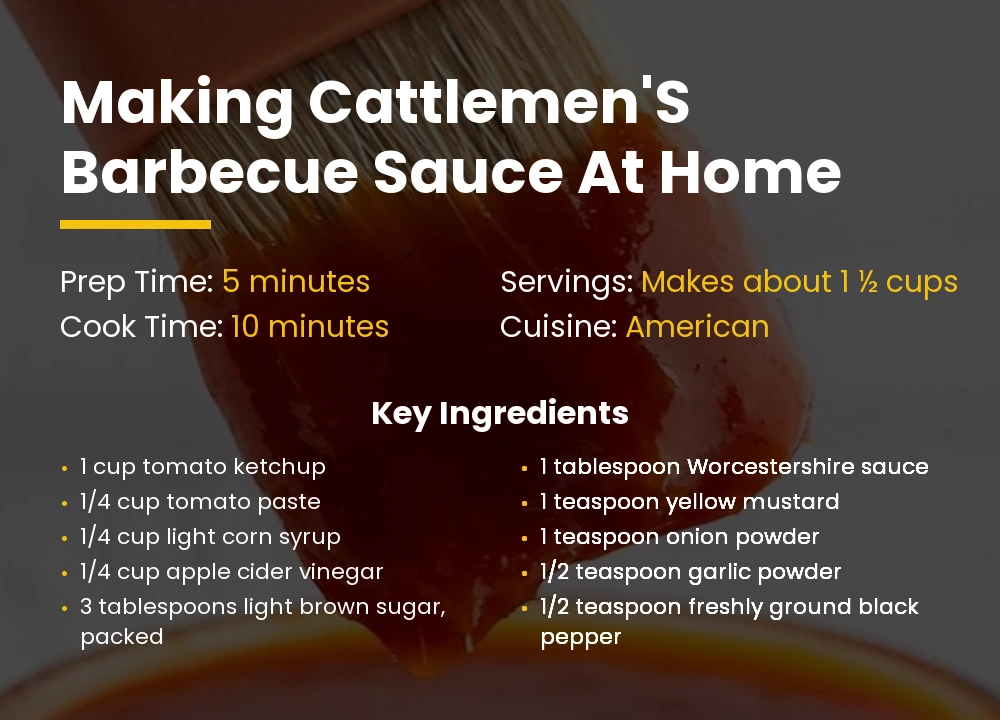
As an Amazon Associate, I may earn a small commission from qualifying purchases at no extra cost to you. This helps me create more valuable, tested content for you.
You can buy a bottle of Cattlemen’s Classic from the store shelf. For years, I did just that, enjoying its familiar tang on ribs and chicken. But the urge to understand what creates that specific balance of sweet, savory, and spice led me to my kitchen. I wanted to see if I could make it myself, to know each component that goes into that iconic flavor.
This journey resulted in a reliable copycat recipe for Cattlemen’s barbecue sauce. It captures the essence of the original while giving you control over every element. We will walk through the simple process, then explore the history and science behind this American staple.
How to Make Cattlemen’s Barbecue Sauce Recipe
This process is straightforward and uses common pantry items. The magic happens in a single pot over low heat, where the ingredients meld into a cohesive sauce. You will notice the transformation in texture and aroma as it simmers.
Recipe Details
- Prep Time: 5 minutes
- Cook Time: 10 minutes
- Total Time: 15 minutes
- Servings: Makes about 1 ½ cups
- Course: Condiment
- Cuisine: American
- Diet: Vegetarian
Ingredients
- 1 cup tomato ketchup
- 1/4 cup tomato paste
- 1/4 cup light corn syrup
- 1/4 cup apple cider vinegar
- 3 tablespoons light brown sugar, packed
- 1 tablespoon Worcestershire sauce
- 1 teaspoon yellow mustard
- 1 teaspoon onion powder
- 1/2 teaspoon garlic powder
- 1/2 teaspoon freshly ground black pepper
- 1/4 teaspoon salt
- Optional: A few drops of liquid smoke or a dash of hot sauce
Instructions
- Add all ingredients to a small, heavy-bottomed pot or saucepan.
- Place the pot over medium-low heat. Whisk the mixture thoroughly until it is completely smooth and uniform.
- Bring the sauce to a gentle simmer, stirring frequently to prevent scorching at the bottom. You will hear a soft, steady bubbling.
- Once simmering, reduce the heat to low. Let it cook for 8-10 minutes, stirring often, until it thickens slightly and the raw vinegar smell mellows. The sauce will darken a shade and coat the back of a spoon.
- Remove from heat and let it cool. The sauce will continue to thicken as it cools. Transfer to a jar or bottle and store in the refrigerator.
Nutrition
- Calories: 50 kcal
- Protein: 0.5 g
- Fat: 0.1 g
- Carbohydrates: 13 g
- Sugar: 11 g
- Fiber: 0.3 g
- Sodium: 280 mg
- Cholesterol: 0 mg
Nutritional values are per 2-tablespoon serving and are estimates. Actual values depend on specific brand ingredients used.
Cooking Method
The cooking method for this sauce is a gentle simmer. High heat is the enemy here, as it can cause the sugars in the ketchup, corn syrup, and brown sugar to burn rapidly, creating a bitter flavor. A low, slow heat allows the vinegar to soften and integrate while the pectin in the tomatoes activates to give body. Stirring is non-negotiable; it ensures even heat distribution and prevents any ingredient from sticking and caramelizing on the pot’s base.
Tools Needed
You require minimal equipment: a small saucepan or pot with a heavy bottom for even heating, a sturdy whisk for initial blending, and a silicone spatula or wooden spoon for stirring during the simmer. A glass jar or squeeze bottle is ideal for storage.
Understanding the Ingredients in Your Sauce
Each component in this formula has a distinct role. Changing one alters the final product’s flavor, texture, and authenticity.
The Foundation: Tomatoes and Sweeteners
Tomato paste and ketchup form the base. The paste provides a deep, concentrated tomato essence and thickens the sauce effectively. Ketchup adds sweetness, vinegar notes, and a smooth texture from the start. The combination replicates the complex tomato profile found in the original.
Sweetness is layered. Light corn syrup offers a straightforward, neutral sweetness and contributes significantly to the glossy, clingy texture classic to bottled sauces. Brown sugar introduces molasses notes and a subtle caramel flavor. This duo is key to achieving the signature balance, moving beyond a one-note sweet taste.
Acidity and Tang
Apple cider vinegar is the primary sour agent. Its fruity sharpness cuts through the sweetness and fat of grilled meats. Worcestershire sauce adds a deeper, fermented tang with umami from anchovies and tamarind. Yellow mustard, while small in quantity, provides a sharp, bright note that lifts the entire flavor profile. Together, they create a multidimensional tang.
Savory Spice Notes
Onion powder and garlic powder are used here instead of fresh alliums. In a sauce meant to be smooth and shelf-stable, powders distribute flavor evenly without introducing texture or water content that can affect preservation. Freshly ground black pepper delivers a gentle, aromatic heat that builds slowly. Salt is crucial; it amplifies all other flavors and balances the pronounced sweetness.
The Story Behind This Style of Sauce
To appreciate this recipe, it helps to understand its place in barbecue history. Cattlemen’s sauce represents a style often called “Classic American” or “Kansas City-style,” though it’s widely used everywhere. It is a tomato-based, sweet, tangy, and mildly spicy condiment.
This contrasts sharply with regional sauces like the Carolina Gold barbecue sauce or a classic Carolina mustard BBQ sauce from South Carolina. Those are mustard-based, featuring yellow mustard, vinegar, and spices, often with little to no tomato. They are typically sharper, tangier, and less sweet, designed specifically for pulled pork.
The original Cattlemen’s brand sauce was developed by a meatpacking company. It was created to be a versatile, crowd-pleasing product that could work on beef, pork, and chicken. Its ingredient list, which includes high fructose corn syrup and corn syrup, reflects its commercial origins designed for stability and consistent flavor. Our homemade version seeks to capture that familiar taste while using more recognizable pantry staples.
Adapting the Recipe for Your Needs
This formula is a perfect foundation. Once you master the base, you can adjust it to match your personal taste or dietary requirements.
Adjusting Thickness and Flavor
If you prefer a thicker sauce, extend the simmering time by five minutes. For a thinner consistency, add a tablespoon of water or vinegar at the end. The flavor can be tweaked easily: add more black pepper or a dash of cayenne for heat. A teaspoon of smoked paprika can enhance smokiness if you lack liquid smoke. A little bit of molasses will deepen the color and add robustness.
Considering Dietary Changes
For a vegan version, ensure your sugar is certified vegan and substitute the Worcestershire sauce with a vegan alternative, as traditional Worcestershire contains anchovies. To reduce sugar content, you can decrease the brown sugar and corn syrup slightly, but note this will alter the texture and traditional flavor profile. The sauce will be less glossy and more acidic.
Using Your Homemade Barbecue Sauce
This sauce is immensely versatile. It can be used as a glaze, a dipping condiment, or a simmering sauce.
For grilled chicken, brush it on during the last few minutes of cooking to caramelize without burning. For pulled pork, mix it into the shredded meat for a classic barbecue sandwich. It works as a base for other recipes, like a BBQ pulled chicken sandwich or as a component in a marinade. It can even be a dipping sauce for fries or onion rings.
Store your finished sauce in a sealed container in the refrigerator. It will keep for up to three weeks. The flavors often improve after a day, as they have more time to fully integrate.
Frequently Asked Questions
Can I use honey instead of corn syrup?
Yes, you can substitute honey for corn syrup. The flavor will change, featuring distinct floral honey notes, and the texture may be slightly thinner. It will taste excellent but will differ from the classic target flavor.
Why is my sauce too acidic or vinegary?
This usually means the sauce did not simmer long enough. The cooking process mellows the sharp edge of the vinegar. Let it simmer for the full time, and ensure you are using the correct type and amount of sweeteners to balance the acidity.
How can I make my sauce smokier?
Add a quarter teaspoon of liquid smoke at the end of cooking, or use a smoked salt. You can also incorporate a teaspoon of ground chipotle pepper, which adds both smoke and mild heat.
What’s the difference between this and Carolina Gold sauce?
They are fundamentally different. This recipe is tomato-based, sweet, and tangy. Carolina Gold is a South Carolina mustard sauce, with yellow mustard, vinegar, and spices as the main components. It is tangier, less sweet, and has no tomato base.
Is there a substitute for tomato paste?
In a pinch, you can use additional ketchup, but the sauce will lack depth and may be too sweet. Tomato paste is important for its concentrated flavor and thickening power.
How long does homemade sauce last?
When stored in a clean, airtight container in the refrigerator, it will remain safe and tasty for about two to three weeks. Always check for any off smells or signs of mold before use.
Can I can this sauce for shelf storage?
This specific recipe is not designed for safe canning due to its viscosity and ingredient ratios. For shelf-stable canning, you must use a recipe with tested acid levels from a reliable preservation source.