Reina
Reina 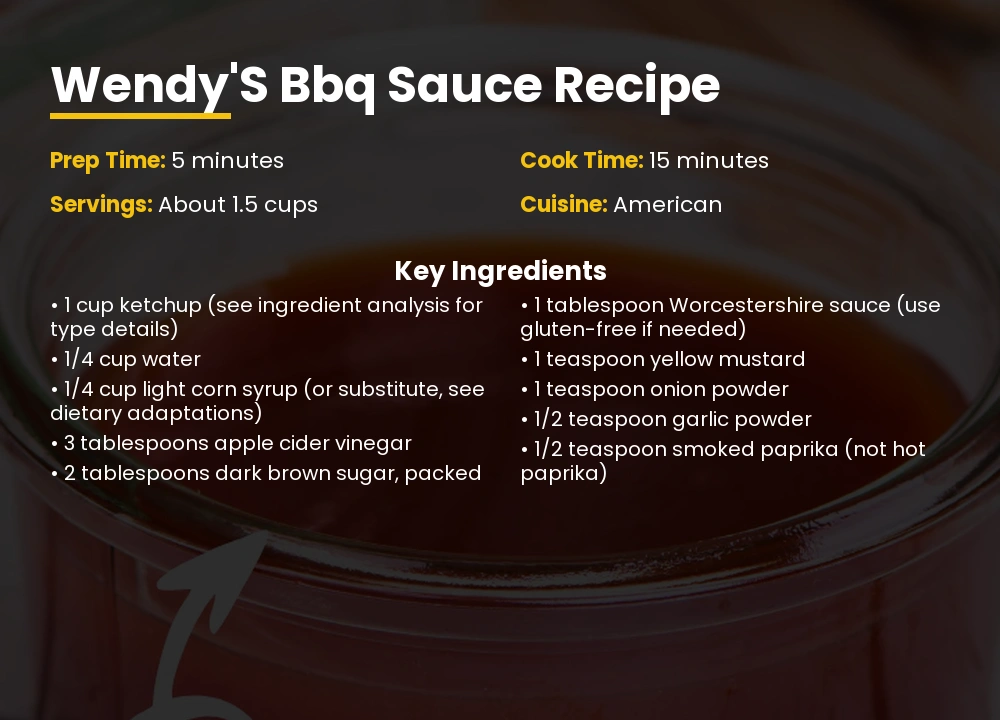
As an Amazon Associate, I may earn a small commission from qualifying purchases at no extra cost to you. This helps me create more valuable, tested content for you.
You remember that distinct flavor. It came in a small, clear cup with a red lid, perfect for dipping a crispy chicken tender or a salty french fry. It was tangy, it was sweet, with a subtle smoky undertone that never overpowered. Then, one day, it was different. If you’ve searched for “wendy’s bbq sauce recipe,” you’re likely part of a community mourning the original and searching for a way back. You’re not just looking for a list of ingredients; you’re seeking a culinary time machine.
I spent years in the food industry before becoming a dietitian, and few things spark as much passionate debate as a discontinued condiment. The change to Wendy’s BBQ sauce formula created a genuine gap in fast-food culture. This guide is the result of my kitchen experiments, historical digging into American barbecue sauce trends, and nutritional analysis. We will not only replicate that beloved old flavor but understand why it worked so well.
This is more than a recipe. It is a reconstruction project. We’ll examine the core components, discuss why certain store-bought sauces like Kraft Sweet Onion or Kinder’s Mild get mentioned, and create a version you can tailor to your health goals. Let’s reclaim that iconic taste, one perfectly balanced spoonful at a time.
How to Make Wendy’s BBQ Sauce Recipe
This recipe is my tested and refined version, built from comparing memories, analyzing common ingredient lists in commercial sauces, and cross-referencing with the flavor profiles of the most frequently cited “close match” store brands. The goal is a balanced, tangy, and slightly sweet sauce with a smooth texture and a hint of smoke.
Recipe Details
- Prep Time: 5 minutes
- Cook Time: 15 minutes
- Servings: About 1.5 cups
- Course: Condiment, Sauce
- Cuisine: American
- Diet: Vegetarian, Gluten-Free adaptable
Ingredients
- 1 cup ketchup (see ingredient analysis for type details)
- 1/4 cup water
- 1/4 cup light corn syrup (or substitute, see dietary adaptations)
- 3 tablespoons apple cider vinegar
- 2 tablespoons dark brown sugar, packed
- 1 tablespoon Worcestershire sauce (use gluten-free if needed)
- 1 teaspoon yellow mustard
- 1 teaspoon onion powder
- 1/2 teaspoon garlic powder
- 1/2 teaspoon smoked paprika (not hot paprika)
- 1/4 teaspoon fine sea salt
- 1/8 teaspoon ground black pepper
- 1/8 teaspoon liquid smoke (hickory flavor, optional but recommended)
Instructions
- Combine all ingredients in a medium saucepan. Use a whisk to ensure they are fully incorporated, with no lumps of brown sugar or tomato paste remaining.
- Place the saucepan over medium heat. Bring the mixture to a gentle simmer, stirring occasionally with a silicone spatula or whisk.
- Once simmering, reduce the heat to low. Continue to cook for 12-15 minutes, stirring frequently to prevent scorching on the bottom of the pan. The sauce will thicken slightly and become glossy.
- Remove the sauce from the heat. Allow it to cool in the pan for 10 minutes before transferring to a clean jar or airtight container.
- The sauce will continue to thicken as it cools to room temperature. For best flavor integration, refrigerate for at least 2 hours before serving. The sauce can be used immediately, but the resting period allows the flavors to marry perfectly.
Nutrition
- Calories: 35 kcal
- Protein: 0.3 g
- Fat: 0.1 g
- Carbohydrates: 8.8 g
- Sugar: 7.2 g
- Fiber: 0.1 g
- Sodium: 180 mg
- Cholesterol: 0 mg
Values are per 2-tablespoon serving and are estimates. Actual numbers will vary based on specific ingredient brands and measurements.
Cooking Method
This sauce uses a stovetop simmering method. The primary goals of cooking are to dissolve the sugars completely, meld the spices into the tomato base, and achieve a slight reduction for ideal consistency. Unlike some barbecue sauces that are grilled or smoked, this is a quick-cook, liquid-based sauce designed for a smooth, dip-friendly texture.
Tools Needed
- Medium saucepan (2-quart capacity is ideal)
- Whisk
- Silicone spatula or wooden spoon
- Measuring cups and spoons
- Fine mesh strainer (optional, for ultra-smooth sauce)
- Airtight glass jar or container for storage
Deconstructing the Flavor Profile
To recreate a sauce accurately, you must first understand its sensory blueprint. The original Wendy’s BBQ sauce was a masterclass in mass-appeal balance. It wasn’t a regional Texas or Carolina style; it was a national, fast-food-friendly amalgamation.
The Foundation: Tomato and Sweetness
The base was unmistakably tomato, but not overly acidic or chunky. Ketchup provides the perfect starting point with its pre-balanced sweet-tangy profile. The sweetness had depth, not a one-note sucrose hit. This is where dark brown sugar and corn syrup work in tandem. Corn syrup provides a neutral, clingy sweetness that prevents crystallization, while molasses-rich brown sugar adds caramel notes.
Acidity and Tang
Vinegar is the sharp counterpoint to sweetness. Apple cider vinegar was likely chosen for its fruity undertone, which is milder and more complex than white vinegar. The inclusion of yellow mustard, while small, contributes both a tangy note and emulsifiers that help keep the sauce smooth and integrated.
The Savory Undertone
This is where the “umami” or savoriness comes into play. Worcestershire sauce is the secret weapon here, providing a complex blend of fermented anchovies, tamarind, and spices. Onion and garlic powder deliver their flavors without any textural bits, ensuring that smooth, homogenous mouthfeel expected from a fast-food condiment.
Smoke and Spice
True, slow-smoked barbecue flavor wasn’t feasible for a mass-produced packet sauce. Smoked paprika and a tiny drop of liquid smoke imitate this characteristic efficiently. The spice level was virtually nonexistent, focusing purely on flavor warmth rather than heat, which is why we use smoked paprika, not chili powder.
Ingredient Analysis and Selection
Every component in this recipe serves a specific functional and flavor purpose. Choosing the right variant can elevate your final product from “close” to “spot-on.”
Ketchup: The Tomato Base
Not all ketchups are created equal. For this recipe, a standard national brand like Heinz is recommended. It has the correct balance of sweetness and vinegar that the formula likely built upon. Avoid “fancy” ketchups with added flavors or ones labeled “organic” that often have a thinner consistency and sharper tomato taste. You want a thick, slightly sweet ketchup as your canvas.
The Sweeteners: Corn Syrup vs. Alternatives
Light corn syrup is a key to the texture and shelf-stability of many commercial sauces. It’s averted from crystallization and adds viscosity. If you prefer not to use it, agave nectar is the closest substitute in terms of neutral sweetness and functional properties. Honey will impart its own floral flavor, which deviates from the target profile. Maple syrup would make it taste entirely different.
Vinegar: Choosing Your Acid
Apple cider vinegar is specified for its fruity mildness. In a pinch, white vinegar can work, but the sauce will have a sharper, more pronounced acidic bite. I do not recommend balsamic or red wine vinegar, as their distinct flavors will overshadow the delicate balance we are trying to achieve.
Worcestershire Sauce: The Flavor Catalyst
This ingredient is non-negotiable for depth. Lea & Perrins is the standard. For a vegetarian version, several brands offer anchovy-free Worcestershire. The sauce will have a slightly different background note but remains delicious. Always check the label if you require a gluten-free version, as some brands use malt vinegar.
Nutritional Perspective on a Condiment
As a dietitian, I view condiments as flavor amplifiers that should be used mindfully. Two tablespoons of this homemade sauce contain about 35 calories and 7 grams of sugar. While it is a concentrated source of added sugars and sodium, making it yourself gives you control.
You know exactly what is in it—no high-fructose corn syrup, no artificial preservatives or colors you can’t pronounce. Compared to an unknown commercial formulation, this is a win. The portion size is critical. Use it as a dip or a glaze, not a beverage. Pair it with baked chicken tenders or roasted vegetables instead of fried foods to create a more balanced meal.
The sodium content, while notable, is consistent with most savory condiments. If you are on a sodium-restricted diet, you can reduce the salt by half or omit the added salt entirely, relying on the inherent sodium in the ketchup and Worcestershire sauce for baseline seasoning.
Addressing the Great Sauce Change
The online discourse, particularly on forums like Reddit, is clear: many believe Wendy’s changed their BBQ sauce recipe. Anecdotes point to a shift sometime around the late 2010s. The old sauce is remembered as tangier, smokier, and more complex. The new version is often described as sweeter and more generic.
This is a common phenomenon in the food industry. Recipes are reformulated for cost, supply chain consistency, or to appeal to broader taste demographics. The introduction of items like “Crispy Chicken Tendys” and new dipping sauces often accompanies these shifts. The “round BBQ sauce” for burgers was speculated by some to still be the old recipe, highlighting how a chain might use different formulas for different applications.
Our recipe targets that fondly remembered “old” profile. The inclusion of smoked paprika, a careful hand with the vinegar, and the savory depth from Worcestershire aim directly at that nostalgic taste.
Dietary Adaptations and Variations
This recipe is a flexible template. Here is how you can modify it to meet specific dietary needs or preferences without sacrificing the core flavor identity.
Making it Lower in Sugar
Replace the corn syrup and brown sugar with a monk fruit/allulose blend designed for 1:1 sugar substitution. The texture may be slightly thinner, but the sweetness profile will be similar. You could also reduce the total sweetener by one-third, but expect a tangier, more vinegar-forward sauce.
Creating a Vegan Version
Use a vegan Worcestershire sauce (anchovy-free) and ensure your sugar is vegan. Most granulated sugars are processed with bone char, so look for organic sugar or specifically labeled vegan cane sugar. All other ingredients in the base recipe are plant-based.
Ensuring it is Gluten-Free
This recipe is naturally gluten-free provided you select your ingredients carefully. Use a certified gluten-free ketchup and a gluten-free Worcestershire sauce. Most corn syrup and spices are gluten-free, but always check labels if you have celiac disease or a high sensitivity.
Spicing It Up
For a spicy BBQ sauce variation, add 1/4 to 1/2 teaspoon of cayenne pepper, chipotle powder, or a few dashes of your favorite hot sauce. Add this incrementally at the end of cooking, tasting as you go.
Common Mistakes and How to Avoid Them
Even a simple sauce can go awry. These tips come from testing this recipe multiple times and knowing where things can deviate from the intended result.
Do not rush the simmer. Cooking the sauce for the full time allows the raw taste of the spices and tomato paste to mellow and blend. A sauce that is merely heated through will taste sharp and disjointed.
Stir frequently, especially as it thickens. Sugars can caramelize and burn on the bottom of the pan, imparting a bitter flavor. Using a heavy-bottomed saucepan and consistent, gentle heat is your best defense.
Be precise with liquid smoke. It is a potent flavoring. An extra drop can make the sauce taste artificial and overwhelming. Start with 1/8 teaspoon. You can add another drop after cooling if you feel it needs more smoke, but you cannot remove it.
Allow the sauce to rest. The flavor transformation from “just made” to “rested” is significant. The spices hydrate fully, the sweetness rounds out, and the entire profile becomes cohesive. Patience is part of the recipe.
Serving, Pairing, and Storage Guidance
This sauce’s primary role is as a dip. It is excellent with homemade baked or air-fried chicken tenders, french fries, sweet potato fries, onion rings, and mozzarella sticks. It also works well as a glaze for meatballs or a sandwich spread.
For storage, transfer the completely cooled sauce to a clean, airtight glass jar. It will keep in the refrigerator for up to three weeks. The flavors remain stable, and the high acidity and sugar content act as natural preservatives. I do not recommend freezing, as it can alter the texture and cause separation upon thawing.
If the sauce thickens too much in the fridge, let it sit at room temperature for 15 minutes or stir in a teaspoon of warm water to loosen it to a dipping consistency.
The Store-Bought Shortcut Analysis
If you lack time to cook, the internet has crowdsourced some alternatives. The most frequently cited are Kraft Sweet Onion sauce and Kinder’s “The Blend” Mild BBQ Sauce. Having tasted these against the memory of the original, here is my assessment.
Kraft Sweet Onion sauce captures a certain sweet-and-tangy vibe but leans heavily into its namesake onion flavor. It lacks the smoky, savory depth. Kinder’s Mild BBQ is closer in its balanced profile and smooth texture, with a gentle smoke note. It is a respectable stand-in, though perhaps a touch sweeter.
Neither is a perfect replica, which is why a homemade version is worth the effort. You gain control and achieve a more nuanced result that specifically targets that lost flavor.
Frequently Asked Questions
Why did Wendy’s change their BBQ sauce?
Wendy’s has never officially detailed the reason. Common factors in the food industry include cost reduction, simplifying the supply chain, changing consumer taste preferences, or reformulating to meet new nutritional labeling standards. The change appears to have been gradual, noticed by dedicated fans over several years.
What is the closest store-bought sauce to Wendy’s old BBQ?
Based on widespread consumer reports and flavor comparison, Kinder’s Mild BBQ Sauce (“The Blend”) is often cited as the closest match. Kraft Sweet Onion sauce is mentioned for its general sweet-tangy profile but is less accurate. Your personal perception of the original flavor will determine which you prefer.
Can I make this sauce without corn syrup?
Yes. Agave nectar is the best functional substitute. You can also use honey, but it will impart a distinct flavor. Using only brown sugar may result in a slightly grainier texture and a stronger molasses note.
How long does this homemade BBQ sauce last?
When stored in a sealed container in the refrigerator, this sauce will maintain optimal quality and safety for up to three weeks. Always use a clean utensil when dipping to prevent bacterial contamination.
Is this recipe gluten-free and vegan?
It can be, with careful ingredient selection. Use certified gluten-free ketchup and Worcestershire sauce. For a vegan version, ensure your Worcestershire sauce is anchovy-free and that your sugar is processed without bone char (organic sugar is a safe bet).
Can I use tomato paste instead of ketchup?
I do not recommend it. Ketchup already contains vinegar, sugar, and spices. Using tomato paste would require you to perfectly balance those elements from scratch, which is a different recipe entirely and unlikely to yield the specific fast-food-style result we are aiming for.
My sauce turned out too thin. How can I fix it?
Return it to a simmer and cook for an additional 5-10 minutes, stirring constantly to allow more water to evaporate. Remember, it will also thicken significantly as it cools. If it’s still too thin after cooling, a small pinch of xanthan gum (1/16 teaspoon) blended in can thicken it without cooking further.
My sauce is too sweet or too tangy. Can I adjust it?
Absolutely. For a sauce that’s too sweet, whisk in an additional teaspoon of apple cider vinegar at a time. For a sauce that’s too tangy, stir in a teaspoon of brown sugar or a half-teaspoon of corn syrup dissolved in a tiny bit of warm water. Always adjust after the sauce has cooled to assess the true balance.